
Oduduwa: The Legendary Founder of the Yoruba Nation; Myth or Historical Figure?
By: Chimdindu Ken-Anaukwu
Almost every Yoruba person has heard the name Oduduwa. He is the figure said to have founded the nation, the first divine king, and the ancestor from whom most traditional rulers claim descent. The most famous story describes him descending from the sky on a chain to create solid land at Ile-Ife. But is Oduduwa pure myth, a historical leader, or something in between? In this guide, you will explore the classic sky-descent story, the deeper meaning of the chain and the soil, and how both traditionalists and modern historians view Oduduwa today. By the end, you will understand why this figure still shapes Yoruba identity in 2026.
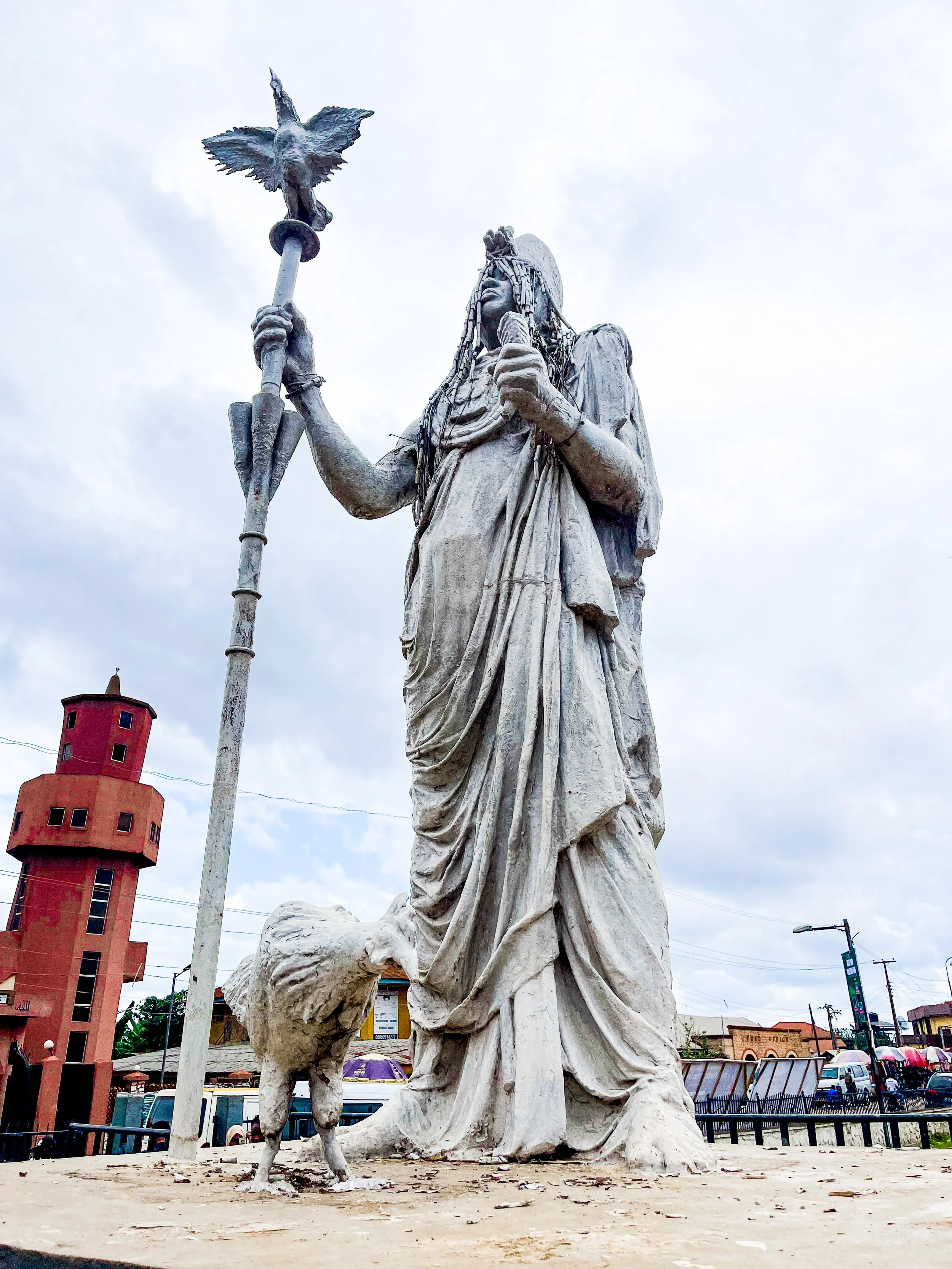
The Classic Sky-Descent Story of Oduduwa
In the most widely told version, the world began as a vast expanse of water. Olodumare, the supreme being, decided to create dry land.
He first sent Obatala with a chain, a snail shell filled with soil, a five-toed chicken, and a palm nut. Obatala became drunk on palm wine and failed the mission.
Oduduwa then took the same items and descended from the sky on the chain. He poured the soil onto the water and placed the chicken on it. The chicken scratched and spread the earth, forming solid ground. That first land became Ile-Ife.
From there, Oduduwa planted the palm nut, which grew into a tree with sixteen branches. These branches later represented the major Yoruba kingdoms that spread outward from Ife.
Key Symbols: The Chain, the Soil, and the Chicken
Each item in the story carries deep meaning.
The chain links heaven and earth. It shows that kingship and order come from the divine realm.
The handful of soil represents the power to create something lasting from nothing.
The chicken’s scratching action symbolizes how small efforts can expand into great things. It also explains why the Yoruba value hard work and initiative.
These symbols appear again and again in rituals, oriki, and the way people speak about leadership and origins.
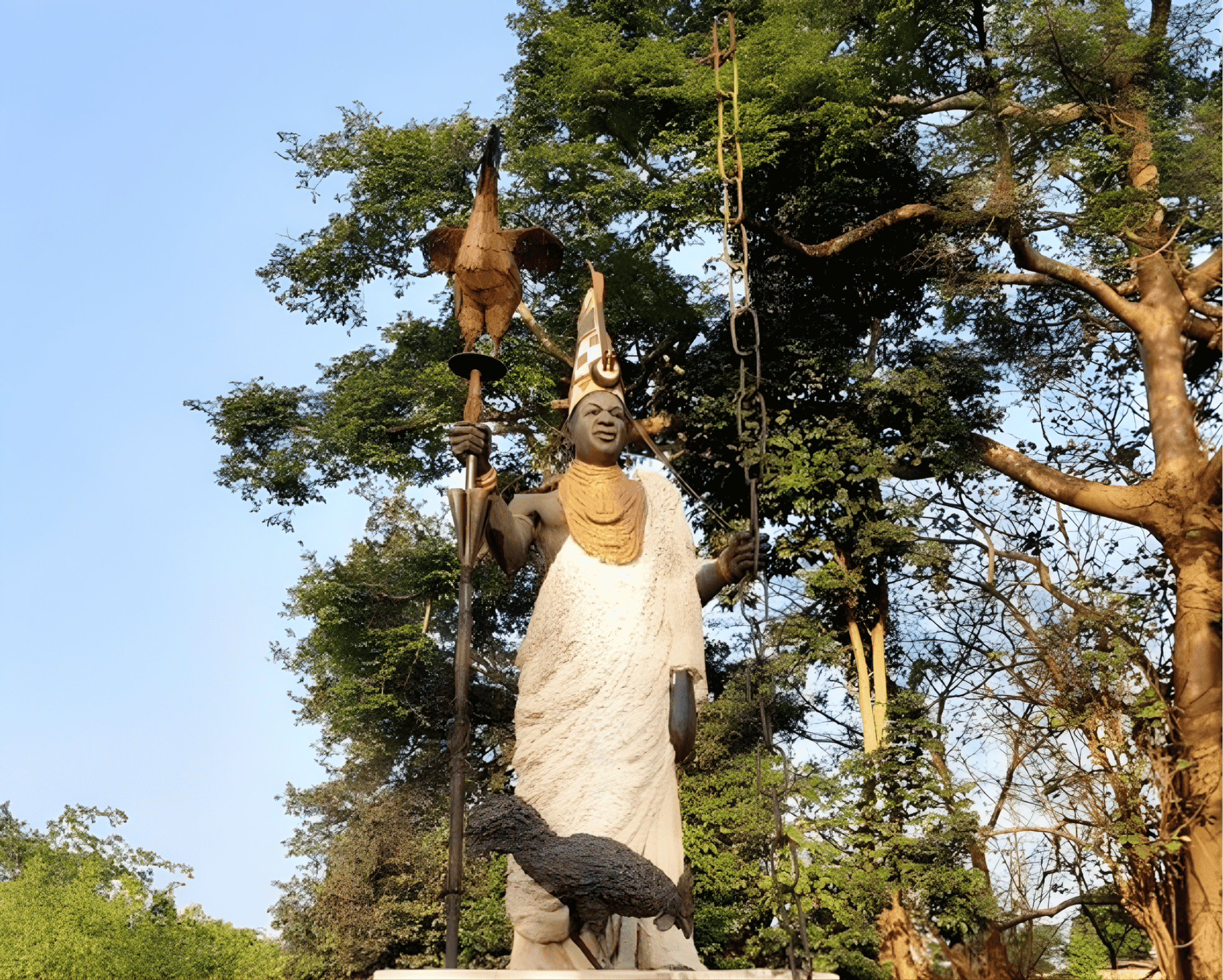
Oduduwa’s Role as the First King
After creating the land, Oduduwa became the first ruler of Ile-Ife. Traditional accounts say he established the system of kingship that still exists today.
Most Yoruba royal lineages trace their authority back to him. The Ooni of Ife is regarded as the direct spiritual successor. Other kings, including those of Oyo, Ijebu, and many more, claim descent through sons or grandsons of Oduduwa.
This shared ancestry helps explain why the Yoruba see themselves as one people despite having many independent towns and kingdoms.
Traditional Yoruba View of Oduduwa
For traditionalists, Oduduwa is not just a story. He is a real divine ancestor whose spirit continues to influence the living.
Festivals, especially in Ile-Ife, reenact parts of the creation. The Ooni’s sacred regalia and certain rituals keep the connection alive.
Many families include Oduduwa in their oriki (praise poetry). Calling on him affirms identity and invokes protection and good fortune.
In this view, questioning whether he “really existed” misses the point. The story carries truth about origins, order, and belonging.
What Historians Say About the Legend
Modern historians approach the story carefully. Most agree that the sky-descent account is mythological. It explains creation and political legitimacy in symbolic language.
Some scholars suggest Oduduwa may have been a historical leader or a composite of several early figures who migrated to the Ife area around the first millennium CE. Theories include possible origins from the east or northeast of present-day Yorubaland.
Archaeological evidence at Ile-Ife shows a sophisticated urban center with advanced art and metalwork by the 11th–15th centuries. This supports the idea that Ife was a real political and cultural hub, even if the exact founder remains legendary.
Historians generally treat Oduduwa as a powerful foundational myth that helped unite diverse groups under a shared identity.
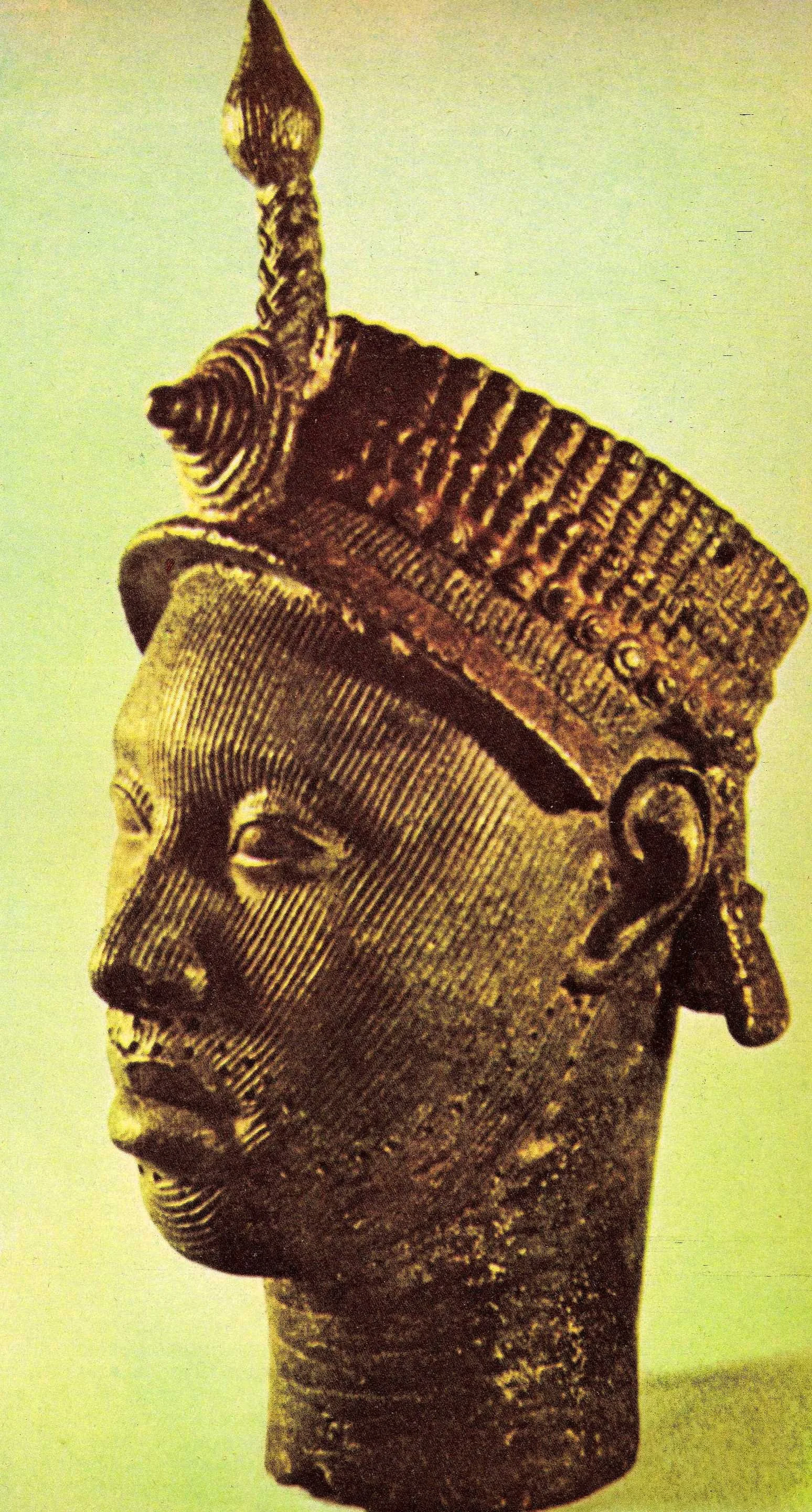
Oduduwa in Modern Yoruba Identity
In 2026, Oduduwa remains highly relevant. Politicians, cultural groups, and ordinary people still invoke his name when discussing unity, leadership, and heritage.
The idea of a common origin continues to foster pride across Yoruba communities in Nigeria, Benin, Togo, and the diaspora.
At the same time, younger generations blend the traditional story with historical research. They see both the spiritual power of the myth and the value of understanding real historical processes.
Oduduwa thus functions as both sacred ancestor and cultural symbol.
Common Questions Answered
Was Oduduwa a real person?
Traditional belief treats him as a divine ancestor. Most historians view the full sky-descent story as myth, though some accept that a historical leader or leaders may stand behind the legend.
Why is Ile-Ife so important in the Oduduwa story?
Ile-Ife is presented as the first solid land and the place where kingship began. It remains the spiritual center of the Yoruba world.
What is the difference between Oduduwa and Obatala in the creation story?
Obatala was originally given the task but failed due to palm wine. Oduduwa completed the creation and became the first ruler.
Do all Yoruba kings really descend from Oduduwa?
In traditional ideology, yes. Royal genealogies link most major crowns back to him. This shared claim strengthens political and cultural unity.
How do people honor Oduduwa today?
Through festivals in Ile-Ife, oriki, royal rituals, and cultural celebrations that keep the origin story alive.
Is the Oduduwa story unique to the Yoruba?
Similar sky-descent or divine-founder myths exist in other West African cultures, but the specific details and the central role of Ile-Ife are distinctly Yoruba.
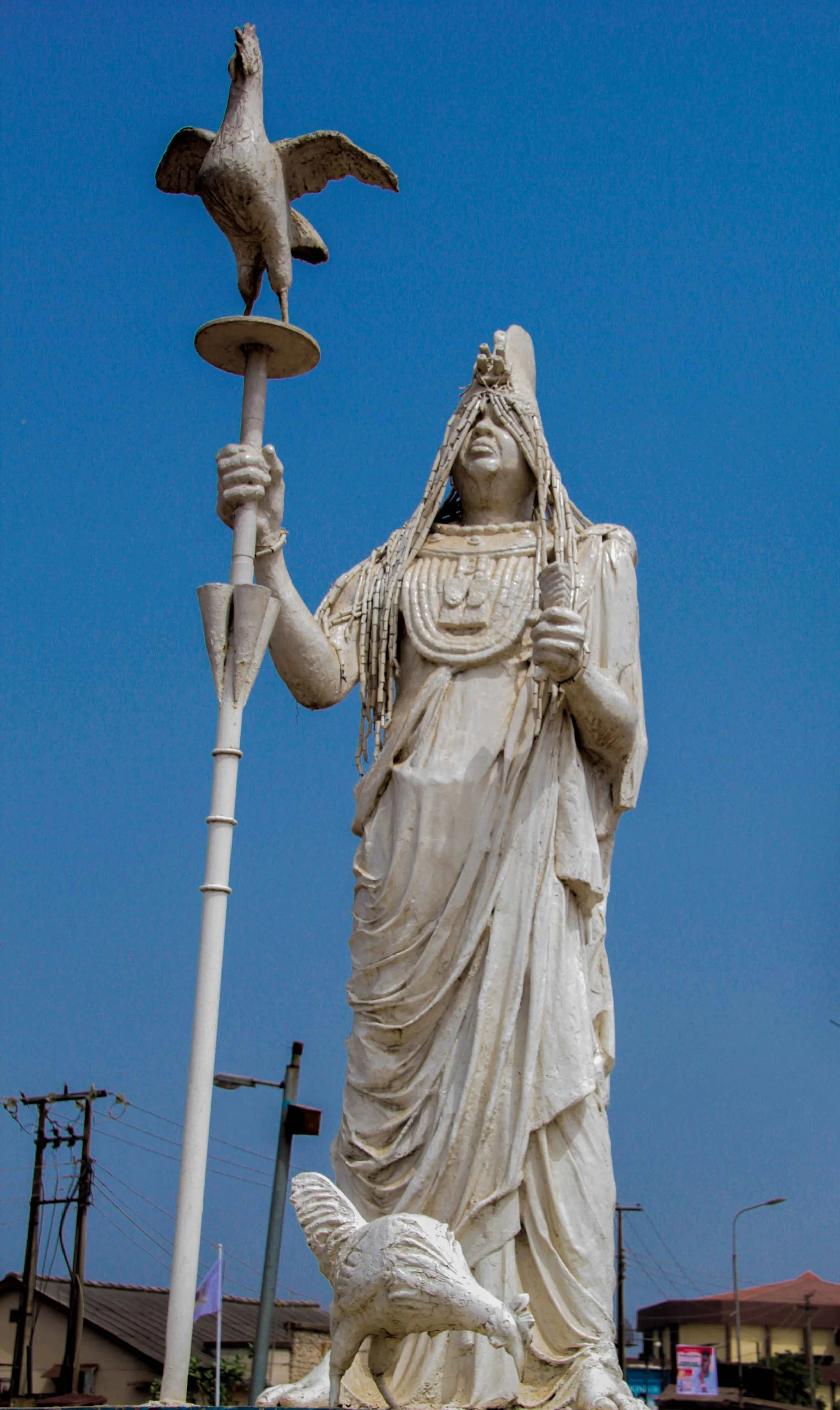
Final Thoughts: Why Oduduwa Still Matters
Whether viewed as myth, history, or both, Oduduwa remains the cornerstone of Yoruba origin stories. The tale of the chain, the soil, and the chicken continues to explain where the people come from, why kingship matters, and how a shared past can hold a diverse nation together. Understanding Oduduwa gives deeper insight into Yoruba identity and the power of foundational stories that still shape lives today.
Ready to Explore More Yoruba Origins?
NKENNE brings authentic Yoruba history, language, and culture to life. Dive deeper into Ile-Ife, the Oyo Empire, oriki, or everyday traditions that connect past and present. Join our community for clear guides, cultural insights, and practical ways to engage with your heritage. Your journey into Yoruba roots continues here. 😊