
Ile-Ife: The Cradle of Humanity According to Yoruba Myth & What It Really Means Today
By: Chimdindu Ken-Anaukwu
Many people hear "cradle of humanity" and think of scientific sites in East Africa. In Yoruba tradition, that title belongs to Ile-Ife. This ancient city in Osun State holds the story of creation itself, where Oduduwa descended from the sky to form solid ground from endless waters. For millions of Yoruba people, Ile-Ife is not just a place on the map. It is the spiritual starting point of existence, kingship, and culture. This guide explores the myth of Oduduwa's descent, why Ile-Ife remains sacred, and how modern Yoruba view it amid global ideas about human origins. You will see how this belief shapes identity even now.
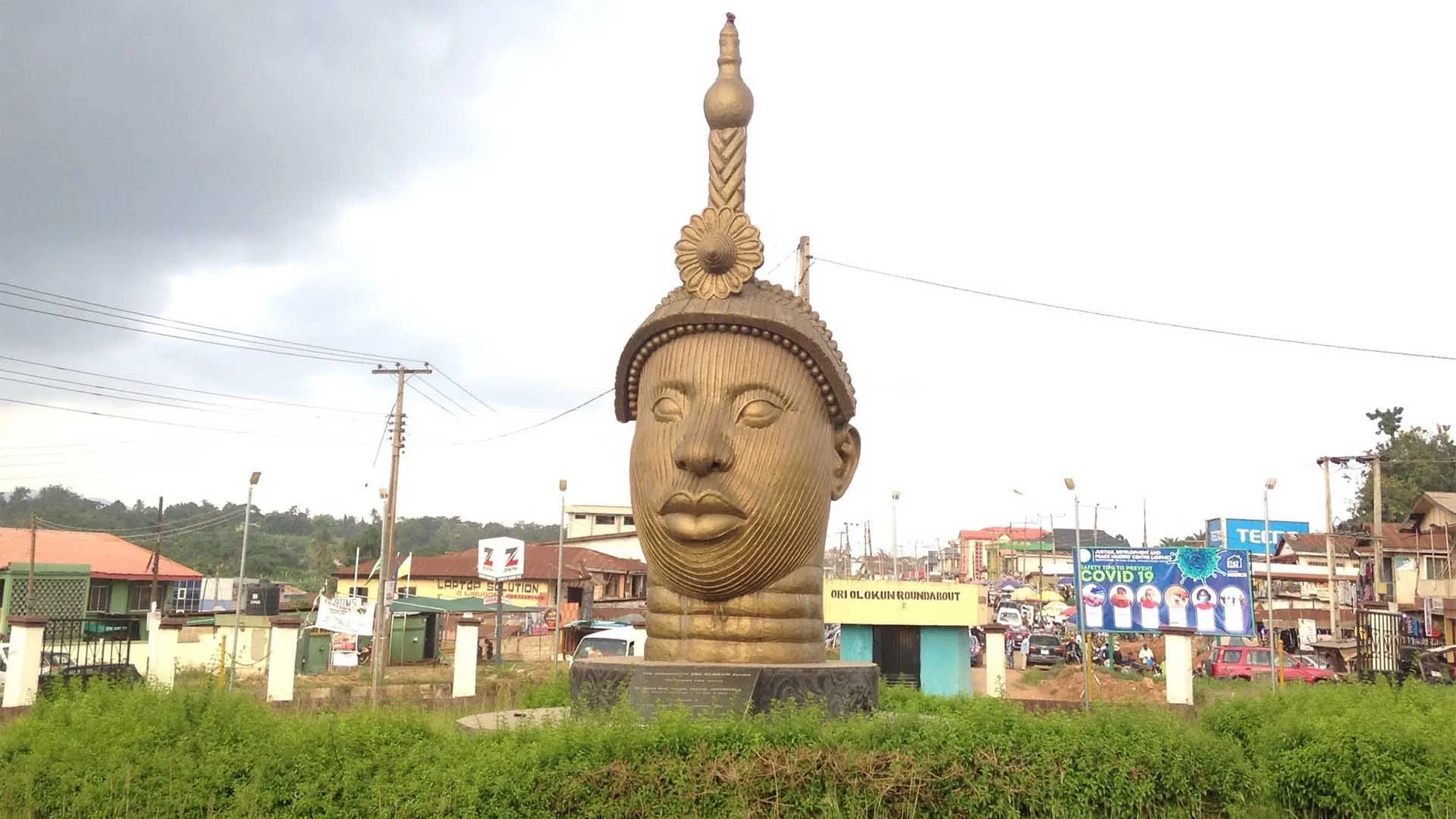
The Core Creation Myth: Oduduwa's Descent from the Sky
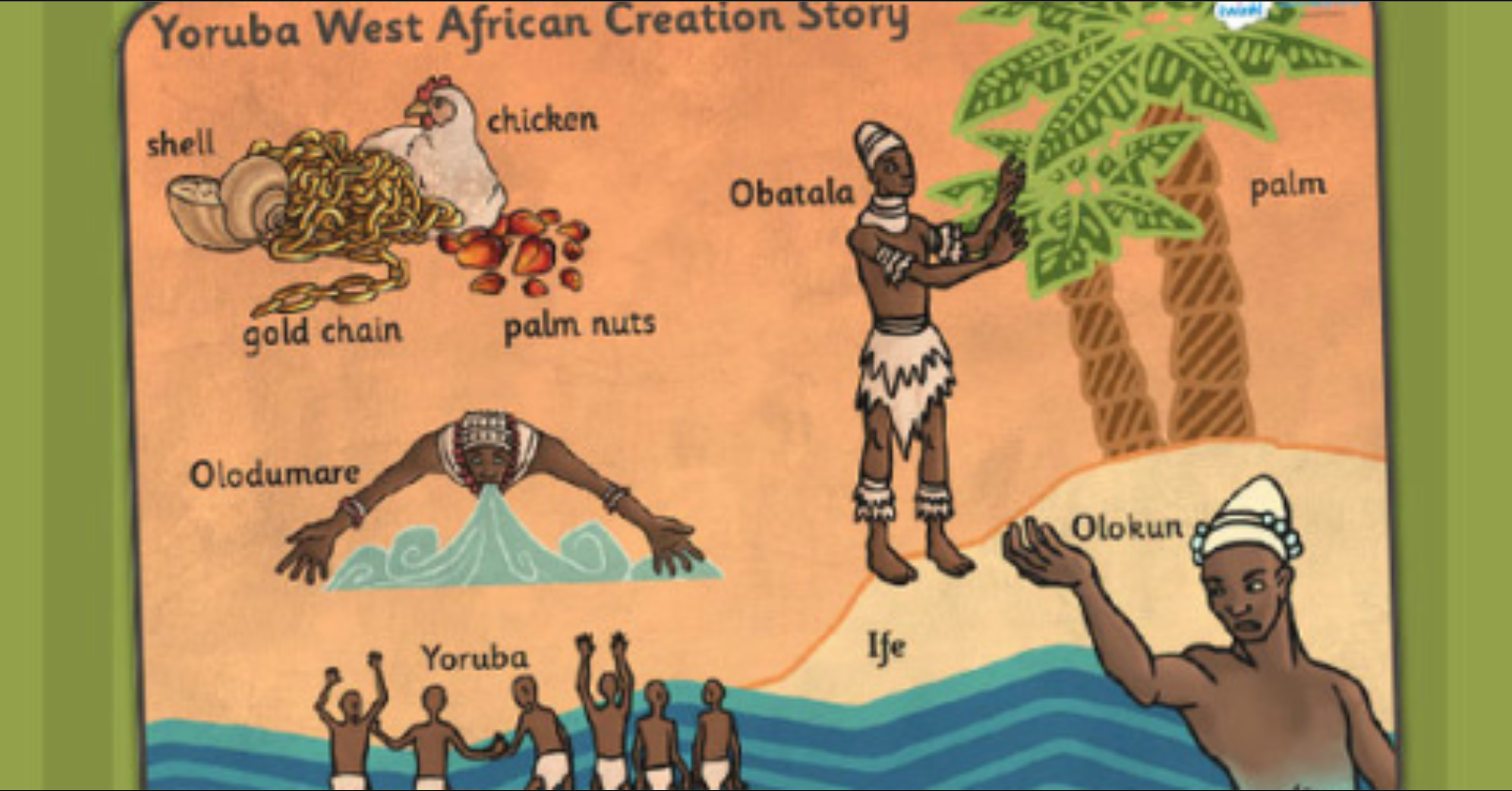
In Yoruba cosmology, the world began as a vast watery expanse under Olodumare, the supreme deity.
Olodumare tasked Obatala with creating dry land and people. Obatala got distracted by palm wine and failed.
Oduduwa, often seen as his younger brother or a divine figure, stepped in. He received a chain from heaven, a handful of earth, a five-toed chicken, and sometimes a palm nut.
Oduduwa descended on the chain to the watery surface. He scattered the earth to form the first land at Ile-Ife. The chicken scratched and spread it further, creating solid ground.
This act marked the birth of Ile-Ife, the place where creation unfolded.
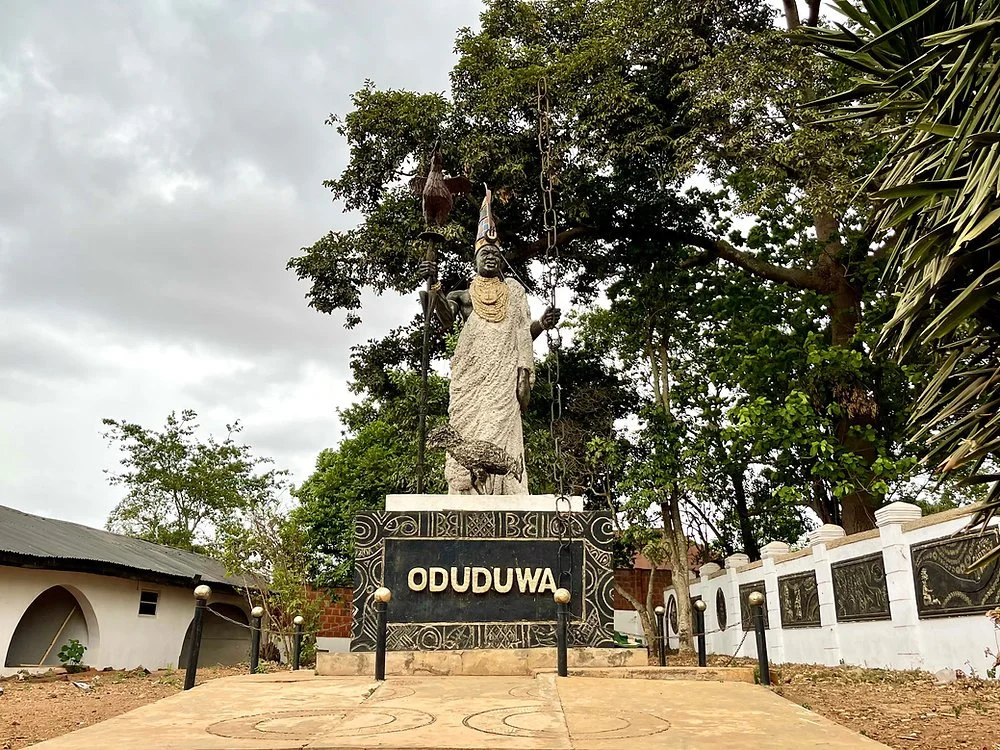
Key Elements in the Legend and Their Symbolism
The chain represents the link between heaven and earth.
The handful of earth symbolizes the raw material of creation.
The chicken spreads land, showing how small actions build the world.
The palm nut plants growth, linking to fertility and life.
These items appear in rituals and stories across Yorubaland.
Oduduwa's role as creator or completer of creation sets him apart. He becomes the first divine king, the Ooni of Ife.
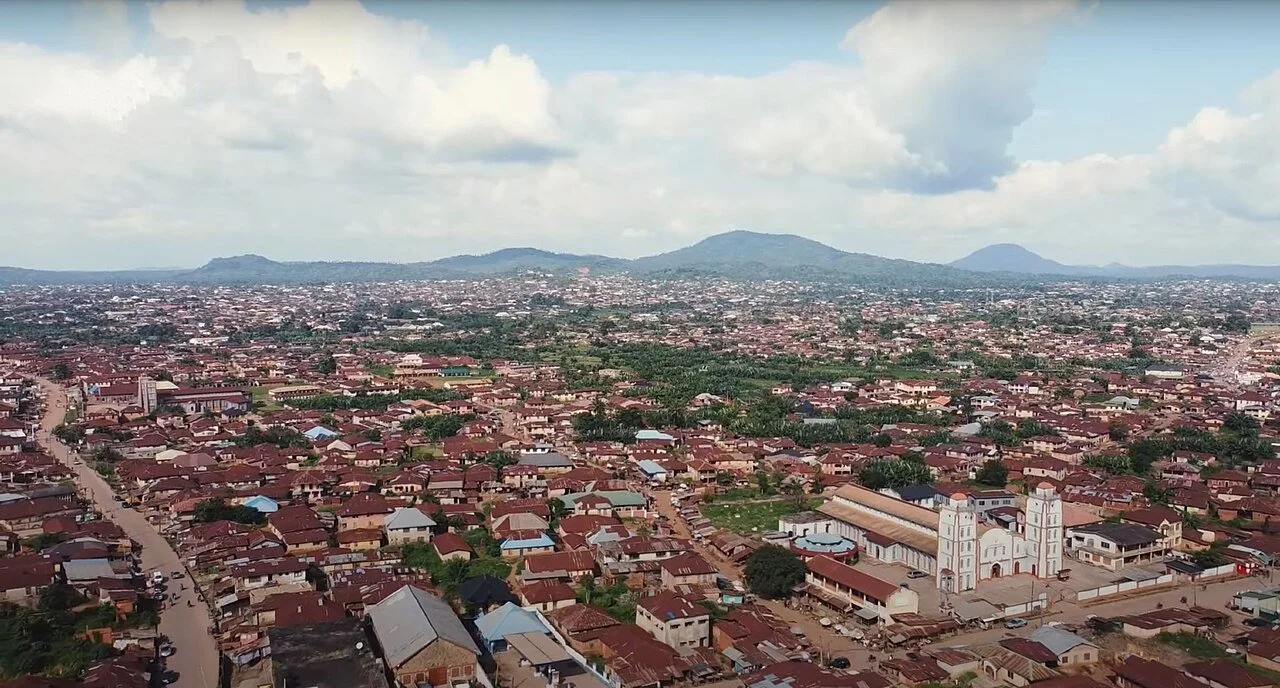
Why Ile-Ife Became the Sacred Center
Ile-Ife translates to "land of expansion" in Yoruba.
Tradition calls it "Ilé-Ifẹ̀ orírun ayé," the source origin of the world, where dawn begins.
It is the spiritual home where gods descended and humanity spread.
Kings from Oyo, Benin, Ijebu, and others trace lineage to Oduduwa here.
The city houses sacred groves, shrines, and the Ooni's palace.
Every Yoruba subgroup respects Ife as untouchable in conflict.
This reverence stems from its role as the dispersal point for Yoruba civilization.
Historical and Spiritual Role in Yoruba Society
Ife flourished as a center of art and power from around 1000 CE.
Bronze heads and terracotta works from Ife show advanced craftsmanship.
The Olojo Festival reenacts creation, with the Ooni wearing sacred crowns.
It reaffirms the chain from Oduduwa to current rulers.
Spiritual practices include offerings at groves like Oduduwa Grove.
Ife validates authority for Yoruba kings everywhere.
Modern Yoruba Perspectives on Ile-Ife
Today, Ile-Ife remains a pilgrimage site for Yoruba worldwide.
Many see it as proof of divine Yoruba origins.
In cities like Port Harcourt, people reference Ife in naming, festivals, and identity.
The Ooni promotes cultural unity and tourism.
Younger generations blend it with education and global views.
It fosters pride amid modernization.
Some use it to counter narratives that diminish African origins.
Ile-Ife in Global Human Origins Discussions
Scientific views place human origins in East Africa millions of years ago.
Yoruba myth offers a spiritual parallel, not a literal timeline.
Both speak to beginnings and dispersal.
Ile-Ife's story emphasizes order from chaos and divine intent.
It invites dialogue between faith and science.
For Yoruba people, it affirms unique heritage in a connected world.
Common Questions Answered
Who is Oduduwa in Yoruba tradition?
Oduduwa is the divine progenitor who descended from heaven to create land at Ile-Ife. He founded kingship and is ancestor to many Yoruba rulers.
Why do Yoruba call Ile-Ife the cradle of humanity?
Myth says creation started there. Oduduwa formed the first land, and humanity expanded from it. It is the spiritual origin point.
Is the myth literal or symbolic?
Most see it as symbolic of order, respect for origins, and divine kingship. It guides culture more than history.
How does the Ooni connect to Oduduwa today?
The Ooni is direct descendant in tradition. Festivals like Olojo renew this link.
Can non-Yoruba visit Ile-Ife's sacred sites?
Yes, many welcome respectful visitors. The city shares heritage through festivals and museums.
Does this myth conflict with science?
No direct conflict. It offers cultural meaning while science explains physical origins.
Final Thoughts: Ile-Ife's Enduring Place in Yoruba Identity
Ile-Ife stands as more than an ancient city. It is the living anchor of Yoruba worldview, where sky met earth and life began. The story of Oduduwa's descent reminds people of divine purpose, expansion, and connection to ancestors. In modern times, it fuels pride, unity, and curiosity about roots. Knowing this strengthens cultural grounding no matter where you live.