
Soup Joumou: The Freedom Soup That Tastes Like Independence
By: Chimdindu Ken-Anaukwu
On January 1, 1804, Haitians claimed their freedom after the only successful slave revolt in history. That same day, they cooked a soup that had once been forbidden to them.
Soup Joumou is more than a meal. It is a bowl of history, pride, and resilience. This guide gives you a clear, authentic recipe plus the story that makes every spoonful meaningful. You will learn how to prepare it at home and why Haitians still gather around it every New Year’s Day.
The Revolutionary History Behind Soup Joumou
Under French colonial rule, pumpkin soup was a dish reserved for the enslavers. Enslaved Africans were not allowed to eat it.
After Haiti declared independence on January 1, 1804, the newly free people prepared Soup Joumou as a powerful act of reclaiming what had been denied. It became the official dish of Haitian Independence Day.
Today, families across Haiti and the diaspora cook large pots of it every January 1. Sharing the soup is both celebration and remembrance. The act of eating it together keeps the story of freedom alive.
What Makes Soup Joumou Special
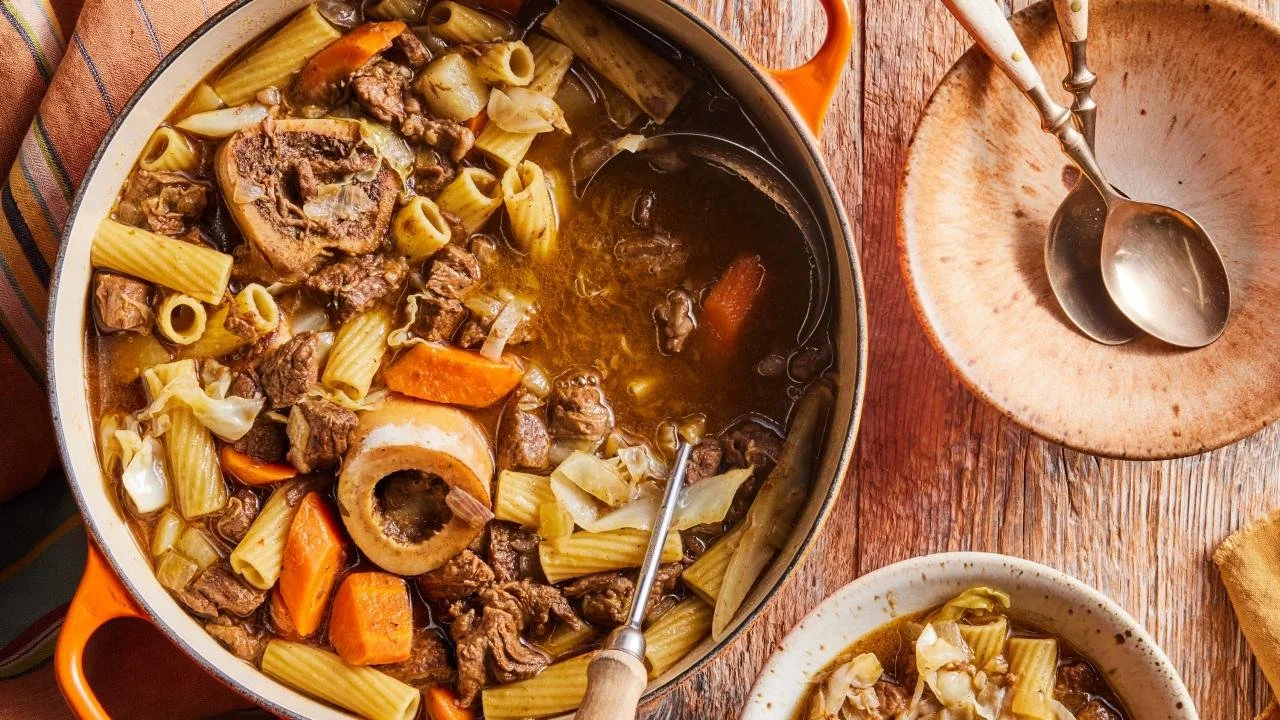
The base is joumou, a Caribbean pumpkin or winter squash with mild, slightly sweet flesh. Combined with beef, root vegetables, pasta or dumplings, and a bright mix of herbs and spices, the soup is hearty, fragrant, and deeply satisfying.
It is traditionally thick enough to feel substantial yet still soup-like. The flavor balances savory meat, earthy squash, and fresh green notes from parsley, thyme, and scallions.
Ingredients You’ll Need
For the meat and broth (serves 8–10):
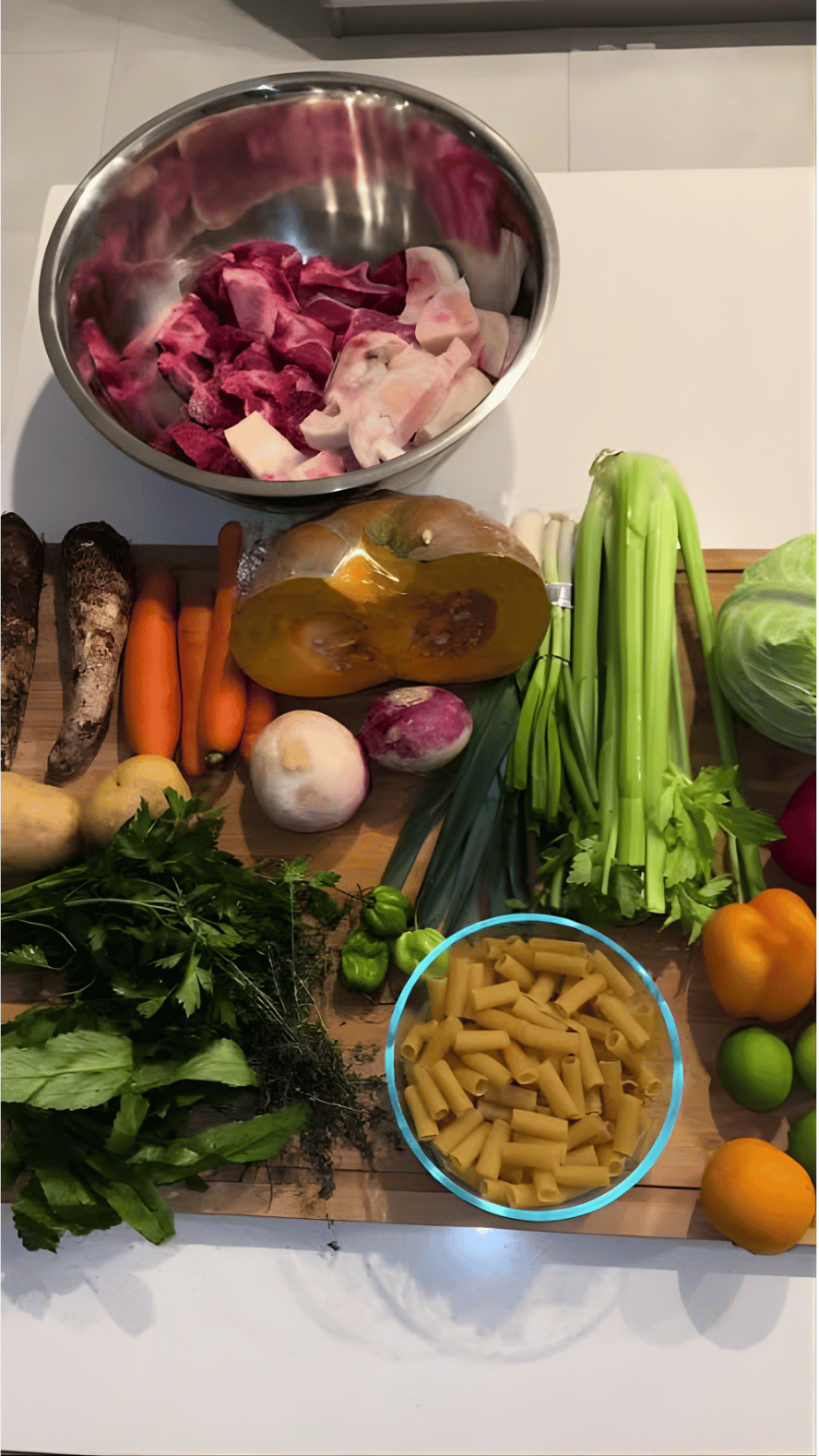
2–3 lbs beef stew meat or bone-in beef (chuck or short ribs work well)
1 large joumou (Caribbean pumpkin) or 3–4 lbs calabaza/kabocha squash, peeled and cubed
2–3 carrots, peeled and sliced
2–3 potatoes, peeled and cubed
1–2 turnips or malanga (optional but traditional)
1 large onion, chopped
4–6 garlic cloves, minced
2–3 scallions, chopped
1 green bell pepper, chopped
Handful of fresh parsley
2–3 sprigs fresh thyme
1–2 Scotch bonnet or habanero peppers (whole, for flavor — do not burst unless you want heat)
2–3 cloves
1–2 tsp ground cloves or a few whole cloves
Salt and black pepper to taste
Juice of 1 lime or sour orange
8–10 cups water or beef stock
Optional additions:
1 cup small pasta (vermicelli, elbows, or broken spaghetti) or dumplings
1–2 tbsp tomato paste for deeper color
Step-by-Step Recipe
Prepare and season the meat
Wash the beef with lime or vinegar. Season generously with salt, pepper, garlic, scallions, and a bit of thyme. Let it marinate 30 minutes to overnight if possible.Brown the meat
In a large heavy pot, heat a little oil. Brown the beef on all sides. This builds flavor for the broth.Build the broth
Add water or stock to cover the meat. Bring to a boil, then lower to a simmer. Skim any foam. Add the whole Scotch bonnet, thyme sprigs, and cloves. Cook until the meat is tender (about 1–1½ hours).Add the vegetables
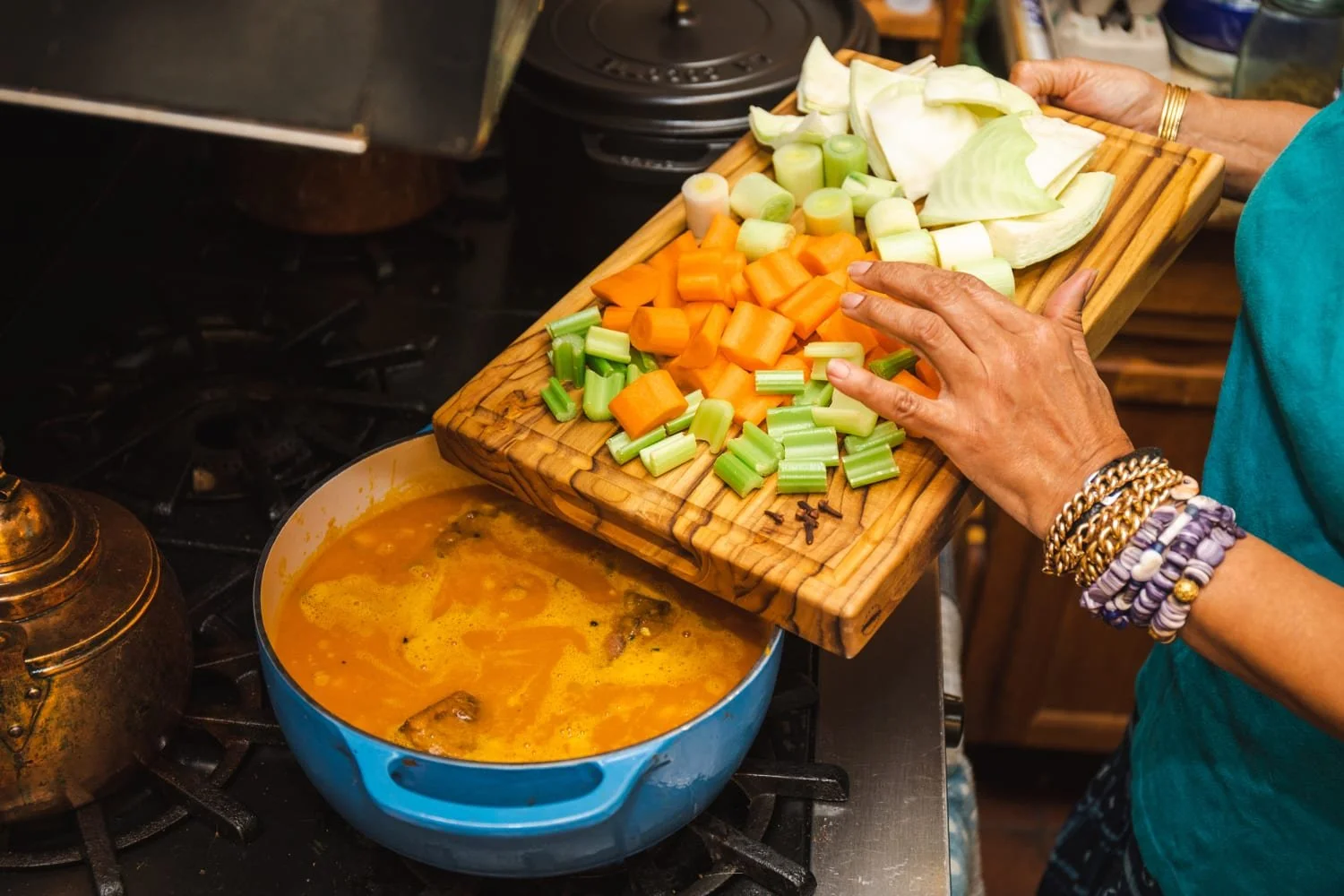
Add the cubed joumou, carrots, potatoes, turnips, onion, and bell pepper. Simmer until the squash is very soft and beginning to break down (20–30 minutes).Blend for body (traditional method)
Remove some of the soft squash and blend it with a bit of broth until smooth. Return the puree to the pot. This thickens the soup naturally and gives it the classic texture.Finish the soup
Add pasta or dumplings if using. Taste and adjust salt, pepper, and lime juice. Simmer a few more minutes until the pasta is cooked. Remove the whole pepper and thyme stems before serving.
Tips for the Best Flavor and Texture
Use real joumou or calabaza when possible; the flavor is milder and earthier than regular orange pumpkin.
Do not over-blend. Some chunks of vegetable should remain.
The Scotch bonnet adds aroma without extreme heat if left whole.
Make it a day ahead. The flavors deepen overnight.
Adjust thickness with extra broth or more pureed squash.
How Haitians Serve and Celebrate It
Soup Joumou is traditionally served hot on January 1 with bread or rice on the side. Families often cook large quantities to share with neighbors and visitors.
It is common to eat it for breakfast, lunch, or throughout the day. The act of preparing and sharing the soup remains a living ritual of gratitude and independence.
Common Questions About Soup Joumou
Can I make it without meat?
Yes. Use vegetable stock and add extra root vegetables or beans for substance. The spirit of the dish remains.
What if I cannot find joumou?
Kabocha, calabaza, or butternut squash are the closest substitutes.
How spicy is traditional Soup Joumou?
It is usually aromatic rather than fiery. Heat is optional and controlled by the whole pepper.
Can I freeze leftovers?
Yes. It freezes well for up to 3 months. Reheat gently and adjust seasoning.
Is it only eaten on January 1?
It is most meaningful on Independence Day, but many families enjoy it year-round as a comforting meal.
Bringing the Tradition to Your Table
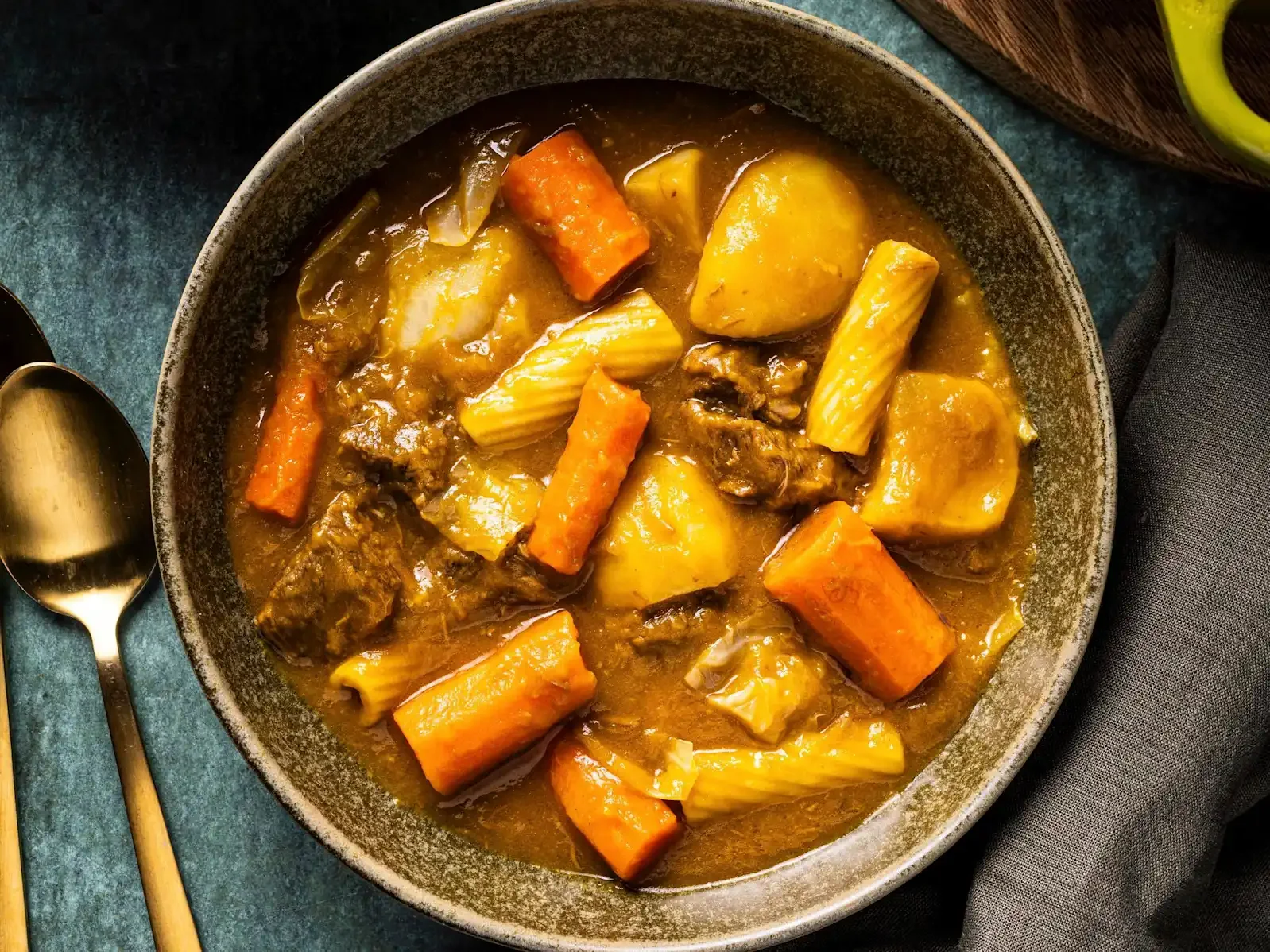
Soup Joumou carries the taste of hard-won independence in every bowl. Cooking it connects you to a powerful Haitian story of resistance, pride, and community.
Whether you prepare it for New Year’s Day or a regular weeknight, you are participating in a living tradition.
At NKENNE, we share the cultures and flavors of Africa and the diaspora so these stories stay alive and accessible. Explore more Haitian recipes, language guides, and cultural pieces.
Which part of the Soup Joumou story or recipe will you try first? Share your experience in the comments; your version might inspire someone else to cook their own bowl of freedom.