
Kinshasa Street Style: Fashion, Sapologie, and the Lingala Swagger Code
By: Chimdindu Ken-Anaukwu
Walk down a busy avenue in Kinshasa and you spot him immediately. A man in a perfectly tailored suit, crisp shirt, bold tie, and shoes that shine like mirrors. He moves with confidence, turning heads without saying a word. That is the essence of La Sape, the Congolese art of dressing impeccably as a statement of pride and quiet resistance.
La Sape stands for Société des Ambianceurs et des Personnes Élégantes. It translates to the Society of Ambiance-Makers and Elegant People. This movement goes far beyond clothes. It embodies dignity in tough times, creativity amid hardship, and a unique swagger that blends European tailoring with pure Congolese flair.
In this guide, discover the roots of La Sape, its role as resistance, key Lingala slang for style, how music videos spread the look, and fresh twists in today's urban youth culture.
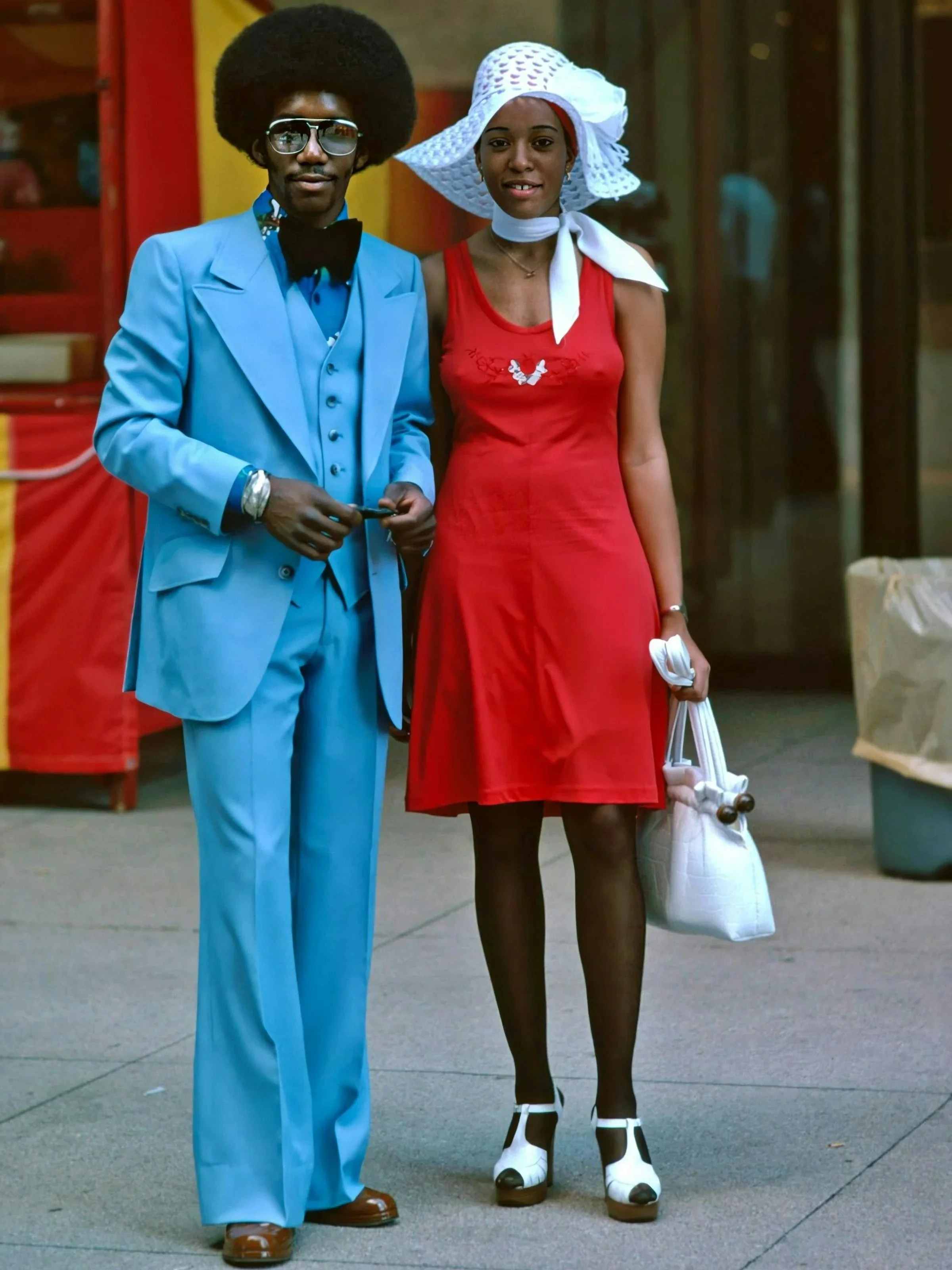
The Roots of La Sape in Congolese History
La Sape began in the 1920s in Brazzaville and soon crossed the river to Kinshasa. During colonial times, young Congolese men adopted European suits and styles from the colonizers. They reworked them with local creativity.
After independence in the 1960s, the movement grew stronger. Young people traveled to Paris and London, brought back designer pieces, and made them their own. Papa Wemba, the legendary musician, played a huge role in the 1970s. He revived and popularized La Sape through his band and personal style, turning it into a cultural force.
It started as a way to claim dignity when systems tried to deny it. Today it remains a living tradition in the streets of Kinshasa.
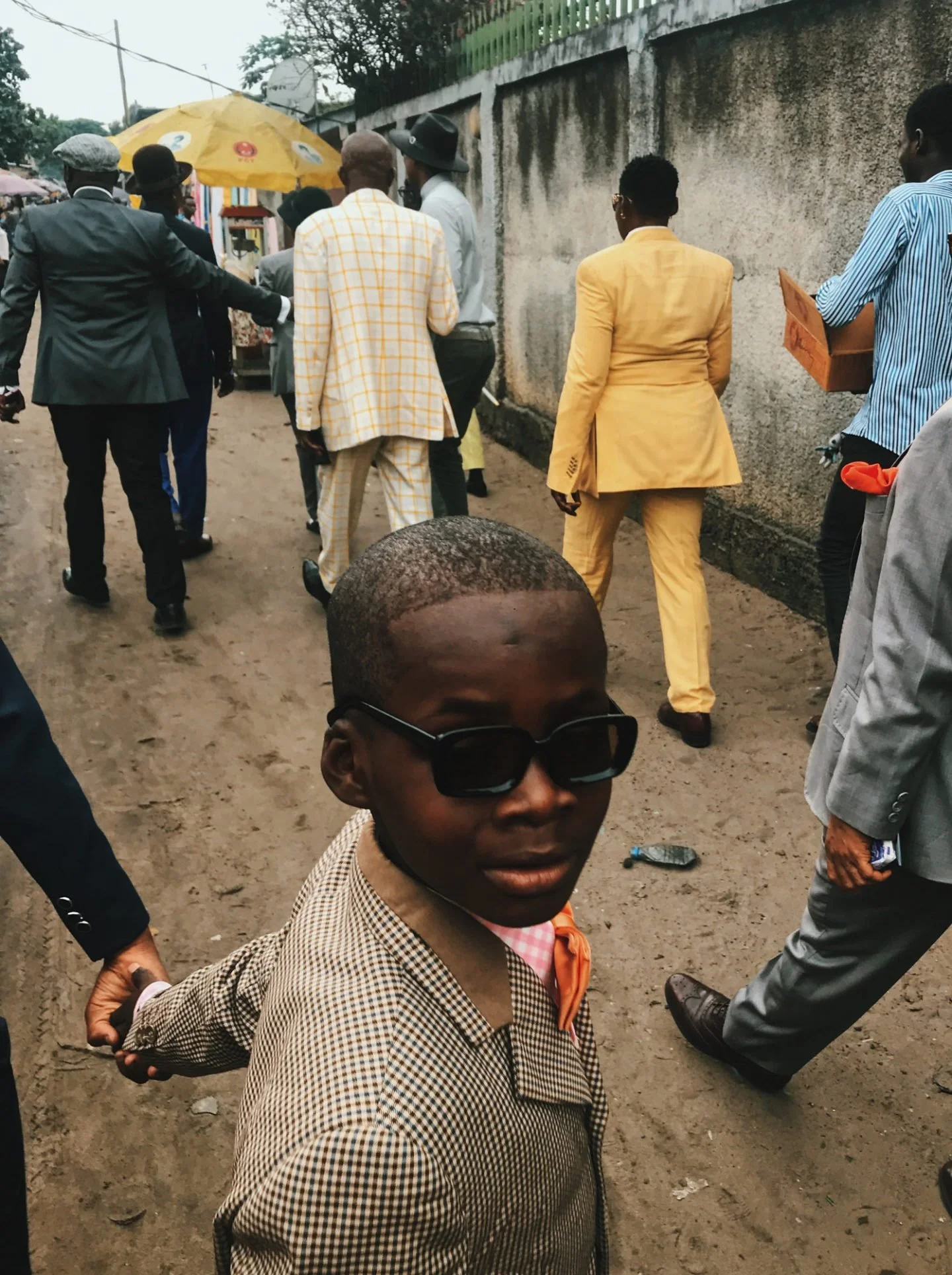
Why Dressing Sharp Became an Act of Resistance
Under Mobutu Sese Seko's rule, the policy of authenticité pushed for African values and banned European clothing. Sapeurs pushed back by dressing even sharper. They chose bright colors, bold patterns, and perfect fits as a form of defiance.
In times of economic struggle and political tension, a sharp outfit declared: I have worth. I create beauty despite everything. Sapeurs often saved for months or years to buy one designer piece. The sacrifice itself became part of the statement.
This was never just about looking rich. It was about reclaiming agency and turning limited resources into something powerful and elegant.
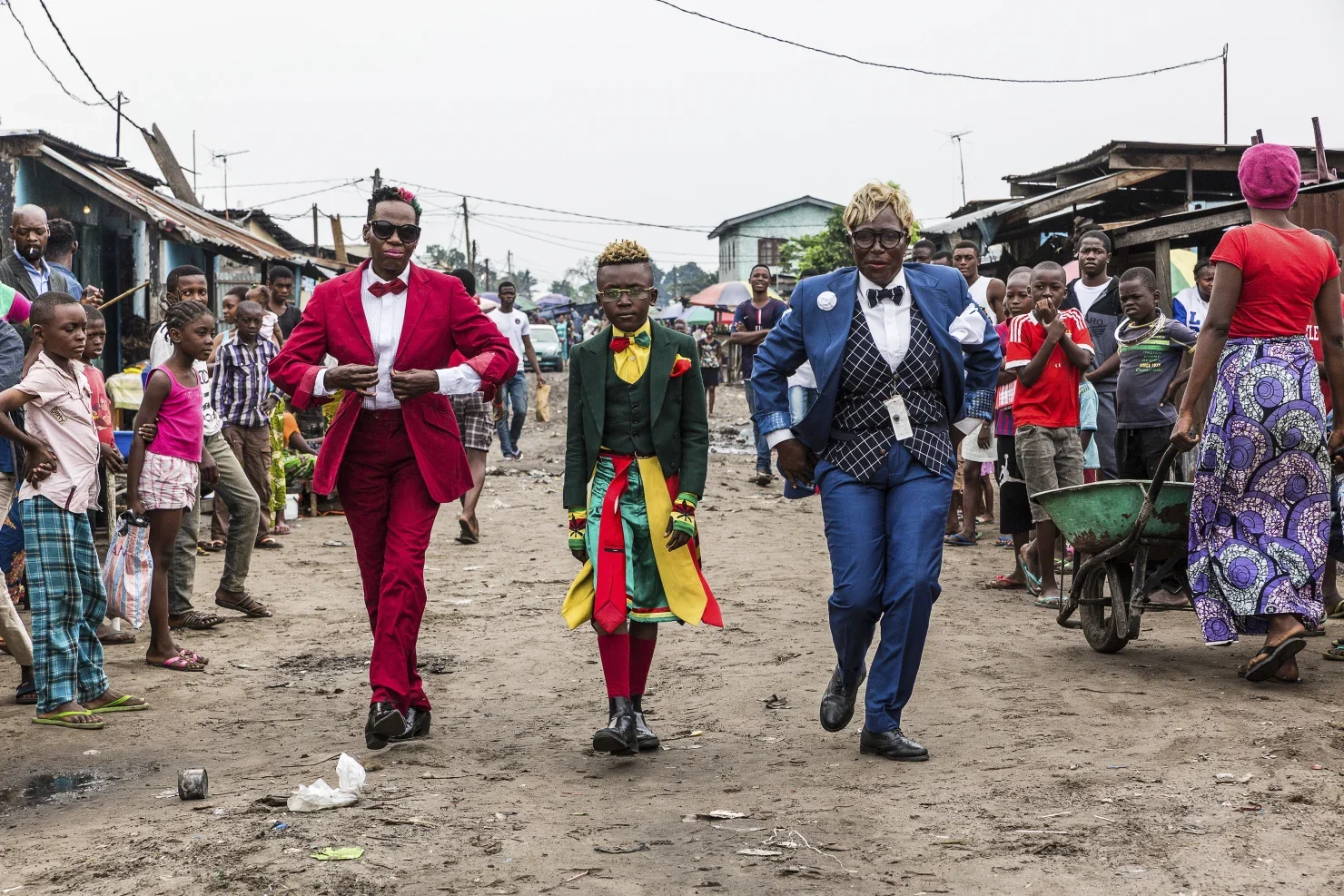
Sapologie Rules: The Code of Elegance
Sapologie is the philosophy behind the look. It demands attention to every detail.
Colors must clash in clever, harmonious ways.
Labels matter, but fit and attitude matter more.
Shoes are sacred. They must shine.
Movement is key. Walk with confidence, known as the "sapeur stroll."
Sapeurs and sapeuses (women who join the movement) follow an unspoken code. No mixing certain brands. Always coordinate from head to toe. The goal is to create ambiance wherever you go. You do not just wear clothes. You perform elegance.
Lingala Slang That Captures the Swagger
Lingala adds flavor to the style talk.
"Kitoko" means beautiful or fine. People say "ozali kitoko" for you look sharp.
"Swag" or "style" often mixes with French, but pure Lingala terms like "elegance" or "ambiance" show up in praise.
"Bwana kitoko" describes a well-dressed gentleman with pleasant vibes.
Compliments flow like "Na lingi style na yo" (I like your style).
In daily street chat, someone might call out "Sapeur ya solo!" to recognize real elegance. These words turn fashion into conversation and connection.
Music Videos: How Soukous and Ndombolo Amplified La Sape
Congolese music and La Sape grew together. Papa Wemba used his videos and stage looks to showcase the style. Soukous stars dressed impeccably, with sharp suits and colorful accessories.
In the 1990s, Ndombolo brought faster energy. Artists like Koffi Olomidé and Wenge Musica appeared in videos wearing bold designer pieces. The dance moves paired perfectly with the swagger. Cameras zoomed on tailored jackets, shiny shoes, and confident poses.
These videos traveled across Africa and the diaspora. They made La Sape visible worldwide and inspired young people to adopt the code. Music turned street style into global culture.
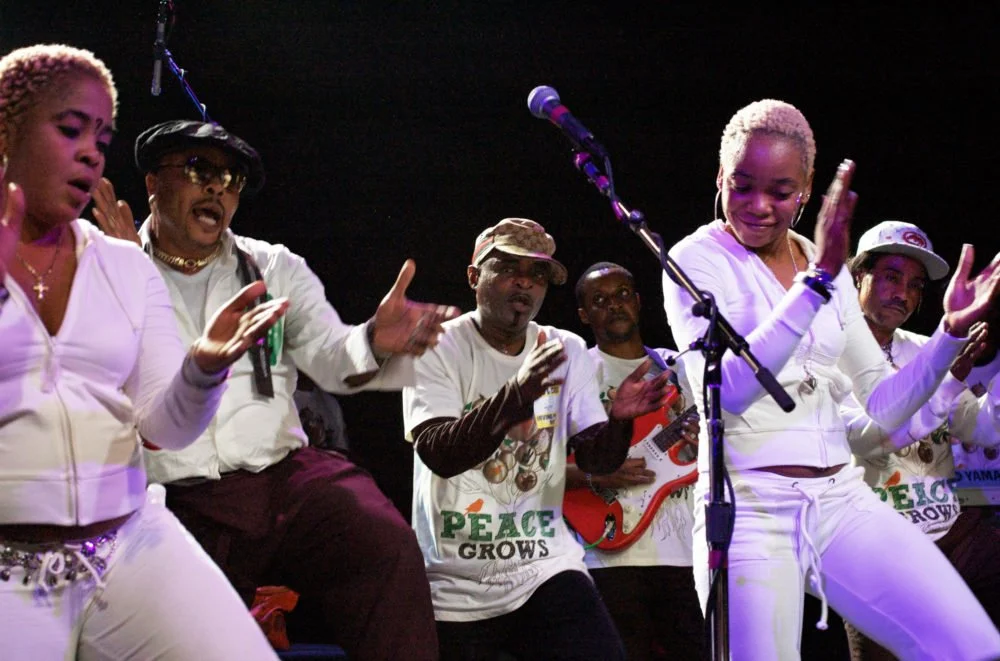
Modern Twists in Kinshasa Youth Culture
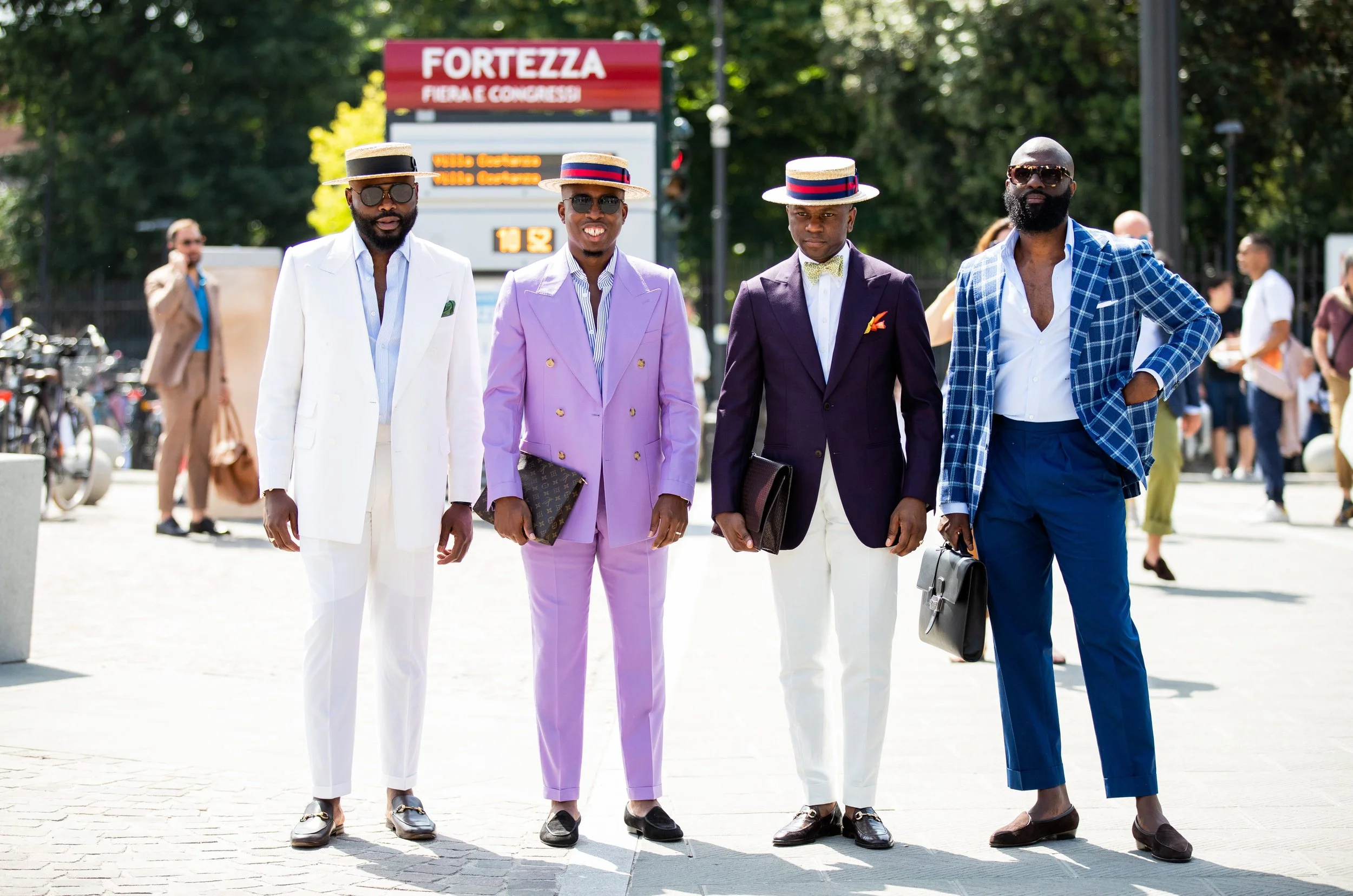
Today, La Sape evolves with the times. Young sapeurs mix vintage designer finds with local tailoring and streetwear elements. Some blend in sneakers or graphic tees while keeping the core elegance.
Women sapeuses play a bigger role, creating their own bold looks. Social media helps share outfits instantly. Diaspora communities in Paris, London, and beyond add new influences, including American street fashion.
The spirit stays the same. In a fast-changing Kinshasa, dressing with pride still declares resilience and creativity. The swagger code lives on, adapted but unbroken.
FAQs
What does La Sape actually stand for?
La Sape is short for Société des Ambianceurs et des Personnes Élégantes. It means the Society of Ambiance-Makers and Elegant People.
Who started La Sape?
It began in the 1920s during colonial times in Brazzaville and Kinshasa. Papa Wemba popularized it widely in the 1970s.
Is La Sape only for men?
No. While traditionally male-dominated, women sapeuses now participate actively with their own elegant styles.
How does La Sape connect to Lingala?
Lingala slang like "kitoko" and compliments about style are part of daily praise for well-dressed people.
Why is La Sape considered resistance?
It allowed Congolese to reclaim dignity and elegance under colonial rule and later dictatorships that tried to limit such expression.
Has La Sape changed in recent years?
Yes. Youth mix classic tailoring with modern street elements, and social media spreads new interpretations while keeping the core pride intact.
Wrapping Up: The Enduring Swagger of Kinshasa Streets
Kinshasa street style through La Sape shows that fashion can be powerful. It turns limited means into bold statements of identity and joy. The Lingala swagger code, amplified by music and carried by everyday people, reminds us that elegance is an act of courage.
Next time you see someone dressed impeccably on the streets, remember the history behind the shine. It is more than clothes. It is culture in motion.
Ready to dive deeper into Congolese fashion, music, and language? Visit NKENNE for more stories, Lingala phrases, and cultural insights that bring these traditions alive. What piece of the sapeur code will you try first?