
Food and Market Vocabulary in Cameroonian French: Ndolé, Koki, and Bargaining Like a Local
By: Chimdindu Ken-Anaukwu
Step into a bustling Cameroonian market in Yaoundé or Douala. The air fills with the scent of fresh bitter leaves, sizzling peanuts, and steaming bean cakes. Vendors call out in a lively mix of French, Pidgin English, and local languages. Here, food vocabulary goes beyond simple names. It blends Cameroonian French with Pidgin expressions that make shopping feel like a lively conversation. This guide teaches key terms like ndolé (bitterleaf stew) and koki (bean cake). You will also learn practical phrases for bargaining at markets and see how Pidgin English adds flavor to everyday talk. By the end, you will feel ready to navigate markets with confidence and connect with the culture.
Why Food Vocabulary Matters in Cameroonian French
Cameroon is officially bilingual in French and English. In francophone regions, people speak a lively version of French shaped by local languages and Pidgin English. Market talk reflects this mix. Knowing the right words helps you order food, understand vendors, and join the fun of bargaining. It also shows respect for Cameroonian culture where food brings people together.
Iconic Dishes: Ndolé and Koki
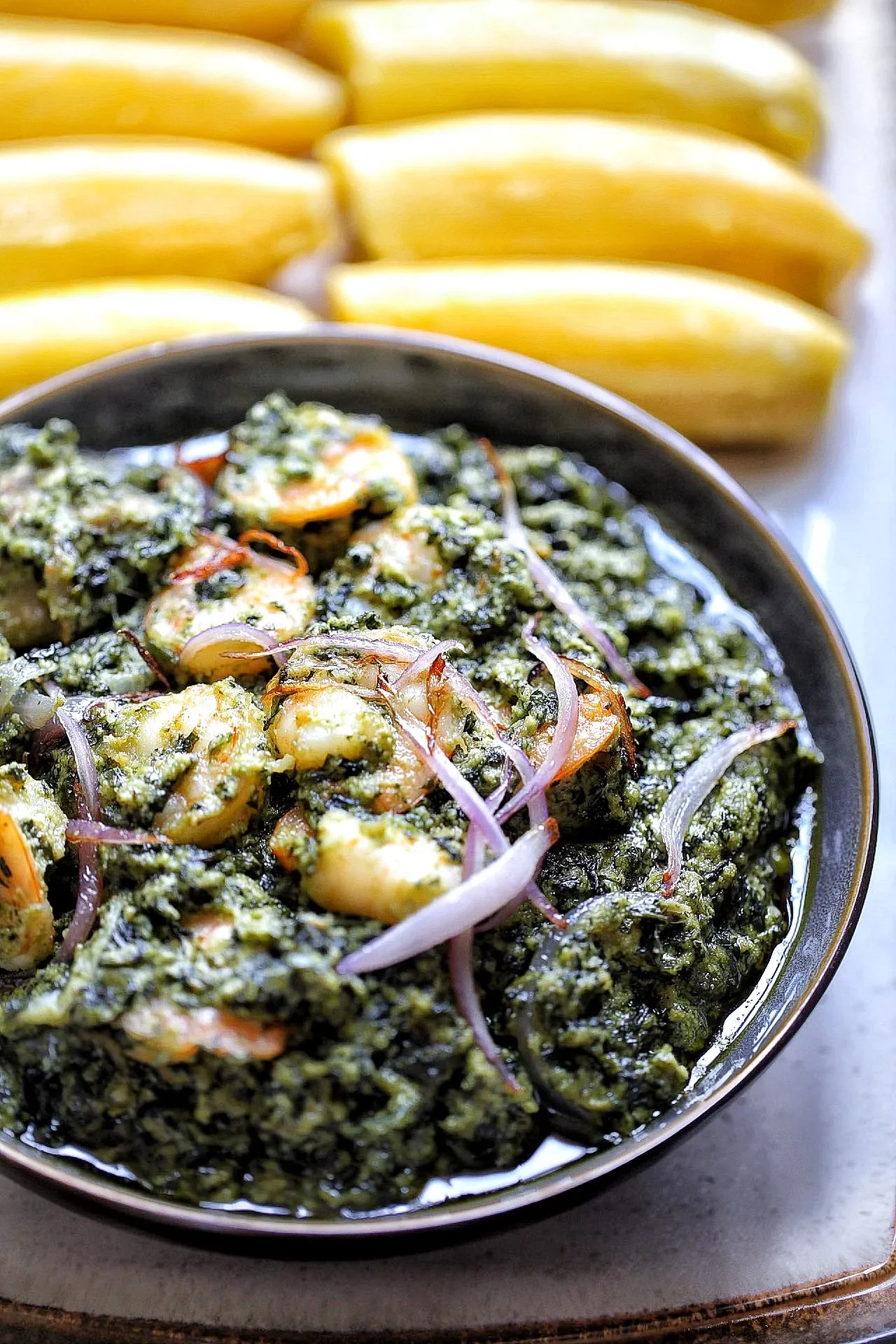
Ndolé stands out as Cameroon’s unofficial national dish. This rich stew combines bitterleaf (ndoleh), ground peanuts, crayfish, onions, garlic, and usually fish, beef, or shrimp. Locals say "un plat de ndolé" when ordering. It often comes with boiled plantains, rice, or bobolo (fermented cassava sticks).
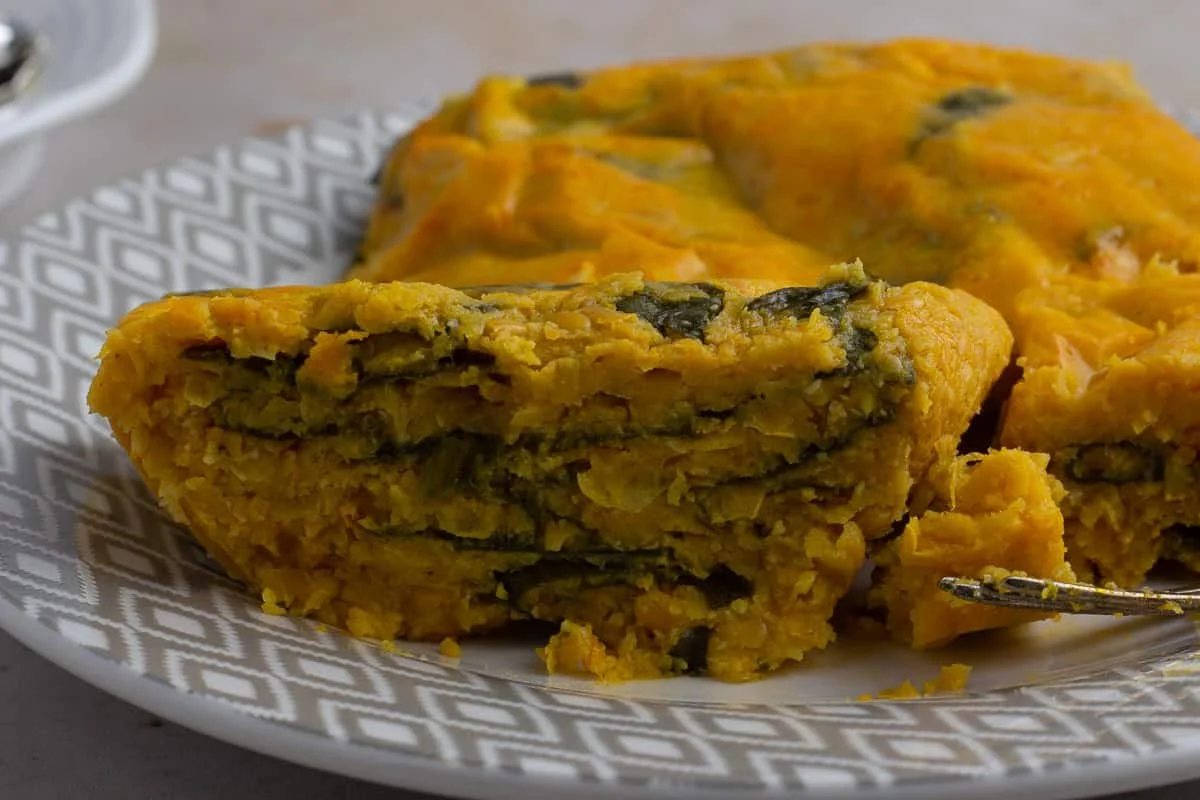
Koki is a steamed bean cake made from cowpeas or black-eyed peas mixed with palm oil, spices, and sometimes spinach. Vendors wrap it in banana leaves. Ask for "du koki" or "koki corn" during corn season. Both dishes appear at family meals, celebrations, and street spots.
Other Essential Market Food Terms
Build your vocabulary with these common items you will hear and see:
Feuilles de ndolé or bitterleaf – the star green in ndolé.
Arachides or cacahuètes – peanuts, ground for sauces.
Crevettes or crevettes séchées – dried shrimp for flavor.
Plantains – boiled, fried, or grilled as sides.
Bobolo or miondo – fermented cassava sticks.
Achu – pounded cocoyams with black soup.
Soya – grilled meat skewers, popular street snack.
Pili-pili – hot chili pepper or spicy sauce.
Vendors might say "Tu veux du ndolé avec du poisson?" (Do you want ndolé with fish?).
Bargaining Phrases in Cameroonian French and Pidgin Blends
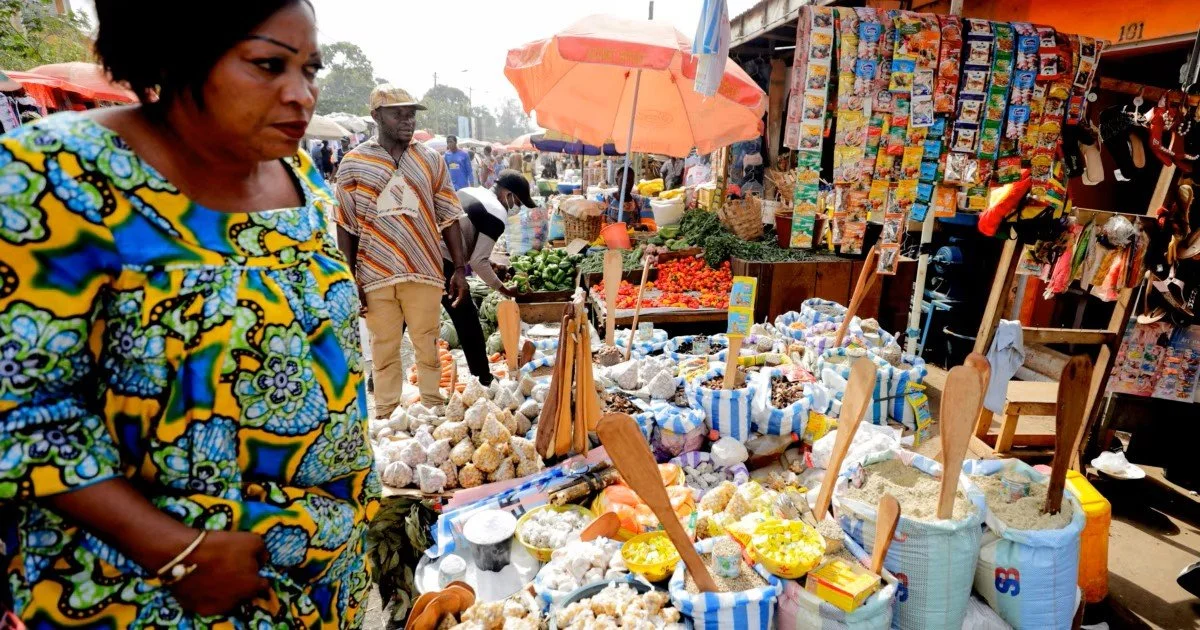
Bargaining is an art in Cameroonian markets. Prices are rarely fixed. Start polite and friendly.
In Cameroonian French:
"C’est combien?" – How much is it?
"C’est trop cher." – It’s too expensive.
"Donne-moi un meilleur prix." – Give me a better price.
"C’est ton dernier prix?" – Is that your final price?
"Je prends deux, tu fais un petit prix?" – If I take two, can you give a small discount?
Pidgin English blends add warmth and humor:
"Na how much?" – How much is this?
"E dear too much!" or "E over dear!" – It’s too expensive!
"You want kill me?" – The price is too high! (said with a smile)
"Put me dash." or "Dash me small." – Give me a little extra as a gift (common after buying).
"I beg, reduce small." – Please reduce it a bit.
A full exchange might mix both: "C’est combien ce ndolé? E dear! I beg, donne-moi un bon prix."
How Pidgin English Mixes with French at Markets
In Cameroon, French speakers often switch to Pidgin for casual talk. You might hear "Je vais au market" mixed with "A want buy ndolé". This Camfranglais style makes conversations flow naturally. Vendors appreciate when you try the blend. It turns shopping into friendly banter instead of stiff negotiation.
Practical Tips for Market Shopping
Greet first with "Bonjour, mama" or "Bonjour, tonton" to build rapport. Smile and bargain gently. Start low but fair. Buy in bulk for better deals. Ask for "dash" after agreeing on price. Go early for freshest produce and avoid rush hour crowds.
These habits help you shop like a local and enjoy the vibrant energy.
FAQs
What is the difference between ndolé and other African stews?
Ndolé gets its unique bitter-sweet taste from ndoleh leaves and ground peanuts. It is richer and often includes seafood or meat.
How do I ask for koki at a market?
Say "Je veux du koki, s’il te plaît" or simply "Donne-moi du koki." Vendors usually sell it wrapped and ready.
Is bargaining expected in all Cameroonian markets?
Yes, in traditional open markets. Supermarkets have fixed prices, but street and local markets invite friendly negotiation.
Why does Pidgin English mix with French in food talk?
Cameroon’s bilingual nature and cultural blending create natural code-switching. It makes daily life more expressive and fun.
Can beginners use these phrases without sounding awkward?
Absolutely. Locals love the effort. Start simple and add smiles. Practice builds confidence quickly.
What sides go best with ndolé?
Boiled or fried plantains, rice, or bobolo. The starchy sides balance the rich peanut sauce perfectly.
Conclusion
Food and market vocabulary in Cameroonian French opens the door to real connections. From ordering ndolé and koki to bargaining with a mix of French and Pidgin, these words bring you closer to daily Cameroonian life. Markets become more than places to shop. They turn into spaces for laughter, flavor, and cultural exchange.
Ready to speak with confidence and taste the real thing? NKENNE offers practical African French lessons, cultural stories, and more ways to explore Cameroon and beyond. Start today. Your next market visit could become an unforgettable adventure. Bon marché! 🛒🥬