
Ndombolo: The Dance That Shook the Continent (And What It Really Means)
By: Chimdindu Ken-Anaukwu
You step into a Kinshasa nightclub, the bass hits, and suddenly hips are moving in ways that look impossible yet effortless. That's ndombolo, the dance and music style that exploded across Africa in the 1990s and never really stopped. People call it obscene, revolutionary, pure fun. But beneath the hip-shaking energy lies a deeper story of coded resistance, animal mimicry, and urban pride during some of Congo's toughest years.
This guide breaks it down: where ndombolo came from, why the animal metaphors matter, its role as a quiet form of hope amid political chaos, the controversies that tried (and failed) to shut it down, and why it still lights up parties from Brazzaville to Brussels.
The Real Origins of Ndombolo
Ndombolo emerged in the mid-1990s as a faster, raunchier evolution of soukous, the guitar-driven Congolese rumba that had already conquered dance floors.
Precise credit is debated. Some point to choreographer Radja Kula around 1995 for pioneering the signature moves. Others credit Wenge Musica, the powerhouse band led by JB Mpiana and Werrason, whose late-1990s tracks turned the dance into a full genre.
The name itself comes from Kikongo, originally meaning "to ask or solicit." In Lingala usage, it shifted to evoke "gorilla" or "chimpanzee" not as insult, but as stylized imitation of primate gait and courtship displays.
This wasn't random. It fused older Congolese dance traditions with the electric, urban sound of Kinshasa and Brazzaville in the post-Mobutu era.
Animal Moves: Gorillas, Chimpanzees, and Hidden Meanings
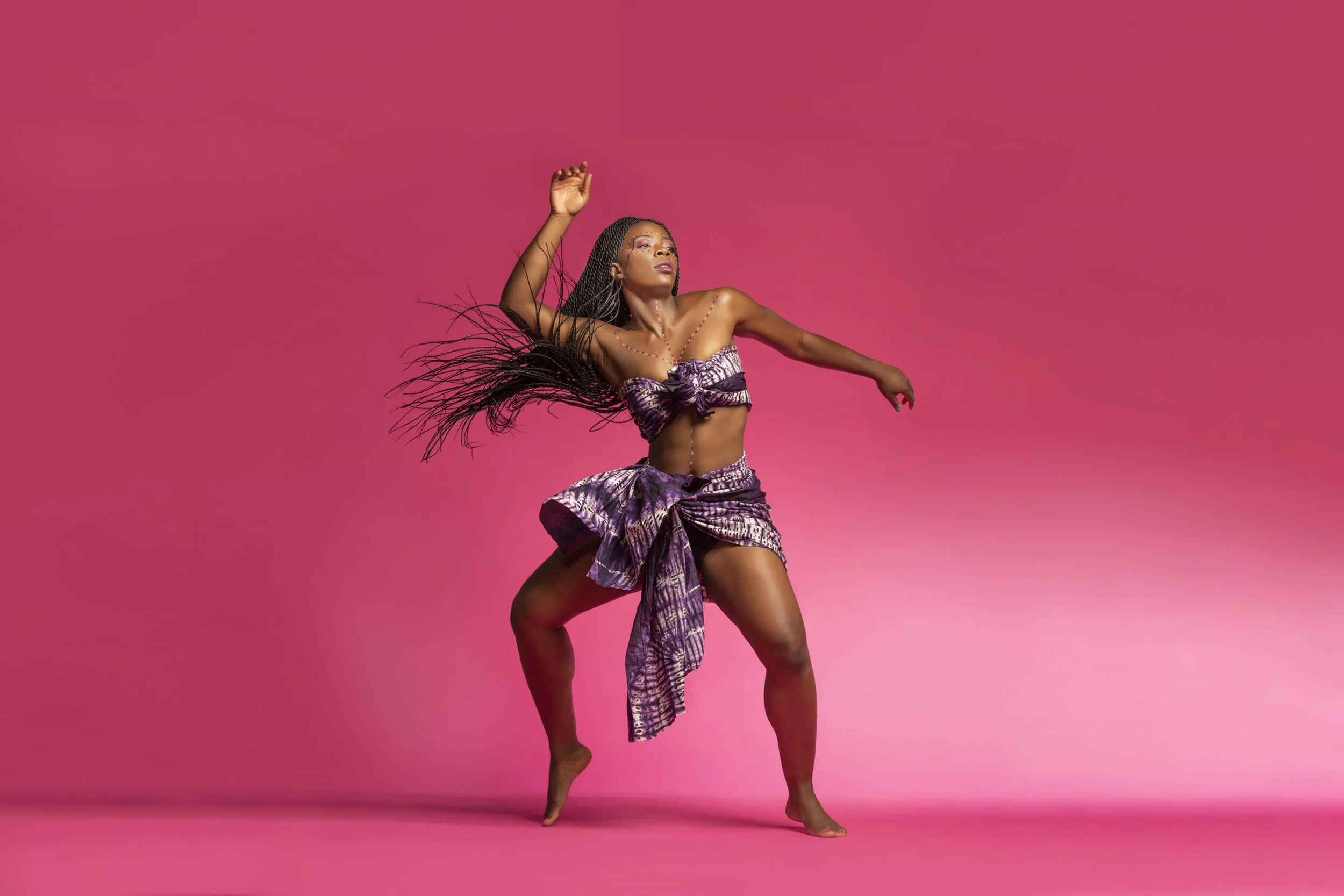
The core choreography mimics animal behavior; exaggerated swagger, low stances, playful lunges.
Dancers adopt gorilla-like pomposity or chimpanzee courtship rituals: chest out, hips swinging in circular or thrusting motions, arms loose for emphasis.
Lexicologists like Arizona M. Baongoli explain this as deliberate mimicry. Primates' confident, rhythmic movements become metaphors for human boldness and attraction.
In practice, it's playful exaggeration. A guy drops low like a gorilla claiming space; a woman responds with precise hip circles that echo primate displays. The result feels both primal and polished; tradition meeting street creativity.
Coded Hope in Tough Times
Ndombolo didn't just entertain; it carried subtle resistance.
During Mobutu Sese Seko's long rule and the chaos that followed (wars, economic collapse), direct protest was dangerous. So people turned to metaphor.
The dance's clumsy-yet-defiant energy mocked retreating soldiers' unsteady gait; likening their defeat to a goofy shuffle. It became a collective laugh at power's fragility.
Writers like Milau K. Lutumba describe it as shared hope: an end to brutality, terror, injustice. Lyrics touched human relations, trickery, disappointment, and sociopolitical gripes without naming names outright.
In barracks, streets, and parties, ndombolo let Congolese express resilience through bodies and beats when words alone risked too much.
The Hip-Shaking Controversy
The signature hip thrusts and waist shakes sparked backlash.
By the early 2000s, governments in DRC, Cameroon, Senegal, Mali, and Kenya banned ndombolo videos or airplay, calling them pornographic or immoral threats to youth.
In DRC, 2005 saw state censorship of clips by Koffi Olomidé, JB Mpiana, and Werrason for "indecency." Cameroon blocked it partly to protect local makossa and bikutsi.
Critics argued it promoted obscenity. Supporters saw cultural double standards, why celebrate other sensual dances but target this one?
The bans faded. Ndombolo adapted, proving too infectious to suppress.
Blending Tradition with Urban Swagger
Ndombolo bridges old and new seamlessly.
It keeps soukous' melodic guitars and call-response vocals but amps the tempo, adds synthesizers, and centers frenetic dance.
Traditional elements: communal energy, storytelling through movement, meet urban edge: sharp outfits, coded slang, diaspora flair.
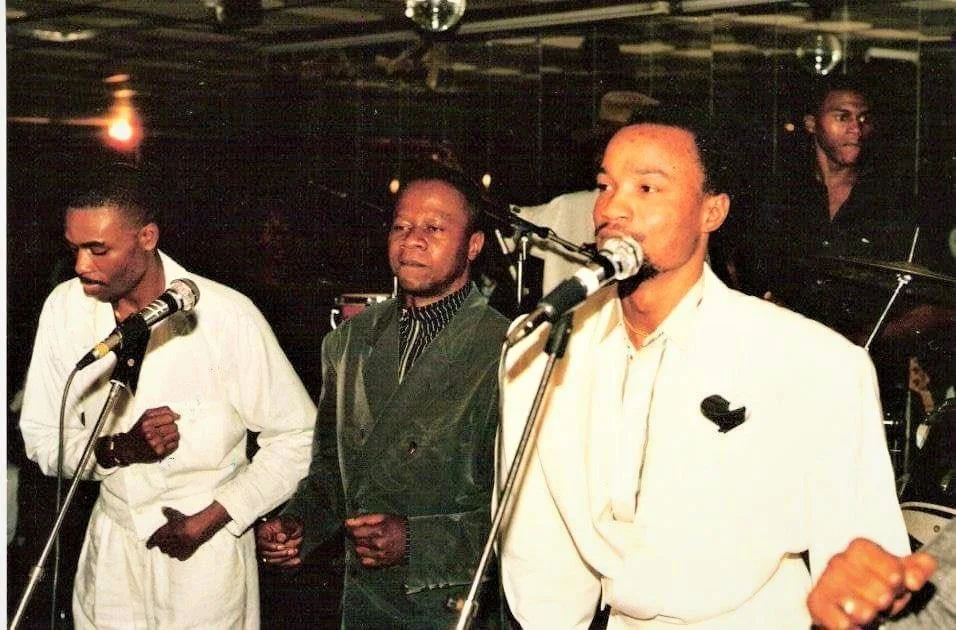
Artists like Koffi Olomidé (self-styled "King of Ndombolo"), Awilo Longomba, and Extra Musica pushed it global. Paris and Brussels scenes remixed it further.
It's resistance wrapped in celebration: proud Congolese identity in motion.
Why Ndombolo Remains the Ultimate Party Starter
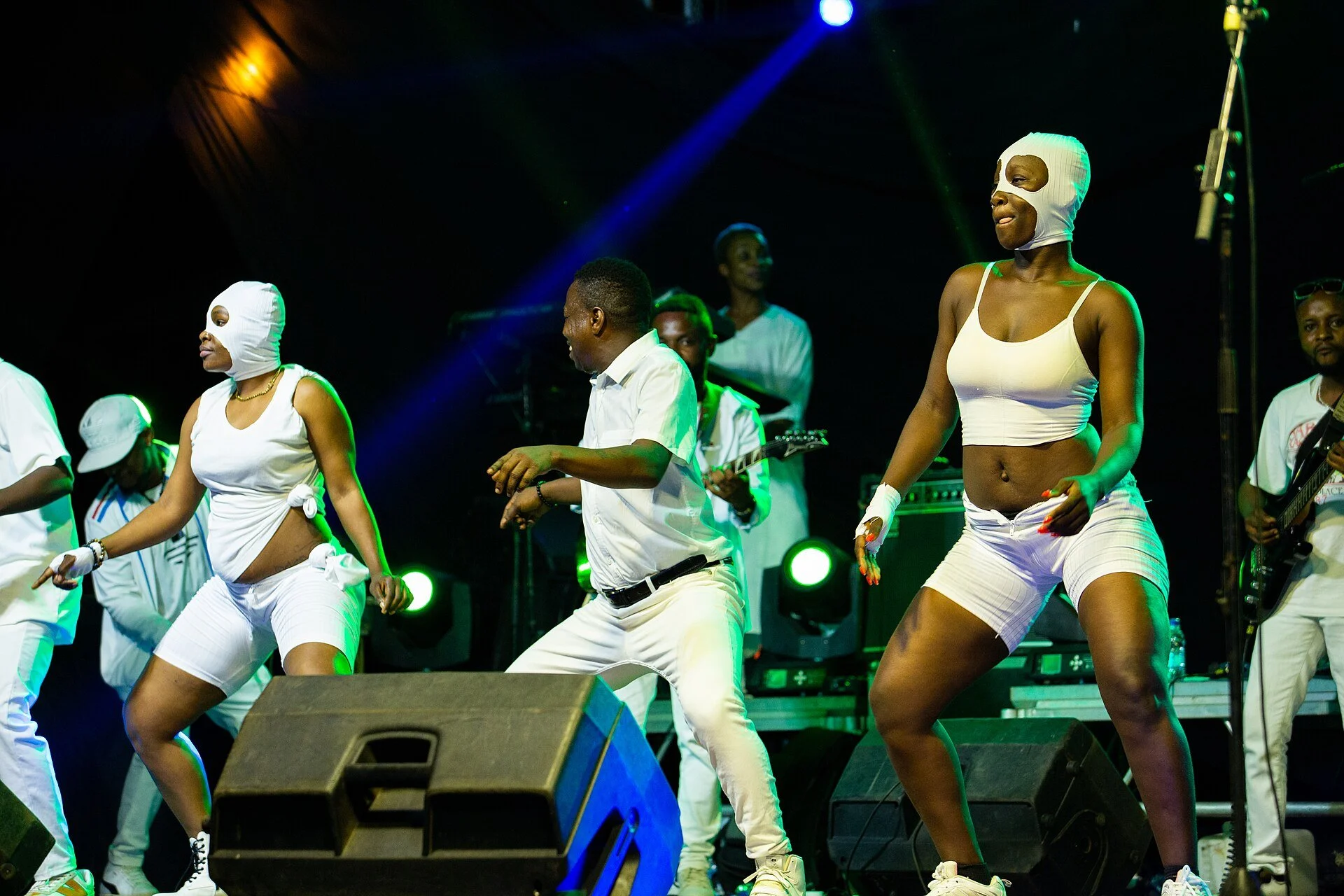
Today, ndombolo dominates Central African weddings, clubs, and online challenges.
The beat drops, and everyone knows the moves, no lessons needed. It unites generations, crosses borders, and keeps evolving.
In diaspora communities, it maintains cultural ties. Younger artists sample it in rap or afrobeat fusions.
Its staying power? Pure joy mixed with depth. Dance it, and you feel the history without needing explanation.
FAQs
What does "ndombolo" actually mean?
It stems from Kikongo for "to ask or solicit", but in Lingala dance context, it literally references "gorilla" or "chimpanzee", mimicking their movements.
Who invented the ndombolo dance?
Origins are contested: some credit choreographer Radja Kula (1995), others Wenge Musica's late-1990s influence. It grew organically in Kinshasa/Brazzaville scenes.
Why was ndombolo banned in some countries?
Governments labeled its hip-shaking "obscene" or immoral, fearing it corrupted youth. DRC censored videos in 2005; Cameroon and others followed suit temporarily.
How is ndombolo different from soukous?
Ndombolo is a faster, more energetic offshoot of soukous; same guitar roots but with raunchier rhythms, hip-focused choreography, and urban edge.
Does ndombolo have political meaning?
Yes, subtly. It encoded hope and mockery of power during Mobutu's era and conflicts, using metaphor instead of direct statements.
Is ndombolo still popular today?
Absolutely. It fuels parties across Africa and diaspora, influences modern genres, and sparks viral challenges.
Wrapping Up: The Lasting Pulse of Ndombolo
Ndombolo isn't just steps; it's Congo's heartbeat in motion: resilience dressed as fun, tradition remixed for the streets, defiance hidden in dance.
It shook the continent because it let people reclaim joy and pride when everything else felt heavy. Master a few moves, drop into a track by Koffi or Wenge, and you tap into that same energy.
Want to feel it for yourself? Explore more Congolese grooves and Lingala culture on NKENNE, where we keep these stories alive and invite you to join the rhythm. What's your first ndombolo move going to be?