
Gbegiri Soup Mastery: Creamy Bean Soup Secrets from Yoruba Kitchens
By: Chimdindu Ken-Anaukwu
Gbegiri soup looks simple, yet one spoonful reveals why it holds a special place in Yoruba hearts. This smooth, velvety bean soup forms the heart of the classic Abula trio alongside ewedu and obe ata. Its creamy texture and subtle fermented depth come from humble brown beans, a touch of palm oil, and iru. In this guide, you will learn the authentic Yoruba method, secrets for that perfect silkiness, an easier unpeeled beans version, and the best ways to pair it with eko or amala. Whether you cook in Lagos or anywhere else, this recipe brings genuine Yoruba comfort to your table.
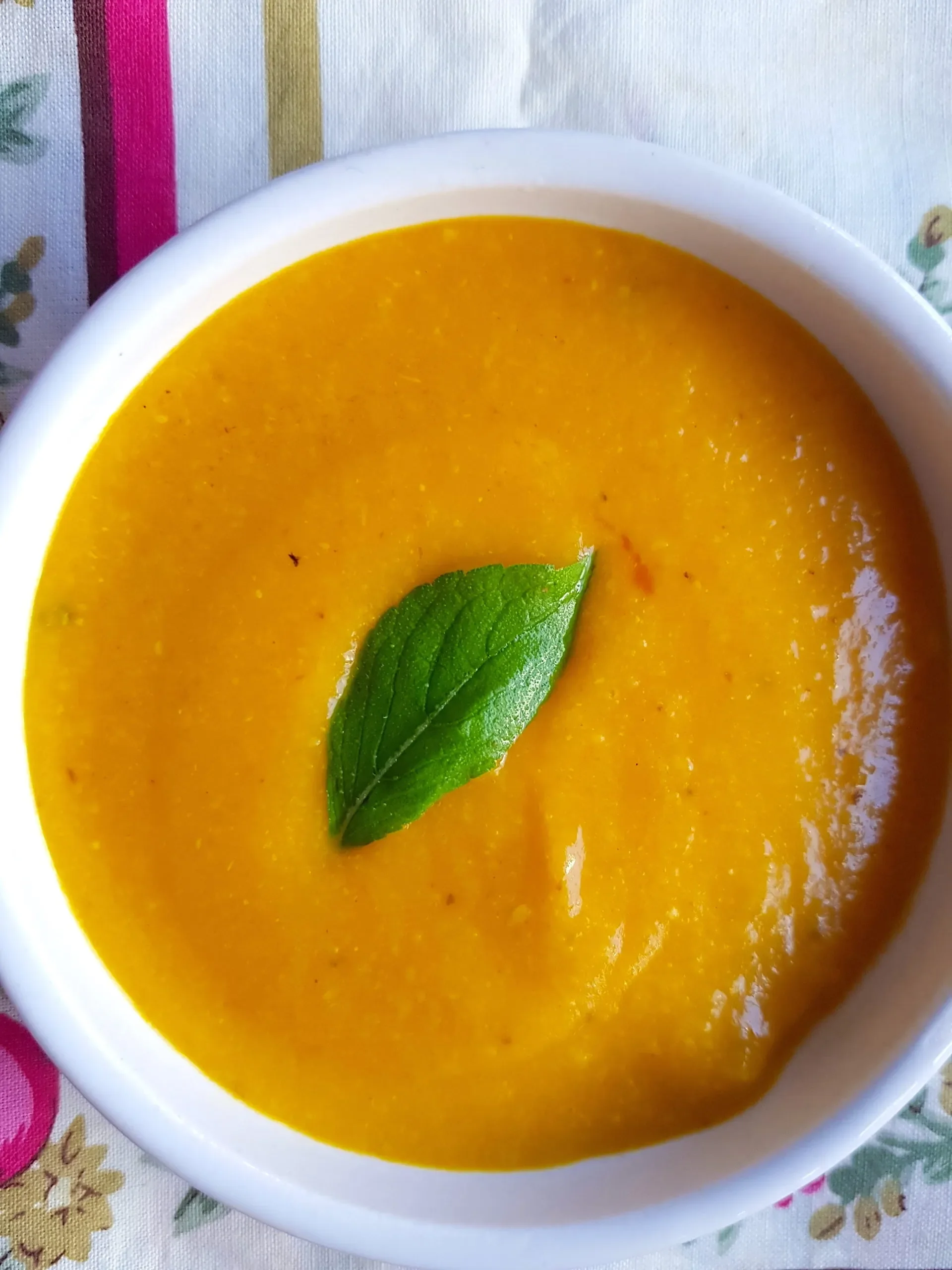
Why Gbegiri Holds a Special Place in Yoruba Meals
Gbegiri is more than soup in Yoruba culture. It completes the famous Abula combination that many consider the ultimate weekend or party meal.
Made from beans, it delivers protein and comfort in one bowl. The mild, earthy taste balances spicy ewedu and rich pepper stew.
You find it at bukas across Lagos, Ibadan, and mixed markets in Port Harcourt. Families serve it to show care, and elders appreciate its digestibility when well prepared.
Its simplicity hides deep tradition. Learning it connects you directly to Yoruba kitchen wisdom passed through generations.
Key Ingredients for True Flavor and Creaminess
For 6 generous servings, gather these. Quality matters more than quantity.
Core Items:
2 cups brown beans (honey beans or oloyin preferred for sweetness) or black-eyed peas
1 medium onion (optional during boiling)
3-4 tablespoons palm oil (just enough for color and gloss)
2 tablespoons ground crayfish
1-2 tablespoons iru (locust beans), rinsed and pounded or whole
1-2 teaspoons ground dried pepper (ata gigun) or fresh blended to taste
2 stock cubes (Maggi or Knorr)
Salt to taste
Water as needed
Optional Protein Boost:
Assorted boiled meats or fish (shaki, ponmo, smoked fish)

Step-by-Step: Traditional Peeled Beans Gbegiri
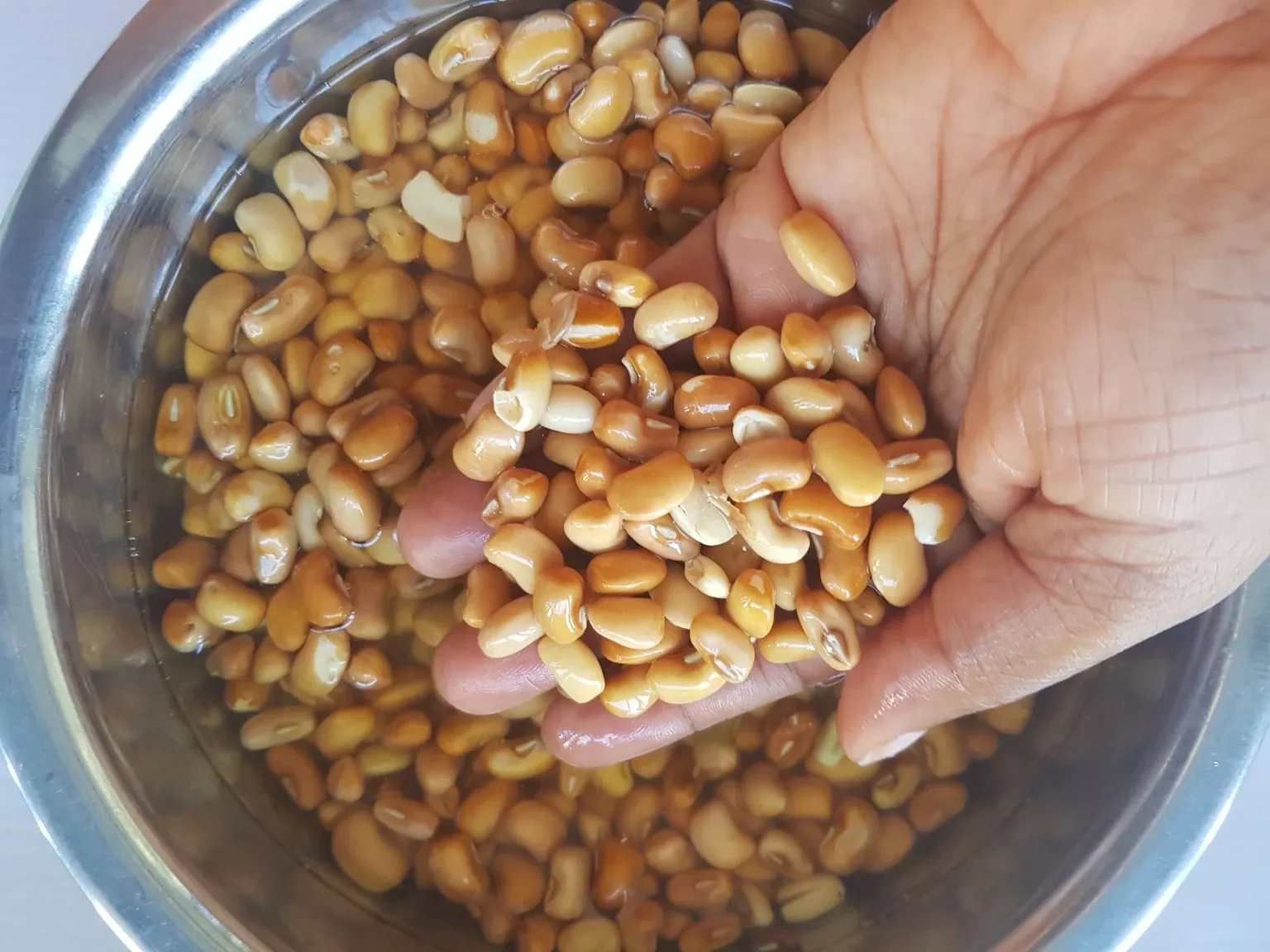
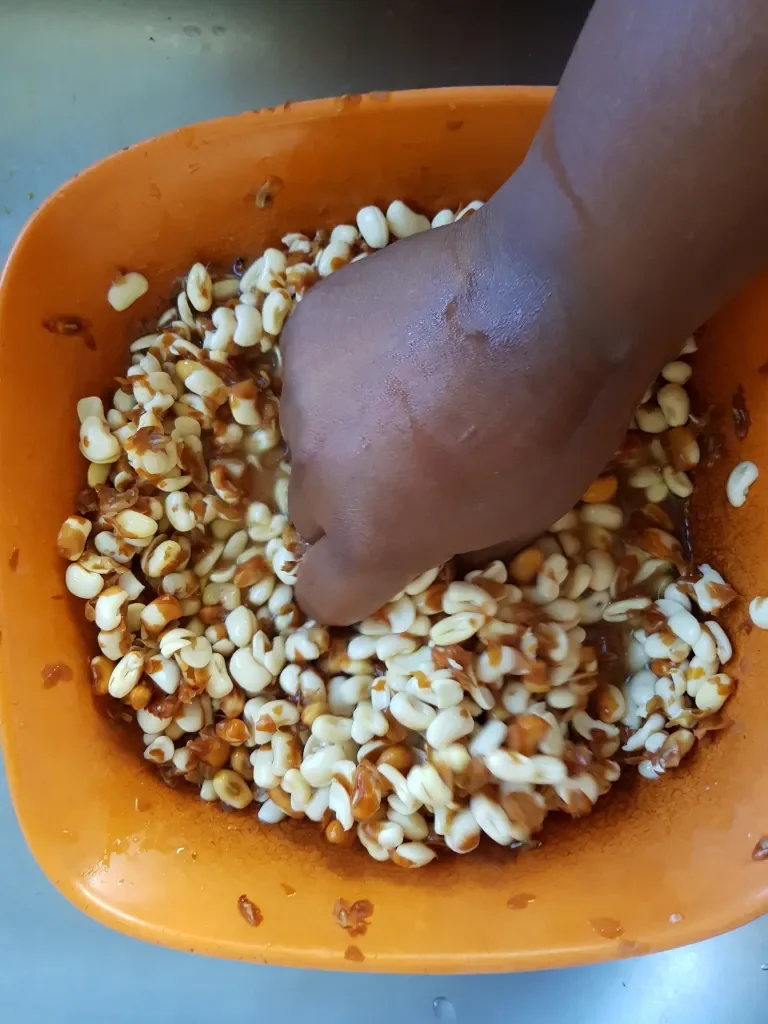
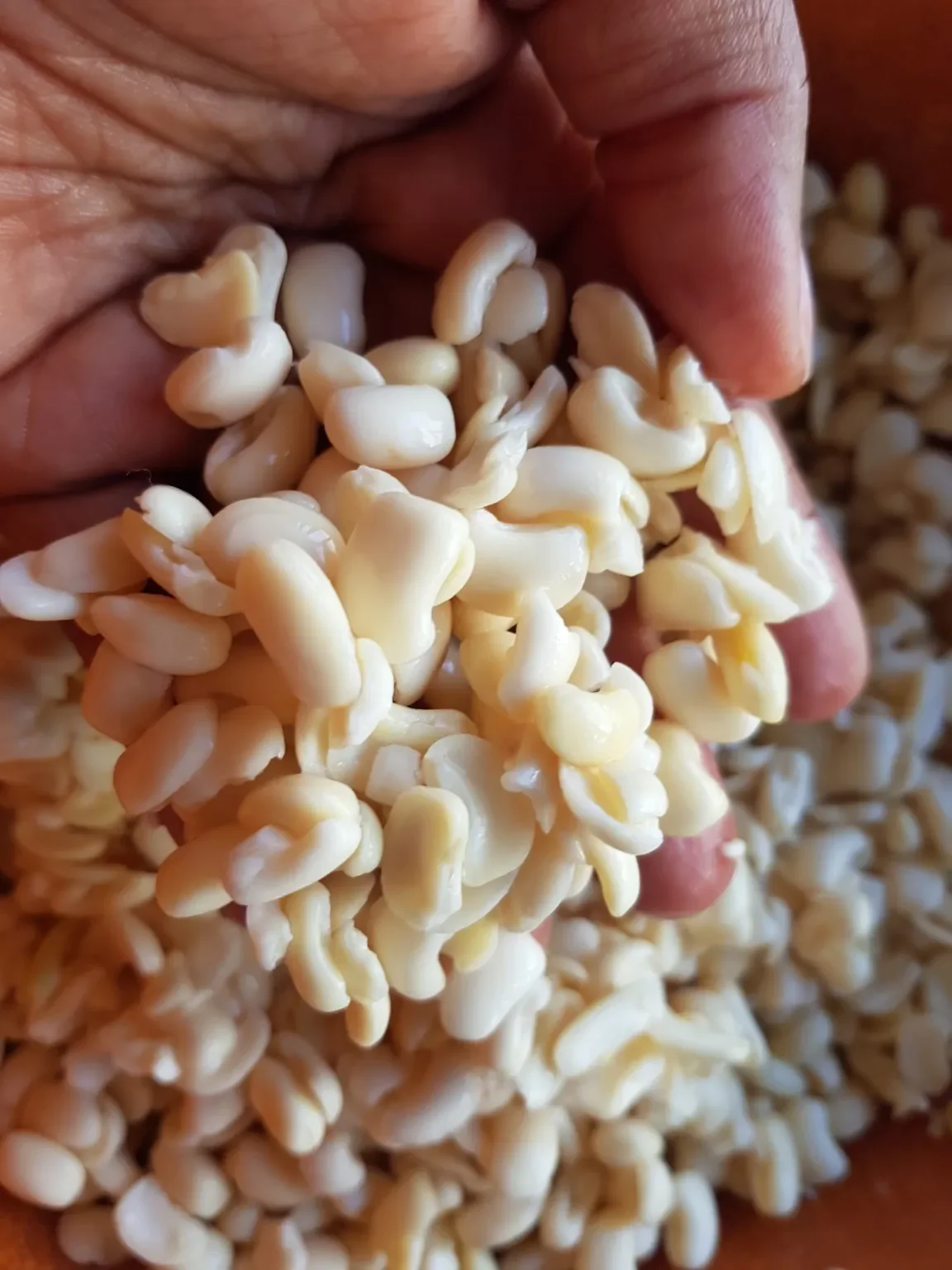
Sort and soak the beans for 10-15 minutes to loosen skins. Peel by rubbing between hands or pulsing briefly in a blender with water, then rinsing skins away.
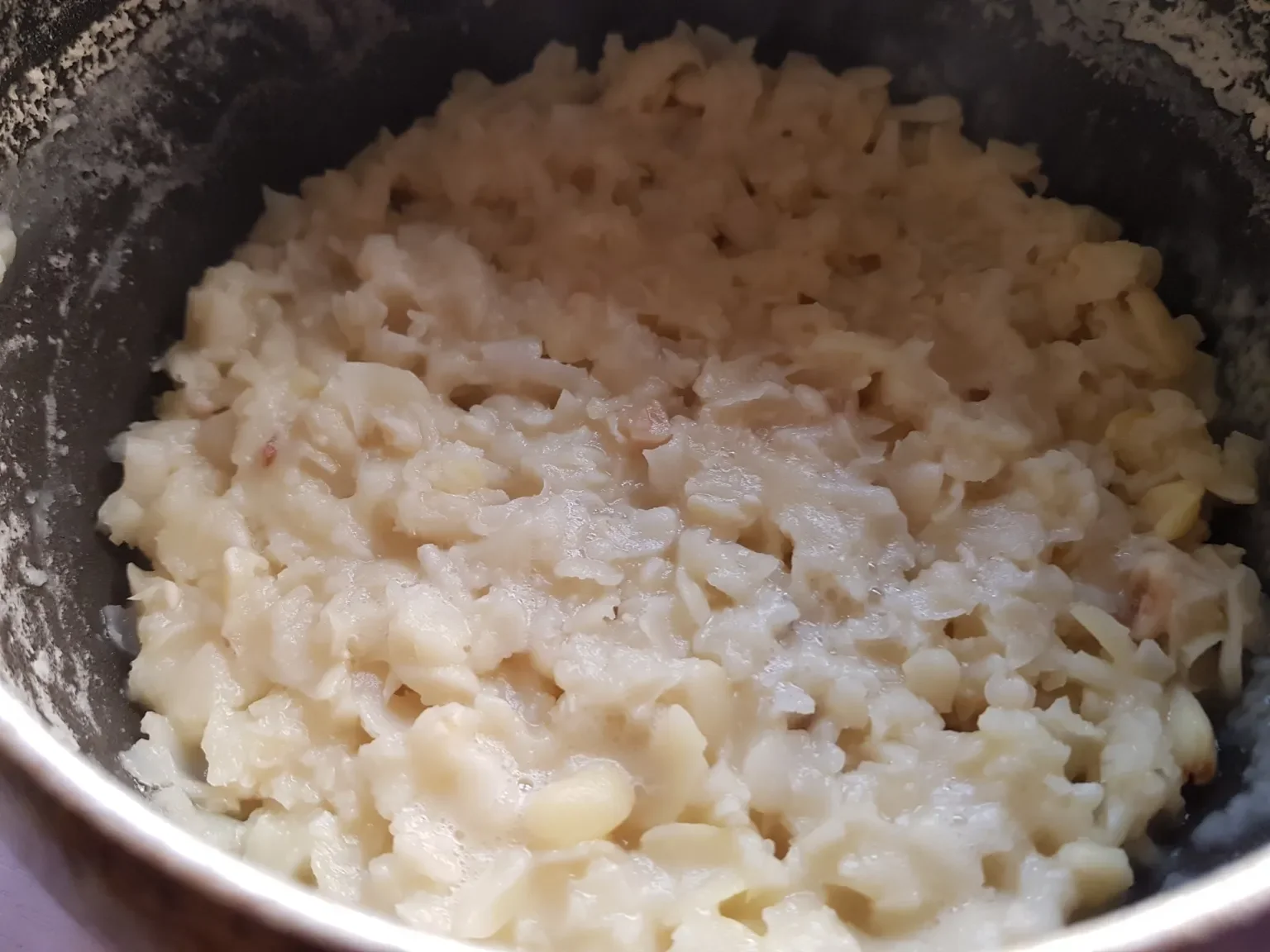
Boil peeled beans in fresh water (add onion if desired) until very soft and mushy, about 45-90 minutes on the stove or faster in a pressure cooker.
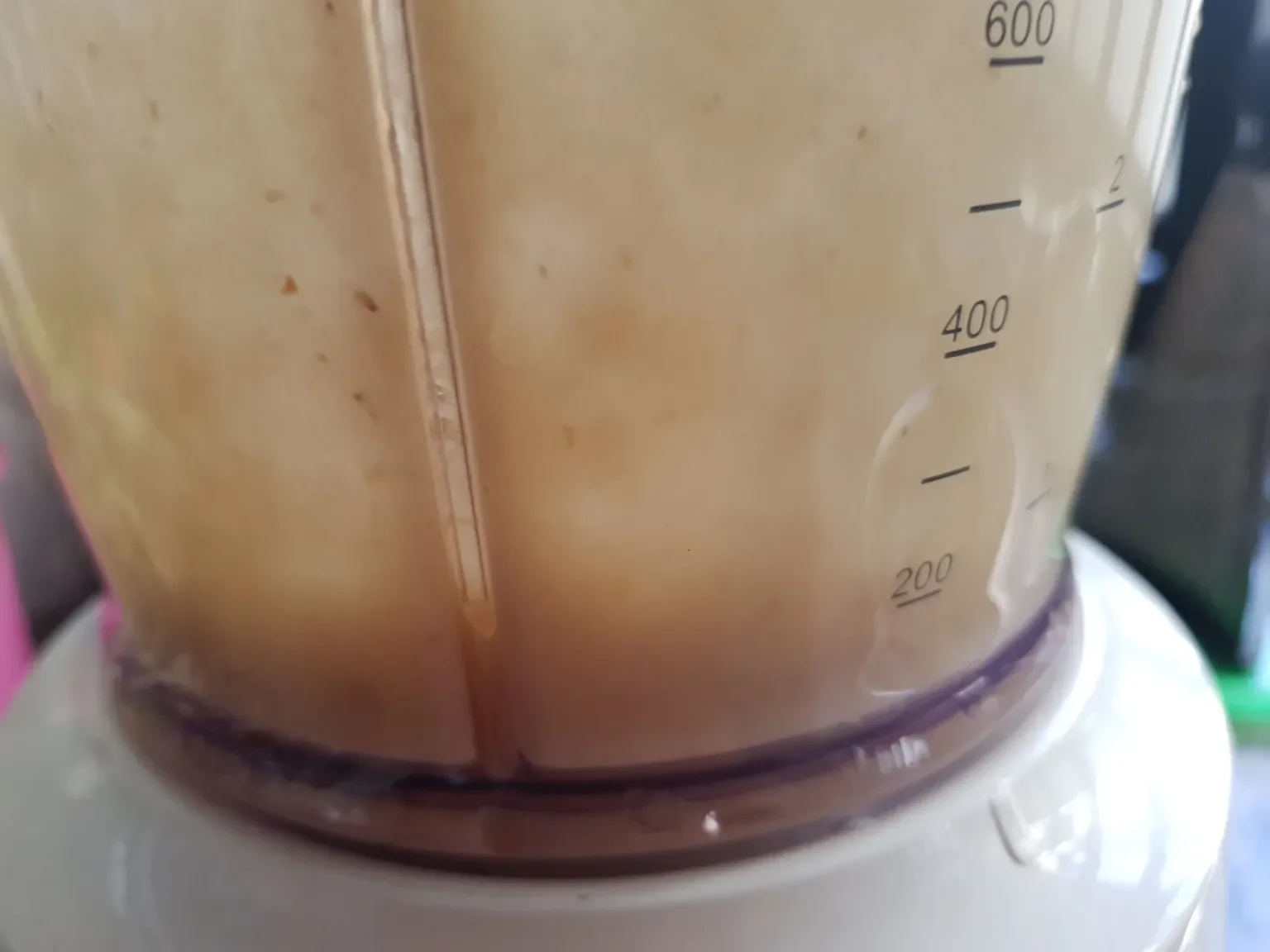
Blend the cooked beans with some cooking liquid until completely smooth. Traditional cooks use a local grinding stone; modern blenders work fine.
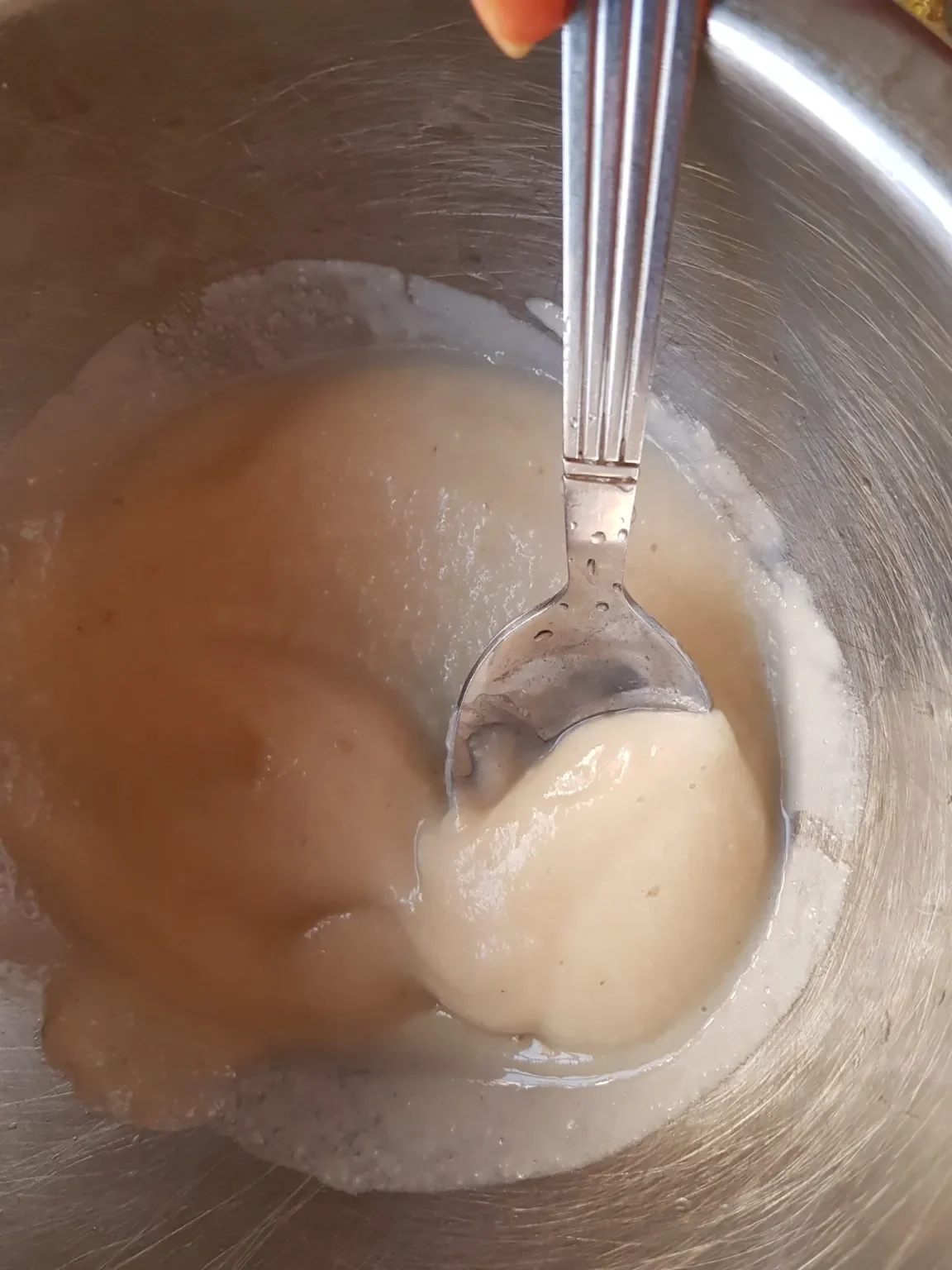
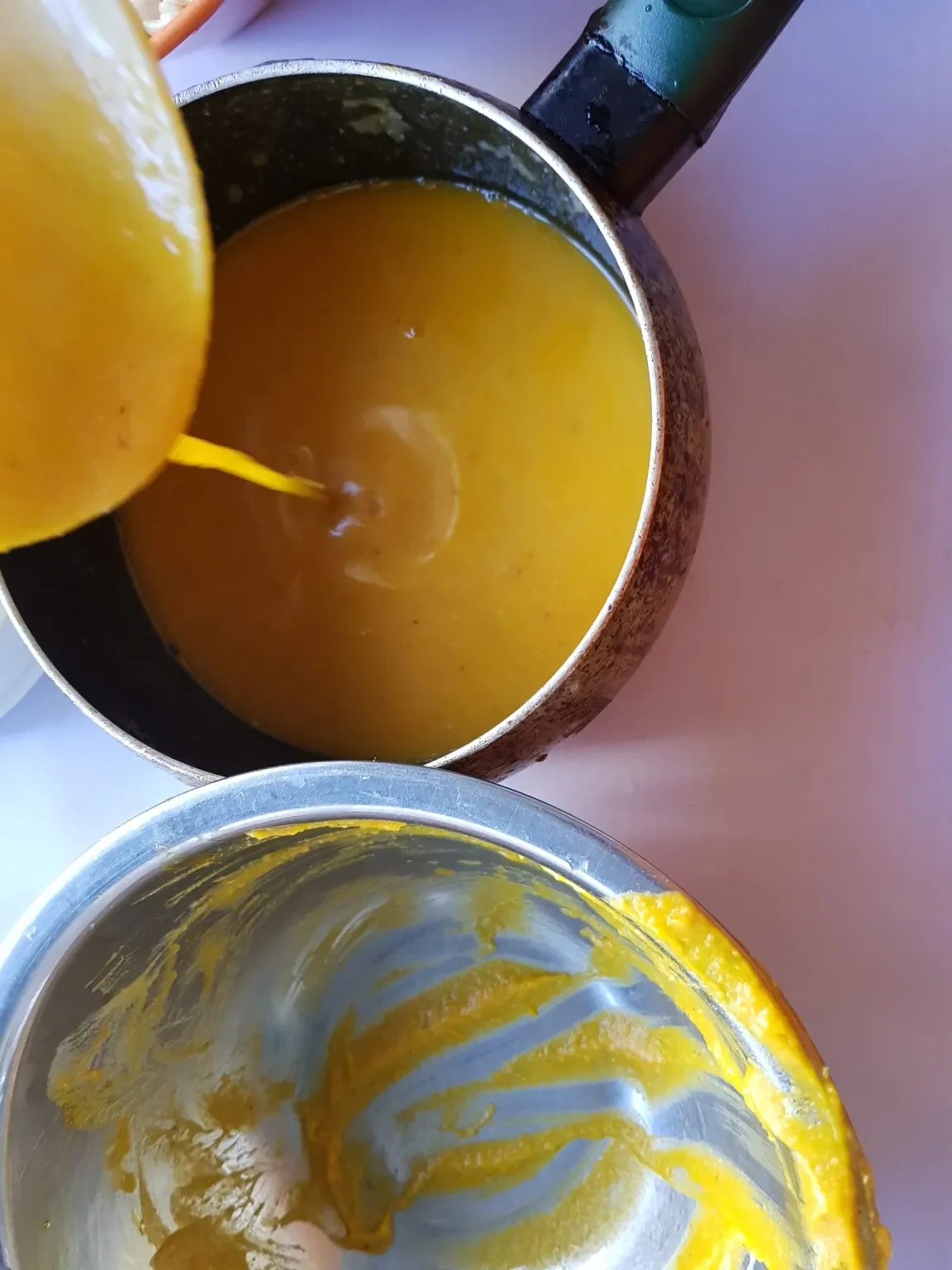
Pour the puree back into a clean pot. Add a little water if too thick. It should flow like thick custard.
Stir in palm oil, crayfish, iru, ground pepper, stock cubes, and salt. Simmer on low heat for 5-10 minutes, stirring often to prevent sticking. Taste and adjust.
Turn off heat once flavors marry and oil sits lightly on top. Do not overcook.
Easier Unpeeled Beans Version for Busy Days
Many modern cooks skip peeling for nutrition and speed.
Soak 2 cups brown beans for 2-3 hours or overnight.
Boil with onion and a pinch of potash (optional) until extremely soft, 1.5-2 hours.
Blend everything, including skins, adding water as needed for smoothness.
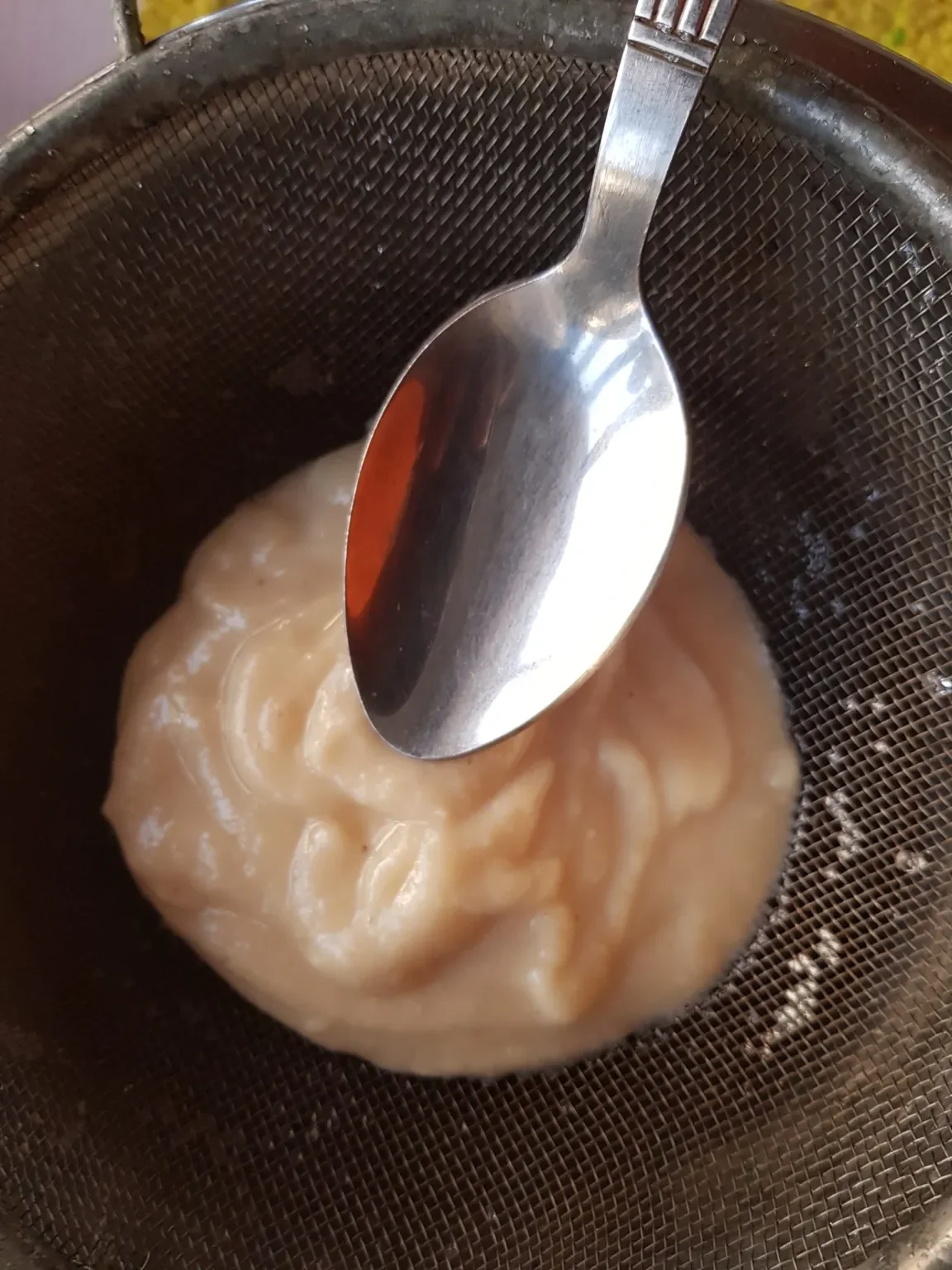
Strain through a fine sieve if you want extra silkiness, or leave rustic.
Proceed with seasoning exactly as in the traditional method.
The unpeeled version retains more fiber and has a slightly earthier taste that many love.
Secrets to Achieving That Velvety Smooth Texture
Cook beans until they fall apart naturally. Undercooked beans stay grainy.
Blend thoroughly. Add cooking liquid gradually for the right consistency.
Stir constantly on low heat after adding puree. High heat causes lumps.
Use minimal palm oil. Too much makes it greasy instead of creamy.
Add iru and crayfish at the end. They release aroma without overpowering.
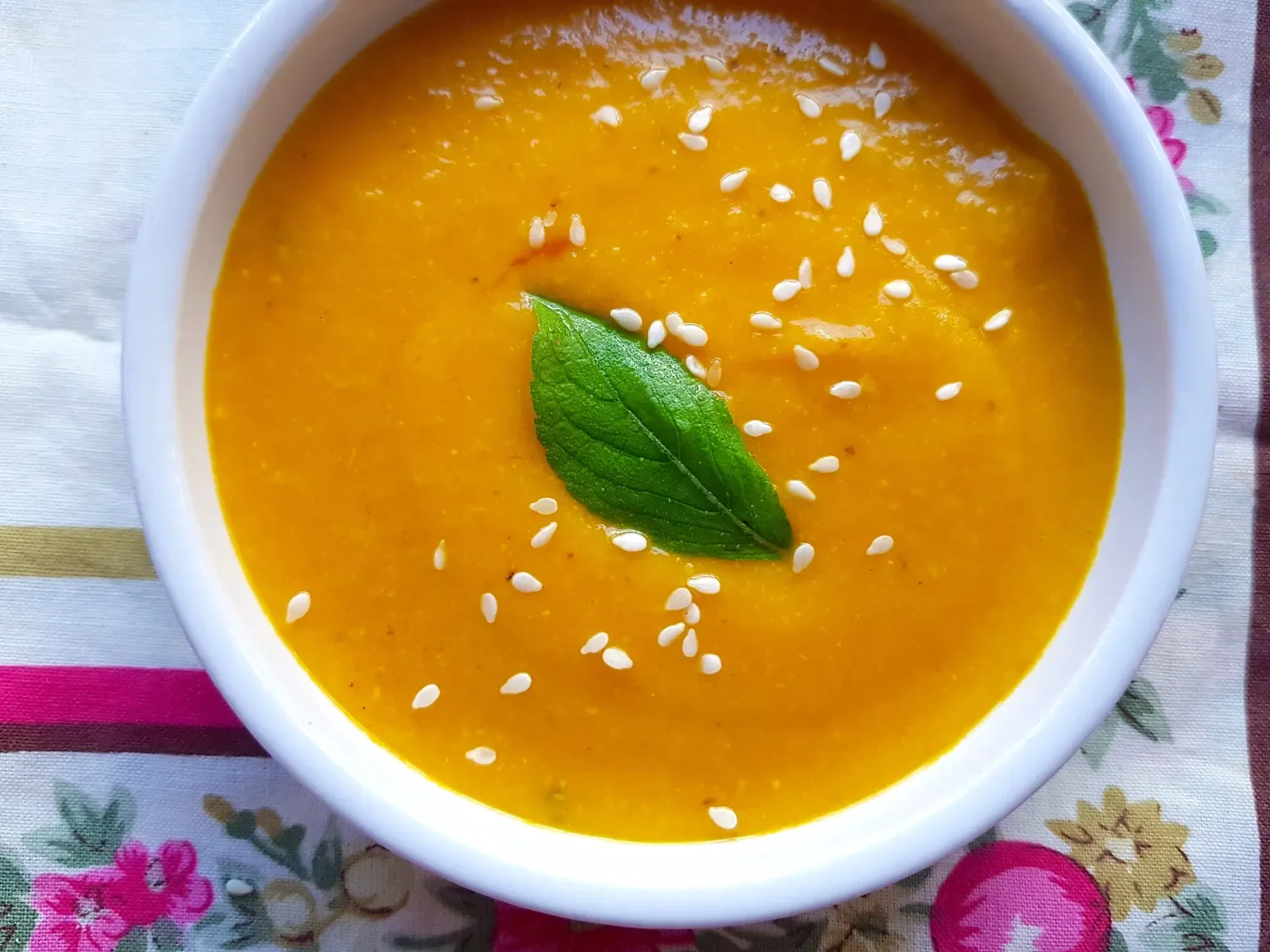
Let it rest 2-3 minutes off heat. It thickens beautifully as it cools slightly.
Best Pairings: Amala, Eko, and More
Gbegiri shines brightest with:
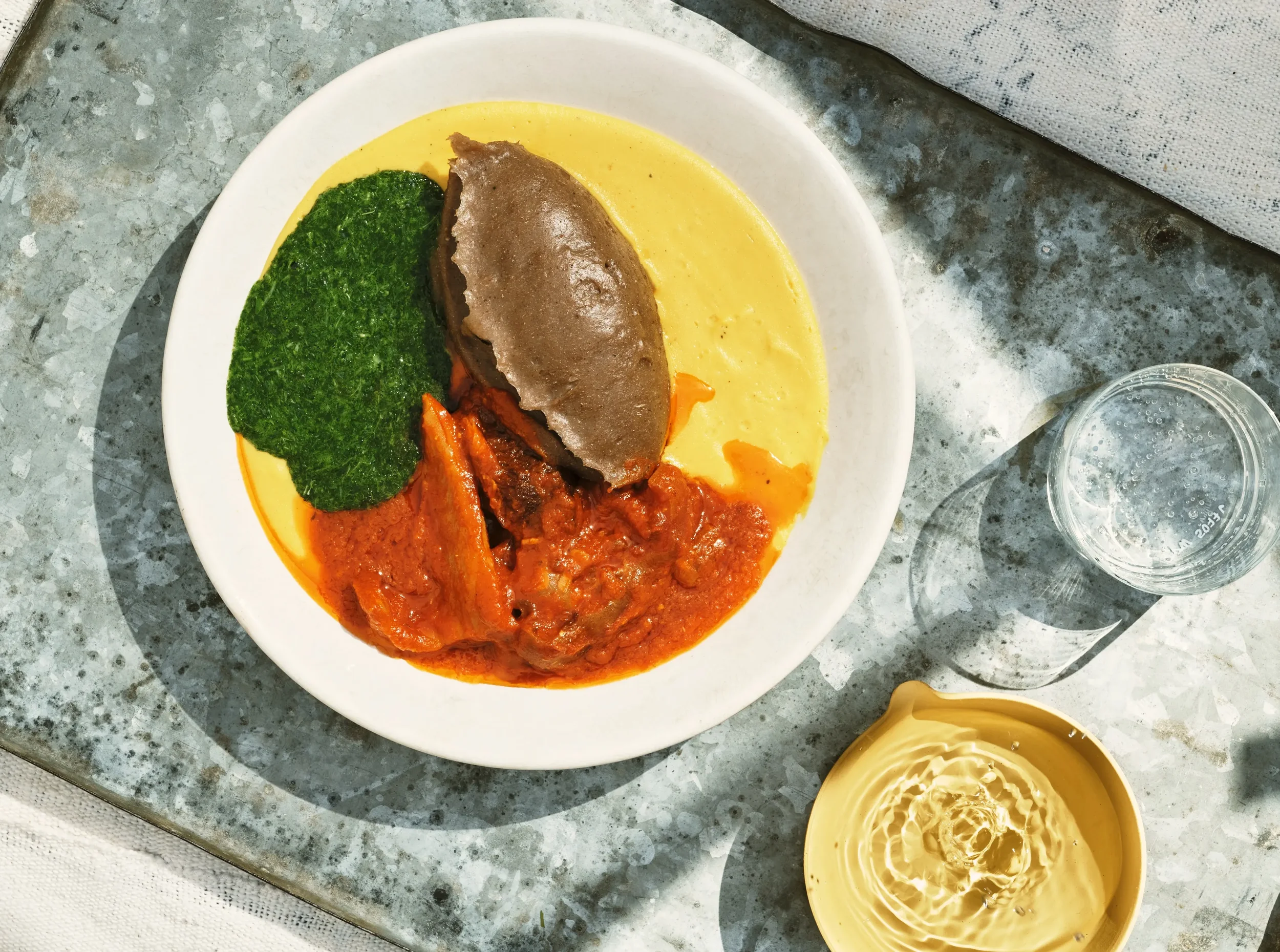
Amala (yam flour swallow): The classic combo. The mild bean soup coats the smooth amala perfectly.
Eko (agidi, corn pudding): Light and cooling contrast. Many prefer this for lighter meals.
Ewedu soup on the side: For full Abula experience.
Plain boiled yam or rice when you want something different.
Serve hot. The warmth brings out the subtle sweetness of the beans.
Serving Tips and Cultural Touches
Plate in wide bowls so the glossy surface shows. Add a piece of boiled egg or smoked fish on top for extra appeal.
In Yoruba homes, gbegiri often appears during family gatherings or after heavy work. It feels nourishing and grounding.
In Lagos or diaspora kitchens, people adjust heat levels to suit guests while keeping the soul of the dish.
Common Mistakes and Quick Fixes
Beans not soft enough: Result is gritty soup. Always cook longer next time.
Lumpy texture: Blend smoother or strain. Stir more during simmering.
Too thick: Add hot water gradually while stirring.
Bland taste: Increase crayfish and iru. These carry the flavor.
Over-oily: Use less palm oil. It should tint rather than drown the soup.
FAQs
What beans work best for gbegiri soup?
Brown honey beans (oloyin) or black-eyed peas give the sweetest, creamiest result. Avoid very starchy varieties.
Is iru (locust beans) necessary?
It adds the signature fermented depth that defines authentic Yoruba gbegiri. You can reduce or omit for milder taste, but it changes the character.
Can I make gbegiri ahead of time?
Yes. It keeps well in the fridge for 3-4 days and reheats beautifully. Flavors even deepen overnight.
How do you get gbegiri really velvety without a blender?
Traditional cooks mash with a wooden pestle or grinding stone after boiling. It takes effort but delivers excellent texture.
What is the difference between peeled and unpeeled versions?
Peeled gives silkier soup with milder taste. Unpeeled retains fiber, cooks faster once soaked, and has a heartier flavor.
Can beginners succeed with this recipe?
Absolutely. Start with the unpeeled method and simple seasonings. Practice once or twice and you will master the creamy consistency.
Final Thoughts: Bring Yoruba Comfort to Your Pot
Gbegiri soup proves that simple ingredients, treated with care, create something deeply satisfying. Its creamy smoothness and gentle fermented notes carry generations of Yoruba kitchen knowledge. Whether you pair it with amala for a full Abula feast or enjoy it quietly with eko, this soup nourishes both body and spirit. Try it soon. Your kitchen will smell like home.

Ready to Explore More Yoruba Flavors?
NKENNE brings authentic Yoruba language, culture, and recipes together in one place. Check our guides on market bargaining, morning greetings, or the full Abula experience. Join for free lessons and tips that make Yoruba living feel natural and joyful. Your next delicious discovery awaits. 😊