
Bira: The All-Night Shona Ceremony of Ancestors, Music, and Memory
By: Yvonne Mag-usara
A bira is not simply an evening of traditional music. It is a night in which a Shona family gathers to listen across generations.
Through music, dancing, prayer, and ancestral consultation, the living confront questions that may be difficult to settle alone. Understanding bira, therefore, means understanding how music carries memory and why ancestors remain part of family responsibility.
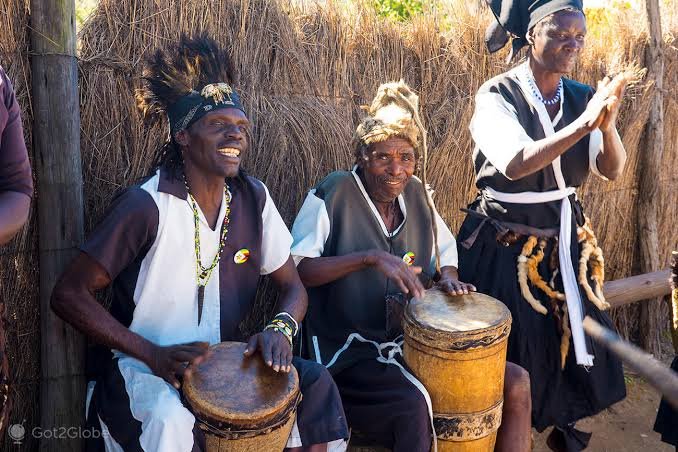
Credit: Got2Globe / Marco C. Pereira and Sara Wong
Performers from KwaNemamwa village near Great Zimbabwe demonstrate music and movement associated with bira dance traditions.
What Is a Bira and Why Is It Held?
A bira is a Shona ceremony in which relatives and community members gather to communicate with ancestral spirits, known as vadzimu. The plural of bira is mapira.
Many ceremonies continue through the night. Music, dancing, clapping, ritual speech, and consultation create the conditions through which an ancestor may communicate using a spirit medium.
A family may organize a bira to:
Seek guidance about illness or repeated misfortune
Address conflict within a family or community
Request rain or support during difficult conditions
Give thanks after protection or good fortune
Maintain contact with family or territorial ancestors
Mark an important moment in family life
Some mapira respond to a crisis, while others sustain the family’s relationship with its ancestors. There is no single format followed by every Shona community. Practices vary between families, lineages, and regions.
At its heart, bira is a family institution. Relatives prepare together, share food, remember those who have died, and consider how they should move forward.
How a Bira Unfolds Through the Night
Preparations begin before the musicians play. The host family may arrange the gathering space, invite relatives and specialists, prepare food, and brew ceremonial beer called doro. Not every family includes the same elements.
Once the ceremony begins, musicians establish repeating patterns. Hosho rattles mark the pulse while participants sing, clap, dance, and respond to the music.
The gathering may intensify after midnight. If a spirit medium becomes possessed, the music may pause or soften while the family listens. Questions may be asked, advice may be given, and unresolved matters may be discussed.
Music can continue until dawn. The long duration allows the gathering to move from ordinary conversation into concentrated participation, consultation, and remembrance.
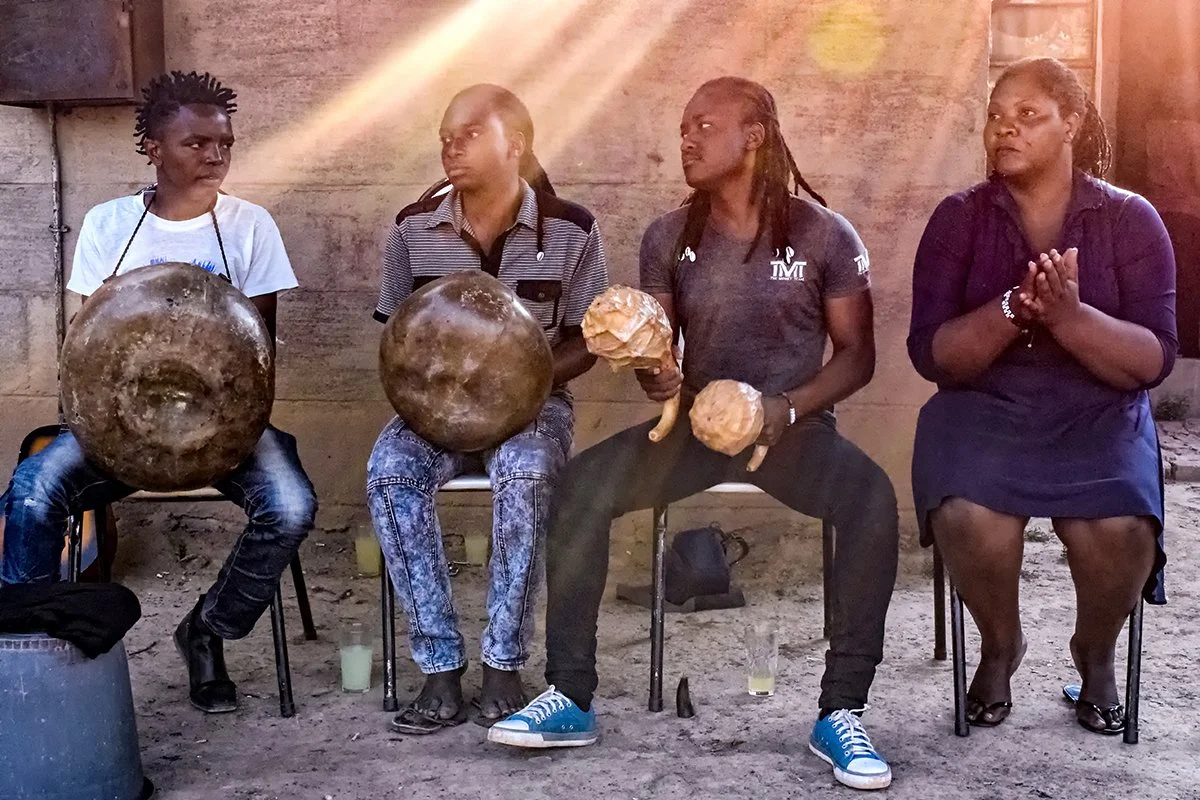
Credit: Kudzai Mazvarirwofa / Global Press Journal, CC BY-SA 4.0
Members of Dziva ReMbira combine mbira, hosho, singing, and clapping in Chitungwiza, showing the layered participation central to many Shona ceremonial traditions.
Why Mbira Music Is Central
The instrument most closely associated with bira is the mbira dzavadzimu, meaning “mbira of the ancestors.” It consists of metal keys fixed to a wooden soundboard and is commonly placed inside a large gourd resonator called a deze.
Two players may perform complementary parts. The kushaura leads, while the kutsinhira interlocks with and responds to it. Hosho rattles steady the pulse as voices, clapping, and dancing enter around the musicians.
Mbira music moves through repeating cycles that change subtly as they continue. Each cycle gives participants another opportunity to enter the music.
Familiar pieces can also carry memories of earlier musicians, relatives, and ceremonies. The music is therefore not simply a background to the ritual. It helps gather the living around remembered relationships.
In some Shona regions, drums may take the ceremonial role that mbira holds elsewhere. Bira practice remains locally shaped.
Ancestors, Spirit Mediums, and Responsibility
The word vadzimu is sometimes translated simply as “ghosts.” That translation misses the relationship at the heart of the idea.
Within many Shona worldviews, vadzimu are deceased members of the family or lineage who remain concerned with their descendants. They may protect, warn, correct, or advise the living.
A svikiro is a spirit medium. During possession, participants understand the medium as speaking on behalf of an ancestral or territorial spirit. Families may bring questions about health, land, relationships, conduct, or communal responsibility.
Beliefs about ancestors also exist alongside different understandings of Mwari, the Creator or God. Some families maintain ancestral traditions alongside Christianity, while others reject or reinterpret them.
Bira should not be reduced to either “worship” or “superstition.” It belongs to a worldview in which family history continues to place responsibilities on the living.
Shona Words That Explain Bira
English can describe the ceremony, but Shona vocabulary reveals how its relationships are organized.
Bira — An ancestral ceremony or gathering
Mapira — Bira ceremonies
Mudzimu — An ancestral spirit
Vadzimu — Ancestral spirits
Svikiro — A spirit medium
Masvikiro — Spirit mediums
Mbira dzavadzimu — Mbira of the ancestors
Hosho — Seed-filled gourd rattles
Doro — Traditional beer
Mhuri — Family
These words describe a network involving family, memory, authority, music, and responsibility. They become easier to understand when learned inside the cultural relationships that give them meaning.
Learners can explore that family-centered worldview further through NKENNE’s guide to talking about family in Shona.
Bira Today and How to Approach It Respectfully
Colonial authorities and Christian missionaries often treated Shona spiritual practices as obstacles to conversion and modernization. Indigenous music and oral knowledge were discouraged, but they did not disappear.
Some families continued holding ceremonies privately. Others combined Christian and ancestral practices or brought mbira into concerts, schools, recordings, and cultural festivals.
In 2020, the art of crafting and playing mbira or sansi in Malawi and Zimbabwe was added to UNESCO’s Representative List of the Intangible Cultural Heritage of Humanity.
This recognition covers a wider musical tradition, not bira alone. An mbira performance on a stage is not automatically a ceremony. In the same way, a cultural demonstration does not reproduce the full meaning of a private family gathering.
Bira also continues within some diaspora communities. The setting may change, but the ceremony’s legitimacy rests on the family relationships, responsibilities, and knowledge behind it.
A bira is not a tourist attraction. Attendance usually depends on an invitation or a relationship with the host family.
If invited:
Follow the guidance of the host and elders
Ask before taking photographs or recording
Do not treat possession as entertainment
Accept that some rituals and conversations may be private
Participate only when invited
Remain patient with the ceremony’s pace
You do not need to pretend to understand everything. Quiet attention is more respectful than turning a sacred gathering into content.
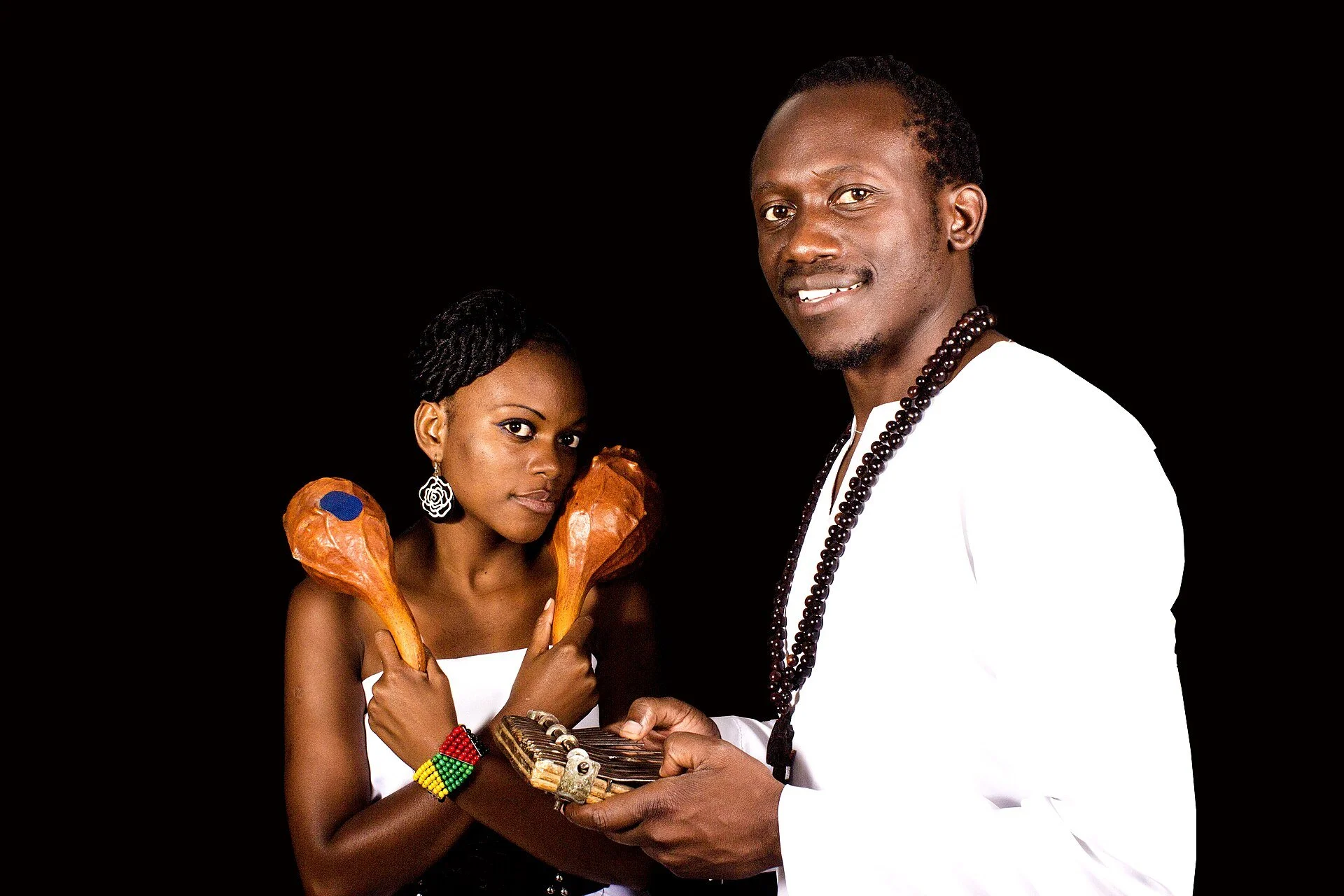
Credit: Malante / Wikimedia Commons, CC BY-SA 4.0
Zimbabwean musicians hold the mbira and hosho, instruments that continue to connect ceremonial knowledge with contemporary performance.
FAQs
What does bira mean in Shona culture?
Bira refers to a ceremony through which a family or community maintains contact with ancestral spirits. It commonly includes music, singing, dancing, and consultation.
How long does a bira ceremony last?
Many mapira begin in the evening and continue until dawn. The length and sequence depend on the family, purpose, and local tradition.
Why is mbira played during a bira?
Mbira music creates a ceremonial setting in which ancestors may communicate through spirit mediums. Its repeating patterns also support singing, dancing, and collective participation.
What is a svikiro?
A svikiro is a spirit medium. During a ceremony, the medium may become the channel through which an ancestral or territorial spirit addresses the family.
Is every bira ceremony the same?
No. Practices vary across Shona regions, communities, and lineages. Some use mbira, while others place greater emphasis on drums or different ceremonial elements.
Is bira still practiced today?
Yes. Bira remains part of life for some Shona families in Zimbabwe and the diaspora. Other families follow Christianity, combine traditions, or choose not to participate.
Conclusion
A bira asks the living to remember that they did not begin with themselves.
Family history is carried through names, stories, obligations, melodies, and the wisdom attributed to those who came before. During the night, music gives that history a place in the present.
For heritage learners, understanding words such as bira, vadzimu, and mhuri changes how Shona culture is heard. The language begins to reveal relationships that English translations cannot fully hold.
Learn Shona Through Culture With NKENNE
With NKENNE, you can learn Shona while exploring the family structures, histories, music, and everyday expressions that give the language its meaning.
Language becomes easier to remember when every word has a home, a story, and a relationship behind it.
