
By: Chimdindu Ken-Anaukwu
Family sits at the heart of Shona culture.
When you meet someone, one of the first things people often ask about is mhuri, the family.
Knowing how to talk about your parents, siblings, children, and friends helps you connect quickly and show respect.
In this guide, I will teach you the key words and ready-to-use phrases so you can join everyday conversations with confidence.
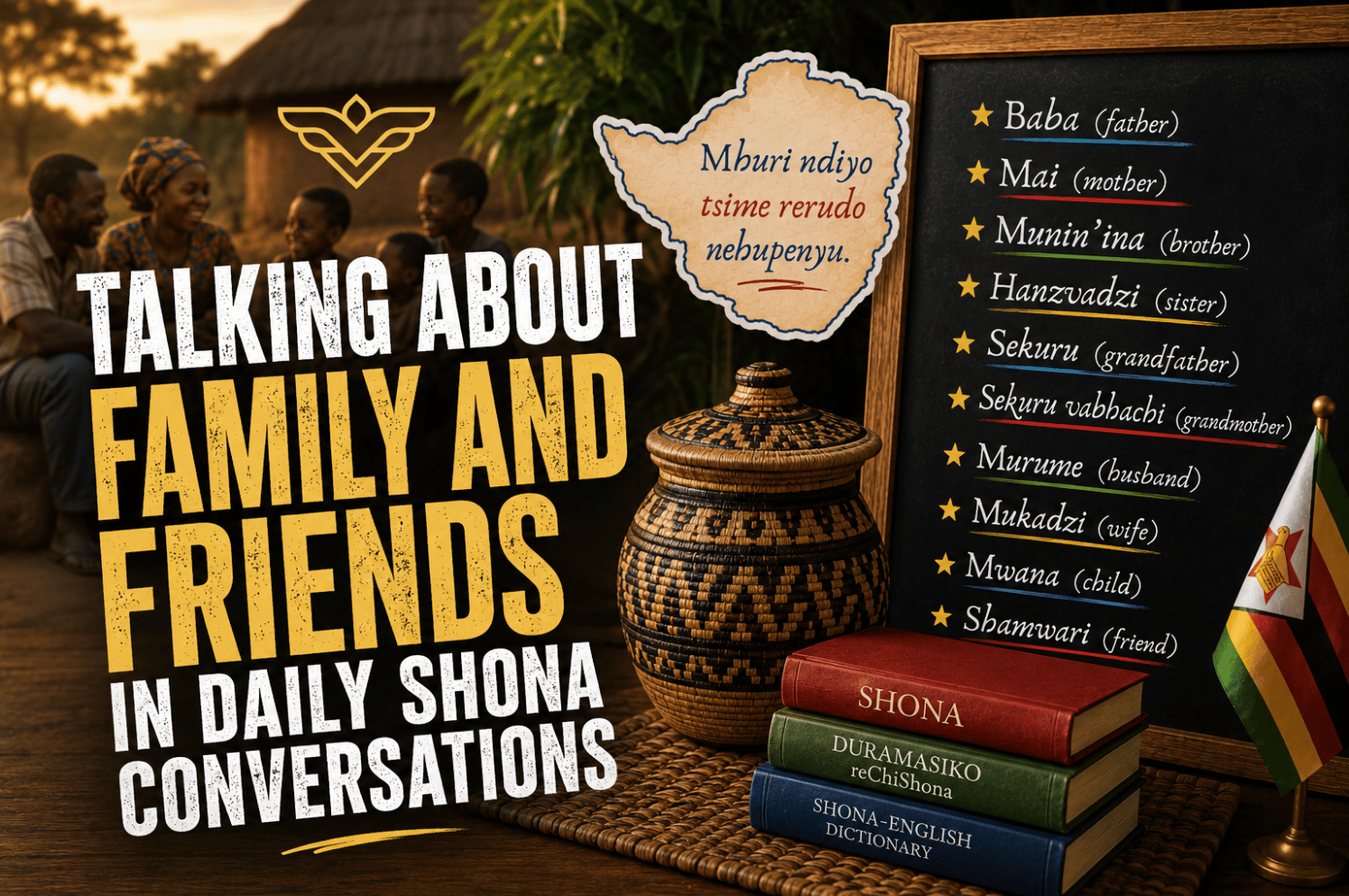
Core Family Vocabulary
Start with these essential words:
Mhuri – family
Amai – mother
Baba – father
Hanzvadzi – sibling (brother or sister)
Mukoma – older brother or older sibling
Munin’ina – younger sibling
Mwana – child
Vana – children
Shamwari – friend
Hama – relative or close person
These words appear in almost every friendly chat.
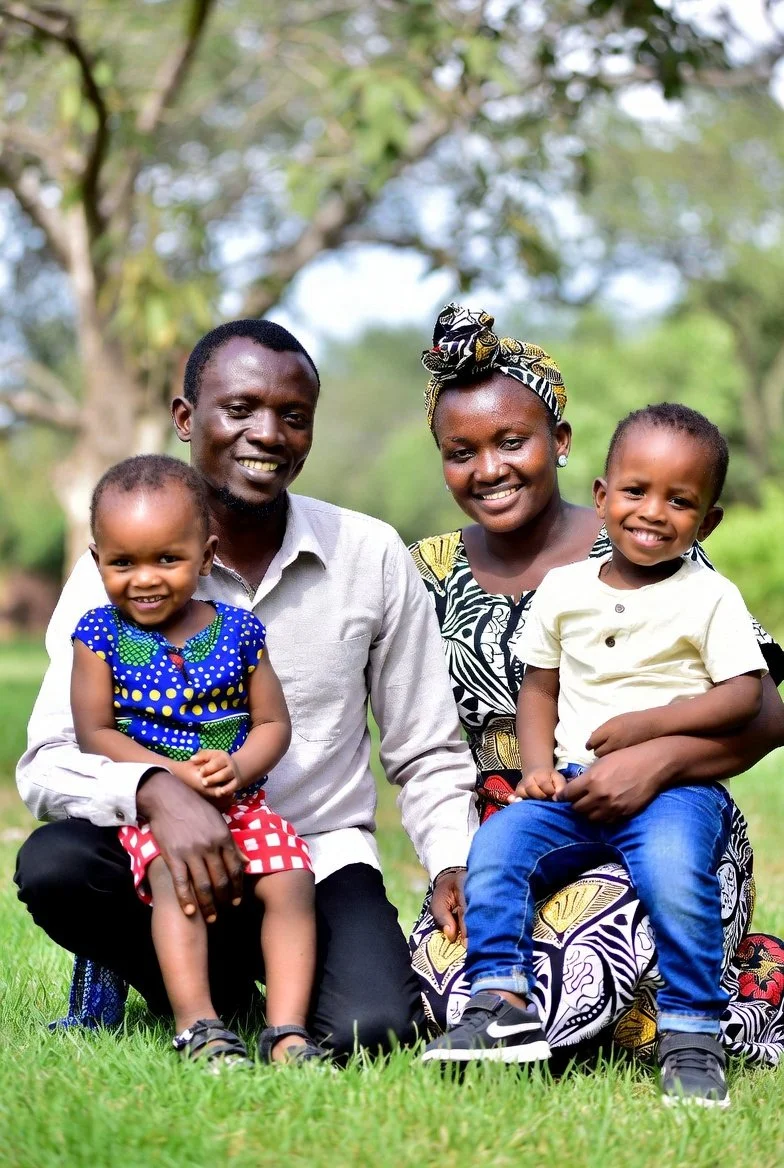
A typical Zimbabwean family gathering, the kind of scene these conversations celebrate.
Talking About Your Own Family
Use these simple sentences to introduce your family:
Ndine mhuri. – I have a family.
Amai vangu ndi… – My mother is…
Baba vangu ndi… – My father is…
Ndine hanzvadzi mbiri. – I have two siblings.
Ndine vana vaviri. – I have two children.
Ndine mwanasikana. – I have a daughter.
Ndine mwanakomana. – I have a son.
When someone asks about your family, these answers feel natural and polite.
Asking About Someone Else’s Family
Shona people often show care by asking about family. Here are useful questions:
Mhuri yako yakadini? – How is your family?
Amai vako vakadini? – How is your mother?
Baba vako vakadini? – How is your father?
Vana vako vakadini? – How are your children?
Hanzvadzi dzako dzakadini? – How are your siblings?
A common polite reply is:
Mhuri yangu iripo. – My family is fine.
Vose varipo zvakanaka. – They are all well.
Talking About Friends
Friends are also important in daily talk.
Ndine shamwari. – I have a friend.
Shamwari yangu ndi… – My friend is…
Tiri shamwari. – We are friends.
Ndinofara shamwari dzangu. – I am happy with my friends.
Shamwari yako yakadini? – How is your friend?
You can combine family and friends smoothly:
Ndine mhuri ne shamwari. – I have family and friends.

Friends sharing stories, a common part of daily Shona conversations.
Real-Life Conversation Examples
Example 1 – Meeting someone new
Person A: Makadini?
Person B: Ndiripo. Mhuri yako yakadini?
Person A: Mhuri yangu iripo zvakanaka. Ndine vana vaviri.
Person B: Zvakanaka. Vana vako vakadini?
Example 2 – Talking about siblings
Person A: Une hanzvadzi here?
Person B: Hongu, ndine mukoma nomunin’ina.
Person A: Vakadini?
Person B: Vose varipo.
These short exchanges happen every day in markets, at work, and in homes.
Frequently Asked Questions
What does mhuri mean in Shona?
Mhuri means family. It is one of the most important words in daily conversation.
How do I say “I have two children”?
Say “Ndine vana vaviri.”
What is the difference between hanzvadzi, mukoma, and munin’ina?
Hanzvadzi is the general word for sibling. Mukoma means older sibling. Munin’ina means younger sibling.
How do I politely ask about someone’s family?
The most common and respectful question is “Mhuri yako yakadini?”
Can I talk about friends the same way?
Yes. Use “shamwari” for friend and similar question patterns such as “Shamwari yako yakadini?”
Is it common to ask about family in Zimbabwe?
Yes. Asking about family shows care and builds connection quickly.
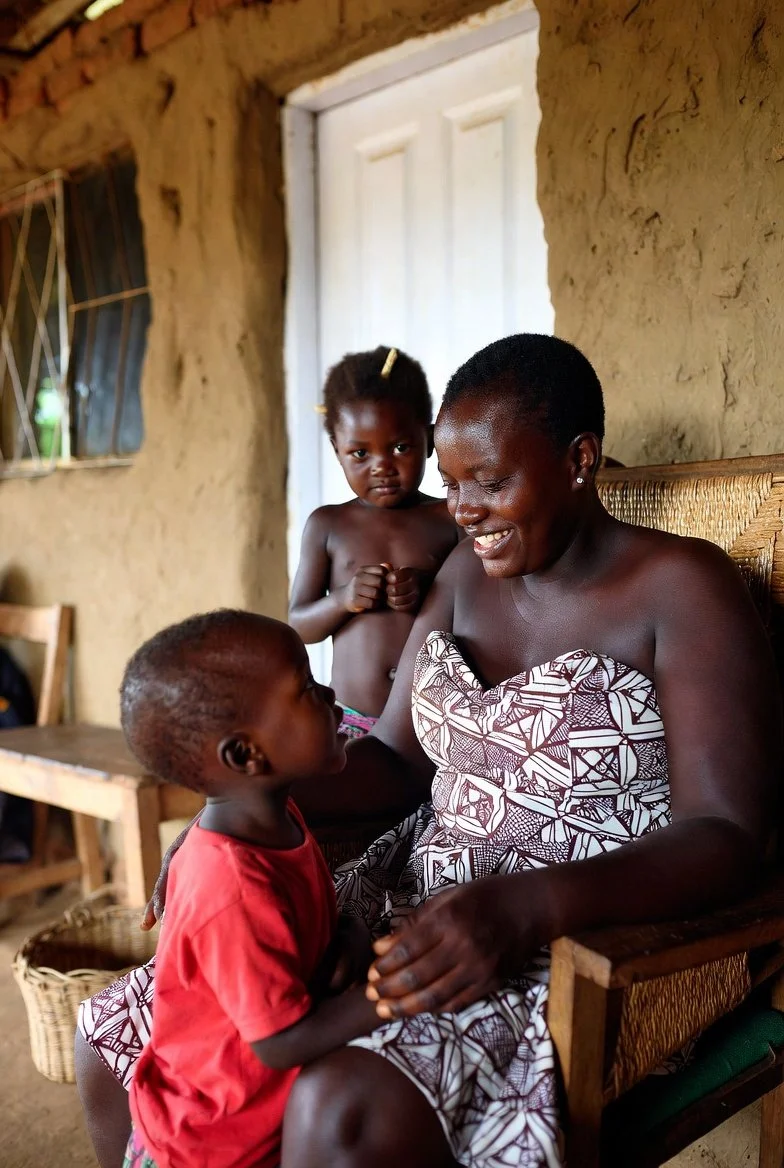
A mother with her children, the heart of many family conversations.
Talking about family and friends is one of the easiest ways to sound natural in Shona.
These words and phrases help you move beyond basic greetings into real conversation.
Practice them with people around you and watch how quickly doors open.
If this helped you feel more confident, keep learning with NKENNE. We are here for the language, the culture, and the pride that comes with speaking your roots.
Maita henyu for reading. Your next conversation just got easier. 👨👩👧👦