
Ulusu (Tripe Stew): The Traditional Dish That Deserves a Comeback
By: Chimdindu Ken-Anaukwu
Few dishes feel as comforting as a pot of slow-simmered chicken stew filling the kitchen with rich aroma. Inyama yenkukhu is a Zulu-style chicken stew cooked until the meat is soft and the gravy is full of flavor. It is a weekend favorite in many homes, often served with isitshwala (stiff pap). In this guide, you will learn how to prepare it the traditional way, balance the flavors properly, and get tender results every time.

What Is Ulusu and Why It Matters
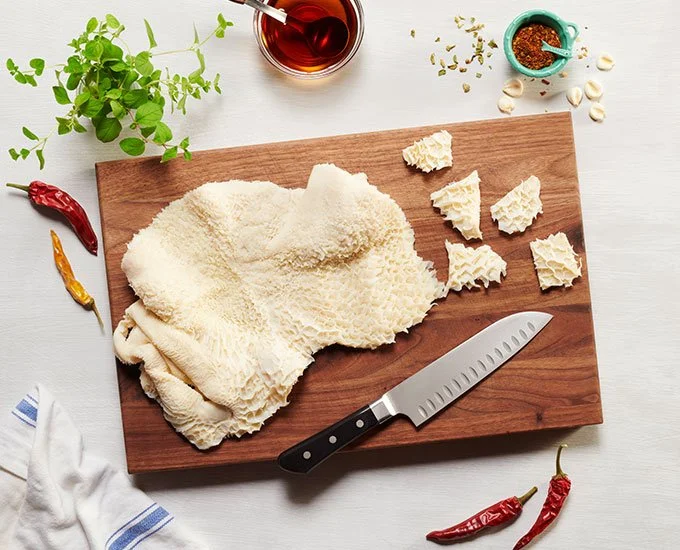
Ulusu is the Zulu name for tripe, usually the stomach lining of a cow.
In many Zulu and broader South African homes, it has long been a valued source of protein and a practical way to use the whole animal.
When cooked slowly, the texture becomes soft and the flavor turns rich and savory.
It is the kind of food that was once common at family gatherings and weekend meals. Bringing it back is a way of keeping practical, delicious traditions alive.
Choosing and Preparing the Tripe
Look for fresh, clean tripe from a trusted butcher.
It is often sold already partially cleaned, but extra care at home makes a big difference.
You can use honeycomb tripe or blanket tripe. Both work well when cooked correctly.
Plan for time. Cleaning and slow cooking cannot be rushed.
How to Clean Tripe Properly
Cleaning is the most important step.
Rinse the tripe thoroughly under cold running water.
Rub it well with coarse salt and a little vinegar or lemon juice to help remove any remaining residue and odor.
Rinse again until the water runs clear.
Some cooks boil the tripe in water with a bit of salt and vinegar for 10–15 minutes, then discard that water and rinse once more.
Cut the cleaned tripe into bite-sized pieces.
Proper cleaning removes unwanted smells and prepares the tripe for good flavor absorption.
Traditional Ulusu Stew Recipe
Ingredients (serves 4–6):
1–1.5 kg cleaned tripe, cut into pieces
2 large onions, chopped
3–4 ripe tomatoes, chopped
2 tablespoons tomato paste (optional)
2–3 tablespoons cooking oil
2–3 garlic cloves, crushed
1 teaspoon mild curry powder or paprika (optional)
Salt and black pepper to taste
Water or stock as needed
Optional: green pepper, bay leaves, or a little chili
Steps:
Place the cleaned tripe in a large pot. Cover with water, add a pinch of salt, and bring to a boil.
Reduce heat and simmer for 1.5 to 2 hours until the tripe starts to soften. Drain and set aside.
In a clean pot, heat the oil and fry the onions until soft and golden.
Add garlic, then the tomatoes and tomato paste. Cook until the mixture thickens into a rich base.
Return the tripe to the pot. Add enough water or stock to create a good gravy.
Season with salt, pepper, and optional spices.
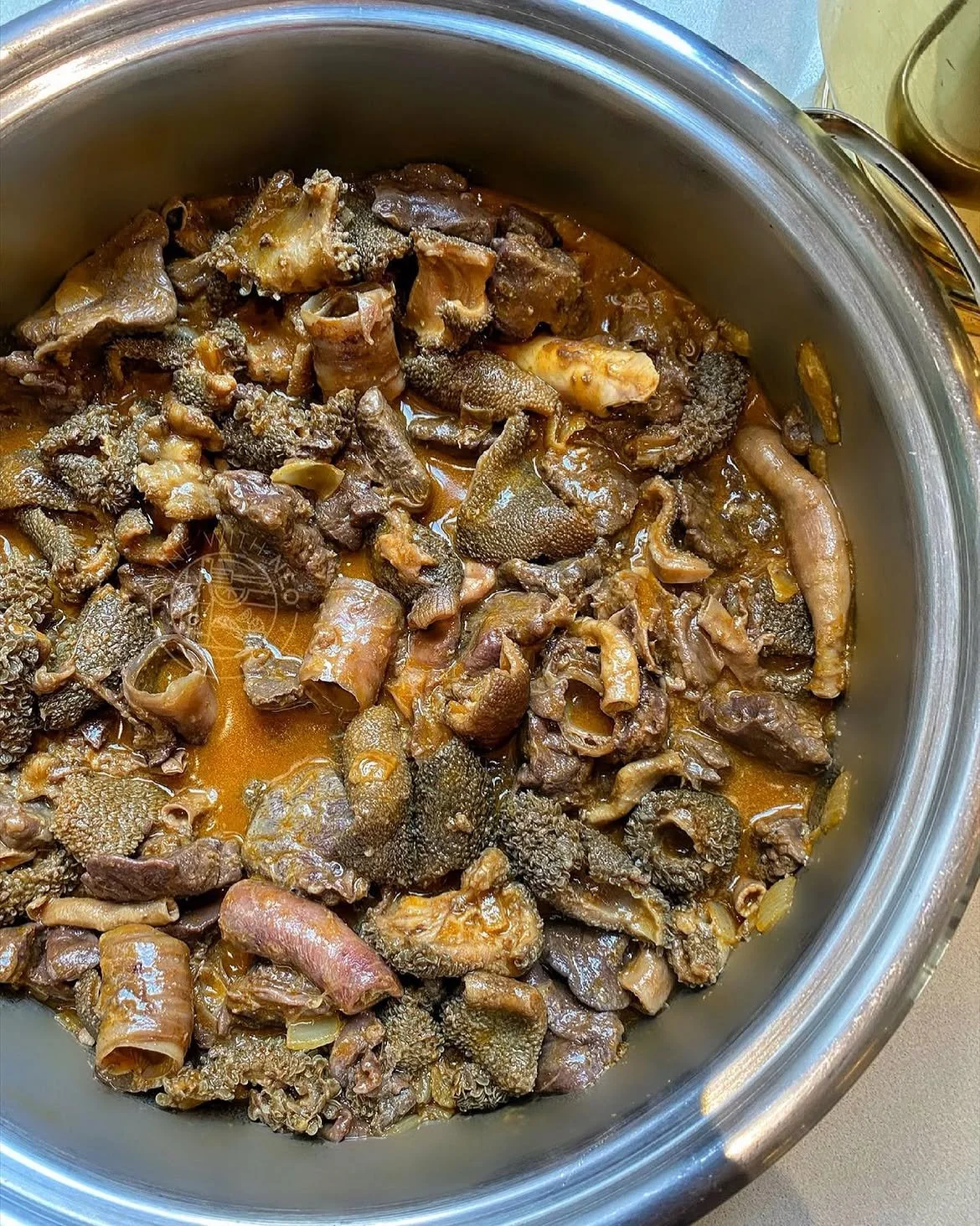
Cover and simmer on low heat for another 45–60 minutes until the tripe is very soft and the gravy is rich.
Taste and adjust seasoning before serving.
The longer, gentle cooking is what transforms the texture.
Tips for Soft and Flavorful Results
Never skip the thorough cleaning step.
First boiling helps remove remaining impurities and begins the tenderizing process.
Low and slow is the only way. High heat makes tripe tough.
A flavorful tomato-onion base is essential for a good gravy.
Let the finished stew rest for a few minutes before serving so the flavors settle.
How to Serve Ulusu the Right Way
Serve hot with isitshwala (stiff pap).
The rich gravy should be generous so it can be soaked up by the pap.
Some people also enjoy it with soft steamed bread (ujeqe) or plain rice.
A simple side of morogo or salad adds freshness to the plate.

FAQs
Does tripe smell strong while cooking?
If cleaned properly, the smell should be mild. The initial boiling and rinsing help a lot.
How long does it take to cook ulusu until soft?
Expect a total of 2.5 to 3.5 hours of cooking time for truly tender results.
Can I cook ulusu in a pressure cooker?
Yes. A pressure cooker can reduce the cooking time significantly while still giving soft results.
Is ulusu healthy?
It is high in protein and nutrients. Like most traditional dishes, it is best enjoyed as part of a balanced meal.
Can I prepare it in advance?
Yes. Ulusu often tastes even better the next day after the flavors have developed further.
What if I cannot find tripe?
Ask your local butcher. In many South African markets and butcheries it is still readily available.
Final Thoughts on This Classic Dish
Ulusu is honest, practical food. When cleaned well and cooked with patience, it becomes soft, rich, and deeply satisfying. This is the kind of dish that connects people to older ways of cooking and using the whole animal with respect. Bringing it back into regular rotation is a quiet way of keeping tradition alive on the plate. Once you master it, you will understand why so many people still speak of it with fondness.
Ready to Cook More Traditional Food?
At NKENNE, we celebrate real African dishes that deserve to be cooked and enjoyed. Explore our other recipes for isitshwala, umngqusho, chicken stew, and more. Bring these flavors into your kitchen and keep the heritage cooking. Your next comforting meal starts here.