
The Quiet Power of Hausa Women Traders (Yan Talla)
By: Chimdindu Ken-Anaukwu
From precolonial markets to today’s e-commerce
Hausa women have always been economic actors. Long before modern banks or online shops, they moved goods, managed money, and supported families through trade. The term yan talla captures this quiet but steady power.
This guide traces their role from traditional markets through seclusion practices to the digital platforms of today. It shows how Hausa women have adapted while keeping control of their economic lives.
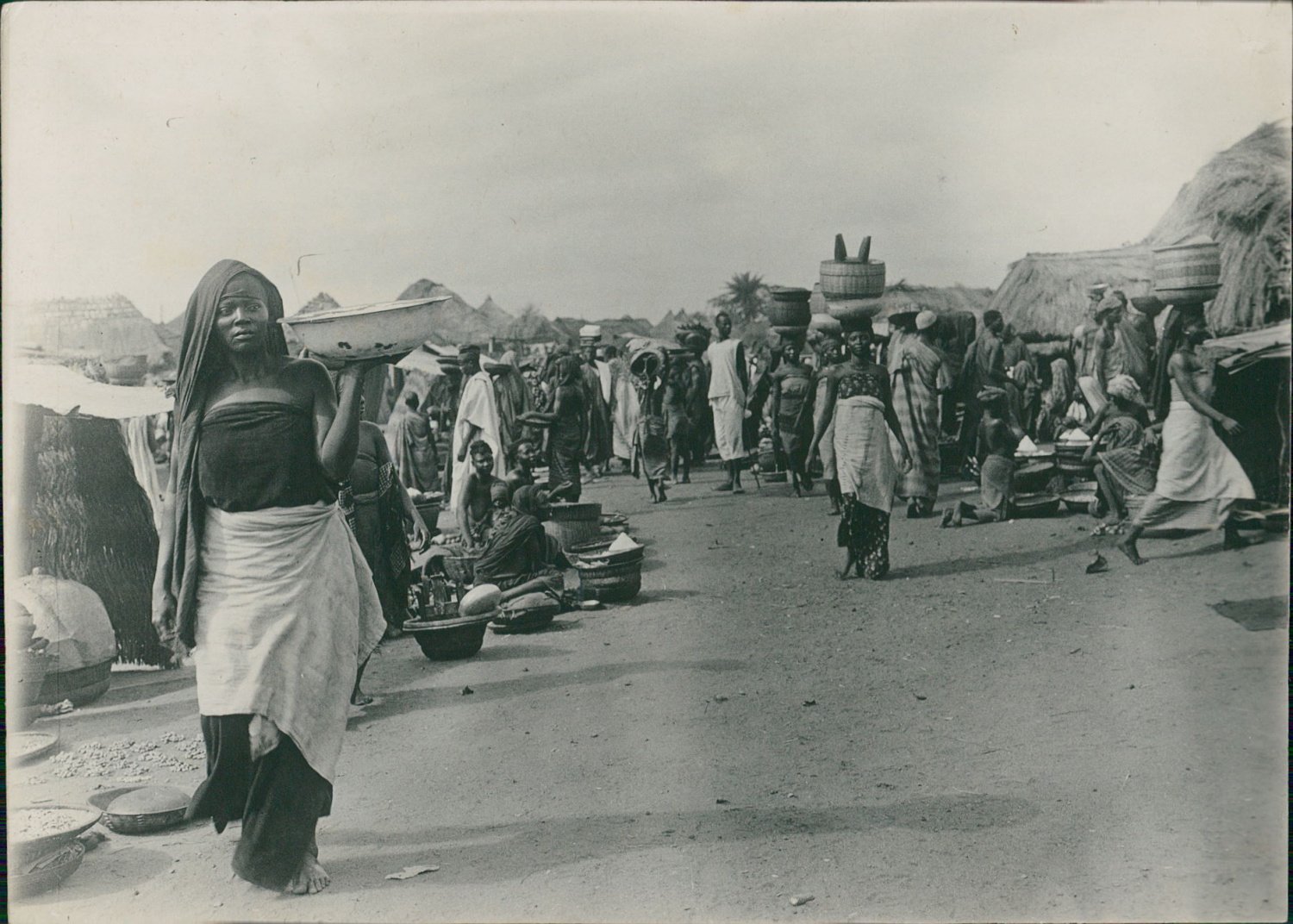
Who Are the Yan Talla?
Yan talla are Hausa women who engage in trade. Some sell openly in markets. Many others operate from inside the home, sending goods out through children, relatives, or trusted intermediaries.
Their work is often described as quiet because it does not always appear in public records or formal statistics. Yet it has long formed a major part of household income and local economies across Hausaland.
Precolonial Markets and Open Trade
Before the rise of stricter seclusion practices, Hausa women participated actively in open markets. They sold foodstuffs, grains, prepared snacks, cloth, and household items.
Markets were central to Hausa city life. Women held recognized roles in measuring and selling certain goods. Older women in particular often managed trade with relative freedom. Their activity helped keep food and daily necessities moving between producers and consumers.
Seclusion and the Rise of Hidden Trade
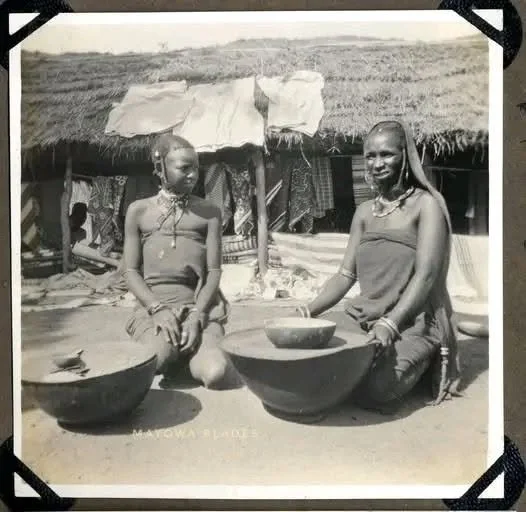
With the spread and deepening of Islamic practices, especially after the Sokoto Caliphate, many married women observed greater seclusion. This did not end their economic role. It changed the form.
Women developed what scholars call hidden trade. They prepared food, processed grains, made snacks, or sold goods from within the compound. Children or junior relatives carried the products to market or delivered them to buyers. Women still controlled the capital, pricing, and profits.
This system allowed them to earn money while remaining within social and religious expectations. It also gave them a measure of financial independence inside the household.
What Women Traded and How
Common goods included cooked food, snacks, grains, spices, cloth, cosmetics, and small household items. Some women specialized in particular products and built steady customer networks.
Capital often came from their own savings, gifts at marriage, or small loans from female relatives and friends. Many reinvested profits carefully. Over time, successful traders expanded their range of goods or moved into more profitable lines.
The work required skill in calculation, negotiation, quality control, and customer relations. These abilities passed from mothers and aunts to younger women.
From Home Trade to Digital Markets
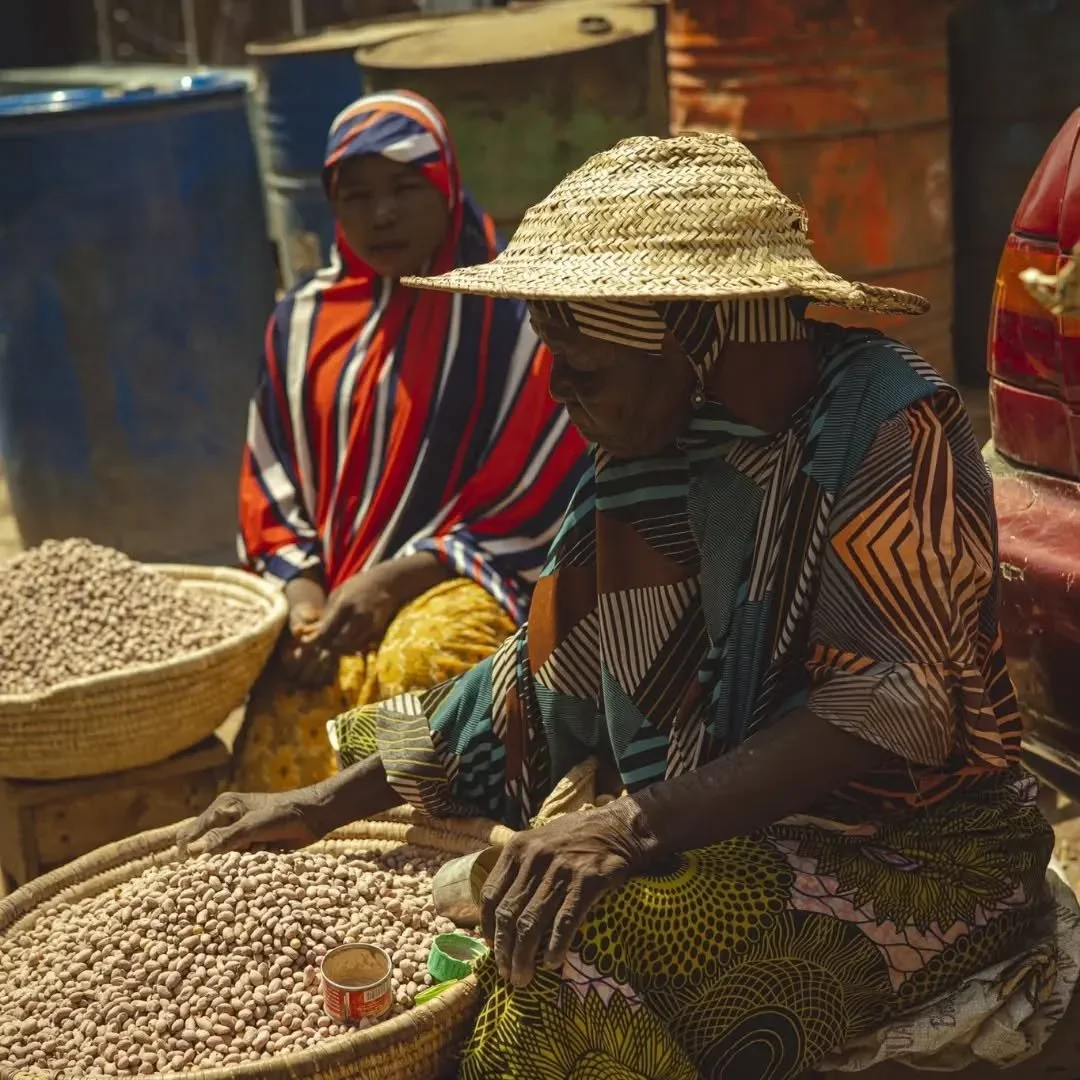
Today many Hausa women continue the same entrepreneurial spirit through phones and social media. WhatsApp statuses, Instagram pages, and Facebook groups have become new versions of the old home-based trade.
Women sell clothes, beauty products, food items, crafts, and more. Customers order, pay through transfers or PoS, and receive delivery. The pattern remains familiar: the trader manages the business from home or a small shop while reaching a wider circle of buyers.
Digital tools have lowered some barriers. A woman can now serve customers in other cities or states without leaving her compound. The quiet power has simply moved onto new platforms.
Why This Quiet Power Matters
Yan talla show that economic contribution does not always look loud or public. Hausa women have sustained families, funded education, and kept local commerce running through patient, consistent work.
Their story challenges the idea that seclusion equals economic inactivity. It also highlights continuity. The same skills of trade, thrift, and network-building that worked in precolonial markets now operate in e-commerce.
Recognizing this history gives a fuller picture of Hausa society and of women’s agency within it.
Frequently Asked Questions
What does yan talla mean?
It refers to Hausa women traders, especially those involved in small and medium-scale commerce.
Did seclusion stop women from trading?
No. It changed the method. Many shifted to home-based or intermediary trade while keeping control of their businesses.
What is hidden trade?
It is the system in which secluded women sell goods from the compound through children, relatives, or messengers.
Are Hausa women still active in trade today?
Yes. Many run successful businesses through traditional markets, home sales, and digital platforms.
Why is this history important?
It shows long-standing economic agency and helps correct the view that Hausa women have been passive in economic life.
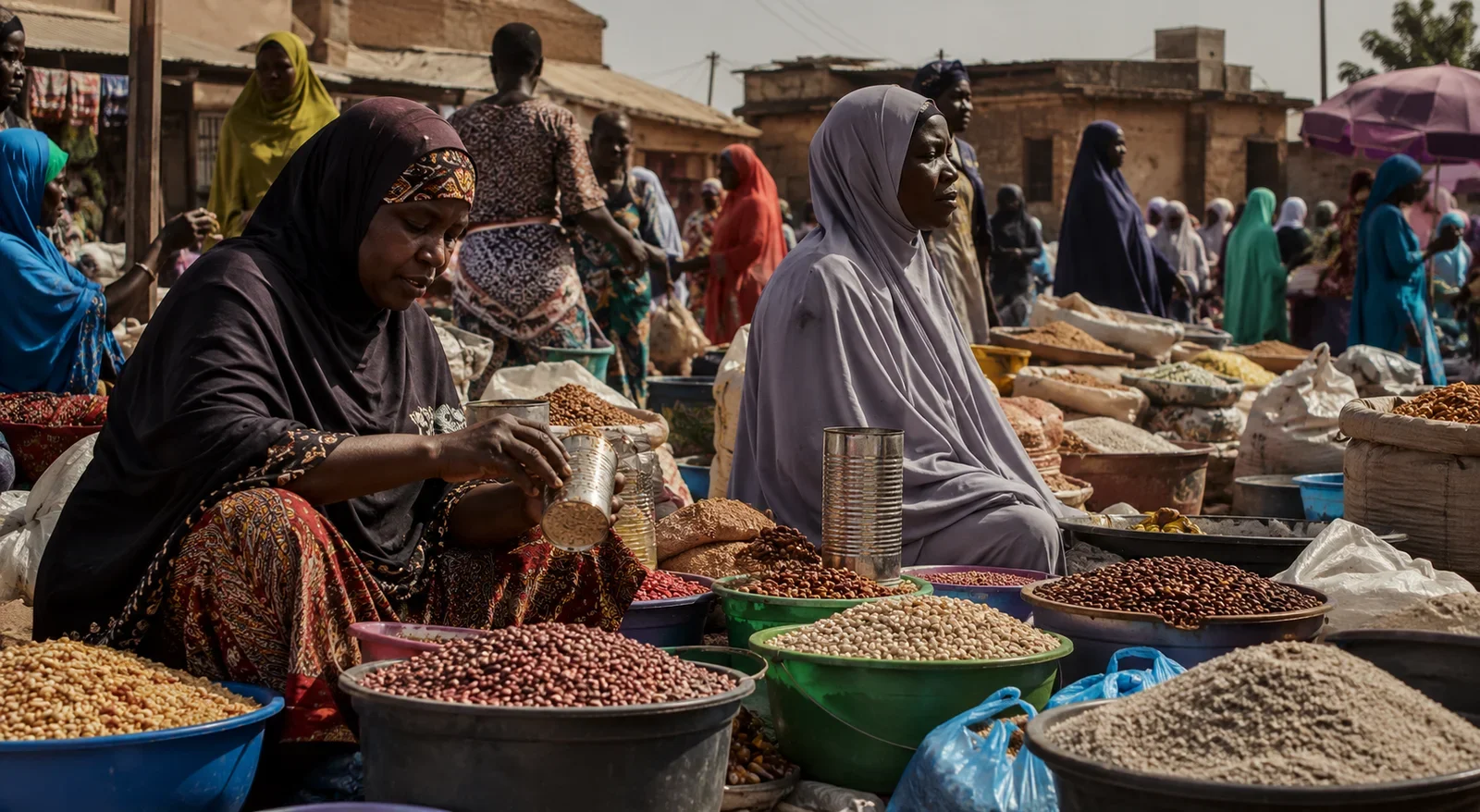
The quiet power of yan talla runs from the old marketplaces of Hausaland to the WhatsApp statuses of today. It is a story of adaptation, skill, and steady contribution that deserves clearer recognition.
Want to explore more stories of Hausa economic life, culture, and history? NKENNE has guides that go deeper. Come learn with us.