
Zulu Resistance History: From Colonial Wars to Apartheid Struggles
By: Chimdindu Ken-Anaukwu
Picture this: A Zulu army, armed with spears, crushes a British force equipped with rifles. That happened at Isandlwana in 1879. In this guide, you'll trace Zulu resistance history through colonial wars and apartheid battles. You'll gain insights into key figures like Cetshwayo and Buthelezi, and see why this legacy fuels cultural pride today.
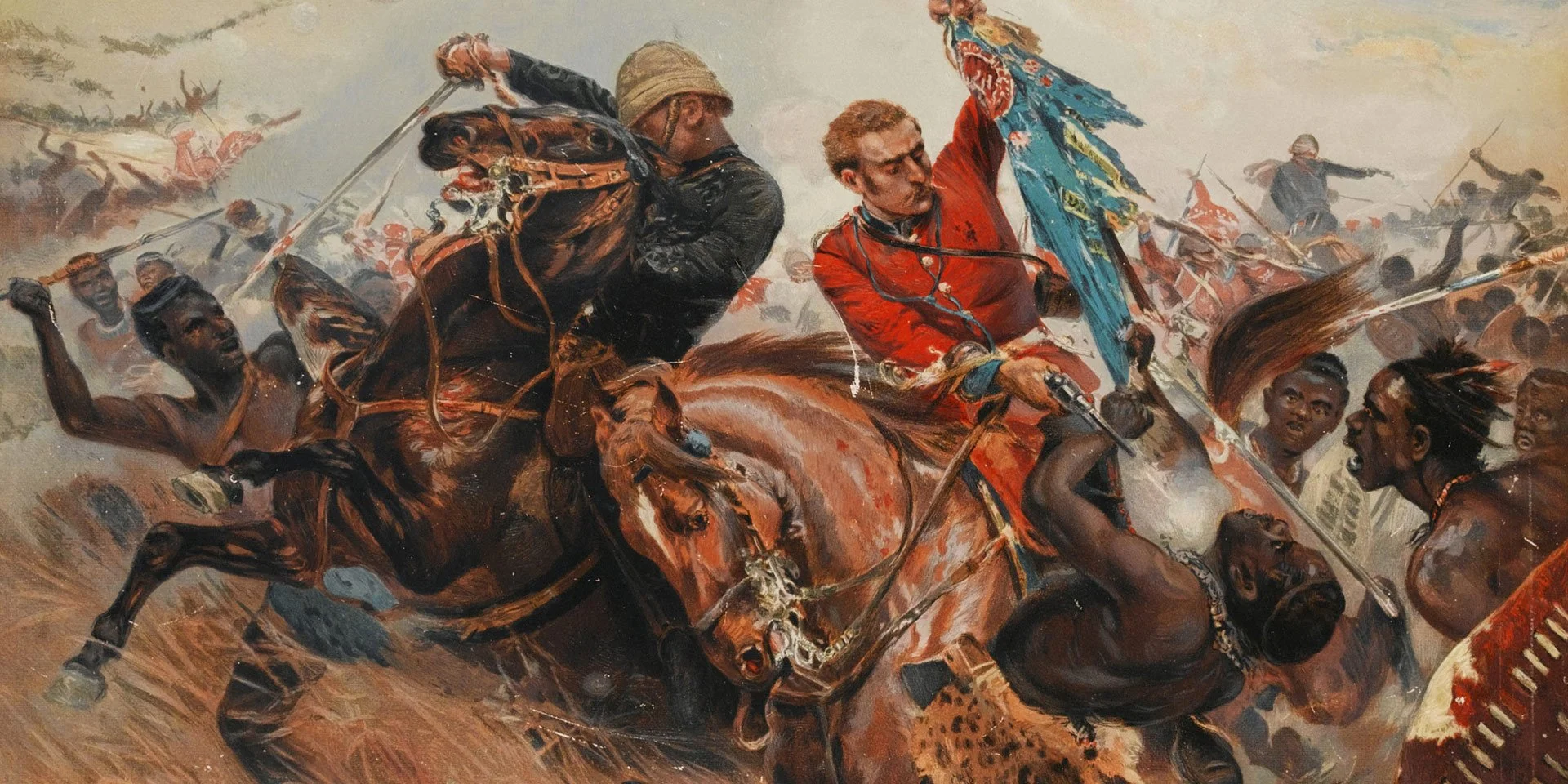
Roots of Zulu Warrior Spirit: Pre-Colonial Foundations
Zulu resistance history starts long before Europeans arrived.
Under King Shaka in the early 1800s, the Zulu built a powerful kingdom through military reforms.
Shaka introduced the iklwa spear and bullhorn tactics, turning warriors into a disciplined force.
This foundation helped Zulus defend their land against later invaders.
It fostered a culture of unity and strategy that echoed through centuries.
The Anglo-Zulu War: Clashes That Defined Resistance
The Anglo-Zulu War erupted in 1879 over border disputes and British expansion.
Zulus faced a well-armed British army intent on control.
Tensions boiled after Britain annexed the Transvaal, shifting alliances.
The war highlighted Zulu tactical brilliance against colonial might.
Key battles showed how underdogs could challenge empires.
Battle of Isandlwana: A Stunning Zulu Victory
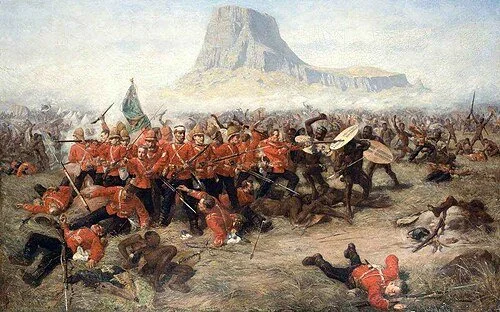
On January 22, 1879, 20,000 Zulu warriors attacked a British camp at Isandlwana.
Led by commanders like Ntshingwayo, they used terrain to their advantage.
The British, under Lord Chelmsford, split forces, leaving the camp vulnerable.
Zulus overwhelmed them, killing over 1,300 soldiers in hours.
This defeat shocked Britain, proving Zulu resistance could humble a superpower.
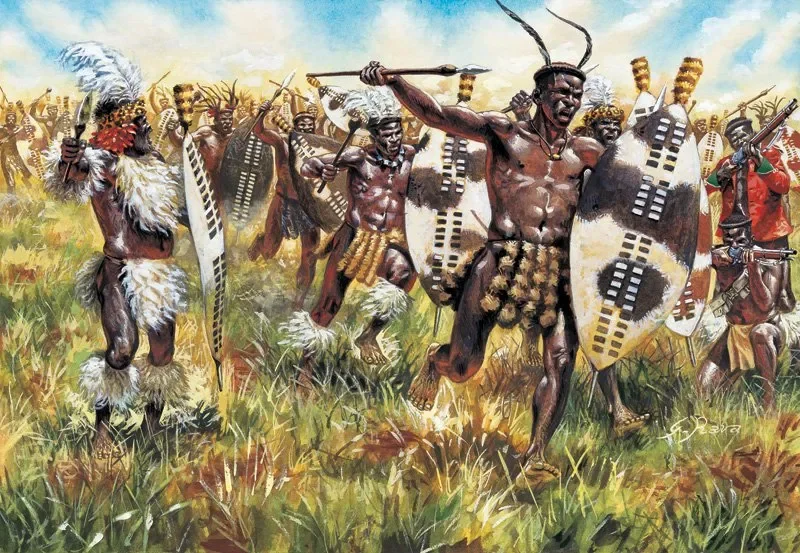
The Zulu Resistance Against The British At Isandlwana
Aftermath and Ulundi: The War's Turning Point
British reinforcements arrived, leading to the Battle of Ulundi in July 1879.
Zulus fought fiercely but faced artillery and mounted troops.
Over 1,000 Zulus died, marking a British win.
The war ended Zulu independence, but it inspired future resistance.
These events live in stories, teaching tactics and courage.
King Cetshwayo: Defiance Against Invasion
King Cetshwayo ruled from 1872, rebuilding Zulu military strength.
He rejected British demands to disarm, sparking the war.
After Isandlwana, he sought peace but faced exile.
Captured in 1879, he was sent to Cape Town, then London.
Restored briefly in 1883, civil war followed with rival Zibhebhu.
Cetshwayo died in 1884, but his stand symbolized unyielding spirit.
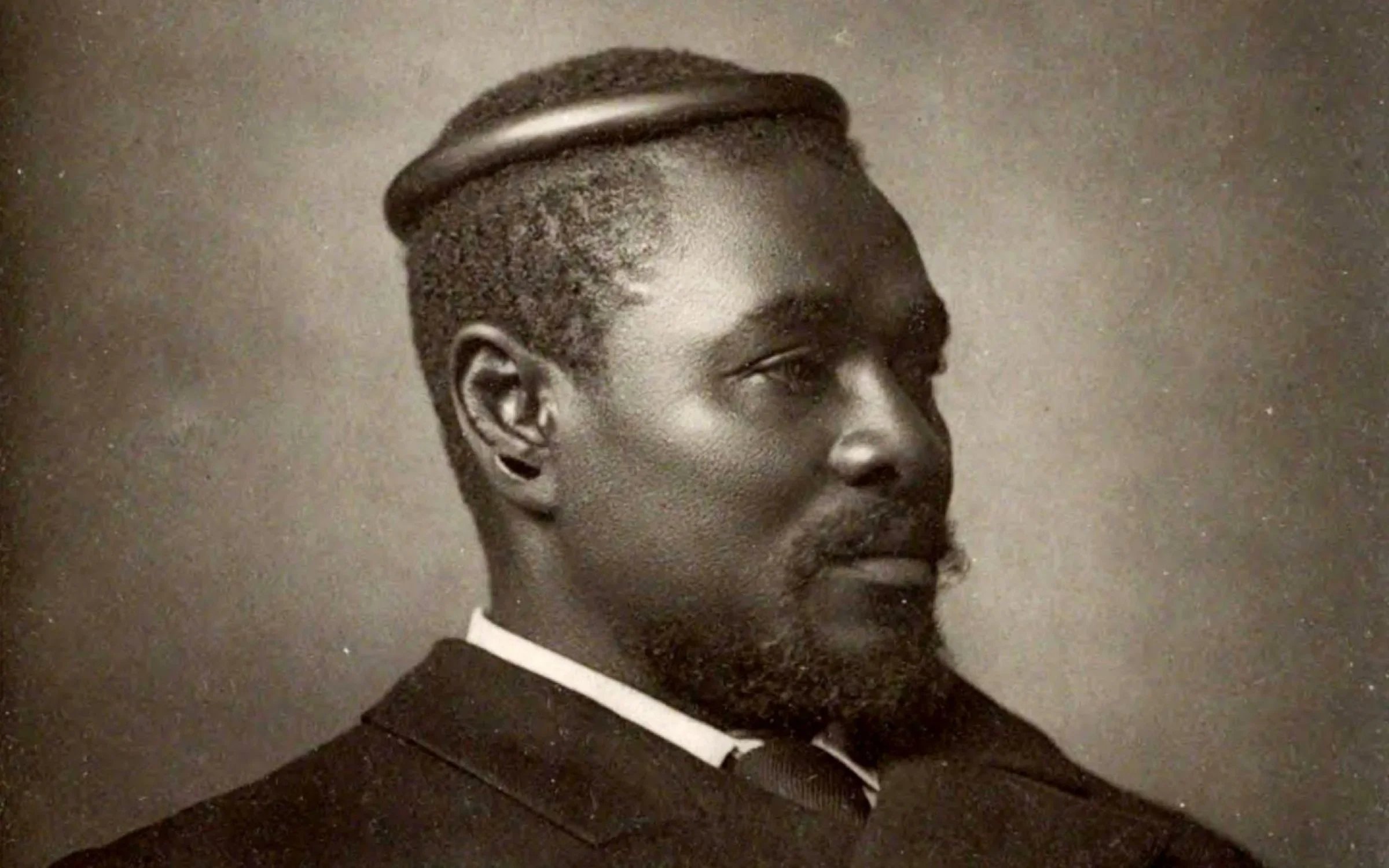
When King Cetshwayo came to London - Engelsberg ideas
His legacy? Zulu pride in facing colonial powers head-on.
Today, his story appears in films and books, reminding us of leadership under pressure.
Shifting Battles: From Colonial Rule to Apartheid
Post-war, Zululand was divided into chiefdoms by Britain.
This weakened unity, setting the stage for apartheid's bantustans.
In 1948, apartheid formalized segregation, creating KwaZulu.
Zulus resisted through unions and cultural movements.
The 1970s saw revivals like Inkatha, blending tradition with politics.
These shifts turned armed fights into political ones.
Mangosuthu Buthelezi: Leadership in Turbulent Times
Mangosuthu Buthelezi became KwaZulu's chief minister in 1976.
He founded Inkatha in 1975, opposing apartheid while working within the system.
Buthelezi refused KwaZulu independence, lobbied for Mandela's release.
Yet, Inkatha clashed violently with ANC, causing thousands of deaths.
His role was controversial: resistor or collaborator?
He served as home affairs minister post-1994 under Mandela.
Buthelezi died in 2023 at 95, leaving a mixed legacy in Zulu anti-apartheid struggles.
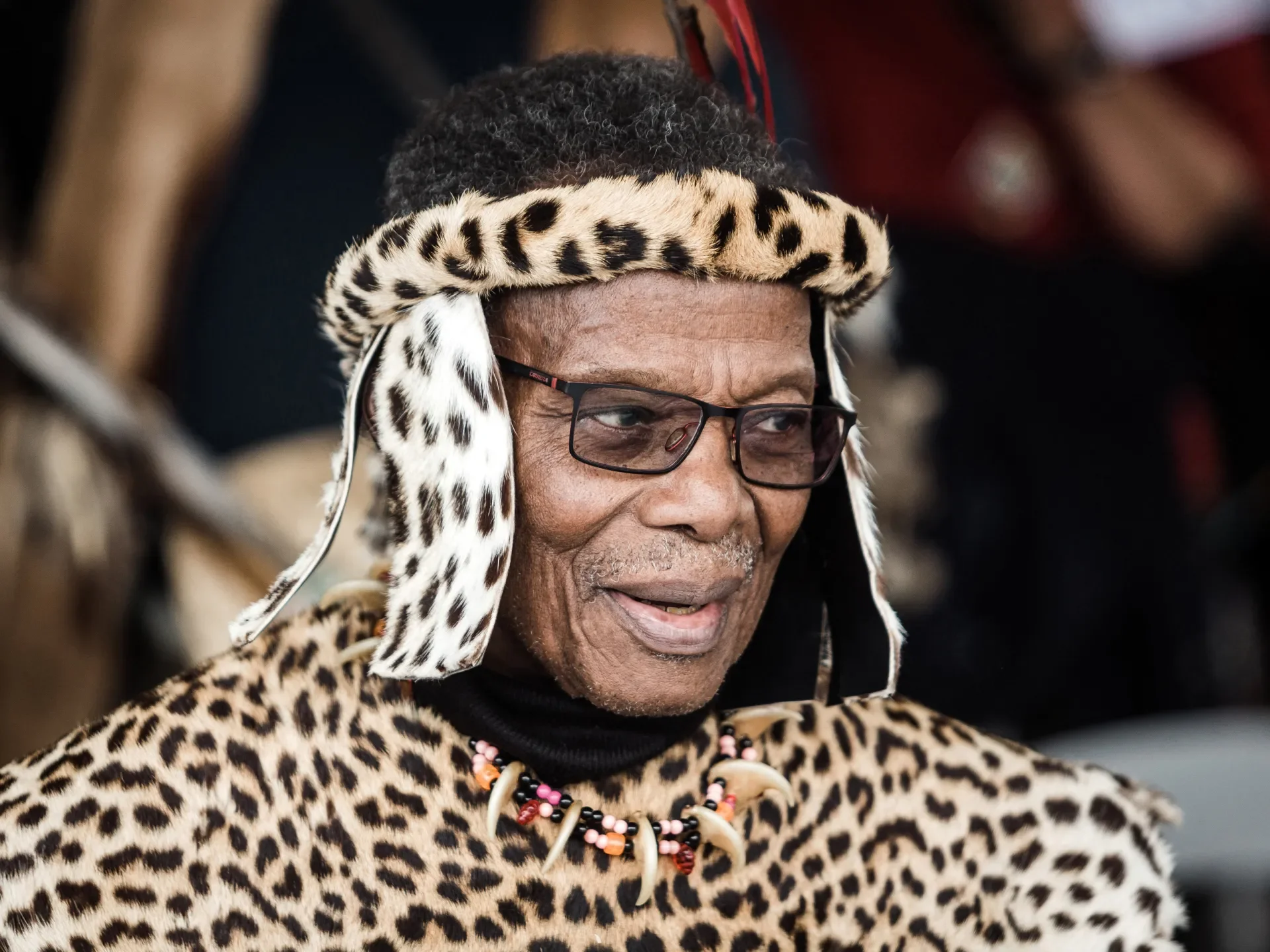
Mangosuthu Buthelezi: South African leader and Zulu prince dies ...
Enduring Impact: Zulu Resilience in Modern South Africa
Zulu resistance history influences today's identity.
Battles like Isandlwana inspire pride in schools and media.
Leaders like Cetshwayo and Buthelezi show adaptation in fights for justice.
In post-apartheid South Africa, Zulu culture thrives in festivals and politics.
This history teaches unity against oppression, relevant in global struggles.
It connects past warriors to modern activists.
FAQs
What sparked the Anglo-Zulu War?
British demands for Zulu disarmament and border issues ignited the conflict in 1879. Cetshwayo refused, leading to invasion.
How did the Battle of Isandlwana change perceptions?
It proved indigenous forces could defeat Europeans, boosting Zulu morale and shocking Britain.
What was King Cetshwayo's fate after the war?
Exiled to Cape Town and London, he returned briefly but died amid civil strife in 1884.
Did Mangosuthu Buthelezi oppose apartheid fully?
He rejected bantustan independence and pushed for Mandela's freedom, but his Inkatha clashed with ANC groups.
How does Zulu resistance history appear in modern culture?
Through commemorations, like Isandlwana speeches, and media like films on Shaka and Cetshwayo.
Why study Zulu colonial wars today?
They reveal patterns of resistance that shaped South Africa's democracy and foster cultural understanding.
Final Thoughts on Zulu Strength
Zulu resistance history isn't ancient tales; it's a blueprint for standing firm. From Cetshwayo's battles to Buthelezi's political maneuvers, it shows how one group's fight echoes in a nation's freedom. Embrace this knowledge; it builds respect for the past and hope for tomorrow.
Ready to Explore More?
At NKENNE, we bring African histories to life. Dive into our Zulu culture courses or blogs on warrior traditions. Connect with your heritage, start your journey with us today.