
Muamba de Galinha: Angola's Iconic Chicken Stew
By: Chimdindu Ken-Anaukwu
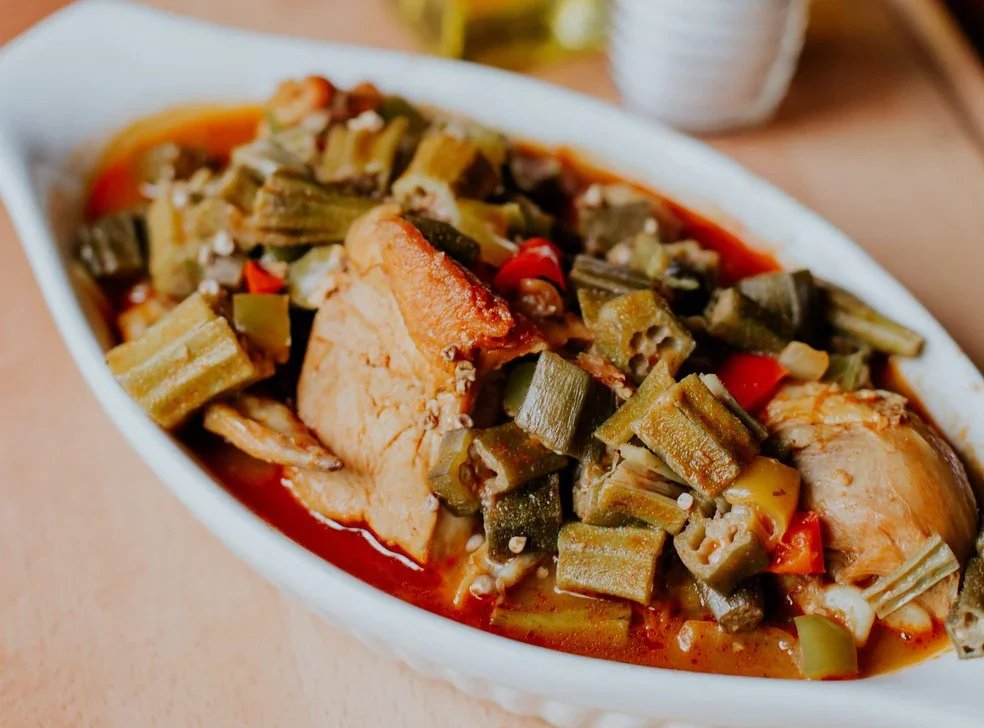
Imagine sitting in a bustling Luanda market, where the air hums with the scent of red palm oil and spices. That's the world of Muamba de Galinha, Angola's national dish that ties generations together. In this guide, you'll uncover its deep roots, simple recipe, and key Portuguese words to make it your own. By the end, you'll not only know how to cook it but also speak a bit more like an Angolan local.
The Rich History Behind Muamba de Galinha
Muamba de Galinha traces back to Angola's Bantu roots, blending indigenous flavors with Portuguese influences from centuries of colonization.
This chicken stew evolved in Central Africa, but Angola's version stands out with its palm oil base, no peanuts like in neighboring countries.
Portuguese traders brought new spices, yet local Kimbundu people shaped it into a symbol of resilience.
Today, it's a staple at family gatherings, showing how food preserves history in Lusophone Africa.
Key Ingredients and Their Portuguese Names
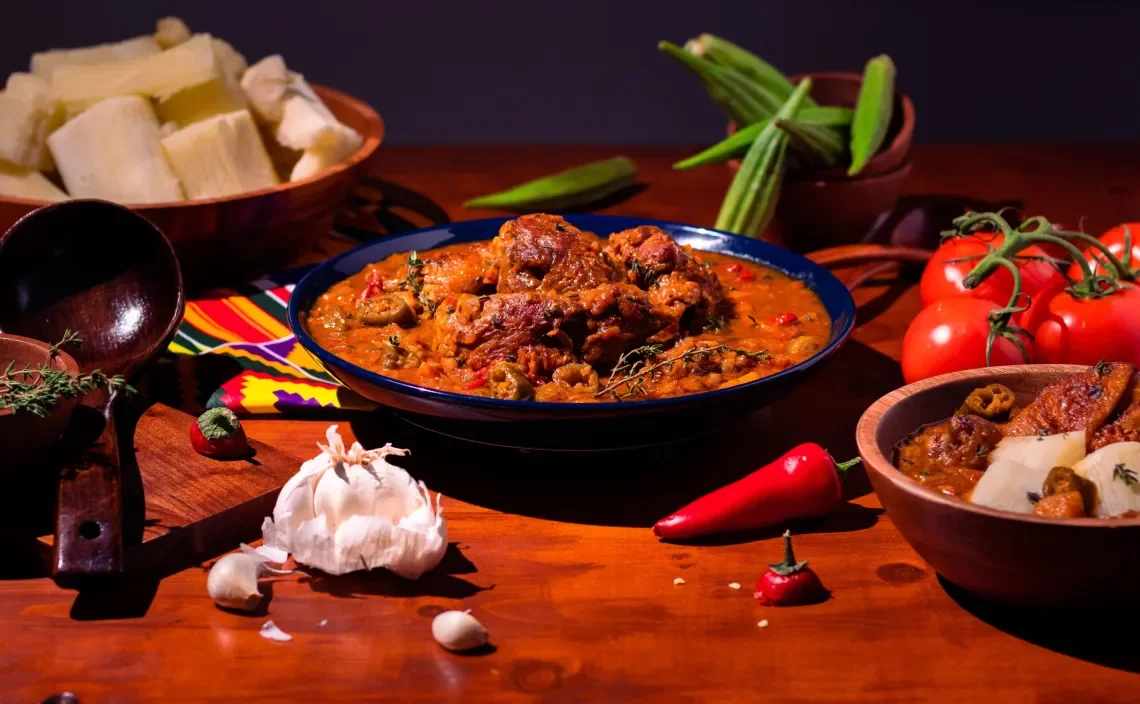
Muamba de Galinha relies on simple, fresh staples that highlight Angolan flavors and build your Portuguese vocabulary. These elements create the dish's signature thickness, heat, and richness.
Galinha (Chicken): The heart of the dish; use fresh pieces for authentic taste.
Óleo de Dendê (Red Palm Oil): Gives that nutty richness; it's essential in Angolan cuisine.
Quiabo (Okra): Adds thickness to the stew.
Abóbora (Squash): Provides subtle sweetness.
Alho (Garlic): A key spice for depth.
Cebola (Onion): Builds the flavor base.
Pimenta (Chili Pepper): Brings the heat.
Tomate (Tomato): Used in the base for tanginess.
Limão (Lemon): To marinate and brighten flavors.
Step-by-Step Recipe: Cooking Like an Angolan
First, marinate the galinha with limão, alho, and sal (salt) for an hour. This tenderizes it.
Heat óleo de dendê in a "panela" (pot), then brown the chicken.
Add cebola, tomate, and pimenta. Stir until fragrant – that's "refogar" in Portuguese.
Toss in quiabo and abóbora, cover with water, and simmer for 45 minutes.
Serve with "funge" (cassava porridge), a common side in Angolan meals.
This method teaches practical cooking verbs like "cozinhar" (to cook) and "misturar" (to mix).
Cultural Significance in Lusophone Africa
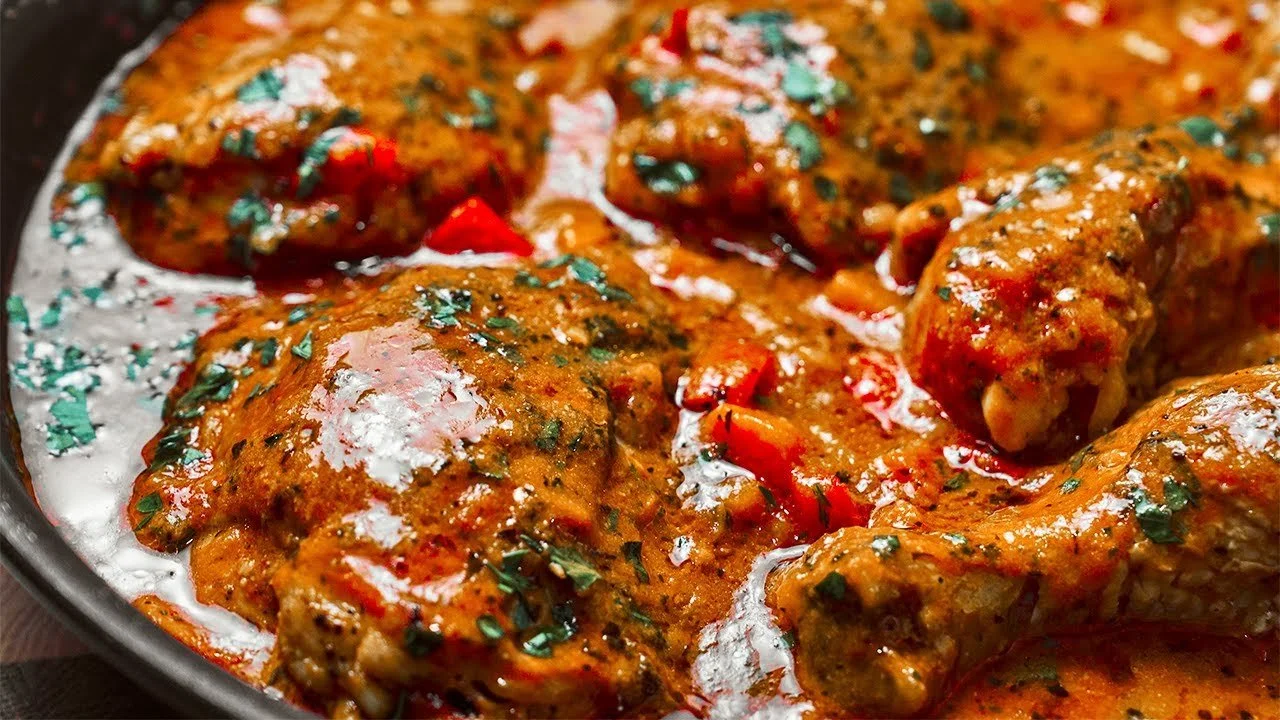
In Angola, Muamba de Galinha isn't just food; it's a bridge to community.
Prepared for weddings and holidays, it embodies hospitality in Lusophone African countries like Mozambique too.
The dish highlights indigenous languages' influence on Portuguese, with words like "muamba" from Kimbundu meaning stew.
Eating it connects you to Angola's post-colonial identity, fostering cultural pride.
It's a reminder of shared meals strengthening family bonds across generations.
Modern Twists for Today's Kitchen
Swap galinha for vegetarian options like mushrooms to suit urban lifestyles.
Add coconut milk for a Mozambique-inspired fusion, blending Lusophone flavors.
Use air fryers to crisp the chicken, cutting down on óleo de dendê for health.
In diaspora communities, it's paired with rice instead of funge for quick meals.
These adaptations keep the tradition alive while fitting modern schedules.
Experimenting builds your confidence in African Portuguese recipes.
FAQs
What makes Muamba de Galinha Angola's national dish?
It's a flavorful chicken stew rooted in local traditions, symbolizing community and heritage in Angolan cuisine.
How does Muamba de Galinha differ from other African stews?
Angola's version skips peanuts, focusing on red palm oil for a unique nutty depth unlike Congolese moambe.
What Portuguese words should I learn for cooking this?
Key ones include "galinha" (chicken), "óleo de dendê" (palm oil), and "quiabo" (okra) – basics for Lusophone African cuisine.
Can I make Muamba de Galinha vegetarian?
Yes, replace chicken with vegetables or tofu, keeping the spices for authentic taste.
Where can I find ingredients for Angolan recipes?
African markets or online stores stock óleo de dendê; substitutes like paprika oil work in a pinch.
How does this dish tie into learning Portuguese?
Cooking introduces vocabulary like "refogar" (sauté), making language practice fun and cultural.
Final Thoughts
Muamba de Galinha shows how food weaves history, flavor, and language into everyday life. Mastering it deepens your appreciation for Lusophone Africa's vibrant heritage. You've gained tools to cook, converse, and connect – a small step toward bigger cultural understanding.
Ready to expand your Portuguese skills? Join NKENNE for immersive lessons on African languages and traditions. Let's explore more together.