
Master Hausa Adjectives: How to Describe People, Places, and Everything In Between
By: Chimdindu Ken-Anaukwu
Did you know that in Hausa culture, a simple description can open doors to deeper relationships? Think about complimenting someone's traditional attire or sharing stories about your hometown. That's the power of Hausa adjectives at work. In this guide, you'll learn practical vocabulary for describing people and places, including colors, body parts, and hometown details. By the end, you'll feel confident using these in everyday conversations, blending language with cultural nuance.
Understanding Hausa Adjectives: The Basics
Hausa adjectives aren't just words, they're tools shaped by centuries of trade and cultural exchange in West Africa.
Unlike English, many Hausa adjectives agree in gender and number with the nouns they describe. For example, "tall" becomes dogo for masculine and doguwa for feminine.
This system reflects Hausa's roots in the Chadic family, with influences from Yoruba, Fulani, and Kanuri languages. It makes descriptions feel personal and precise.
Start with the structure mai + quality, like mai kyau for "beautiful." It's straightforward once you practice.
Common Adjectives for Describing People
Describing people in Hausa builds instant rapport, whether at a market or family gathering.
Take kyau for "beautiful" or "handsome." Say, Yarinya mai kyau ce (She is a beautiful girl). It's a common compliment in daily life.
For strength, use mai ƙarfi (strong). A farmer might describe a worker as Mutum mai ƙarfi ne (He is a strong man).
Other essentials:
Smart: mai wayo
Kind: mai kirki
Short: gajere (m) / gajera (f)
These words pop up in folktales, like those featuring the trickster Gizo, where cleverness (wayo) wins the day.
Hausa Colors: Bringing Descriptions to Life
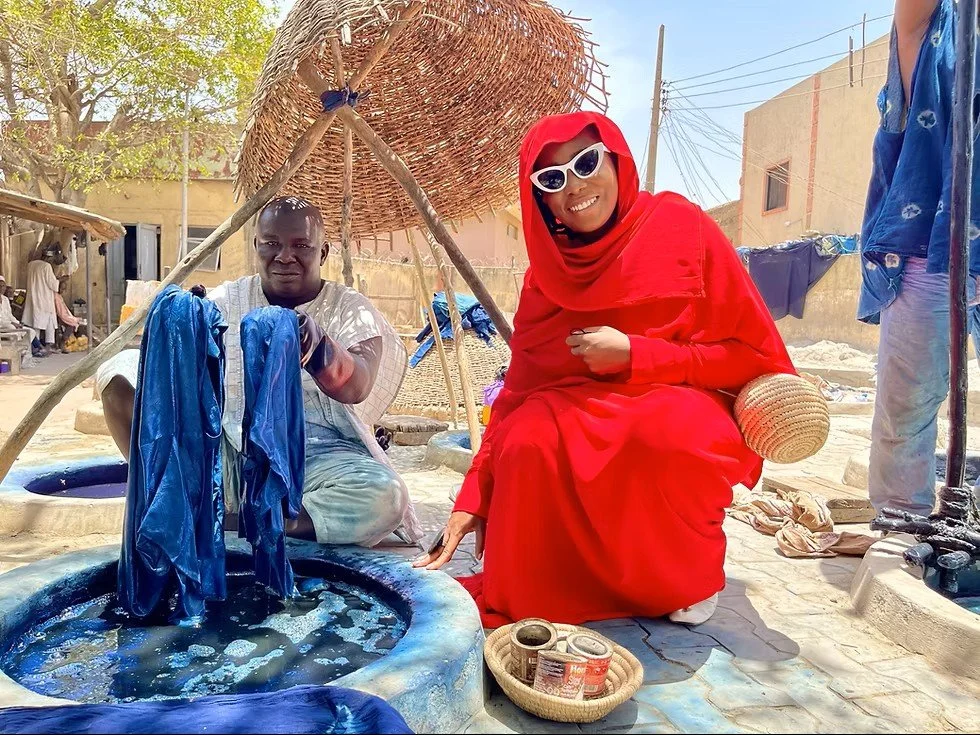
Colors in Hausa aren't random; they tie into vibrant traditions, like the dyed fabrics in Kano's markets.
Basic ones include ja (red), shuɗi (blue), and kore (green). Modify them for shades, such as fari mai haske (light white) for brighter tones.
Full list:
Black: baƙi
White: fari
Yellow: rawaya
Brown: ruwan ƙasa
Purple: shunayya
In culture, red (ja) often appears in wedding attire, symbolizing energy. Imagine saying, Rigarsa ja ce (His gown is red), while admiring traditional Hausa clothing.
Body Parts in Hausa: Key Vocabulary for Appearance
Knowing body parts in Hausa helps when talking health, beauty, or even directions—like pointing to your kai (head).
Core terms:
Head: kai
Eyes: idanu
Nose: hanci
Mouth: baki
Hair: gashi
Hand: hannu
Leg: ƙafa
For descriptions, try Yana da idanu masu kyau (He has beautiful eyes). This vocabulary shows up in medical chats or compliments.
Historically, these words have stayed consistent across dialects, aiding communication in diverse Hausa communities.
Describing Places and Hometowns in Hausa
Hausa hometown descriptions evoke pride, often shared in stories about origins.
Say Ina daga Kano (I'm from Kano), then add Garin Kano babba ne kuma yana da kyau (Kano city is big and beautiful).
Key phrases:
Village: Ƙauye
Big city: Birni babba
Hot place: Wuri mai zafi
Beautiful place: Wuri mai kyau
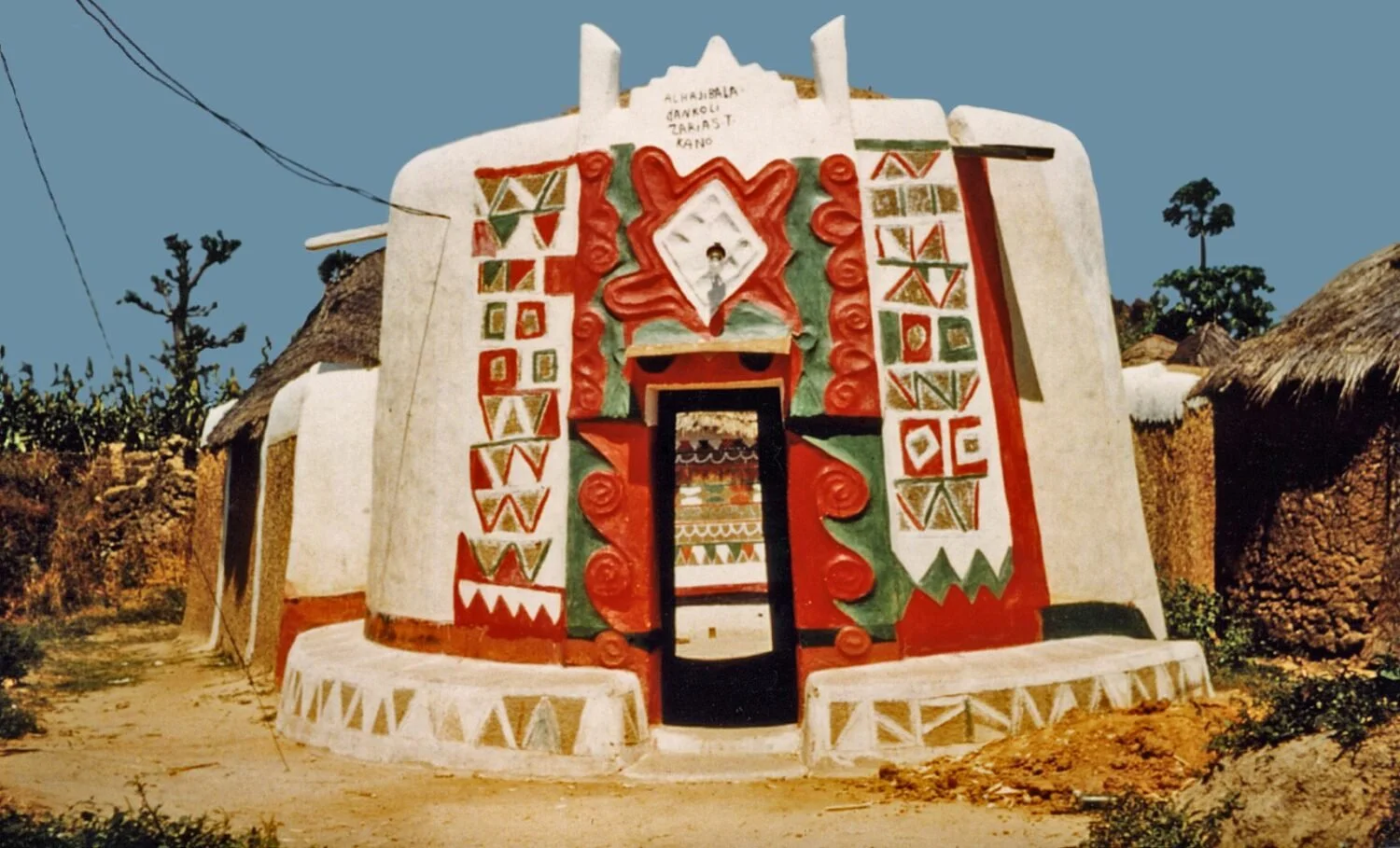
In modern Nigeria, these help navigate urban life while honoring rural roots. Think mud-brick compounds with intricate designs; hallmarks of Hausa architecture.
Practical Tips for Using These in Conversations
Practice by combining elements. Describe a friend: Sai da gashi mai tsayi da idanu shuɗi (He has long hair and blue eyes).
In real life, this vocabulary shines at festivals or travels, making interactions warmer.
Remember tones. Hausa is tonal, so baki (mouth) differs from baƙi (black) in pitch. Listen to native speakers for accuracy.
Frequently Asked Questions
What are some basic Hausa adjectives for describing people?
Common ones include dogo/doguwa (tall), mai kyau (beautiful), and mai ƙarfi (strong). They adjust for gender and add depth to compliments.
How do you say colors in Hausa?
Key colors: ja (red), shuɗi (blue), kore (green), baƙi (black). Use them to describe clothes or scenes vividly.
What are body parts in Hausa language?
Essentials: kai (head), idanu (eyes), hannu (hand), ƙafa (leg). Great for health talks or appearance descriptions.
How to describe your hometown in Hausa?
Start with Ina daga [place] (I'm from [place]), then add adjectives like babba (big) or mai kyau (beautiful) for details.
Are Hausa adjectives different across dialects?
Slightly. Eastern dialects like Kananci are standard, but basics remain similar, influenced by trade and culture.
Why learn Hausa vocabulary for places?
It connects you to Hausa heritage, useful for travel in Nigeria or Niger, and fosters cultural pride in conversations.
Mastering these Hausa adjectives shifts how you see the world around you. It's not just words; it's a bridge to stories, people, and places that define one of Africa's richest cultures. You've got the tools now; use them to spark real connections.
Ready to dive deeper? Explore NKENNE's full Hausa courses and cultural guides. Let's keep building your language journey together; your next conversation awaits.