
Morogo Greens: Foraging and Cooking Wild Spinach the Zulu Way
By: Chimdindu Ken-Anaukwu
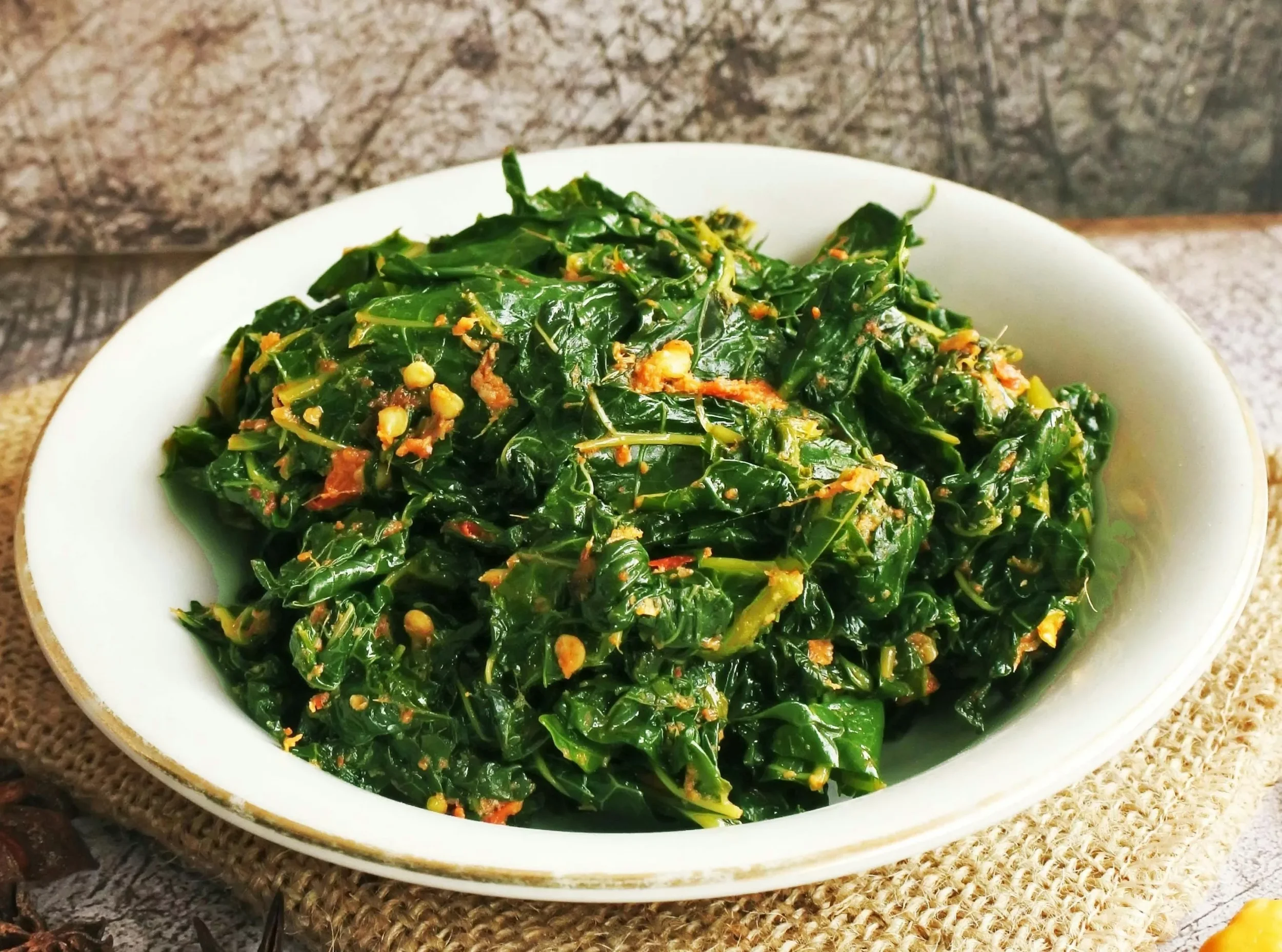
Morogo is more than just a green side dish. For Zulu families, these wild leafy vegetables have long provided nutrition, flavor, and a deep connection to the land. Often called wild spinach, morogo grows freely in many areas and turns into a delicious, earthy accompaniment when prepared the traditional way. In this guide, you will learn what morogo is, how to forage it safely, and the classic method of sautéing it with onions and tomatoes for a dish that pairs perfectly with isitshwala or any Zulu meal.
What Is Morogo in Zulu Cooking
Morogo refers to various wild leafy greens commonly used in Zulu and other Southern African kitchens.
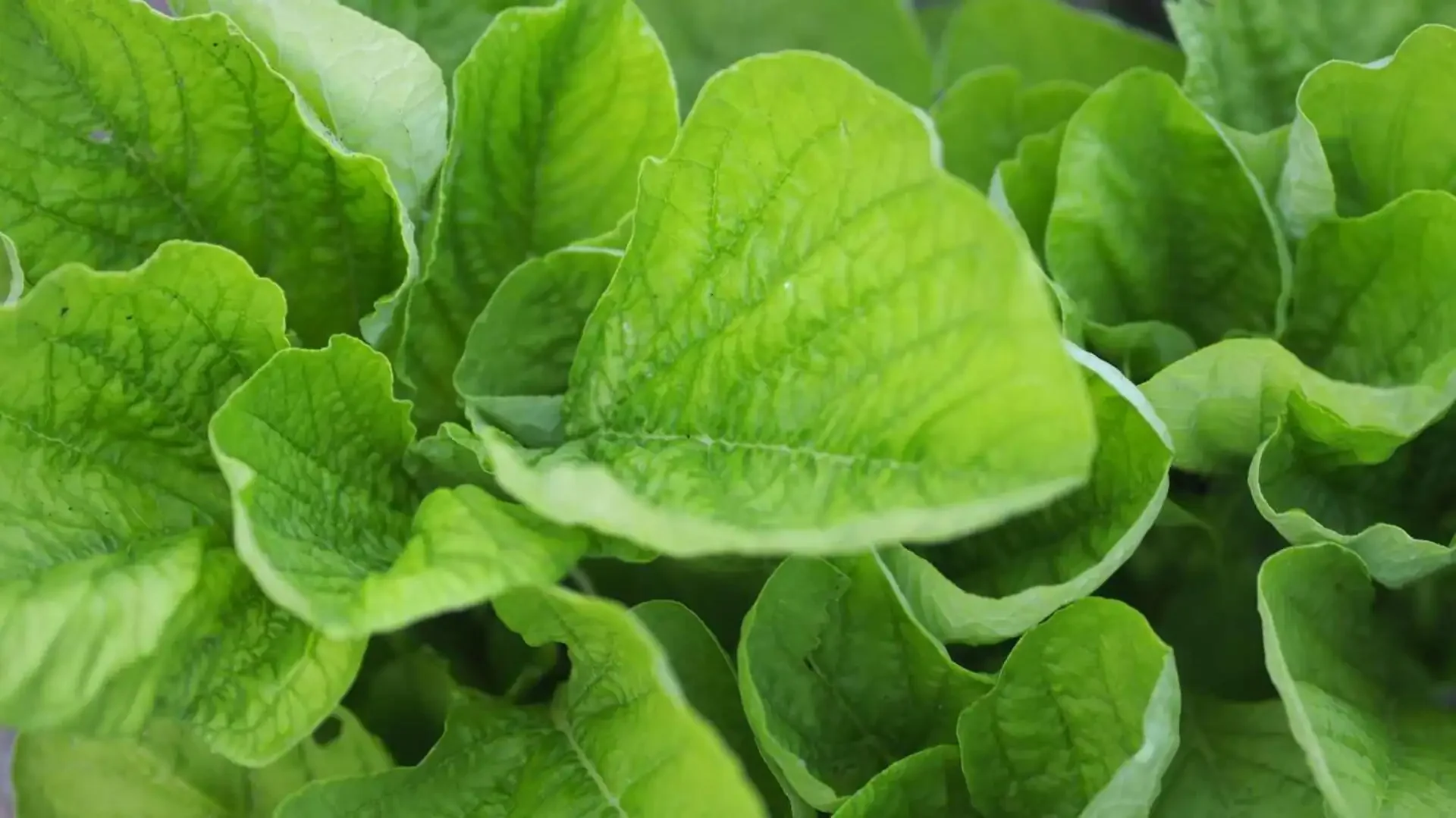
The most popular types include amaranth leaves, black jack, and other tender weeds that grow after rains.
These greens are gathered from fields, gardens, and open land. They have a mild, slightly earthy taste that becomes richer when cooked.
Unlike store-bought spinach, morogo often has a more robust flavor and higher nutrient density from growing in natural soil.
The Cultural Importance of Wild Greens
In traditional Zulu life, morogo was (and still is) an important free source of food.
Women and children often foraged it during the rainy season when greens grow abundantly.
It provided vital vitamins and minerals at little or no cost.
Morogo appears on everyday tables alongside pap, stews, and grilled meat.
It also carries the quiet pride of using what the land offers, reflecting resourcefulness and respect for nature.
Foraging Morogo Safely
Look for young, tender leaves in clean areas away from roadsides and chemical spraying.
Common types include:
Amaranth (imifino or pigweed)
Blackjack leaves
Other soft wild spinach varieties
Pick early in the morning when leaves are freshest.
Avoid plants that look wilted, insect-damaged, or growing near pollution.
If you are new to foraging, start with known garden varieties or buy from local markets that sell traditional greens.
Always wash thoroughly before cooking.
Traditional Sautéed Morogo Recipe
Ingredients (serves 4 as a side):
4–5 large handfuls of fresh morogo leaves, washed and roughly chopped
1 medium onion, finely chopped
2 ripe tomatoes, chopped
2 tablespoons cooking oil or butter
Salt and black pepper to taste
Optional: 1 green chili or a pinch of mild spice
Steps:
Heat the oil in a pan over medium heat.
Add the chopped onion and fry until soft and lightly golden.
Stir in the tomatoes and cook until they break down into a soft sauce (about 5 minutes).
Add the morogo leaves. They will look like a large volume at first but cook down quickly.
Stir well, cover the pan, and let the greens wilt for 5–8 minutes.
Season with salt and pepper. Taste and adjust.
Cook uncovered for another 2–3 minutes if you prefer less liquid.
Serve hot. The result is soft, flavorful greens with a fresh, earthy taste balanced by the sweetness of onion and tomato.
Tips for the Best Flavor and Texture
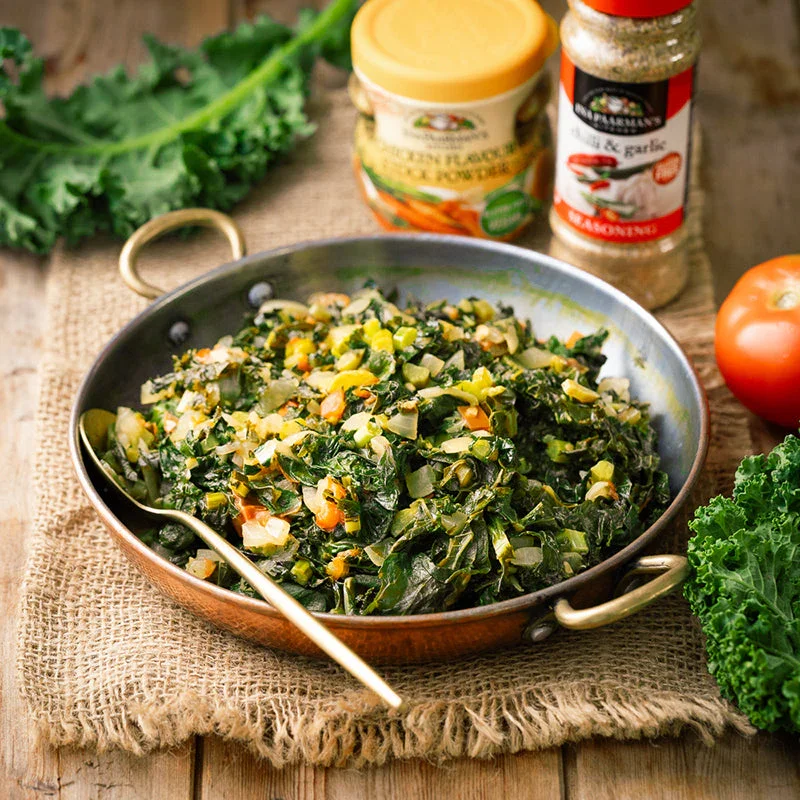
Use young leaves for tenderness. Older leaves can be slightly bitter.
Do not overcook. Morogo should stay bright and slightly firm.
Add a splash of water if the pan becomes too dry.
For extra richness, finish with a small knob of butter.
Leftovers reheat well and taste even better the next day.
Modern Ways to Enjoy Morogo
Serve traditional style with isitshwala and meat stew.
Mix into omelets or scrambled eggs for breakfast.
Add to soups or bean dishes for extra nutrition.
Blend lightly cooked morogo into a green smoothie for a modern twist.
Many urban cooks now grow amaranth in home gardens to enjoy this classic green year-round.
FAQs
Is morogo the same as regular spinach?
Not exactly. Morogo refers to wild leafy greens that share a similar use and mild flavor but often have a stronger earthy taste and different leaf shapes.
Can I use store-bought spinach instead?
Yes. Regular spinach works well as a substitute if you cannot find traditional morogo. The cooking method remains the same.
Is morogo nutritious?
Yes. It is rich in iron, vitamins A and C, and fiber. It has long been valued as an affordable, healthy food.
How do I store fresh morogo?
Keep washed leaves in a plastic bag or container in the fridge for 2–3 days. Use as soon as possible for best flavor.
Can children eat morogo?
Yes. It is mild when properly cooked and is a traditional food for all ages.
Does morogo need a lot of seasoning?
No. The classic onion-and-tomato base is enough. Salt and a little pepper bring out the natural taste.
Final Thoughts on This Zulu Green Staple
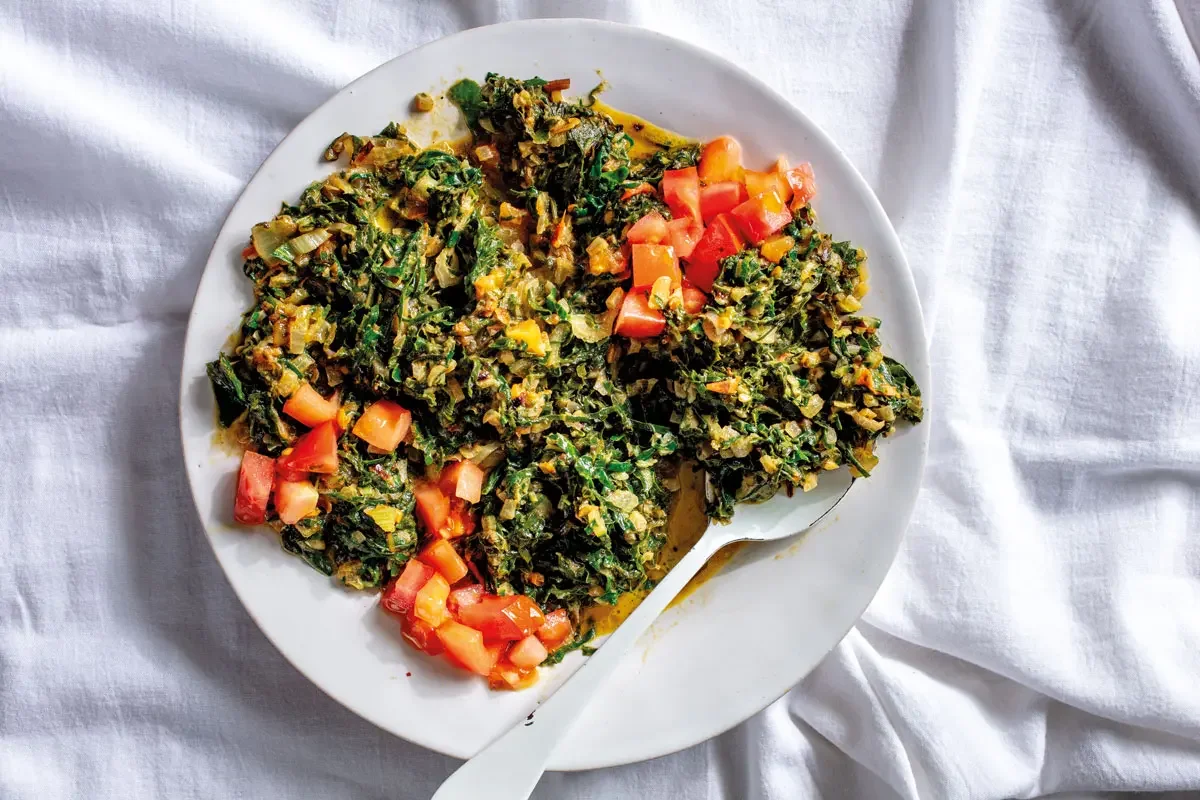
Morogo shows how Zulu cooking turns simple, free ingredients into something deeply satisfying. The traditional method of sautéing with onions and tomatoes creates a fresh, earthy side dish that belongs on any table. Whether you forage it yourself or buy it from a local seller, cooking morogo connects you to a practical and nourishing part of Zulu food culture. Try it once, and you will understand why these greens have remained a favorite for generations.
Ready to Cook More Zulu Dishes?
At NKENNE, we share authentic African recipes and cultural knowledge that bring heritage into your kitchen. Explore our guides on isitshwala, umngqusho, amasi, and full Zulu meals next. Start cooking these flavors at home and keep the traditions alive. Your next delicious step is waiting.