
Usman dan Fodio Wasn’t Only a Warrior: The Intellectual Revolution You Were Never Taught in School
By: Chimdindu Ken-Anaukwu
Most school lessons reduce Usman dan Fodio to a military leader who founded the Sokoto Caliphate. That version leaves out the most important part of his story.
He was first and foremost a scholar, teacher, and writer. The movement he led was an intellectual revolution that reshaped education, justice, and Islamic practice across West Africa. This guide shows the side of his work that rarely appears in standard history books.
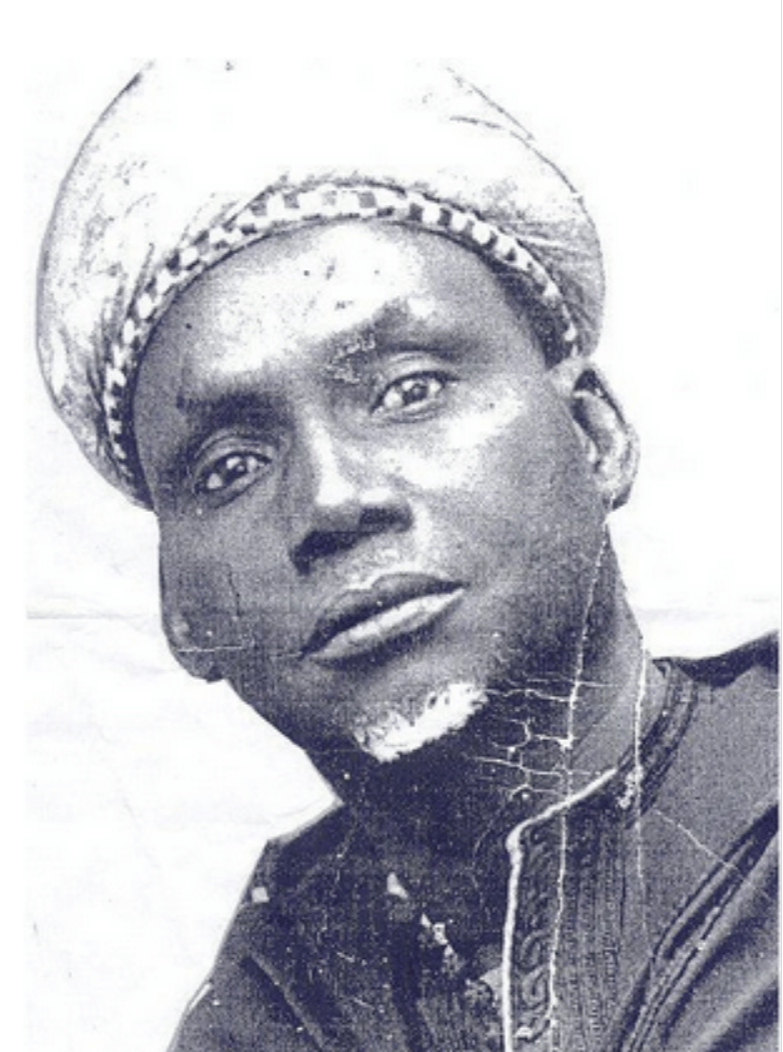
Who Was Usman dan Fodio Really?
Usman dan Fodio (1754–1817) was a Fulani Islamic scholar from Gobir in present-day northern Nigeria. He studied the Quran, Islamic law, Arabic, and classical texts from a young age.
By the time conflict began, he had already spent decades teaching, writing, and calling for reform. Military action came later. His primary tools were knowledge, preaching, and books.
The Scholar Before the Jihad
Long before any fighting, dan Fodio traveled and taught. He criticized local rulers for corruption, unfair taxes, and mixing Islamic practice with local customs he saw as harmful.
He built a large following of students through peaceful teaching. His message focused on justice, proper Islamic practice, and the duty of rulers to serve the people. Many people joined him because of his reputation as a learned and sincere teacher.
His Writings and Ideas
Dan Fodio wrote more than one hundred works. These included books on law, theology, poetry, and social reform. He wrote in Arabic, Fulfulde, and Hausa so ordinary people could understand.
His ideas stressed education for all, fair governance, and the importance of knowledge. He argued that ignorance was a major source of injustice in society. These writings guided the Sokoto Caliphate long after his death.
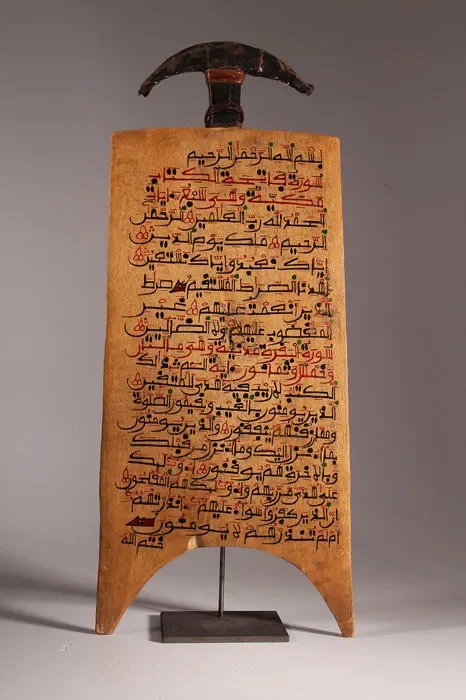
Education as Revolution
Dan Fodio treated education as the foundation of real change. He established teaching circles and encouraged literacy in both Arabic and local languages.
The movement he inspired increased the number of schools and scholars across the region. Knowledge became a path to leadership and respect. This focus on learning helped create a more literate and organized society in the Sokoto Caliphate.
Women’s Learning and Nana Asma’u
One of the most striking parts of dan Fodio’s legacy is his support for women’s education. His daughter Nana Asma’u became a major scholar, poet, and teacher in her own right.
She organized networks of women teachers who traveled to educate other women. This was rare for the time and remains one of the strongest examples of female scholarship in West African Islamic history. Dan Fodio’s family showed that learning was not reserved for men.
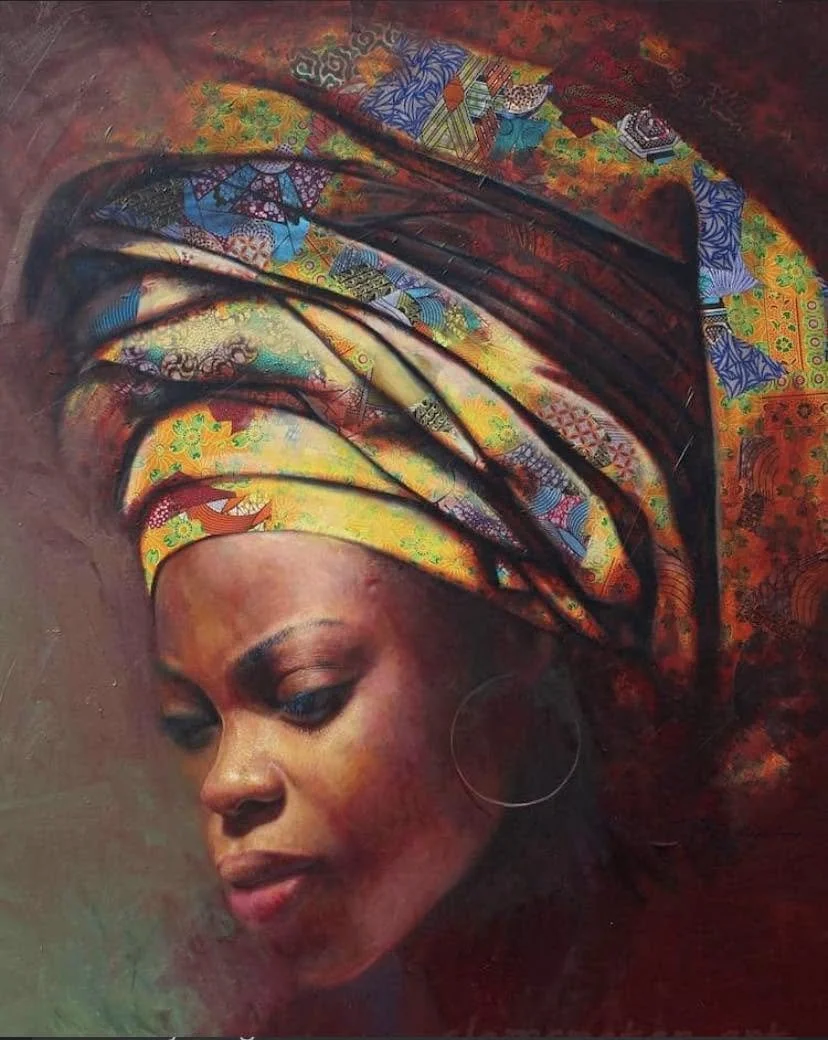
Why This Side of History Matters
Reducing Usman dan Fodio to a warrior misses the deeper story. His real power came from ideas, books, and teaching. The Sokoto Caliphate grew from an intellectual movement that valued knowledge, justice, and reform.
Understanding this helps explain why Hausa and Fulani societies place high value on scholarship, learning, and written tradition. It also shows how African Islamic history includes rich intellectual achievements beyond military campaigns.
Frequently Asked Questions
Was Usman dan Fodio mainly a military leader?
No. He was primarily a scholar and teacher. Military action came after years of preaching and writing.
What languages did he write in?
Arabic, Fulfulde, and Hausa. This made his ideas accessible to many people.
Did he support women’s education?
Yes. His daughter Nana Asma’u became a leading scholar and teacher of women, following the example set in his household.
How many books did he write?
He produced over one hundred works on religion, law, society, and education.
Why is this side of his story less known?
Many school curricula focus on political and military events. The intellectual and educational work often receives less attention.
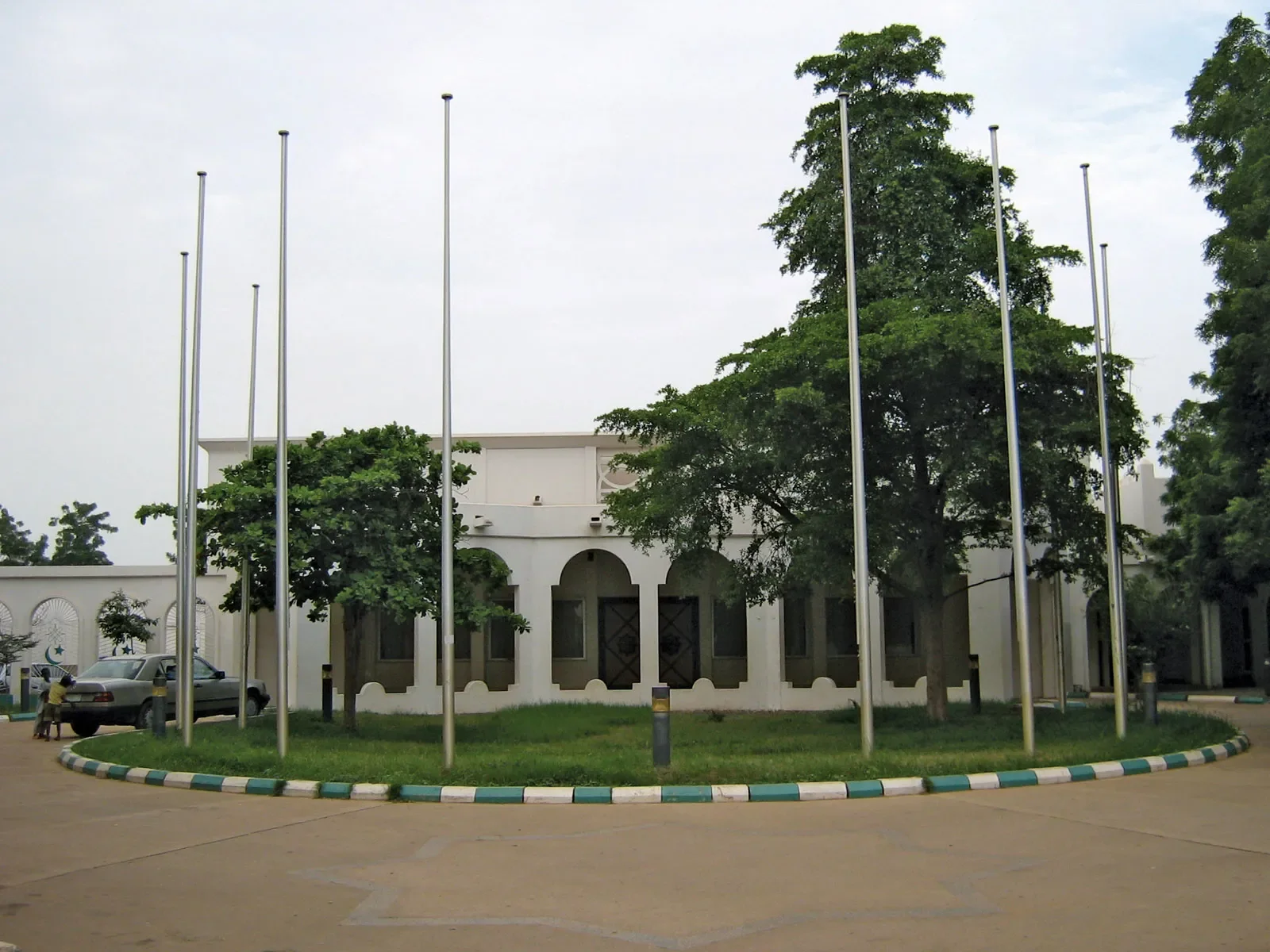
Usman dan Fodio’s true revolution was one of the mind. He showed that lasting change begins with knowledge, teaching, and the courage to challenge injustice through ideas.
Learning this fuller story gives a richer view of Hausa and West African history.
Want to explore more deep stories from Hausa and African history? NKENNE has guides that go beyond the surface. Come learn with us.