
Zulu Festivals and Ceremonies: Celebrating Life Cycles
By: Chimdindu Ken-Anaukwu
Zulu culture marks life’s important stages with vibrant ceremonies that bring families and communities together. These events celebrate growth, commitment, and cultural continuity. From a young woman’s coming of age to marriage and the famous Reed Dance, each occasion carries deep meaning. In this guide, you will learn about umemulo, Zulu weddings, and the Reed Dance, along with practical tips for showing respect if you are invited as an outsider.
Why Ceremonies Matter in Zulu Life
Zulu ceremonies mark transitions and strengthen community bonds.
They honor ancestors, reinforce values such as respect and purity, and pass traditions to the next generation.
These events are not only joyful gatherings. They also affirm identity and belonging in a changing world.
Families invest significant time, resources, and emotion into making each ceremony meaningful.
Umemulo: The Coming-of-Age Ceremony for Young Women
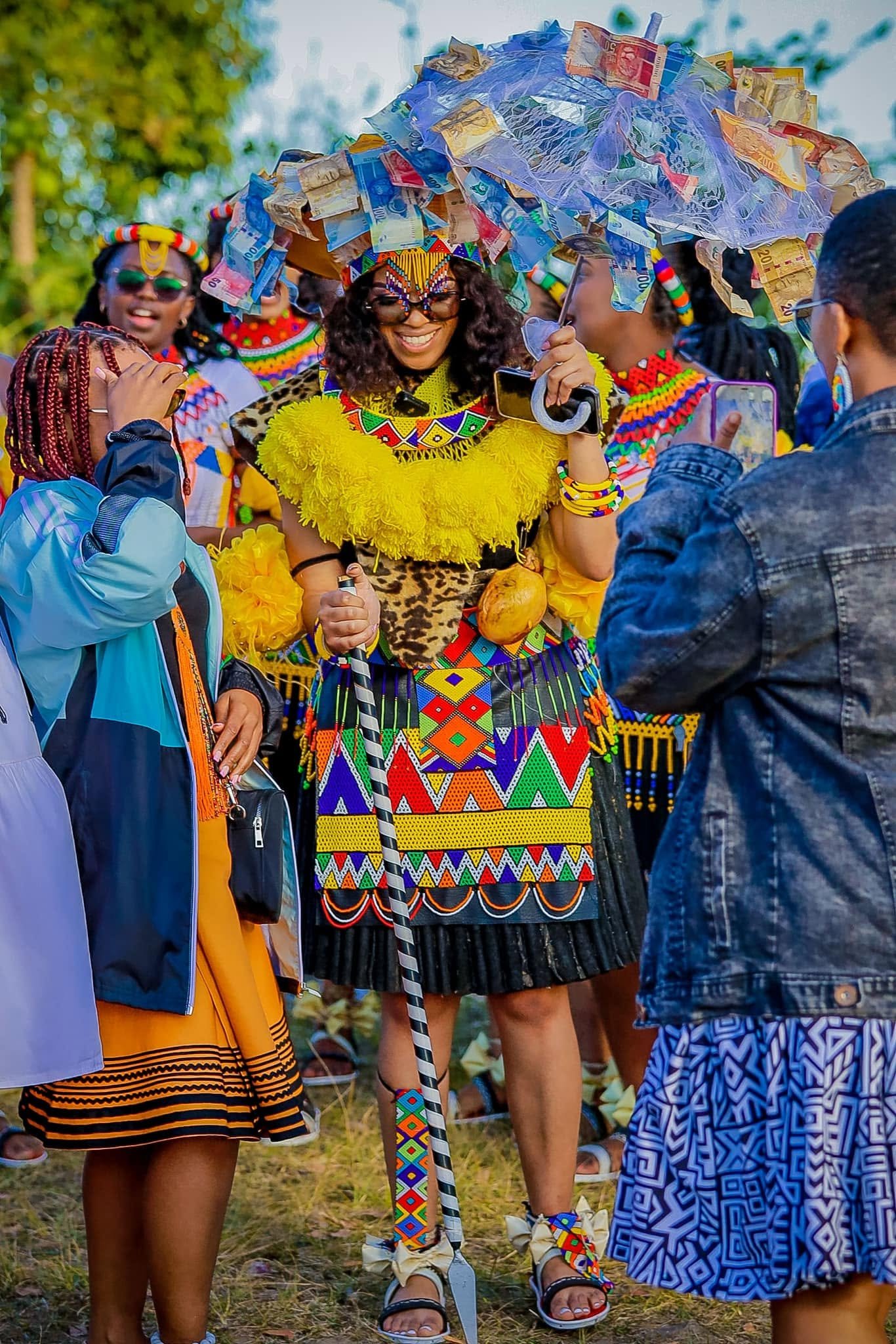
Umemulo is a traditional ceremony that celebrates a young woman’s transition into adulthood.
It usually takes place when a girl reaches a certain age or after she has completed important milestones.
The event often includes gift-giving, traditional attire, dancing, and speeches from family elders.
The young woman may receive a spear or other symbolic items that represent her new status and readiness for adult responsibilities.
Family and community members gather to offer support, advice, and celebration.
Umemulo reinforces values of dignity, respect, and cultural pride. In modern times, some families adapt the ceremony while keeping its core meaning intact.
Zulu Traditional Weddings
A Zulu wedding is a multi-stage process that unites two families.
It often begins with lobola negotiations, where the groom’s family presents gifts (traditionally cattle, now often a combination of cattle and money) to the bride’s family.
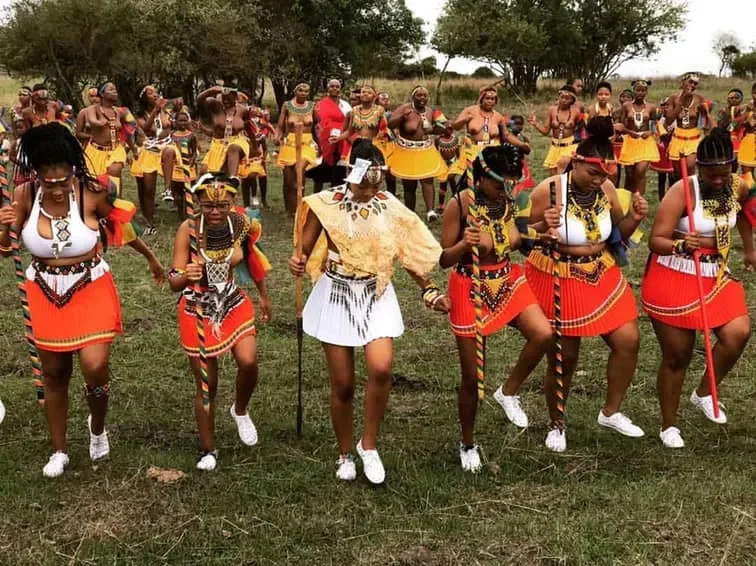
Once agreements are reached, celebrations follow. These can include traditional attire, singing, dancing, and shared meals.
The bride and groom may wear distinctive clothing that reflects their new roles. Family members play active parts in welcoming the couple.
Weddings can last several days and involve both traditional and modern elements. Many couples today combine customary practices with civil registration.
The focus remains on building strong family ties and community support for the new marriage.
The Reed Dance (Umkhosi Womhlanga)
The Reed Dance is one of the most visible and celebrated Zulu ceremonies.
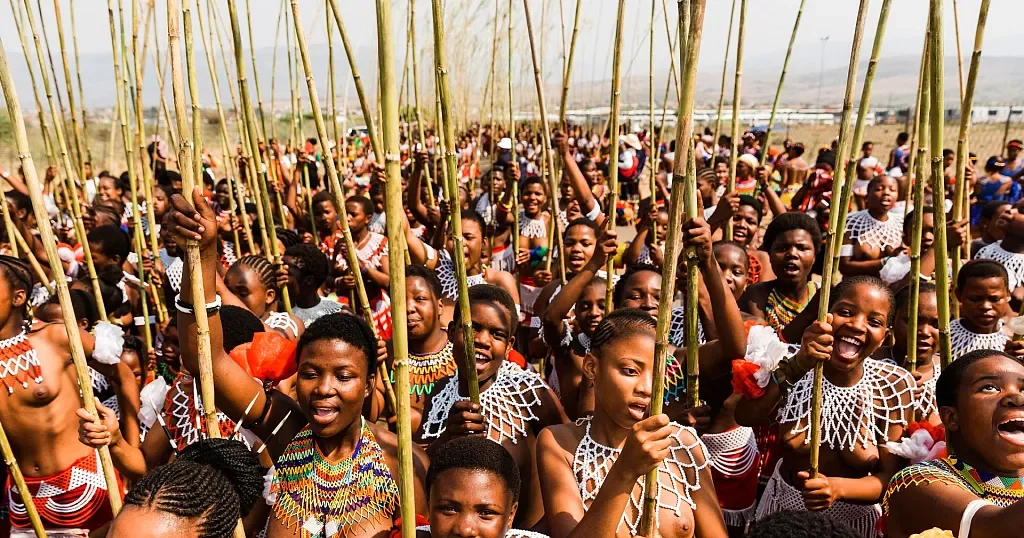
Held annually, it brings together thousands of young women who present long reeds to the Zulu king.
The event emphasizes purity, cultural pride, and the importance of young women in society.
Participants wear traditional attire and perform dances that showcase discipline and unity.
The ceremony also serves as a platform for cultural education and national identity.
It attracts visitors from across South Africa and beyond, yet remains rooted in Zulu tradition and royal participation.
Tips for Respectful Participation as an Outsider
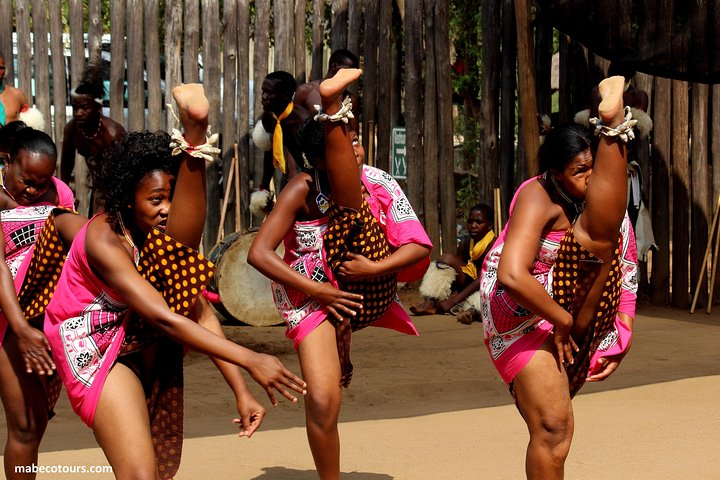
If you are invited to a Zulu ceremony, approach it with humility and openness.
Ask hosts about appropriate dress. Modest clothing is usually expected.
Seek permission before taking photographs, especially of participants in traditional attire.
Follow the guidance of elders and family members. Observe before joining in.
Avoid interrupting rituals or moving into sacred spaces without invitation.
Show appreciation through respectful greetings and genuine interest rather than treating the event as entertainment.
If unsure about anything, quietly ask a trusted host for clarification.
Respect creates positive experiences for everyone involved.
FAQs
What is the main purpose of umemulo?
Umemulo marks a young woman’s transition into adulthood and celebrates her readiness for greater responsibility within the family and community.
How long does a traditional Zulu wedding last?
It can span several days, depending on the families involved and the combination of traditional and modern elements.
Who can attend the Reed Dance?
The ceremony is primarily for young Zulu women participants, but members of the public and visitors may attend as observers under the guidance of organizers.
Is it appropriate for non-Zulu people to attend these ceremonies?
Yes, when invited. The key is to show respect, follow local customs, and avoid disrupting the proceedings.
Do modern families still hold these ceremonies?
Many do. Some keep them fully traditional while others adapt certain elements to suit contemporary life.
What should I bring if invited?
A respectful attitude is most important. Small gifts for the hosts are sometimes appreciated, but always ask first.
Final Thoughts on Zulu Celebrations
Zulu festivals and ceremonies offer powerful windows into a culture that values continuity, community, and the marking of life’s stages. Umemulo, traditional weddings, and the Reed Dance each carry distinct meaning while sharing a common thread of respect and celebration. Whether you belong to the culture or are learning about it, understanding these events deepens appreciation for the richness of Zulu heritage. Approaching them with humility allows the beauty of the traditions to shine.
Ready to Explore More Zulu Culture?
At NKENNE, we share clear and respectful guides to Zulu traditions, language, and daily life. Discover more about family customs, historical moments, or practical cultural insights in our other articles. Keep learning and connecting with this vibrant heritage. Your journey continues with us.