
Fish Stew: Equatorial Guinea's Annobón Island Style
By: Chimdindu Ken-Anaukwu
On the remote volcanic island of Annobón, the day’s catch often ends up in a simple, flavorful fish stew. Fresh local fish simmers with tomatoes, plantains, and local seasonings in a dish that reflects the island’s isolation, Portuguese Creole roots, and strong connection to the sea. In this guide, you will explore Annobón-style fish stew using snapper or similar local fish, learn how tomatoes and plantains shape the dish, and understand seasoning influences from Fang and broader Equatorial Guinean traditions. You will walk away with practical knowledge for cooking and cultural appreciation.
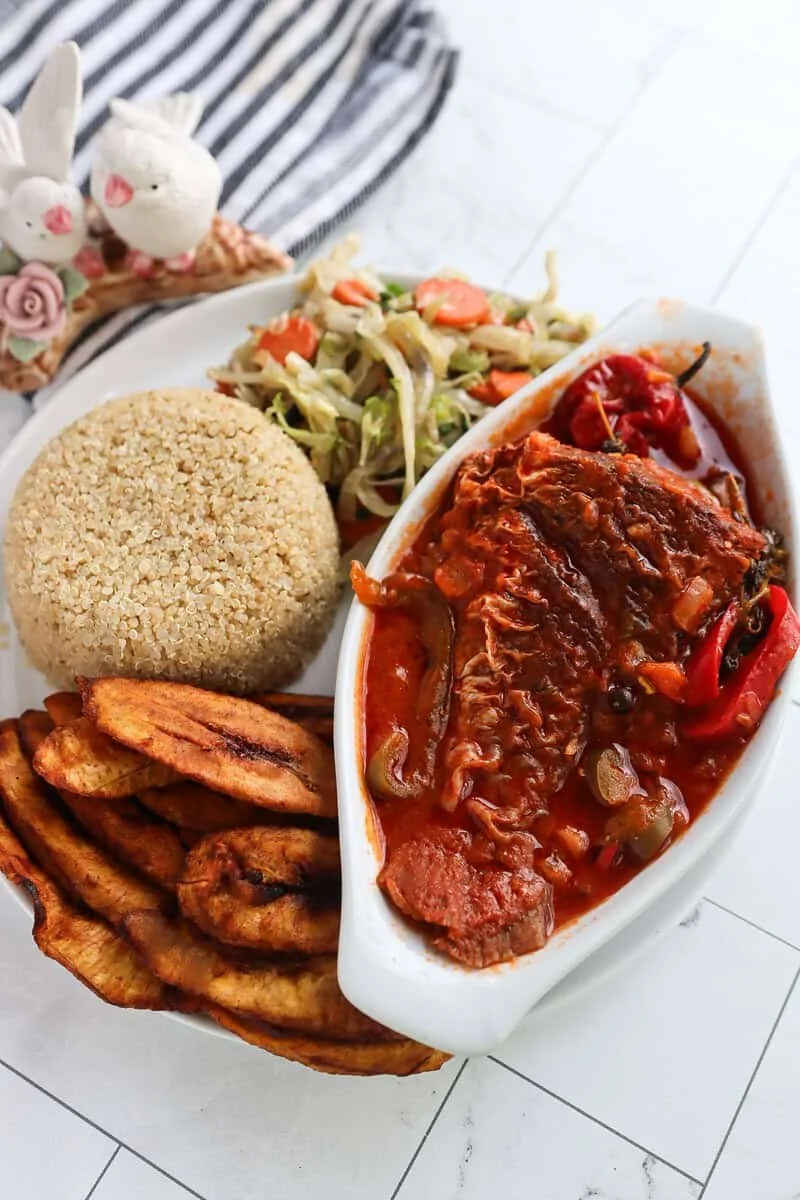
Annobón’s Unique Food Landscape
Annobón is one of Equatorial Guinea’s most isolated islands. Its cuisine is shaped by the ocean, volcanic soil, and a history that includes Portuguese settlement and later Spanish rule. Seafood dominates daily meals. Fresh fish is often grilled, smoked, or turned into stews.
Unlike mainland dishes that lean more heavily on game or forest ingredients, Annobón cooking stays close to the sea. Simple preparations highlight the freshness of the catch while stretching ingredients in a place where supplies can be limited.
Key Ingredients: Snapper, Tomatoes, and Plantains
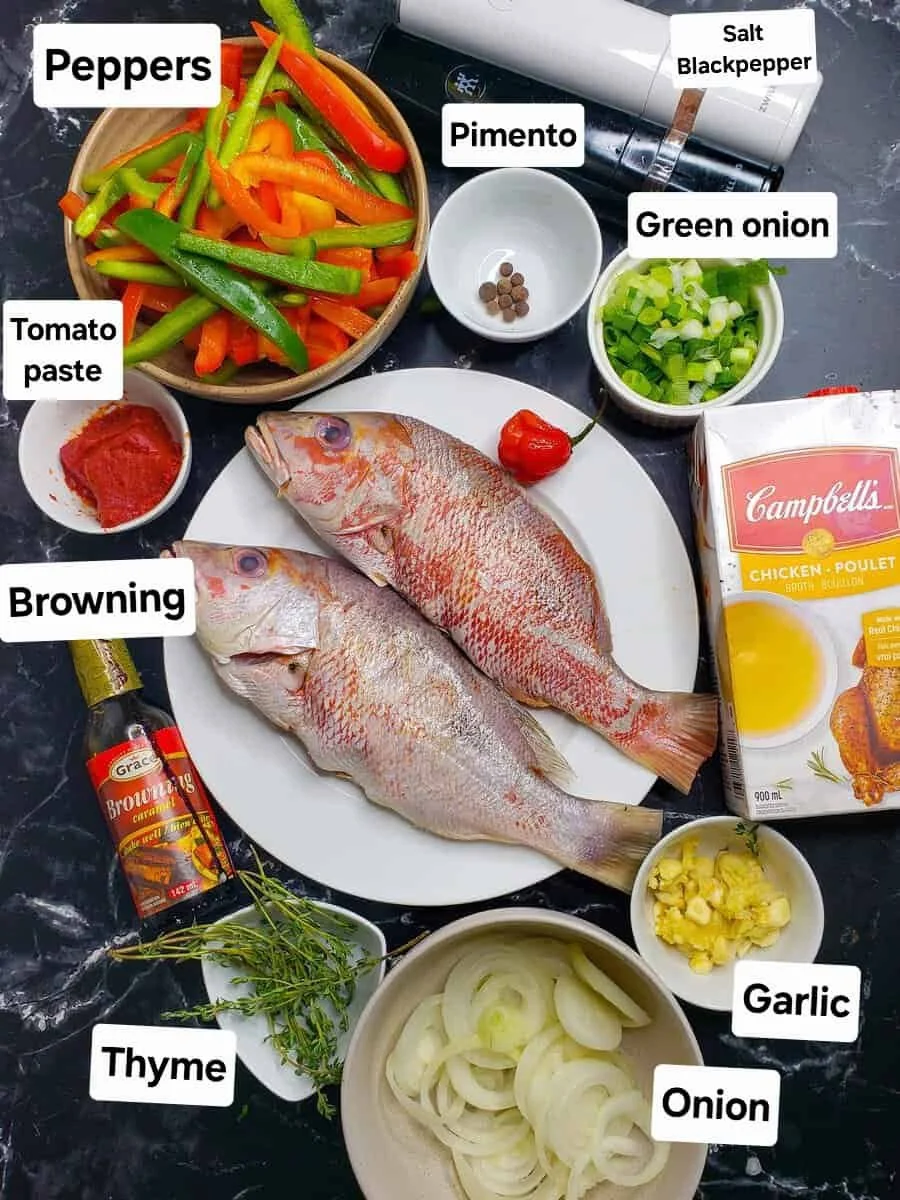
Local snapper or similar firm white fish forms the heart of many island stews. The fish is cleaned and cut into pieces that hold up well during simmering.
Tomatoes add acidity, color, and body to the sauce. They help create a light broth or thicker base depending on how long the stew cooks.
Plantains appear as a side or are added directly to the pot. Green plantains provide starch and absorb the savory liquid. Ripe plantains can add mild sweetness. Both versions are common across Equatorial Guinea and fit naturally into Annobón’s island cooking.
Palm oil often appears for richness, reflecting West African coastal traditions.
Seasonings and Fang Influences
Annobón has its own Creole seasoning style rooted in local herbs, chili, onion, and garlic. However, mainland influences, including those from the Fang ethnic group, reach the islands through trade and migration.
Fang cooking frequently features bold heat from African bird’s eye chilies, garlic, and aromatic greens. In fish stews, this can translate to a spicier profile with onions, tomatoes, and chili for depth. On Annobón the heat is usually balanced so the fresh fish remains the star.
Common seasonings across the country include salt, chili, onion, garlic, and sometimes lemon or local herbs. The result is a clean, savory flavor that lets the seafood shine.
Step-by-Step Approach to the Stew
Clean and cut the fish into serving pieces. Season lightly with salt and chili.
Sauté onion, garlic, and tomato in a bit of oil until soft and fragrant.
Add water or light stock and bring to a simmer.
Add plantain pieces (green or ripe) and cook until they begin to soften.
Gently place the fish in the pot. Simmer until the fish is just cooked through.
Adjust seasoning. Some cooks finish with a squeeze of lemon or extra chili.
The goal is a balanced stew where the fish stays tender and the plantains absorb the flavorful liquid.
Cultural Significance on Annobón
On Annobón, fish stews are everyday food and a sign of hospitality. Meals are often shared, reflecting the close-knit nature of island communities. The use of local catch and available produce shows resourcefulness shaped by isolation.
The island’s Portuguese Creole heritage (Fa d’Ambô) and later Spanish influences appear in cooking techniques and ingredient combinations. Food remains a quiet expression of identity for the Annobonese people.
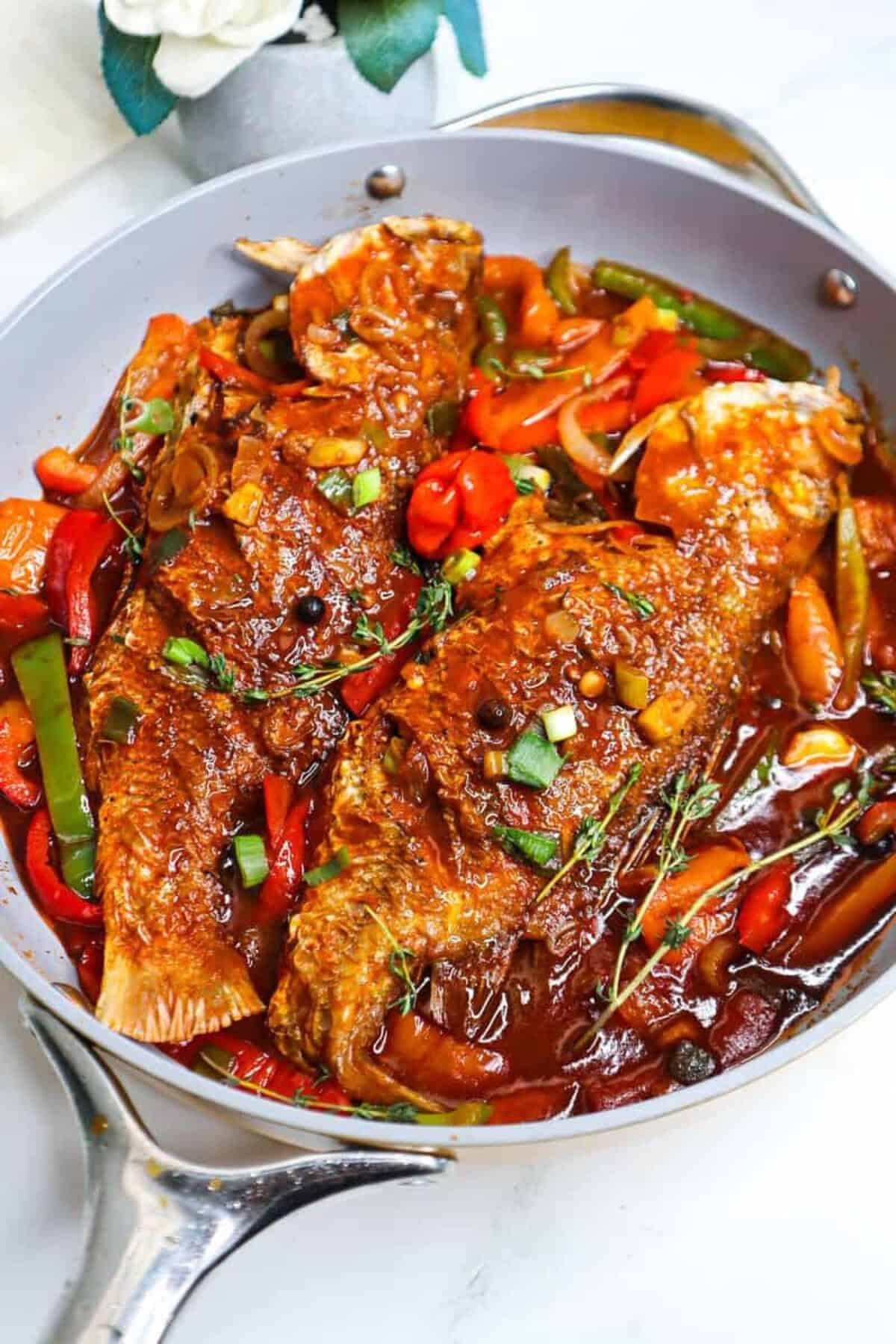
Serving and Modern Adaptations
Serve the stew with boiled plantain, cassava, or rice. In traditional settings it may be eaten from a communal bowl.
In urban or diaspora kitchens, cooks adapt with available fish such as tilapia or frozen snapper. Canned tomatoes work when fresh ones are limited. The spirit stays the same: fresh-tasting fish, simple vegetables, and balanced seasoning.
FAQs
What fish is typically used on Annobón?
Local ocean fish such as snapper-like species, tuna, or other firm white fish landed that day.
Are plantains always added to the stew?
They often appear either in the pot or as a side. Both green and ripe plantains are used depending on preference.
How do Fang seasonings influence the dish?
Fang-style cooking tends to favor more chili and bold aromatics. On Annobón the heat is usually moderated to highlight the fish.
Is this stew spicy?
It can range from mild to moderately hot. Chili levels are adjusted to taste.
Can I make this outside Equatorial Guinea?
Yes. Use firm white fish, tomatoes, plantains, onion, garlic, and chili. The method is flexible and forgiving.
How does this connect to Lusophone African culture?
Annobón’s Portuguese Creole roots and shared ingredients with other Gulf of Guinea islands place the dish within the wider Lusophone African food world.
Final Thoughts
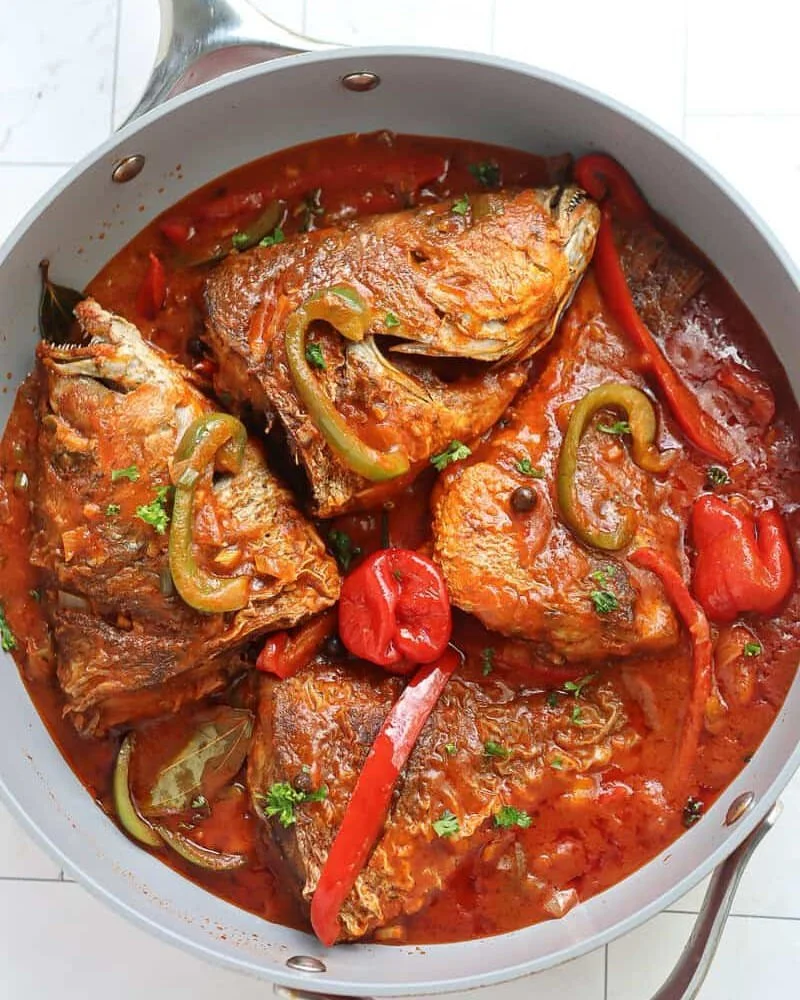
Annobón’s fish stew captures the essence of island life: fresh catch, simple vegetables, and careful seasoning. Using local snapper with tomatoes and plantains creates a nourishing dish that reflects both isolation and cultural mixing. Understanding the seasoning influences, including those linked to Fang traditions, adds depth to the story.
You now have the knowledge to appreciate and recreate this coastal classic. It is a small but meaningful way to connect with Equatorial Guinea’s diverse food heritage.
Ready to explore more Lusophone African flavors, languages, and stories? Join NKENNE for practical lessons that bring culture to the table. Let’s keep discovering together.