
Queen Amina of Zazzau: The Warrior Queen Most History Books Still Get Wrong
By: Chimdindu Ken-Anaukwu
Most people know Queen Amina as the fierce Hausa warrior who never lost a battle. Statues show her on horseback with a sword. School lessons often stop at “she conquered many lands.”
The real story is richer and more complex. Amina of Zazzau was a military strategist, state builder, and economic leader whose impact went far beyond the battlefield. This guide separates legend from evidence and shows why her legacy still matters.
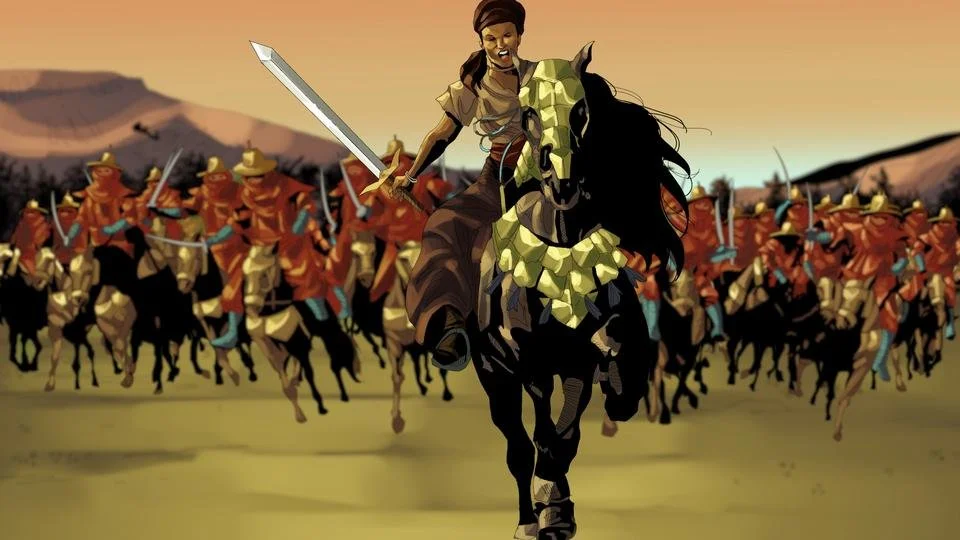
Who Was Queen Amina?
Amina (also called Aminatu) lived in the 16th century and ruled the Hausa city-state of Zazzau, known today as Zaria in present-day Kaduna State.
She was the daughter of Bakwa Turunku, a powerful ruler. After her brother’s death, she took power around 1576 and ruled for more than three decades. During that time she transformed Zazzau into one of the strongest states in the region.
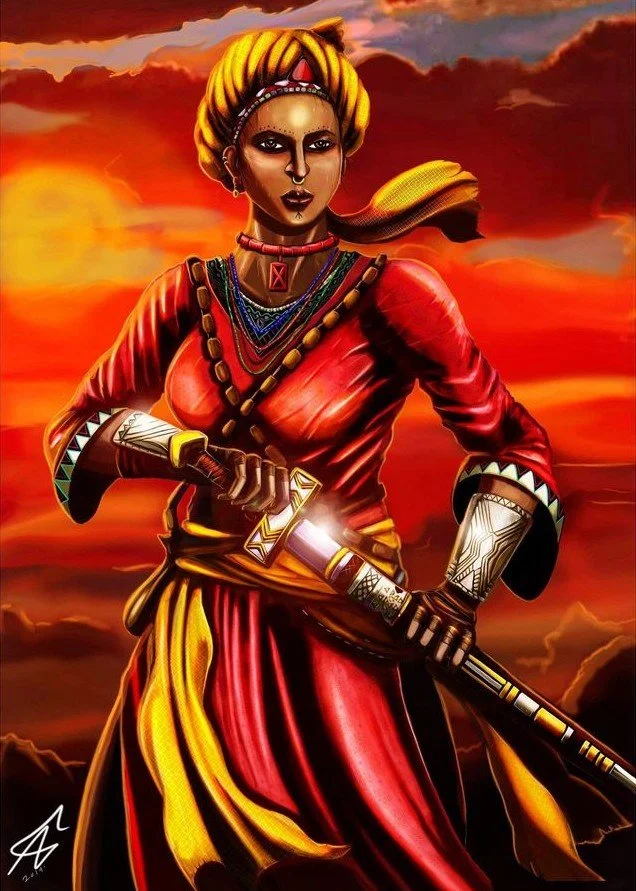
What History Books Often Get Wrong
Many popular accounts turn Amina into a pure action figure who spent every day fighting. They focus on dramatic stories such as taking a new lover after every victory and having him killed the next morning.
These tales make her memorable but hide the more important parts of her rule. Amina was not only a fighter. She was a planner who expanded territory, secured trade routes, and left physical structures that still exist.
Some sources also place her in different centuries or debate whether she held the formal title of queen or mainly led as a military commander. The core of her story remains consistent across oral tradition and written chronicles: she expanded Zazzau’s power significantly.
Her Military Achievements
Amina built and led a large, well-trained army that included foot soldiers and cavalry. She launched campaigns soon after taking power and kept expanding for decades.
Her forces moved south and southwest, reaching areas including Nupe and Kwararafa. She forced several neighboring states to pay tribute. This gave Zazzau access to valuable goods such as kola nuts and other trade items that strengthened the kingdom’s economy.
Her success rested on organization, mobility, and consistent pressure rather than single dramatic battles.
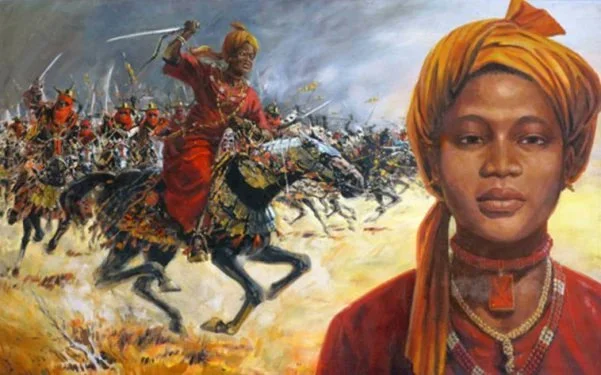
State Building and Trade
Military power was only one side of her rule. Amina used conquest to open and protect trade routes. Goods from the south flowed more freely into Hausaland. Zazzau became a stronger commercial center.
She also introduced or expanded the use of certain crops and luxury items. The combination of military control and trade security made the kingdom wealthier and more influential among the Hausa states.
The Walls That Still Stand
One of Amina’s lasting contributions is the network of earthen walls known as Ganuwar Amina. These fortifications protected camps and towns under her control.
Some of these walls remain visible today in parts of northern Nigeria. They show that she thought beyond short-term victories. She invested in permanent defenses that supported long-term security and settlement.
Legend Versus Evidence
Oral tradition and later chronicles, including the Kano Chronicle and writings from the Sokoto period, form the main sources for Amina’s life. Exact dates, the full scale of her conquests, and some personal details remain debated among historians.
What is clear is that Hausa memory has preserved her as a major figure of strength, leadership, and expansion. The legends grew because her achievements were already impressive. The dramatic stories attached to her name reflect how people chose to remember a powerful female ruler in a male-dominated political world.
Why Her Story Still Matters
Queen Amina stands as one of the strongest examples of female political and military leadership in precolonial West Africa. She shows that Hausa history includes women who held real power and shaped the map.
Her story challenges narrow versions of African history that focus only on male rulers or colonial-era events. It also offers a model of leadership that combined military skill with economic vision and infrastructure.
For many Hausa people today, Amina remains a symbol of courage, competence, and pride.
Frequently Asked Questions
Did Queen Amina really exist?
Yes. She appears in multiple historical traditions and chronicles. Debates focus on exact details of her reign, not on whether she lived.
Was she the only female ruler in Hausa history?
She is the most famous, but Hausa history includes other powerful women, especially in earlier periods and in advisory or economic roles.
What is Ganuwar Amina?
It refers to the earthen walls and fortifications associated with her campaigns. Some remains can still be seen.
Did she conquer Kano and Katsina?
Some sources claim she forced them to pay tribute. Modern historians treat the largest claims with caution, but her expansionist success is widely accepted.
Why do some stories about her sound extreme?
Oral tradition often adds dramatic elements to memorable leaders. These stories reflect cultural memory more than precise daily history.
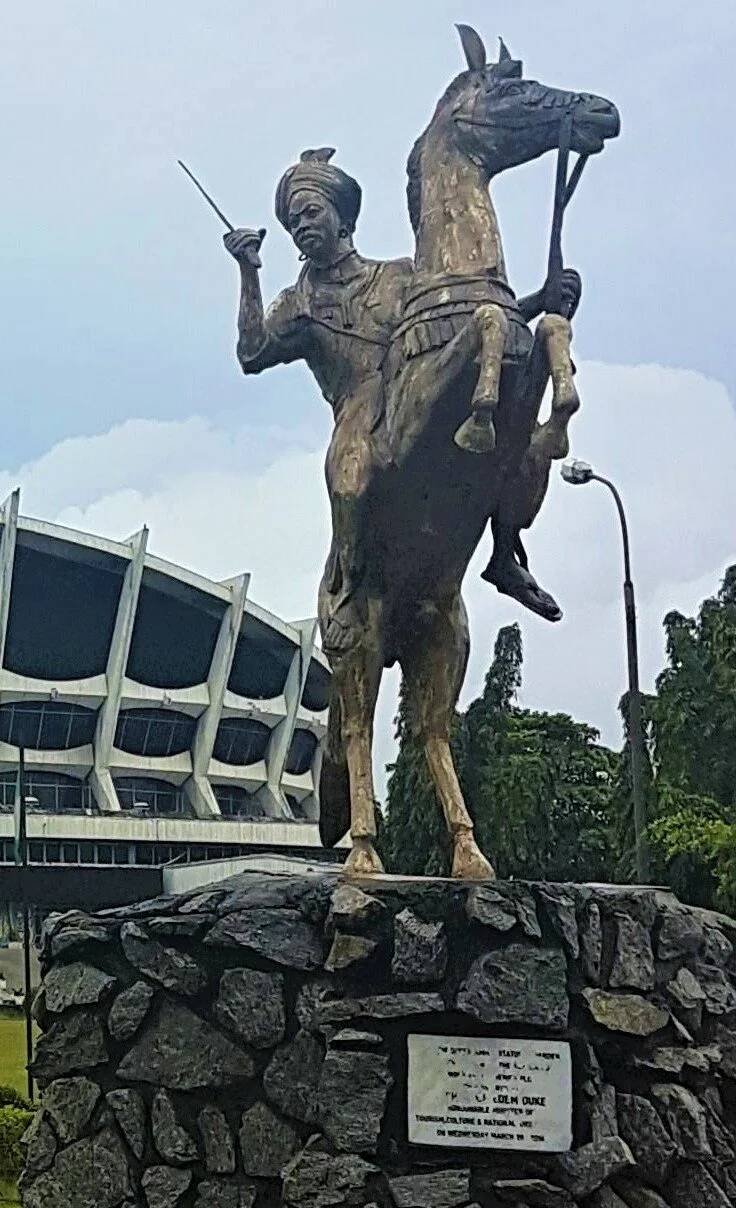
Queen Amina of Zazzau was far more than a warrior on horseback. She was a strategist who expanded territory, secured trade, and left physical marks on the landscape. Understanding the fuller picture gives a stronger and more accurate view of Hausa political history.
Want to explore more powerful figures and stories from Hausa history? NKENNE has detailed guides that go beyond the surface. Come learn with us.