
The Heart of Zulu Meals: Easy Isitshwala (Stiff Pap) Recipe That Never Fails
By: Chimdindu Ken-Anaukwu
Isitshwala is more than food in Zulu homes. It is the quiet center of every meal. This stiff maize porridge is thick, smooth, and neutral. It soaks up gravies, stews, or braai juices like nothing else. Families gather around it daily, from quick suppers to big celebrations. In this guide, you will get a reliable recipe for perfect isitshwala, tips to avoid lumps and get that ideal firm yet creamy consistency, and real cultural notes on how it is served. Simple ingredients, no fancy tools. Just patience and a wooden spoon.
Isitshwala is Sadza in Shona (Zimbabwe) and Ugali in Swahili (East Africa).
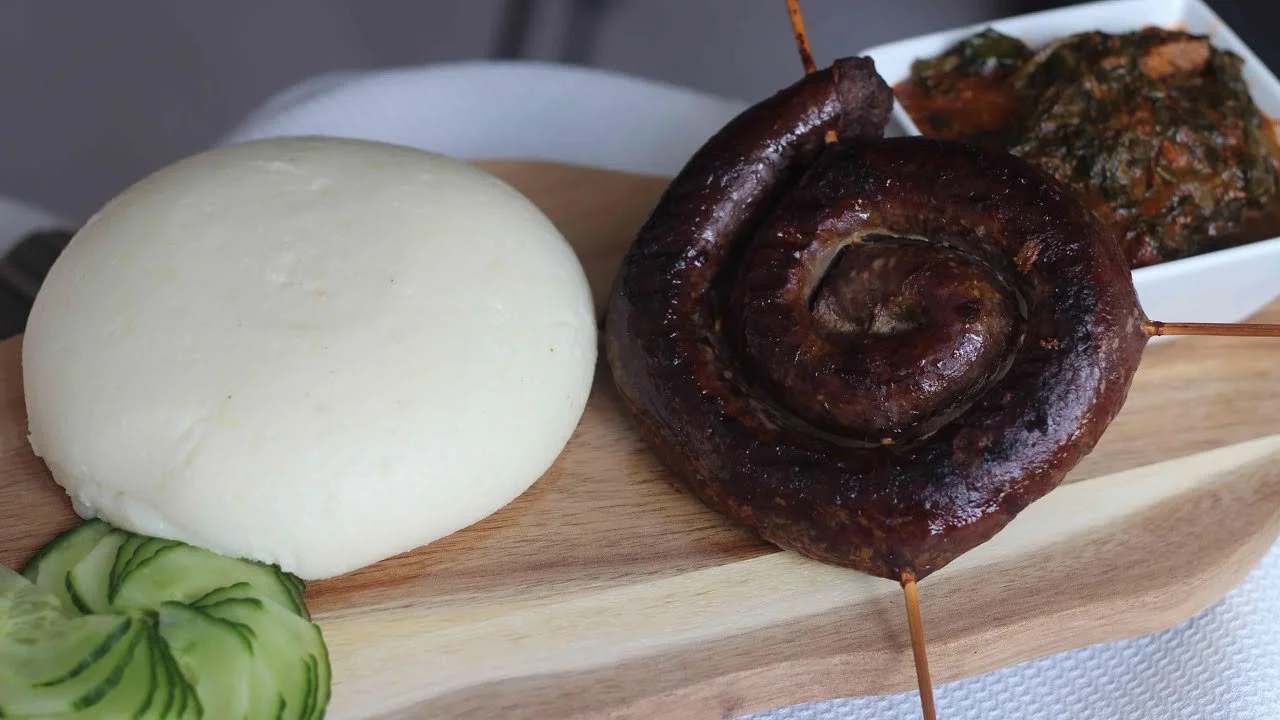
What Makes Isitshwala Special in Zulu Culture
Isitshwala (also called stywe pap or simply pap) is the daily backbone of Zulu eating.
Made from maize meal, which is ground white corn, it is affordable, filling, and versatile.
It appears at breakfast (softer versions), lunch, or dinner, often with meat, beans, or greens.
In rural KwaZulu-Natal, it is cooked over open fires in big pots. In cities, it is cooked on stoves.
The stiff version pairs best with rich sauces. It holds shape when scooped.
Sharing from one pot reinforces family ties and ubuntu.
It is humble food that unites people across meals and occasions.
Ingredients for Classic Stiff Pap
Serves 4-6 as a side:
3 cups water (plus extra if needed)
2 cups white maize meal (fine or medium grind; avoid coarse for stiff pap)
1 teaspoon salt (adjust to taste)
Optional: 1-2 tablespoons butter or margarine for extra smoothness and flavor
These basics keep it authentic. No extras needed for the traditional taste.
Use good-quality maize meal for better texture.
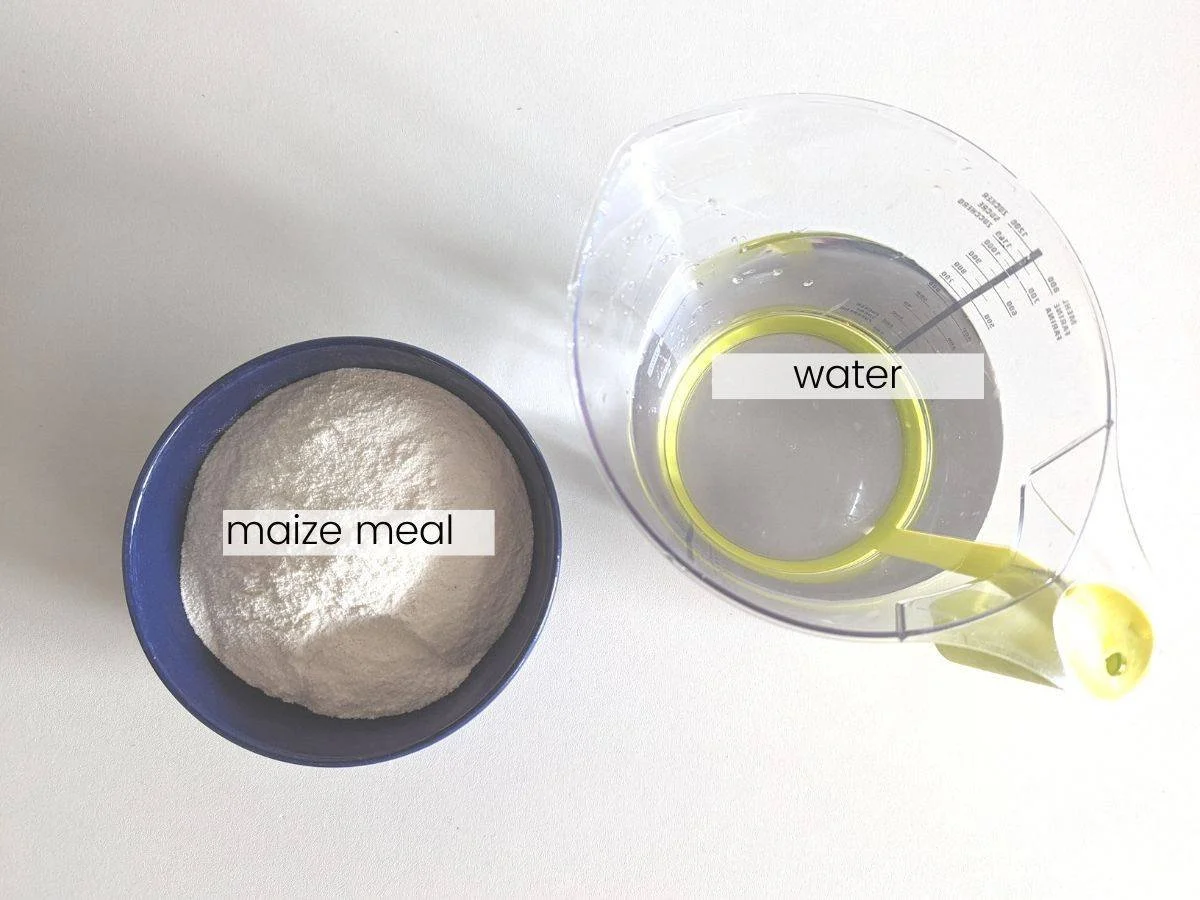
Step-by-Step Recipe: Foolproof Method
Bring 3 cups water to a rolling boil in a large, heavy pot. Add salt.
Once boiling hard, add half the maize meal (1 cup) in a steady stream while stirring quickly to avoid lumps. Some cooks sprinkle it gradually.
Reduce heat to medium-low. Cover the pot and let it sit untouched for 8-10 minutes. This steams the initial layer and prevents sticking.
Remove lid. Stir vigorously for 1-2 minutes to break up any lumps and incorporate everything.
Add the remaining 1 cup maize meal gradually, stirring constantly. It will thicken fast.
Lower heat to very low. Cover again and simmer 15-20 minutes, stirring every 5 minutes to keep it even.
For extra creaminess, stir in butter or margarine at the end. Taste and add more salt if needed.
Turn off heat. Let it rest covered for 5 minutes. It firms up perfectly.
Total time: About 30-40 minutes. The result is firm, smooth mounds that hold shape.
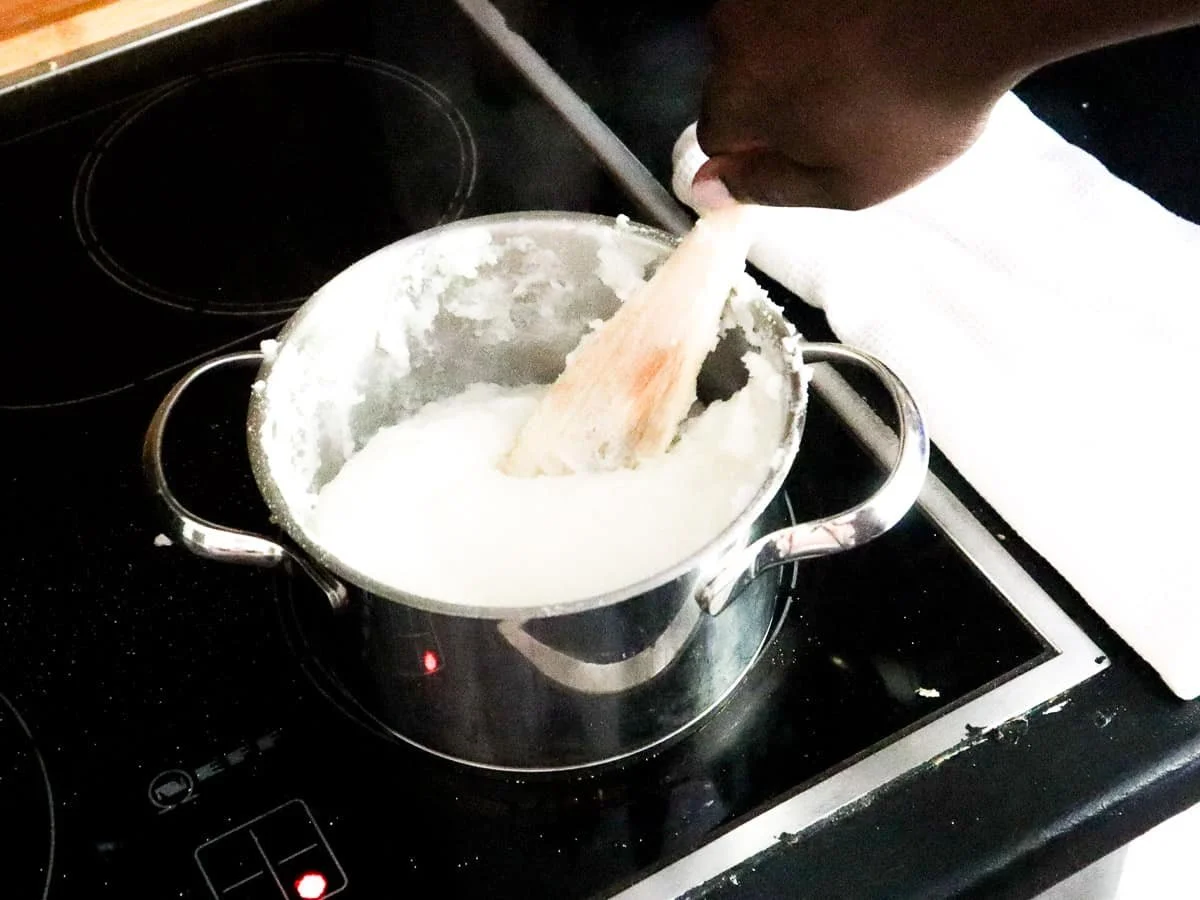
Tips for Perfect Texture Every Time
Use boiling water. Cold starts cause lumps.
Add maize meal in stages. Never dump it all at once.
Stir with a wooden spoon or whisk for smoothness.
Keep heat low after thickening. High heat scorches the bottom.
If too stiff, add hot water a spoonful at a time and stir.
For ultra-smooth, whisk briskly during additions.
Practice the cover and wait step. It works magic.
These habits come from home cooks who make it daily.
Common Mistakes and How to Fix Them
Lumpy pap: Stir more aggressively early on or add maize meal slower next time.
Too runny: Add more maize meal gradually on low heat.
Burnt bottom: Use a heavy pot and stir regularly. Never leave unattended on high.
Too dry: Cover tightly and add a splash of water during simmering.
Fix overcooked lumps by mashing with a fork. It still tastes good.
Cultural Serving Etiquette and Pairings
Serve hot in a large communal bowl or individual plates.
Scoop with a spoon or hands (right hand traditionally). Take a piece, press into a ball, make a small dip, then scoop relish or meat.
Do not touch food with left hand. This is a cultural norm for cleanliness.
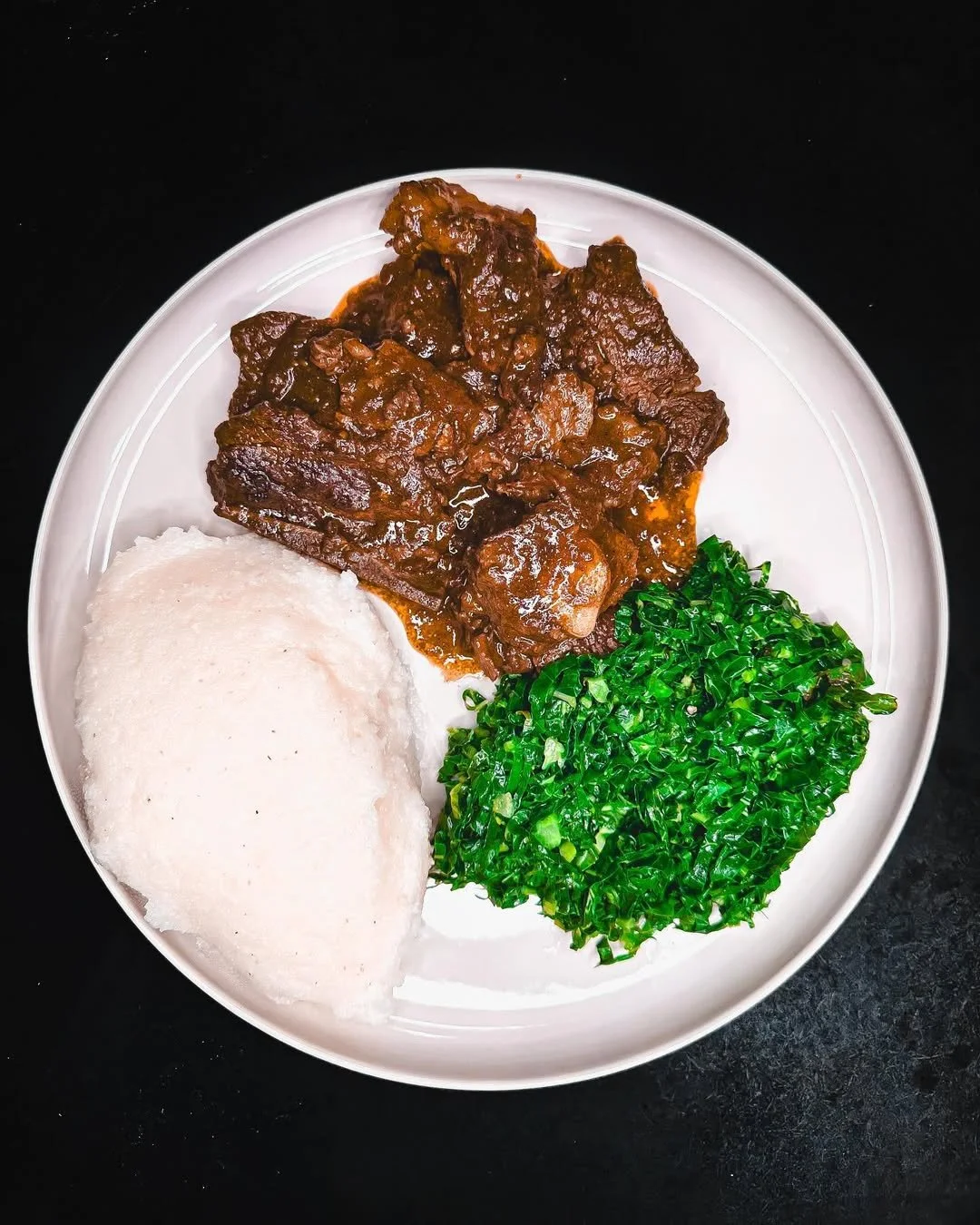
Pair with:
Inyama (stewed meat or braai)
Chakalaka or tomato-onion gravy
Morogo (wild greens)
Umngqusho (samp and beans)
Gravy poured over for flavor soak
At gatherings, elders serve first. Share generously.
It encourages conversation. Eat slowly, talk plenty.
FAQs
What's the difference between isitshwala and other pap?
Isitshwala is the Zulu name for stiff pap (stywe pap). It is thick and firm. Softer versions exist for breakfast.
Can I make it without lumps every time?
Yes. Boil water fully, add meal gradually, stir well, and use the cover-steam method.
Is maize meal the same as cornmeal?
Close, but use white African maize meal (mealie meal) for authentic taste and texture.
How do I store leftovers?
Refrigerate up to 3 days. Reheat with a bit of water or milk to loosen.
Is isitshwala gluten-free?
Yes. Pure maize meal has no gluten.
Can beginners make stiff pap?
Absolutely. Follow the steps exactly, and it turns out right the first try.
Final Thoughts on This Zulu Staple
Isitshwala is Zulu comfort in a pot: simple, reliable, essential. Mastering it means you can feed people well, honor traditions, and create that warm feeling of home. It is not about perfection. It is about consistency and sharing. Next meal, make a batch. Watch how it brings everyone together.
Ready to Cook More Zulu Classics?
At NKENNE, we share recipes that connect you to African roots. Try our umngqusho, Zulu chicken stew, or braai guides next. Get cooking. Your table (and your heritage) will thank you. Join us and keep the flavors alive.