
Umngqusho: Hearty Samp and Beans That Warm the Soul
By: Chimdindu Ken-Anaukwu
There's something special about a pot of samp and beans simmering for hours, filling the house with that deep, earthy aroma that says "home." In Zulu homes, this dish, known as isitambu or simply samp and beans, brings everyone to the table. Known more widely as umngqusho in Xhosa culture but cherished across Nguni traditions, it is pure comfort food. In this post, you'll get the simple, authentic recipe, cultural insights, and tips to make it your own. By the end, you'll understand why it shows up at celebrations and cold evenings alike.

What Exactly Is Umngqusho?
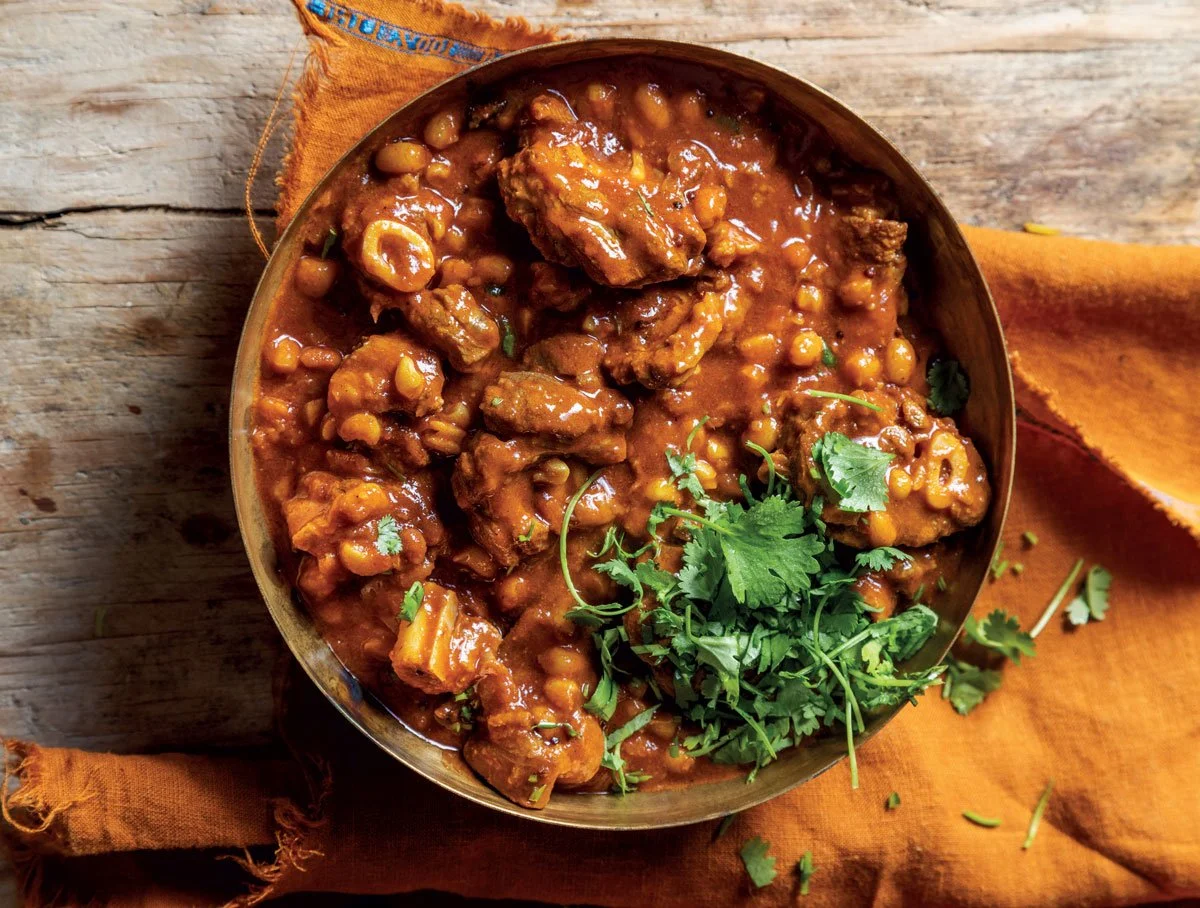
Umngqusho is a hearty one-pot dish made from samp (cracked, dried maize kernels) and beans, slow-cooked until tender and creamy.
Samp comes from maize that's been stamped or crushed, giving it a chewy texture that soaks up flavors.
The beans, usually sugar beans or pinto, add protein and creaminess.
Together, they create a thick, satisfying meal that's naturally gluten-free and filling.
It's simple food born from the land, using what Zulu families have always grown or raised.
Why It Holds a Special Place in Zulu Culture
This dish isn't just food; it's a connector.
In rural KwaZulu-Natal, samp and beans have been a staple for generations, providing energy for long days in the fields or after ceremonies.
It's nutritious – carbs from samp, protein from beans – and economical, feeding large families without breaking the bank.
At celebrations like weddings, umemulo (coming-of-age rites), or family gatherings, it appears as a side or main, often cooked in big pots over open fires.
The slow cooking process mirrors patience and community; everyone shares from the same pot, reinforcing ubuntu.
Today, it still warms homes during winter or after a long day, keeping traditions alive in urban kitchens too.
Ingredients for Authentic Flavor
Gather these for a pot that serves 6-8 people:
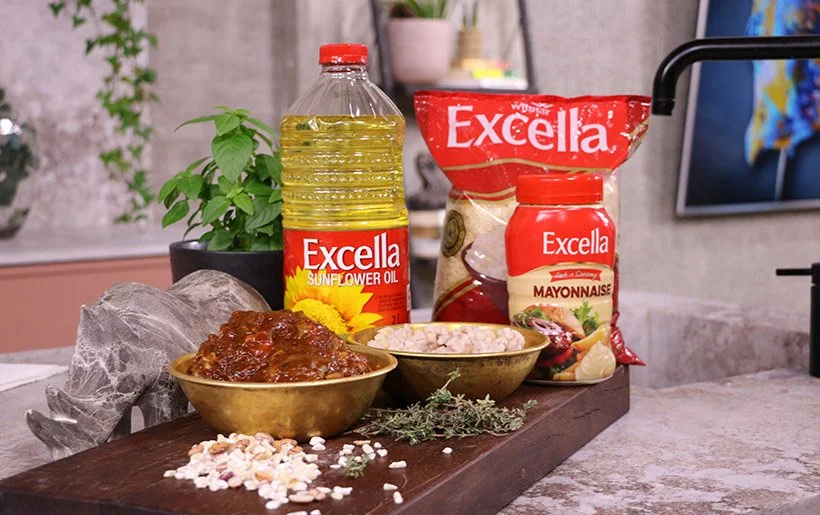
3 cups samp (dried, dehusked maize kernels)
2 cups sugar beans (or pinto beans)
1 large onion, chopped
1 green pepper, diced (optional for color and mild sweetness)
2-3 medium potatoes, peeled and cubed
2 tablespoons cooking oil or butter
2 bay leaves
1-2 tablespoons tomato paste or 2 fresh tomatoes, chopped
Salt and black pepper to taste
Optional: 1-2 beef bones or marrow bones for richer flavor (traditional touch)
Water (about 8-10 cups to start)
These basics keep it true to Zulu home cooking – no fancy spices needed, just good ingredients and time.
Step-by-Step Zulu-Style Recipe
Soak the samp and beans overnight in plenty of water. This cuts cooking time and makes them easier to digest.
Drain and rinse. Place in a large pot with fresh water (enough to cover by 5-6 cm). Add bay leaves and a pinch of salt.
Bring to a boil, then reduce to low heat. Simmer covered for 2-3 hours, stirring occasionally and adding water as needed to prevent drying out. The samp should become soft and creamy.
In a separate pan, heat oil and fry the onion until soft. Add peppers, tomatoes or paste, and potatoes. Cook for 5-10 minutes.
Stir the fried mixture into the pot. If using bones, add them now for depth. Simmer another 30-60 minutes until everything melds and thickens.
Taste and adjust salt/pepper. Remove bay leaves and bones if used.
Serve hot. It thickens more as it cools, so add a splash of water if reheating.
Total time: 3-4 hours (mostly hands-off). The wait is worth it.
Tips for the Best Texture and Taste
Don't rush the soak – it makes the difference between chewy and creamy.
Stir gently to avoid breaking the beans.
For extra richness, add a knob of butter at the end.
If short on time, use a pressure cooker to cut cooking to 45-60 minutes.
Taste as you go – Zulu cooks adjust by feel, not strict measures.
These small habits turn a good dish into one that feels like grandma's.
Variations to Try at Home
Keep it vegan: Skip bones and use vegetable stock for flavor.
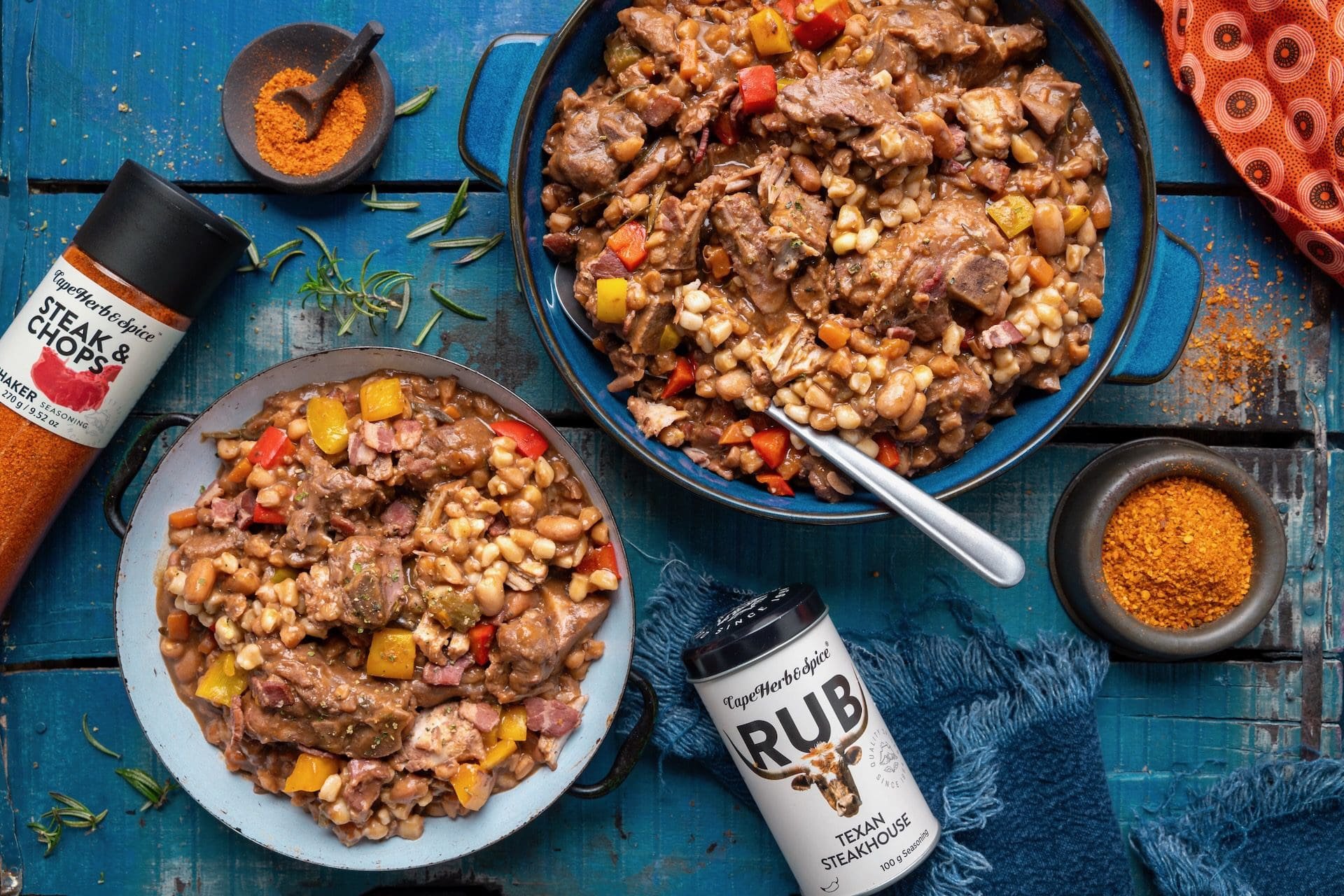
Add meat: Stir in cooked beef chunks or tripe near the end for a heartier version.
Spice it up: A dash of mild curry powder or chili gives a modern twist without overpowering the traditional taste.
Quick version: Use canned beans and pre-cooked samp to make it in under an hour.
Each family tweaks it slightly – that's the beauty of home cooking.
How to Serve and Enjoy It
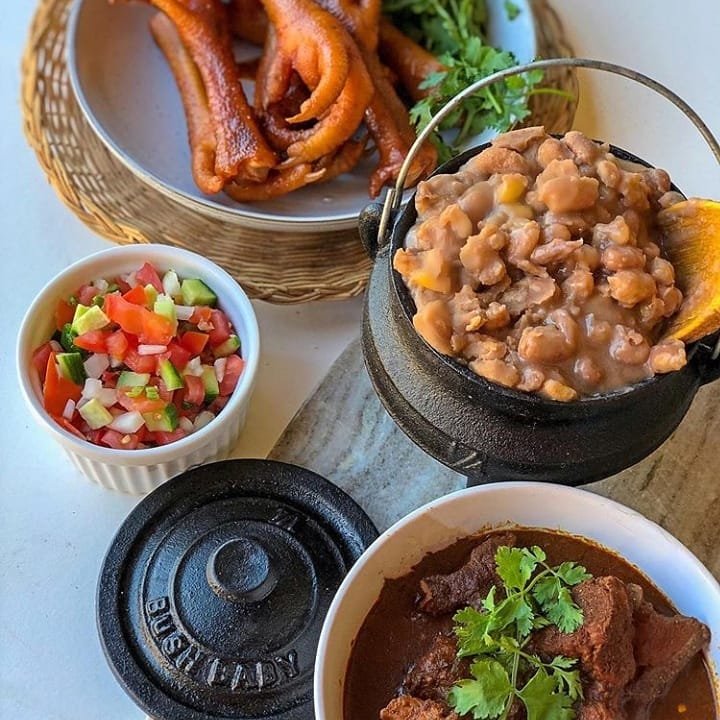
Dish it up in bowls as a main, or alongside grilled meat, morogo greens, or isitshwala (pap).
Top with fresh chopped onion or a dollop of amasi for tang.
It's perfect for leftovers – reheats beautifully and tastes even better the next day.
In Zulu homes, it's shared family-style, encouraging stories and laughter around the table.
FAQs
Is umngqusho the same as Zulu isitambu?
Yes – umngqusho is the Xhosa name, while Zulu speakers often call it isitambu or simply samp and beans. The dish is shared across cultures.
Can I make umngqusho without soaking?
Soaking is best for texture and digestion, but you can skip it and cook longer (4+ hours). Pressure cooking helps too.
What beans work best?
Sugar beans or pinto give the creamiest result. Kidney beans work but can be stronger in flavor.
Is this dish healthy?
Absolutely – high in fiber, protein, and complex carbs. It's naturally vegan without meat additions and gluten-free.
How long does it keep?
Store in the fridge for 4-5 days. Freezes well for up to 3 months.
Can kids eat it?
Yes – it's mild and filling. Just watch the bones if using them.
Final Thoughts on This Zulu Classic
Umngqusho isn't flashy, but it carries the warmth of Zulu kitchens: simple ingredients, long cooking, and shared meals that build bonds. It's proof that the best food often comes from patience and tradition. Next time you need something grounding, let this pot do the work – you'll feel the comfort in every spoonful.
Ready to Cook More Zulu Dishes?
At NKENNE, we celebrate African flavors that connect us to our roots. Explore our guides on Zulu braai, amasi, or full celebration menus. Start cooking heritage; your kitchen (and your people) will thank you. Join the journey today.