
🍽️ Sadza: The Heart of Every Shona Meal
By: Chimdindu Ken-Anaukwu
If there’s one dish that instantly screams Zimbabwean identity, it’s sadza.
Soft, comforting, and filling, sadza isn’t just food; it’s the centerpiece of Shona family meals, community gatherings, and ceremonies. From morning breakfasts to festive feasts, you’ll find a steaming plate of sadza at the heart of it all.
For travelers, diaspora Zimbabweans, or beginners in Shona culture, learning to cook sadza is a direct way to connect with Shona heritage and a perfect opportunity to practice the language while cooking.
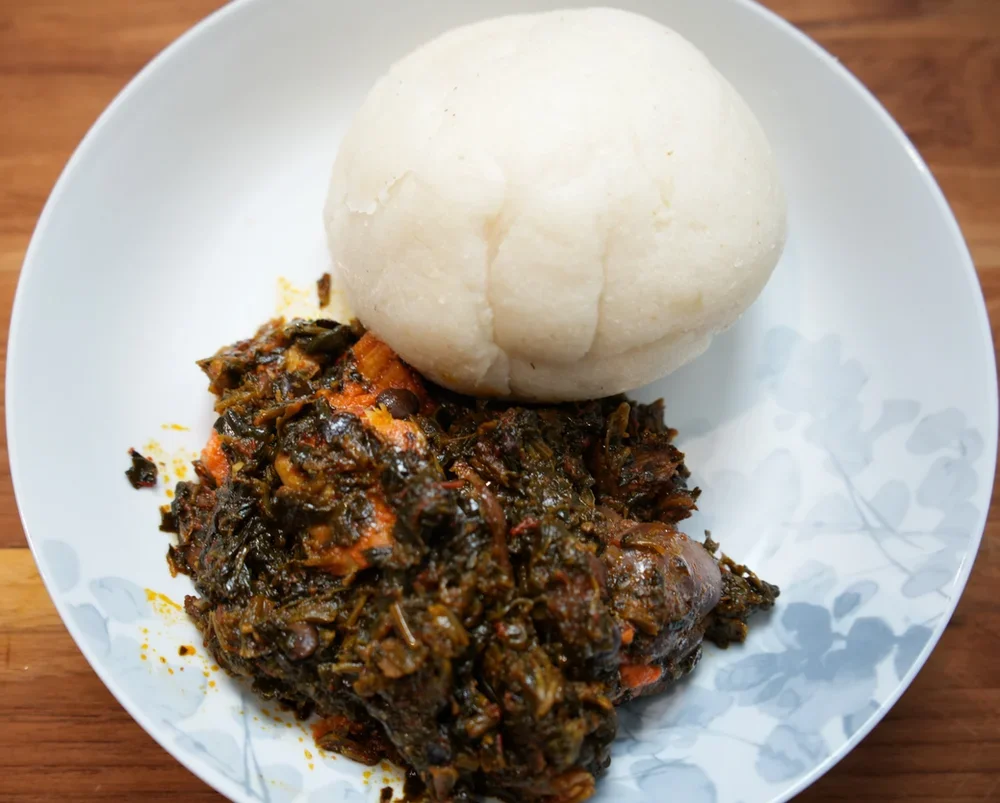
Why Sadza Matters in Shona Culture
Staple of Life: Sadza is made from maize meal (upfu hwechibage) and is eaten daily.
Communal Symbol: Meals are shared family-style, reflecting hunhu (respect, community, togetherness).
Ceremonial Significance: Served at weddings, funerals, and ancestral rituals (mhuri gatherings).
Versatile Base: Paired with meat, vegetables (muriwo), or relishes like peanut stew (dovi).
Step-by-Step Sadza Recipe with Shona Phrases
Ingredients:
2 cups maize meal (upfu hwechibage)
4 cups water (mvura)
Pinch of salt (munyu), optional
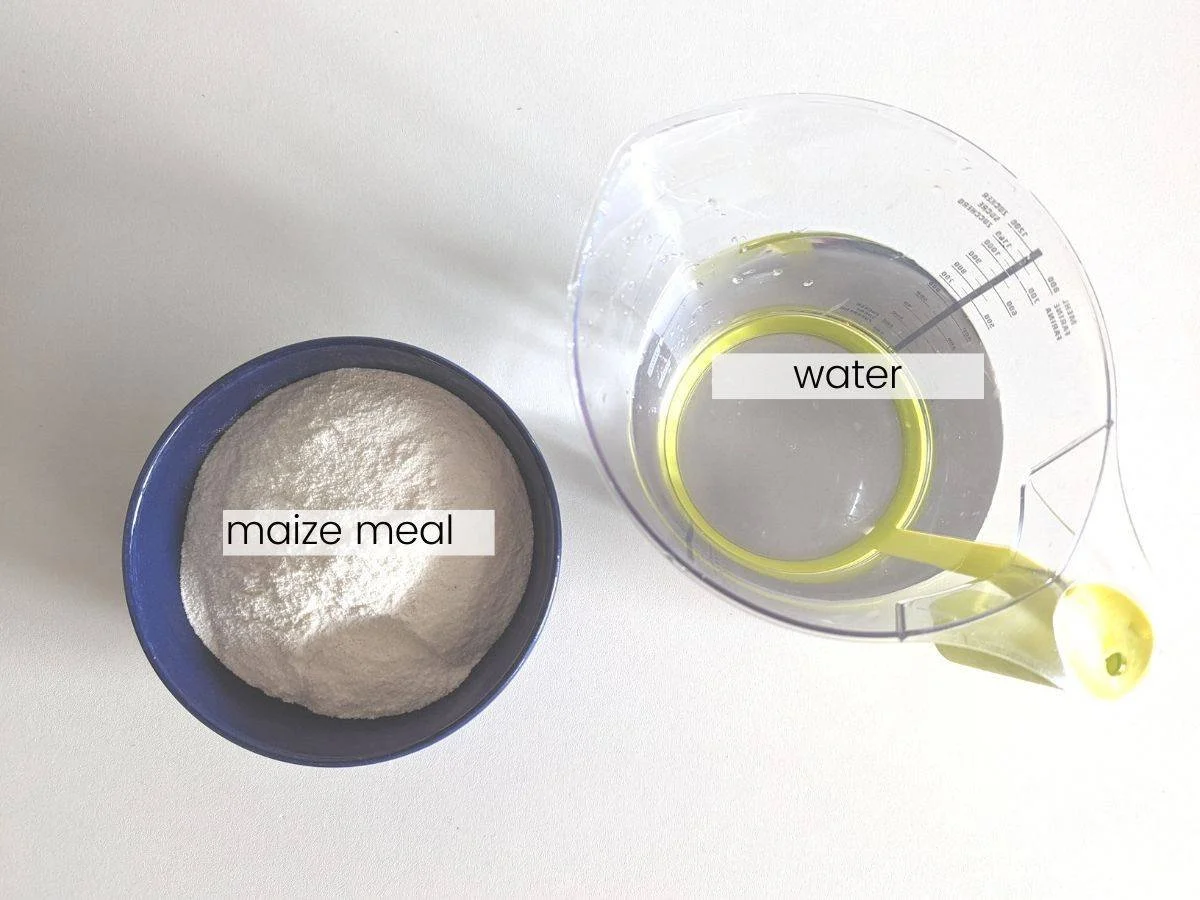
1. Prepare the Water
Shona phrase: Isa mvura mubhodhoro – “Pour water into the pot.”
Pour 3 cups of water into a medium pot.
Place on medium heat until it starts to boil (mvura yava kupisa).
2. Make the Thickening Paste
Shona phrase: Sanganisa upfu nemvura zvishoma – “Mix the maize meal with a little water.”
Take ½ cup of maize meal and mix with ½ cup of cold water to make a smooth paste (upfu hwepasta).
This prevents lumps in your sadza.
3. Cook the Sadza
Shona phrase: Durura pasta mumvura inopisa – “Pour the paste into the hot water.”
Pour the paste into the boiling water while stirring continuously (kusanganisa nguva dzose).
Reduce heat slightly. Stir until the mixture thickens (kusanganisa kusvikira kwasimba).
4. Add Remaining Maize Meal
Shona phrase: Wedzera upfu hwakasara – “Add the remaining maize meal.”
Add the remaining 1½ cups of maize meal gradually.
Stir vigorously using a wooden spoon (bata chipunu chehuni) until thick and smooth.
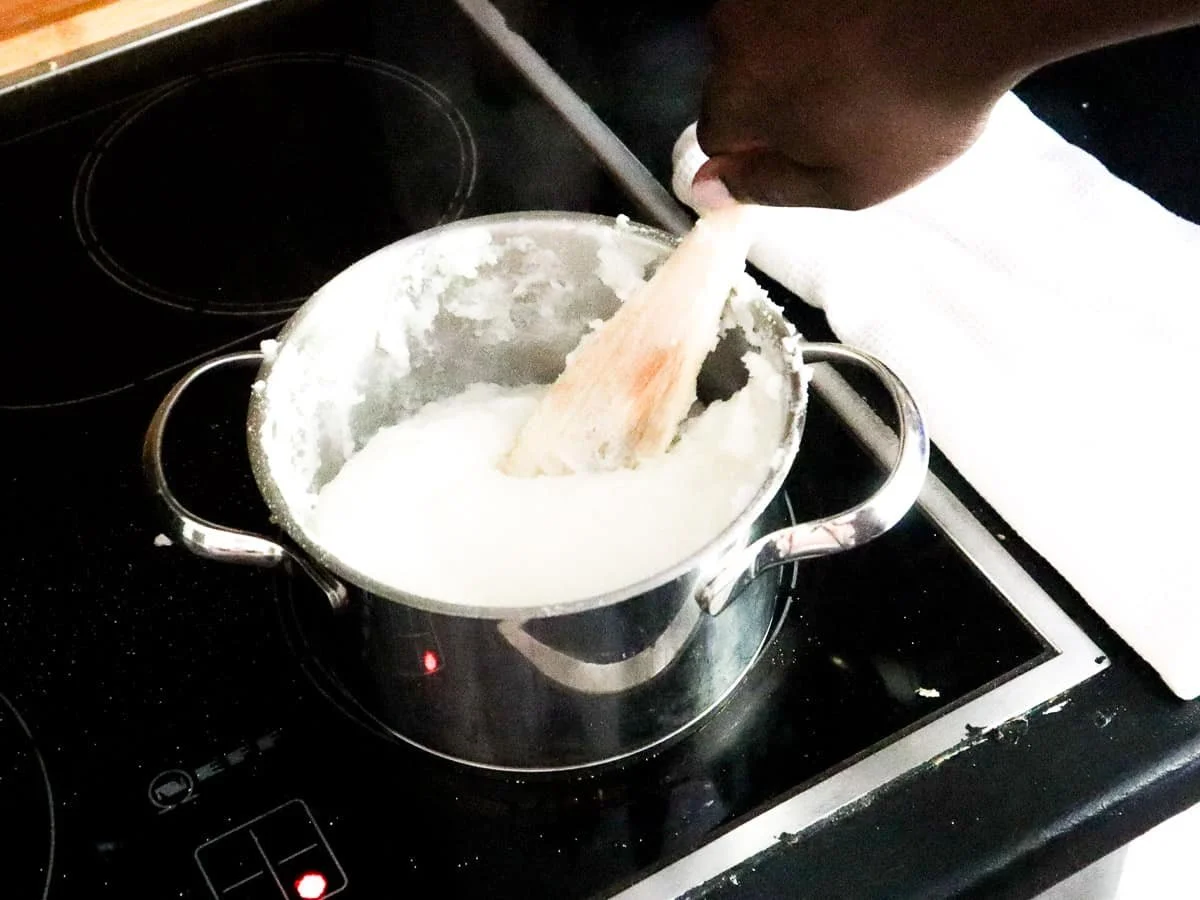
5. Final Touches
Shona phrase: Sadza rako rabikwa – “Your sadza is cooked.”
Cover the pot and simmer for 2–3 minutes.
Remove from heat. Your sadza should be smooth, firm, and slightly sticky — perfect for scooping with your hands.
Serving Suggestions
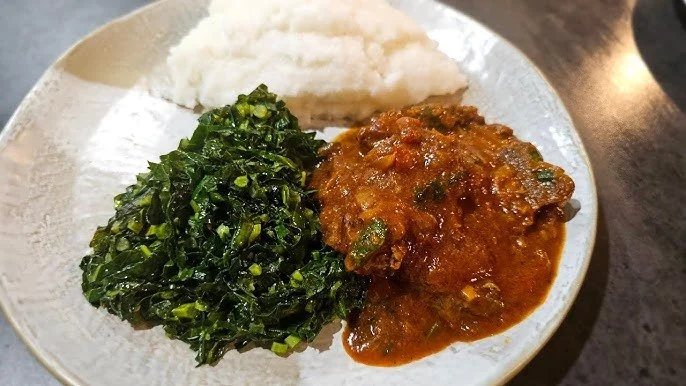
Pair with muriwo nembeu (leafy greens), nyama (meat), or dovi (peanut stew).
Eat with your hands; it’s traditional! Tear a piece, make an indentation, and scoop your relish.
Cultural Tips While Cooking
✅ Respect the process: Stirring sadza requires patience; it’s almost a ritual.
✅ Language practice: Say Shona phrases out loud while cooking; it helps you learn both culture and language.
✅ Share meals: Sadza is meant for sharing; invite family or friends for the full experience.
Shona Vocabulary Cheat Sheet for Sadza
| English | Shona | Pronunciation | Notes |
|---|---|---|---|
| Maize meal | Upfu hwechibage | oo-poo hwe-chee-bah-geh | Main ingredient |
| Water | Mvura | m-voo-rah | Essential for cooking |
| Salt | Munyu | moo-nyoo | Optional |
| Mix | Sanganisa | san-gah-nee-sah | Stirring or combining ingredients |
| Paste | Upfu hwepasta | oo-poo hwe-pah-stah | Small mixture of flour + water |
| Boiling | Kupisa | koo-pee-sah | Heat until hot |
| Spoon | Chipunu | chee-poo-noo | Wooden spoon recommended |
FAQs
Q1: Can I make sadza without a wooden spoon?
Yes, but a wooden spoon helps prevent sticking and is traditional.
Q2: What type of maize meal is best?
Fine white maize meal (upfu chena) is most common, but yellow maize is also used.
Q3: Can sadza be reheated?
Yes, sprinkle a little water and stir while reheating to restore texture.
Q4: Is it eaten cold or hot?
Traditionally, sadza is eaten hot and fresh.
Q5: Can beginners make sadza without lumps?
Yes! The key is making the paste (upfu hwepasta) first and stirring continuously.
Closing Message
Sadza isn’t just food, it’s heritage on your plate, culture in your hands, and a language lesson in every step.
Cook it with care, speak the Shona phrases aloud, and you’re not just making a meal, you’re connecting with generations of Shona families.
🇿🇼✨ Learn more Shona culture and language while cooking at home, join NKENNE today!