
Zulu Family Structure: Roles, Clans, and Ancestor Veneration
By: Chimdindu Ken-Anaukwu
Family lies at the heart of Zulu identity. The structure goes far beyond parents and children. It includes extended relatives, clan connections, and a deep respect for ancestors. In this guide, you will learn about traditional roles, the importance of clans, lobola, polygamy, and ancestor veneration. You will also see how these elements continue to influence Zulu families in modern South Africa.
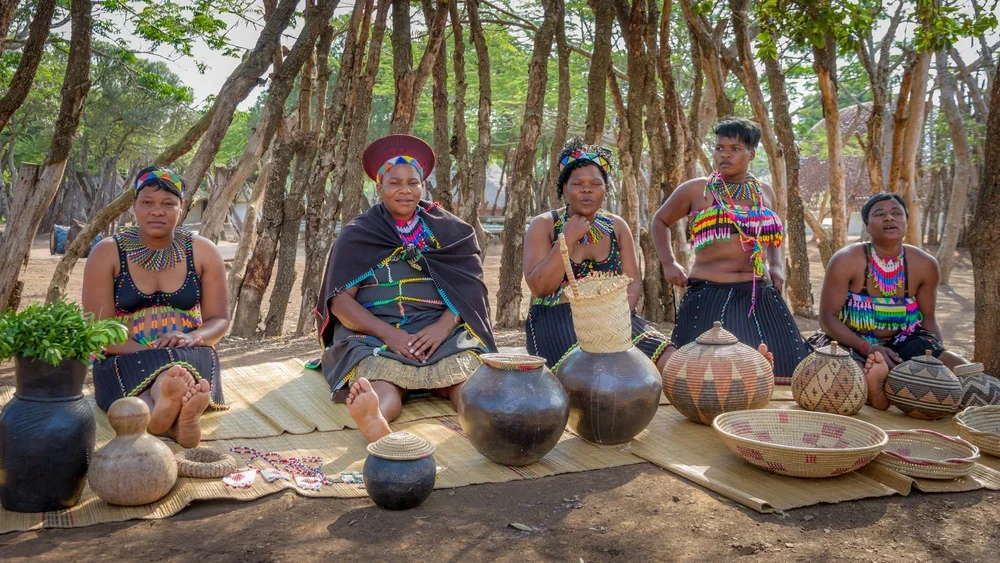
The Foundation of Zulu Family Life
Zulu families are built on respect, hierarchy, and community.
The concept of ubuntu, meaning a person is a person through other people, guides relationships.
Families are often large and multigenerational. Elders hold authority, and children learn responsibility early.
This structure provides support, identity, and continuity across generations.
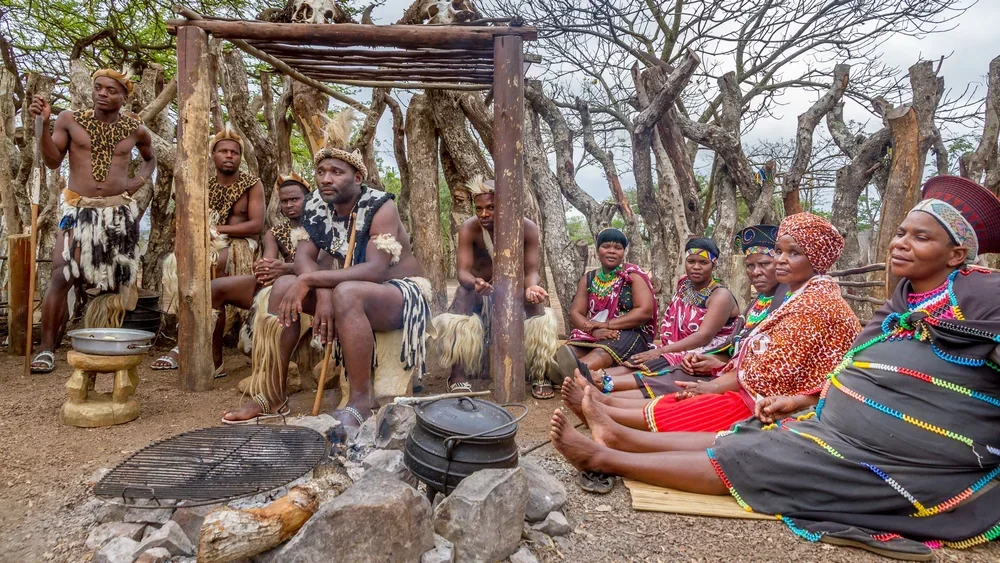
Key Roles Within the Family
Ubaba (Father): Head of the household, provider, and decision maker. He maintains discipline and represents the family publicly.
Umama (Mother): Central figure who manages the home, raises children, and often preserves cultural knowledge.
Children: Expected to show respect (hlonipha) to elders. Boys and girls learn gender-specific roles while contributing to family needs.
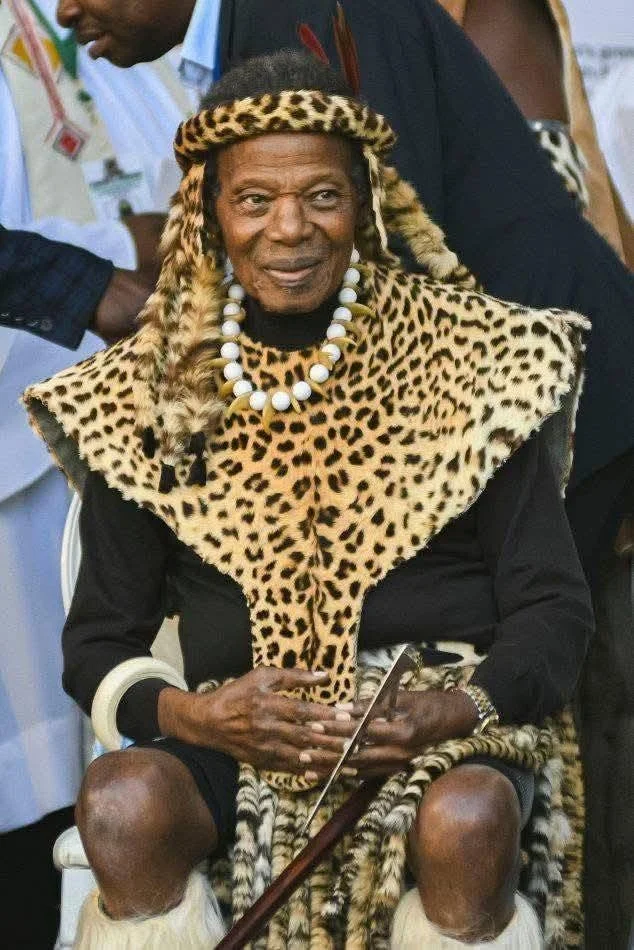
Elders and Grandparents: Highly respected for wisdom. They offer guidance and help transmit traditions.
Roles are flexible in practice, especially in urban settings where both parents often work.
Clans and Izibongo: Identity and Connection
Every Zulu person belongs to a clan (isizwe or iklomo).
Clans are identified through izibongo (praise names or clan names) such as Khumalo, Dlamini, or Mkhize.
These names trace lineage and create bonds even with strangers who share the same clan.
Marriage within the same clan is traditionally avoided to prevent close blood relations.
Izibongo are recited at ceremonies to honor ancestors and affirm identity.
Lobola: The Tradition of Bride Price
Lobola is the practice where the groom’s family pays cattle or money to the bride’s family.
It is not a purchase but a symbol of appreciation, commitment, and alliance between families.
Lobola strengthens ties and shows the groom’s seriousness.
Negotiations involve elders from both sides and can take time.
In modern times, lobola is often paid in cash alongside or instead of cattle. Many couples still complete it before or after a legal wedding. It remains an important cultural step even in contemporary relationships.
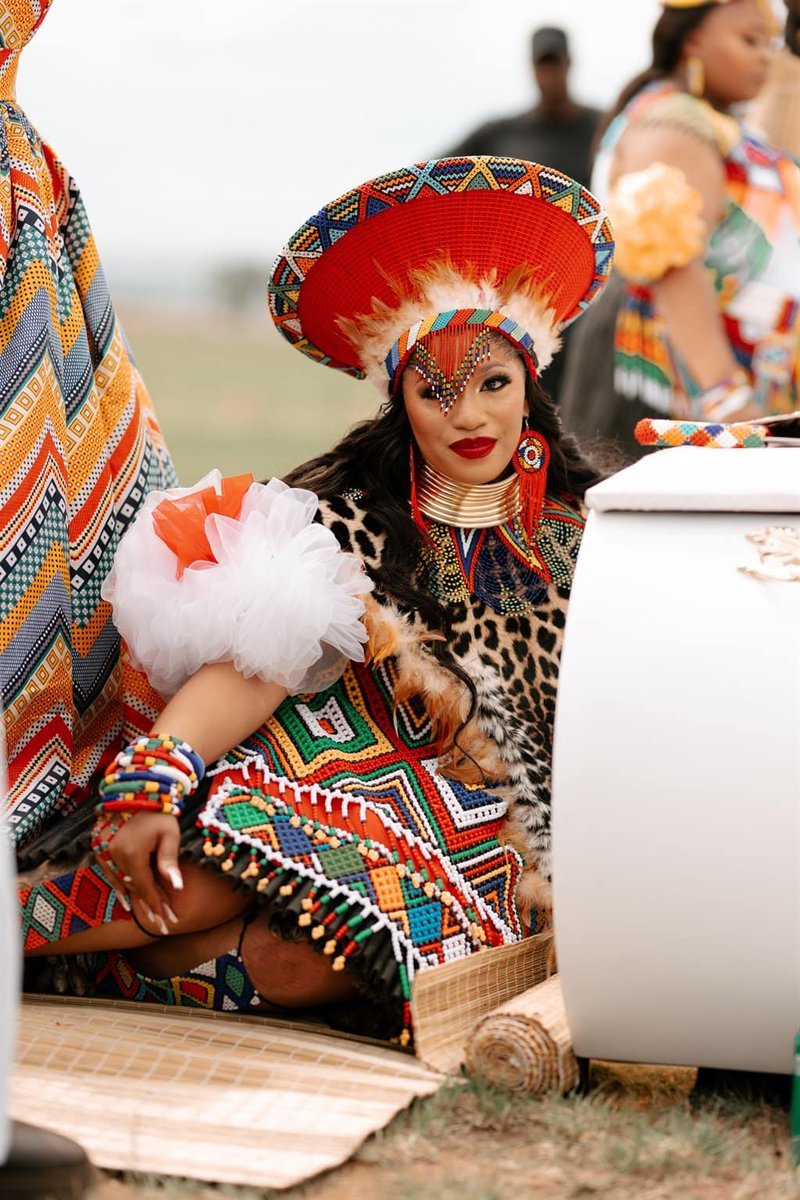
Polygamy in Zulu Tradition
Historically, polygamy (isithembu) was common among men who could support multiple wives.
It allowed larger families, more labor, and alliances.
Each wife had her own household within the homestead (umuzi).
The first wife held senior status.
Today, polygamy is less common due to economic pressures, Christianity, and legal changes. Some men still practice it, but it requires consent and fair treatment of all wives. South African law recognizes customary marriages, including polygamous ones under certain conditions.
Amadlozi: Honoring the Ancestors
Amadlozi are the spirits of deceased ancestors who continue to watch over the living.
Families believe ancestors bring blessings, protection, and guidance when honored, or misfortune when neglected.
Key rituals include:
Ukubuyisa (bringing home the spirit of a deceased person)
Animal sacrifice (ukuhlaba) during important events
Pouring beer or placing food as offerings
Prayer and consultation through sangomas (traditional healers)
These practices keep the connection between past and present generations alive.
How These Traditions Shape Modern Family Life
Many Zulu families blend tradition with modern realities.
Lobola negotiations happen alongside civil marriages.
Urban professionals maintain clan ties through social media and family gatherings.
Ancestor veneration continues in homes and during major life events.
Challenges such as migration and economic pressures test these structures, yet they provide resilience, identity, and support networks.
Younger generations adapt the traditions while preserving core values of respect and family unity.
FAQs
What is the purpose of lobola today?
Lobola builds family alliances, shows commitment, and honors tradition. It is still widely practiced even in modern relationships.
Is polygamy still common in Zulu culture?
It is less common than before but remains legal and practiced by some under customary law.
How do Zulu people honor amadlozi?
Through rituals, offerings, prayers, and ceremonies such as ukubuyisa. Families consult ancestors for important decisions.
Do clans still matter in modern South Africa?
Yes. Clan names (izibongo) provide identity, social connections, and marriage guidelines.
Can women head Zulu households?
Yes. In many modern families, women lead households, especially when men are absent due to work or other reasons.
How can outsiders show respect for these traditions?
Learn basic greetings, show respect to elders, and approach customs with humility when invited to participate.
Final Thoughts on Zulu Family Strength
Zulu family structure, with its clear roles, strong clans, lobola customs, and deep ancestor veneration, creates a powerful support system. These traditions offer identity, guidance, and resilience even as families adapt to contemporary life. Understanding them helps you appreciate the warmth and depth of Zulu culture. Whether you belong to a Zulu family or are simply learning, these elements remind us that family is the true foundation of a meaningful life.
Ready to Explore More Zulu Culture?
At NKENNE, we connect you with authentic Zulu knowledge through clear guides on language, traditions, and daily life. Dive deeper into family ceremonies, beadwork, or everyday phrases with our resources. Keep building your understanding and connection to this rich heritage. Your journey with Zulu culture continues here. Welcome.