
The Bayajidda Legend: How a Prince from Baghdad Shaped Hausa Identity
By: Chimdindu Ken-Anaukwu
Every Hausa person grows up hearing the story of Bayajidda. A prince from the East arrives in Daura, kills a snake, marries the queen, and fathers the seven true Hausa states.
This legend is more than a fairy tale. It explains where the Hausa people see their roots, their unity, and their place in the world. This guide walks you through the story, its deeper meaning, and why it still matters today.
The Story of Bayajidda
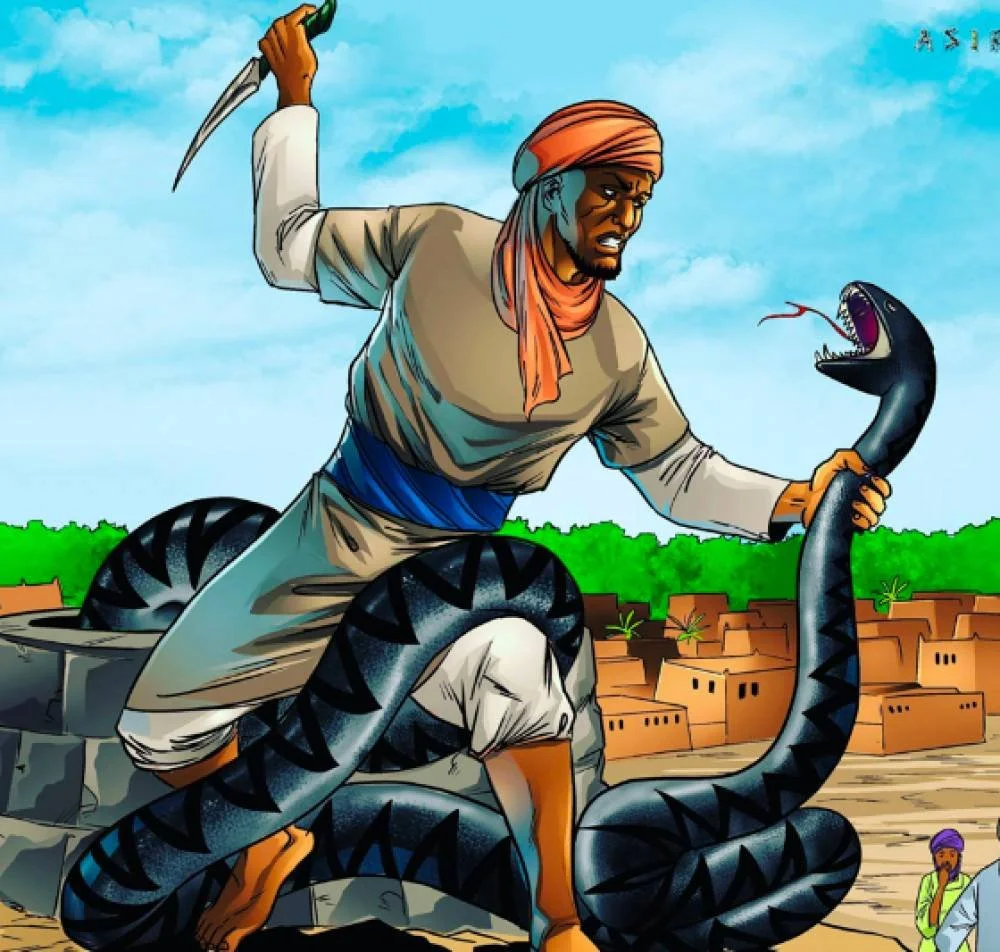
According to the legend, Bayajidda was a prince who left Baghdad after a disagreement. He traveled across Africa with his warriors until he reached the kingdom of Daura in present-day Northern Nigeria.
Daura faced a problem: a giant snake lived in the only well and blocked people from getting water. Bayajidda killed the snake, cut off its head, and presented it to the queen. Impressed by his courage, Queen Daurama married him.
Together they had a son named Bawo. Bawo later had seven sons who became the founders of the seven original Hausa states, known as Hausa Bakwai.
The Birth of the Hausa Bakwai
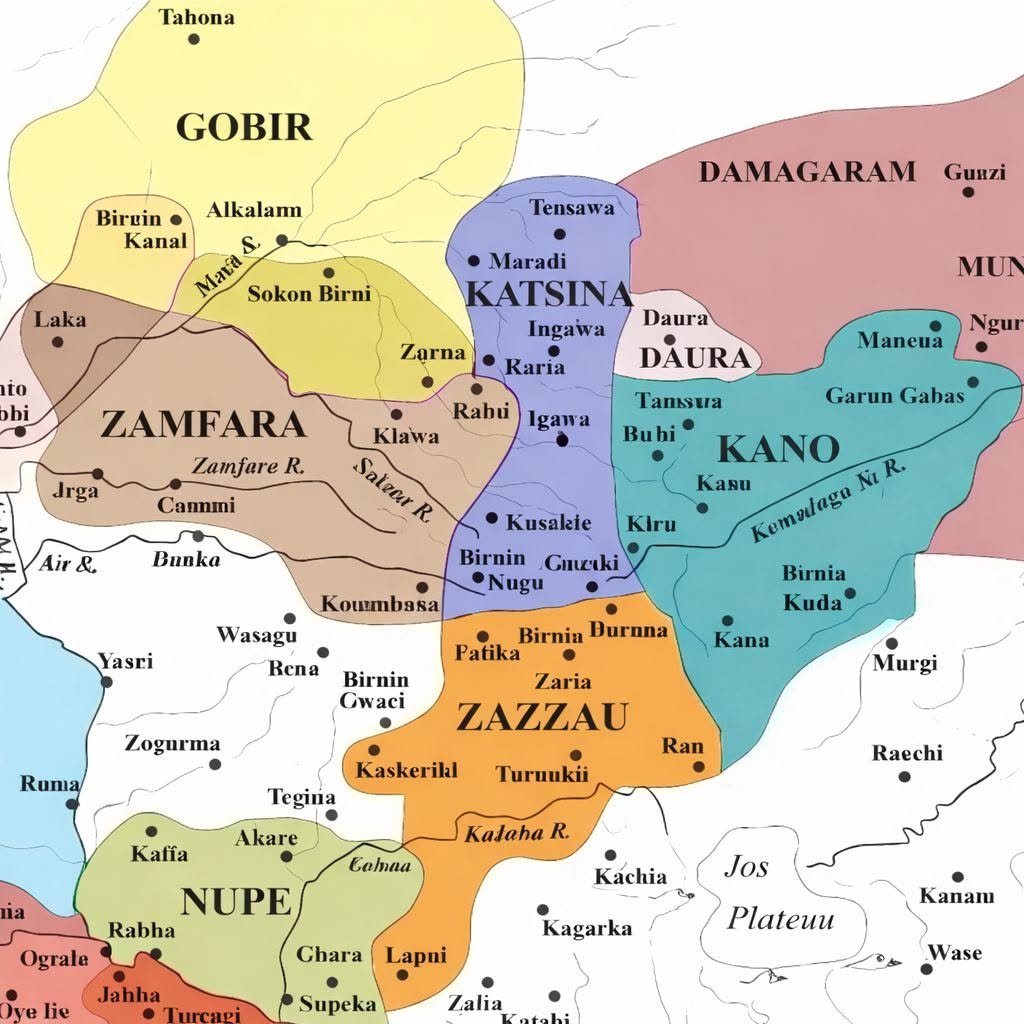
The seven sons founded these states:
Daura
Kano
Katsina
Zazzau (Zaria)
Gobir
Rano
Biram
These kingdoms formed the core of Hausa civilization. The legend ties all Hausa people together through one shared ancestor and explains their common identity across different cities.
What the Legend Really Means
The Bayajidda story is not taken as strict history by everyone, but it carries powerful messages.
It shows courage and service earning leadership. It links Hausa people to the wider Islamic world through the prince from Baghdad. Most importantly, it creates a sense of unity among different Hausa communities who might otherwise see themselves as separate.
The snake represents obstacles overcome through bravery. The marriage to the queen shows partnership and the blending of lineages.
Historical and Cultural Significance
Scholars see the legend as a way early Hausa societies explained their origins and justified political power. It helped create a shared identity that made trade, alliances, and cultural exchange easier across the region.
The story has been passed down through oral tradition, praise singing, and written chronicles. It appears in the famous Kano Chronicle and remains alive in everyday conversation and education.
Bayajidda in Modern Hausa Life
Today the legend still shapes pride and belonging. Hausa people across Nigeria, Niger, and the diaspora reference it when talking about unity or heritage.
Festivals, school lessons, and family discussions keep the story fresh. It reminds people that Hausa identity is old, resilient, and connected to a bigger world.
Frequently Asked Questions
Is Bayajidda a real historical person?
Most see it as a founding myth rather than literal history, but it reflects real migrations and cultural blending in the region.
What are the Hausa Bakwai?
The seven original Hausa states founded by the sons of Bawo. They form the heart of traditional Hausa civilization.
Why does the legend matter so much?
It gives Hausa people a common origin story, explains their strength, and supports unity across different cities and groups.
Do all Hausa people believe the legend?
Many value it as cultural heritage even if they do not take every detail literally. It remains a living part of identity.
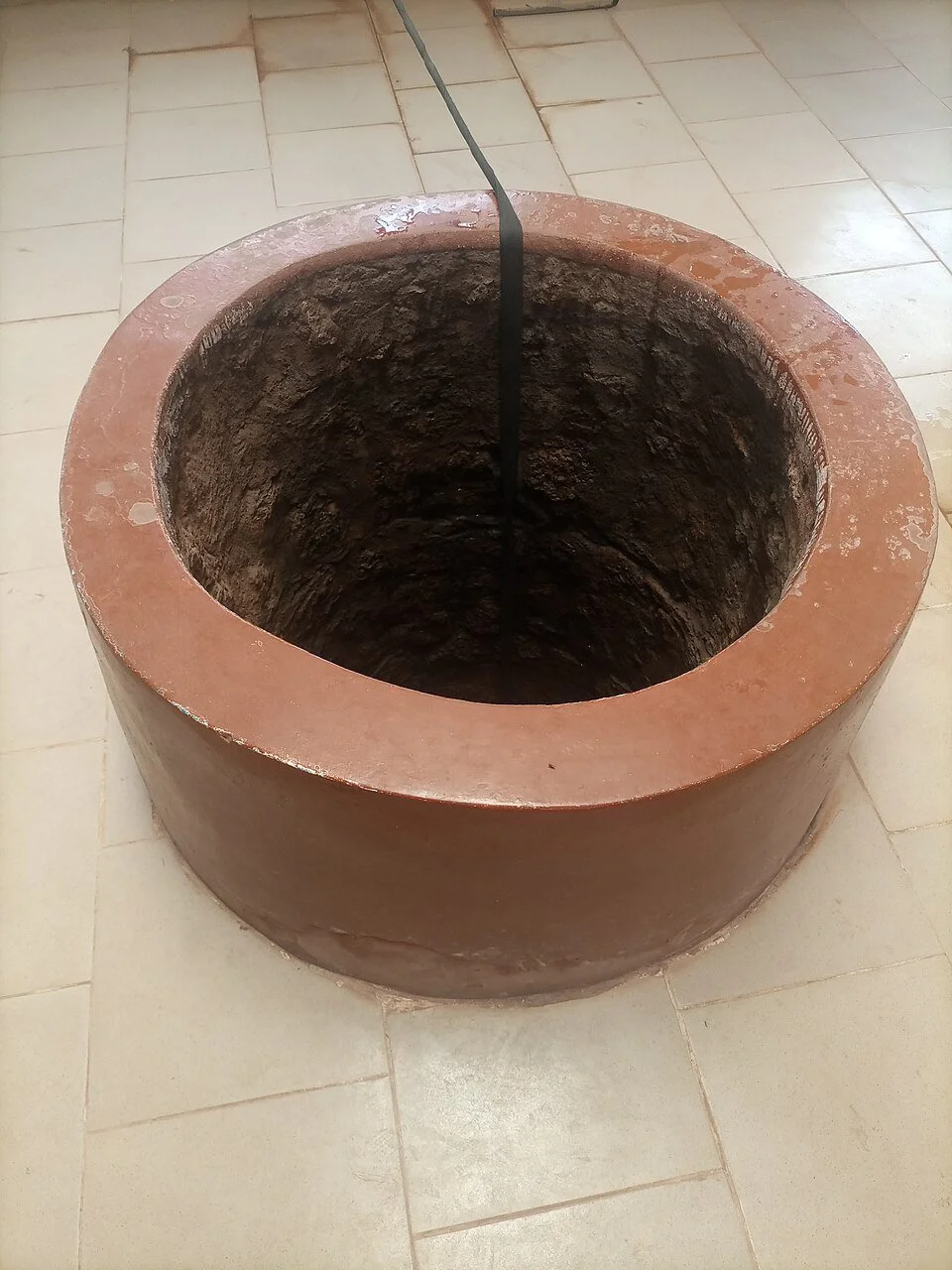
The Kusugu well, where the giant snake Sarki was killed by Bayajida
The Bayajidda legend is one of the strongest threads holding Hausa identity together. It turns scattered kingdoms into one people with a shared story of courage, unity, and purpose.
Understanding it helps you see Hausa history and pride in a deeper way.
Want more on Hausa origins, legends, and living culture? NKENNE has full guides and courses ready. Come explore with us; there is so much more to discover.