
10 Traditional African Foods You May Have Never Heard Of (And the Stories Behind Them)
By: Yvonne Mag-usara
When people think of African food, the same few dishes usually come to mind.
Jollof rice. Injera. Bunny chow.
They deserve the recognition. But they are only a small glimpse into one of the world's most diverse culinary traditions.
Across Africa, thousands of regional dishes have been prepared for centuries, yet many remain unknown outside the communities that created them. Some celebrate harvests. Others mark weddings, welcome guests, or bring families together after a long day. Many carry names from African languages that tell their own stories.
These foods are more than recipes. They are living reminders of history, identity, and belonging.
Here are ten traditional African foods that deserve a place on your table and in your understanding of Africa.
Attiéké: Côte d'Ivoire's Fermented Cassava Treasure
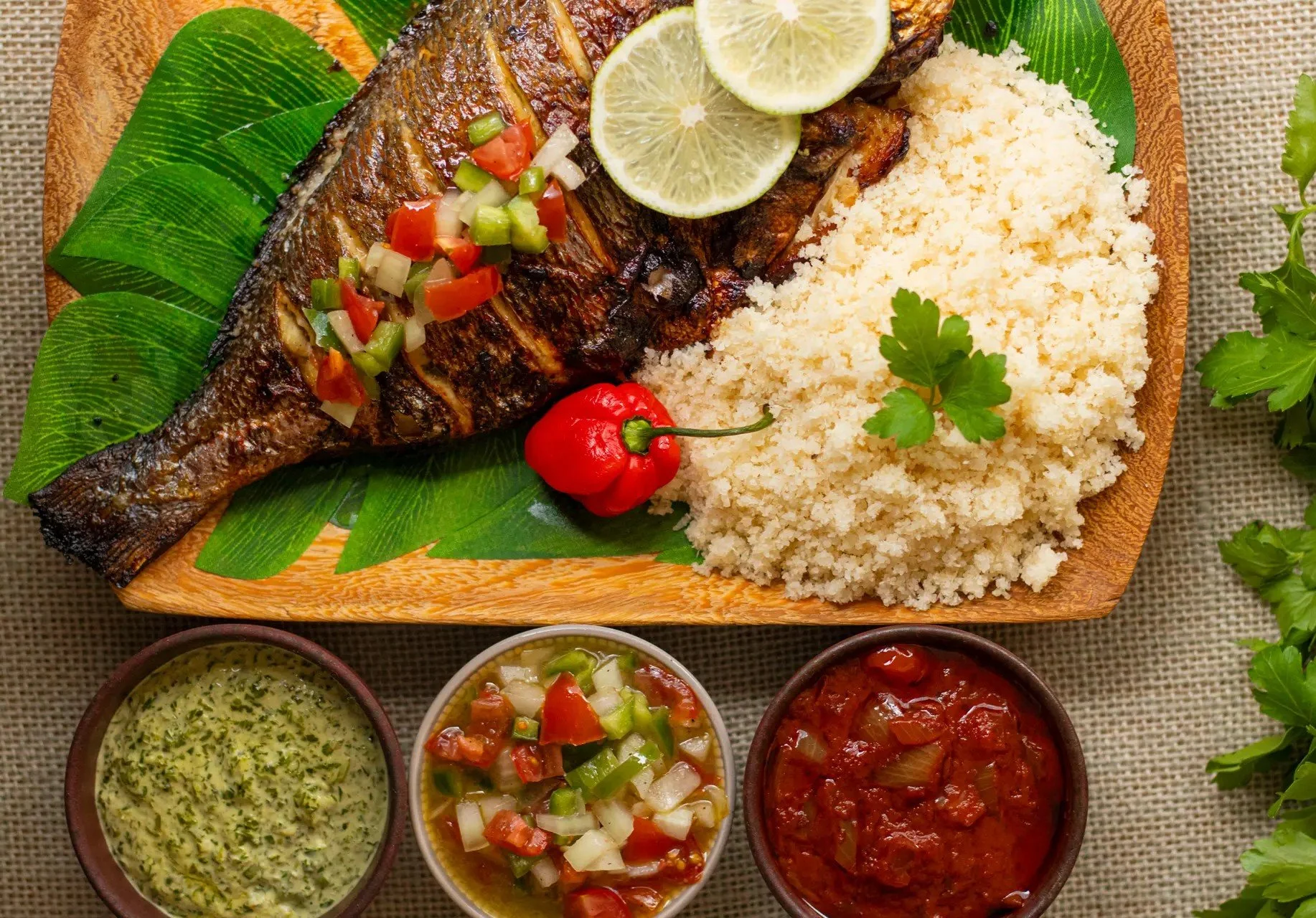
Credit: Aistou Cuisine
Attiéké is a fermented cassava dish that has become a cornerstone of Ivorian cuisine, often served with grilled fish and fresh, spicy sauces.
At first glance, attiéké looks like couscous.
Look closer, and you'll discover one of West Africa's most distinctive foods.
Attiéké is made from fermented cassava that is grated, pressed, and steamed into light, fluffy grains. The process takes time, but that patience creates its slightly tangy flavor and delicate texture.
The dish originated among the Ebrié people of southern Côte d'Ivoire, where generations of women refined the preparation techniques and passed them down through families.
Today, attiéké is enjoyed with grilled fish, spicy sauces, and fresh vegetables. Whether served at roadside restaurants or family celebrations, it remains one of Côte d'Ivoire's proudest culinary traditions.
Language Connection
The word attiéké comes from the language of the Ebrié people, reflecting the dish's deep cultural roots in southern Côte d'Ivoire.
Fonio: The Ancient Grain That Fed West Africa for Thousands of Years
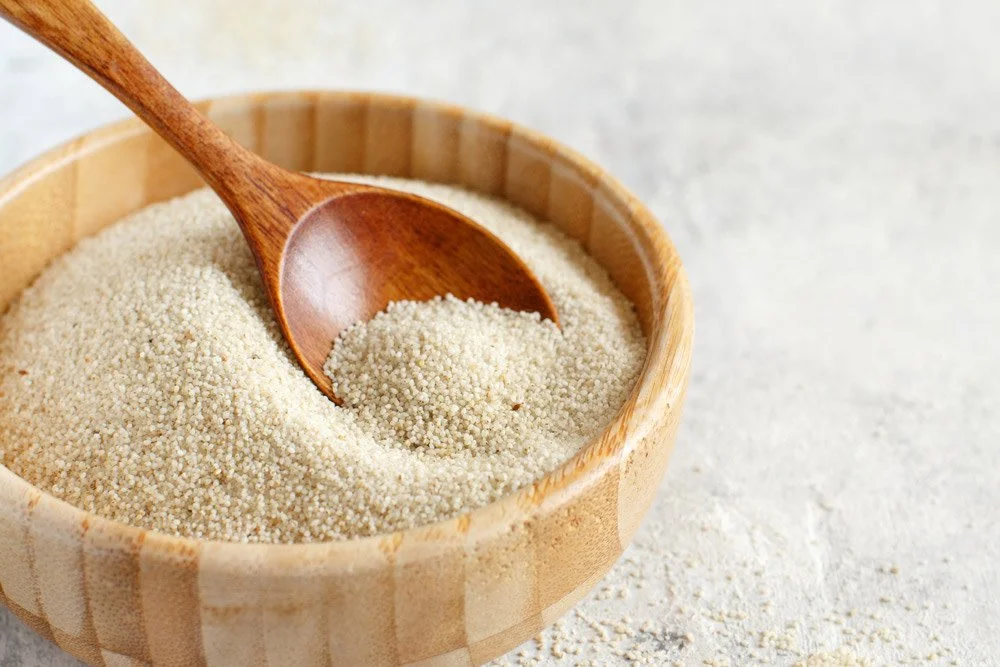
Credit: Daily Harvest
Once a staple of ancient West African civilizations, fonio is gaining renewed attention for its resilience, versatility, and rich culinary heritage.
Before quinoa became popular around the world, West Africa had already perfected one of the world's oldest grains.
Fonio has been cultivated across Senegal, Mali, Guinea, and Burkina Faso for thousands of years. It grows in dry conditions where many other crops struggle, making it an essential food throughout the Sahel.
Its tiny grains cook quickly and have a light, nutty flavor that works beautifully in porridges, salads, and side dishes.
For many farming communities, fonio represents resilience. It has survived changing climates, shifting trade routes, and centuries of agricultural change while continuing to nourish millions.
Sometimes the oldest foods are also the most sustainable.
Chikwangue: A Cassava Dish Wrapped in History
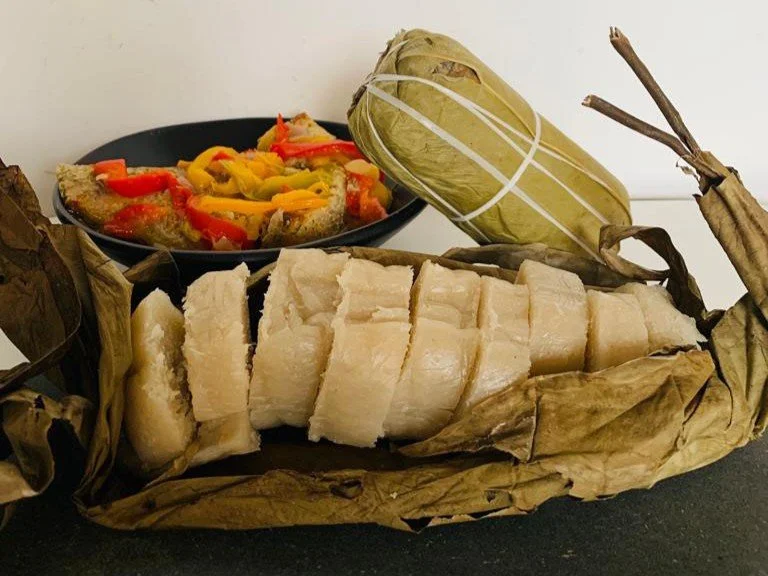
Credit: Malewa
Chikwangue is fermented cassava wrapped in leaves, preserving a Central African cooking tradition that has been passed down for generations.
Long before plastic containers existed, Central African communities had already found a better solution.
Chikwangue is made from fermented cassava dough that is carefully wrapped in large leaves before steaming. The leaves lock in moisture, protect the food during transport, and add subtle aroma as it cooks.
Popular in both the Democratic Republic of the Congo and the Republic of the Congo, chikwangue is often served alongside grilled fish, rich stews, or roasted meat. The wrapping is more than practical. It reflects generations of knowledge about cooking with the natural materials found close to home.
Language Connection
The name chikwangue has roots in Bantu languages spoken across Central Africa, reflecting the region where the dish became a staple.
Isombe: The Comfort Food That Begins With Cassava Leaves
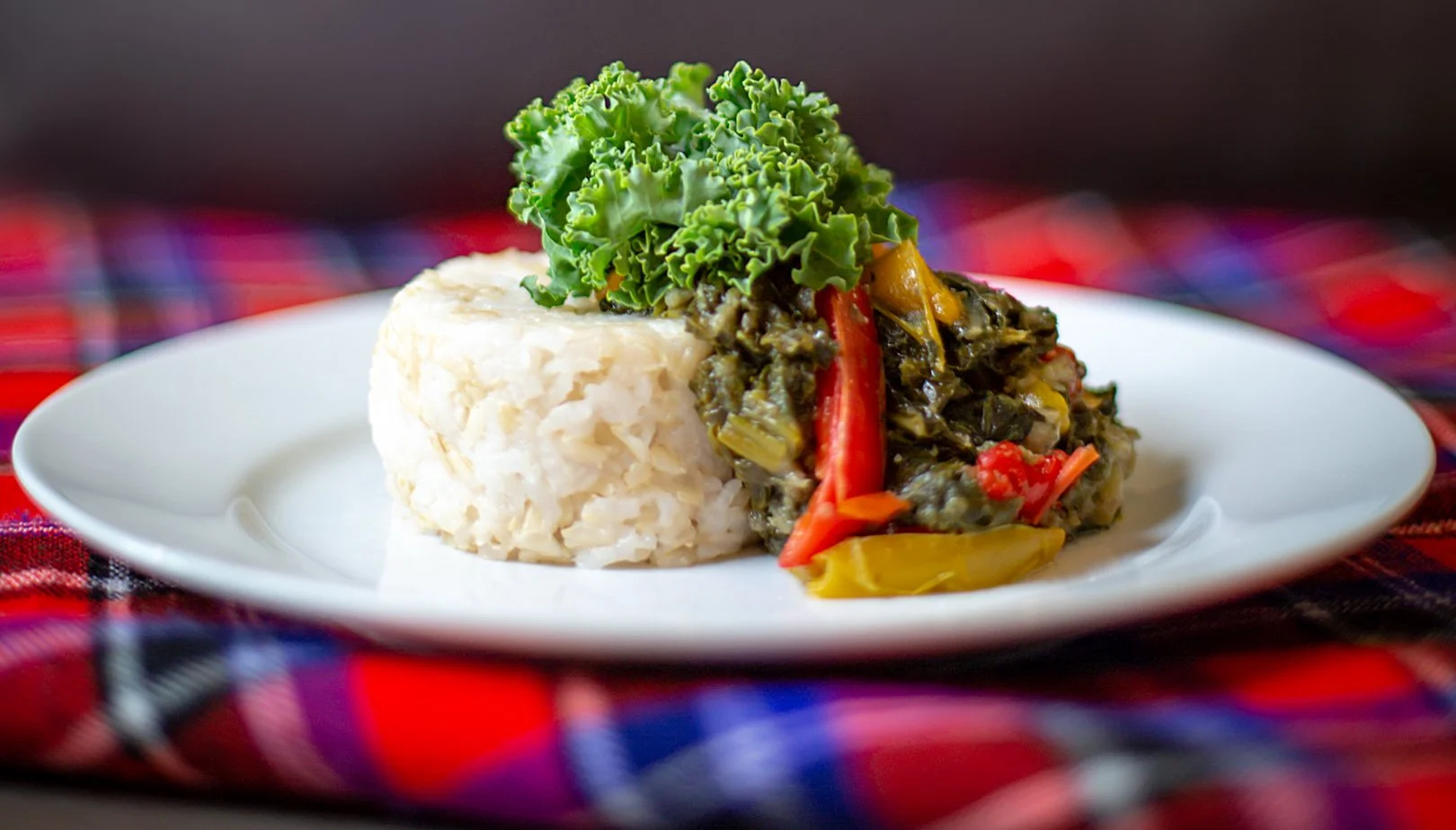
Credit: Heather Klinger / World Vision
Isombe transforms cassava leaves into a comforting dish that has long brought families together across Rwanda and parts of the Democratic Republic of the Congo.
Many people know cassava for its roots.
In Rwanda and parts of the Democratic Republic of the Congo, the leaves are just as important.
Isombe transforms cassava leaves into a rich, flavorful dish by pounding them until tender before cooking them slowly with onions, tomatoes, spices, and often peanuts or smoked fish.
The result is earthy, comforting, and deeply satisfying.
For many families, the smell of isombe cooking is enough to bring back memories of childhood kitchens and shared meals.
Simple ingredients become extraordinary when generations know exactly how to prepare them.
Achu: The Dish That Brings Everyone to the Same Table
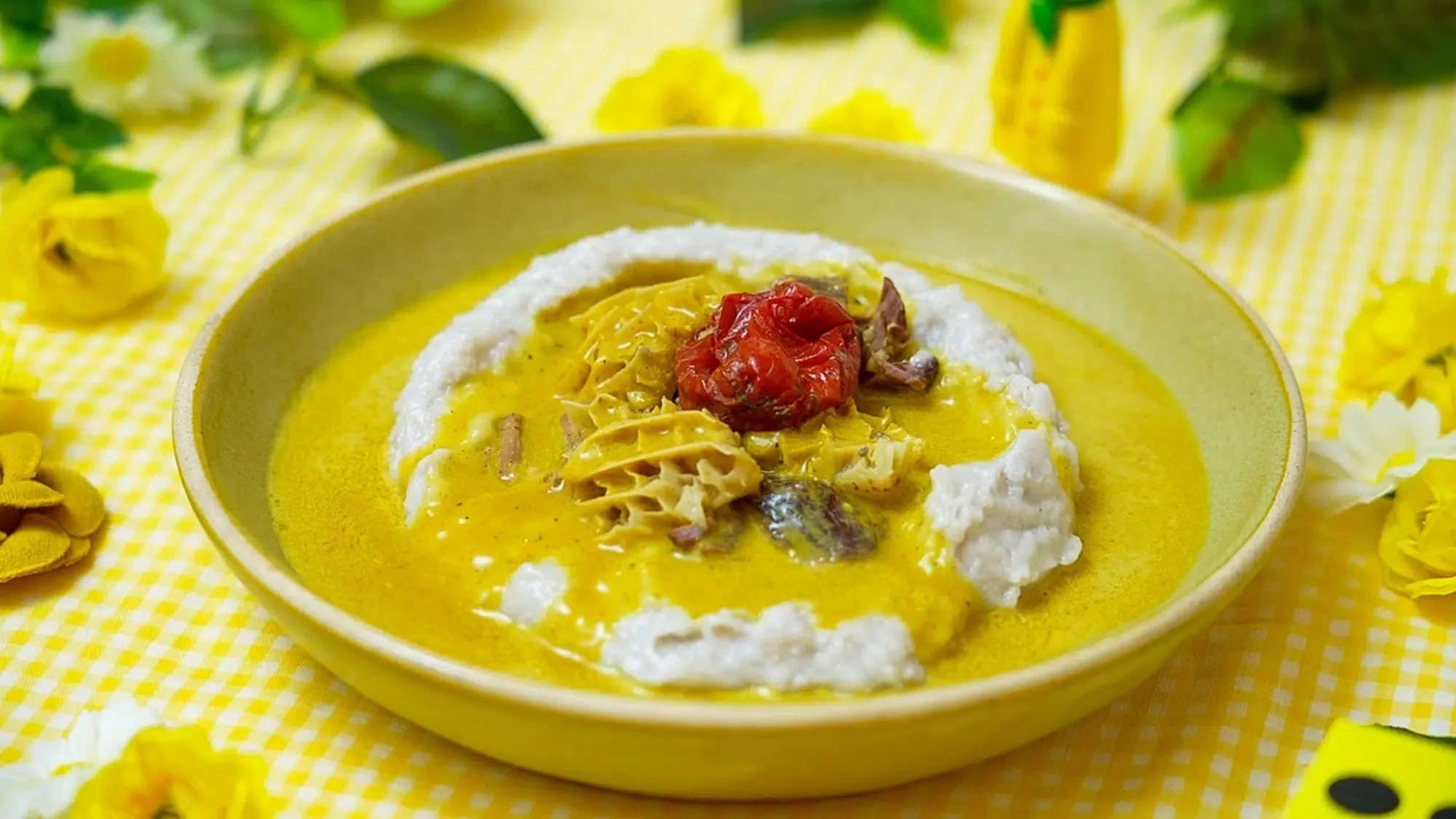
Credit: KnowSeafood
Achu is a celebratory Cameroonian dish known for its pounded cocoyams and distinctive yellow palm oil sauce shared during family gatherings.
Some recipes are about flavor.
Achu is also about tradition.
Originating in Cameroon's North West Region, achu features pounded cocoyams served with a vibrant yellow palm oil sauce, vegetables, and meat or fish.
Preparing the signature sauce requires patience and skill, making it a recipe that is often learned from parents and grandparents rather than from cookbooks.
Achu is rarely rushed. It appears at weddings, celebrations, and family gatherings where everyone shares the meal together.
In many homes, the preparation is just as meaningful as the meal itself.
Language Connection
The name achu comes from the language spoken by communities in Cameroon's North West Region, where the dish has been prepared for generations.
Thieboudienne: The Dish That Tells Senegal's Story
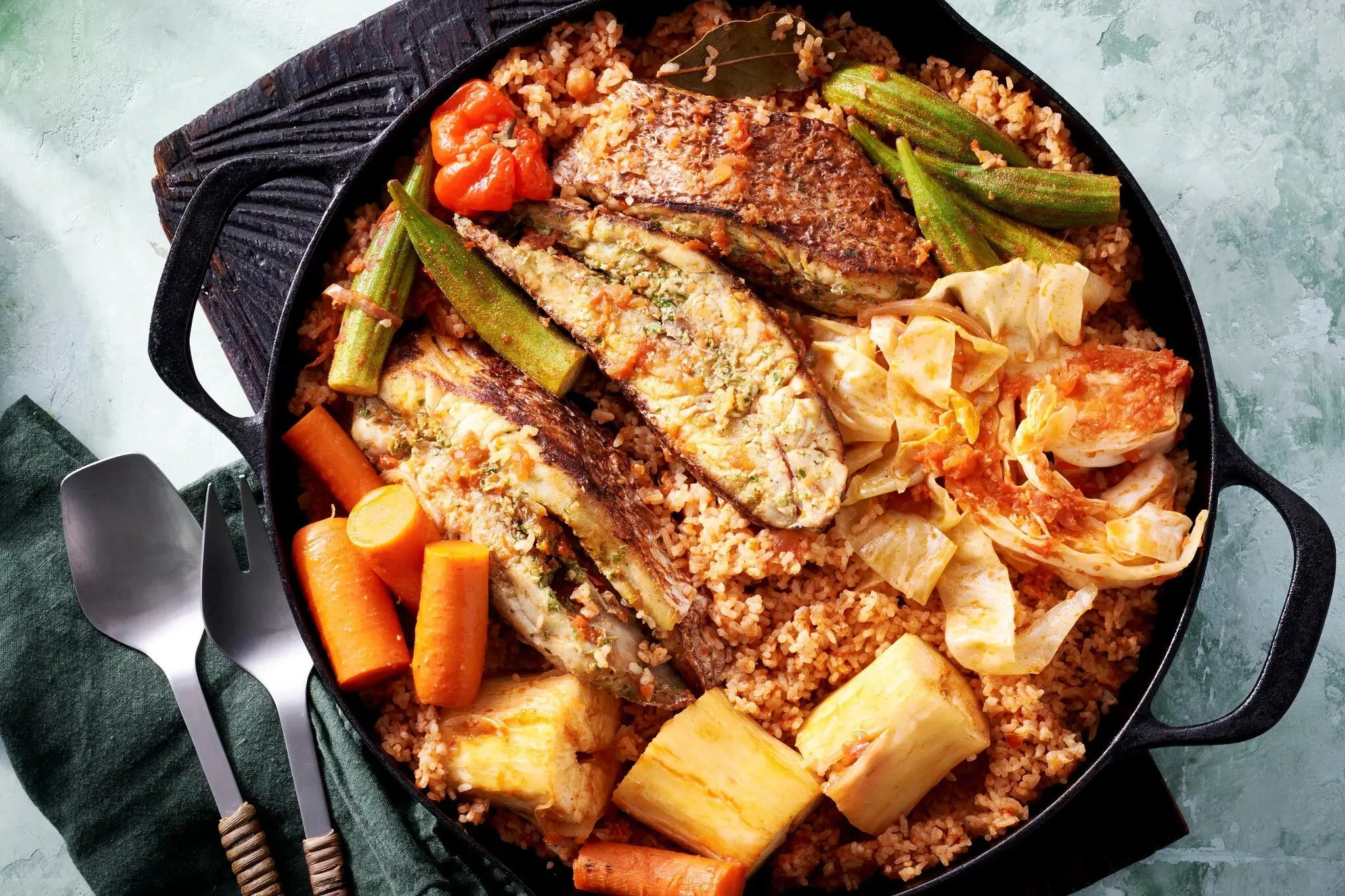
Credit: Kelly Marshall for The New York Times
Thieboudienne, Senegal's beloved rice and fish dish, reflects a tradition of sharing meals that bring families and communities together.
If one meal captures the spirit of Senegal, it is thieboudienne.
Often called ceebu jën in Wolof, the dish combines fish, rice, and vegetables into a meal that is both comforting and celebratory. It is believed to have originated in the coastal city of Saint-Louis during the nineteenth century and has since become a symbol of Senegalese identity.
In 2021, UNESCO recognized ceebu jën as part of the Intangible Cultural Heritage of Humanity, celebrating not only the recipe but also the traditions of preparing and sharing it.
Like many African meals, thieboudienne is served on one large platter, encouraging everyone to eat together.
The meal reminds us that food is often about community before it is about cuisine.
Language Connection
Thieboudienne comes from the Wolof words ceeb (rice) and jën (fish), revealing how language preserves the history of the dish.
Tô: The Everyday Meal That Has Sustained the Sahel for Centuries
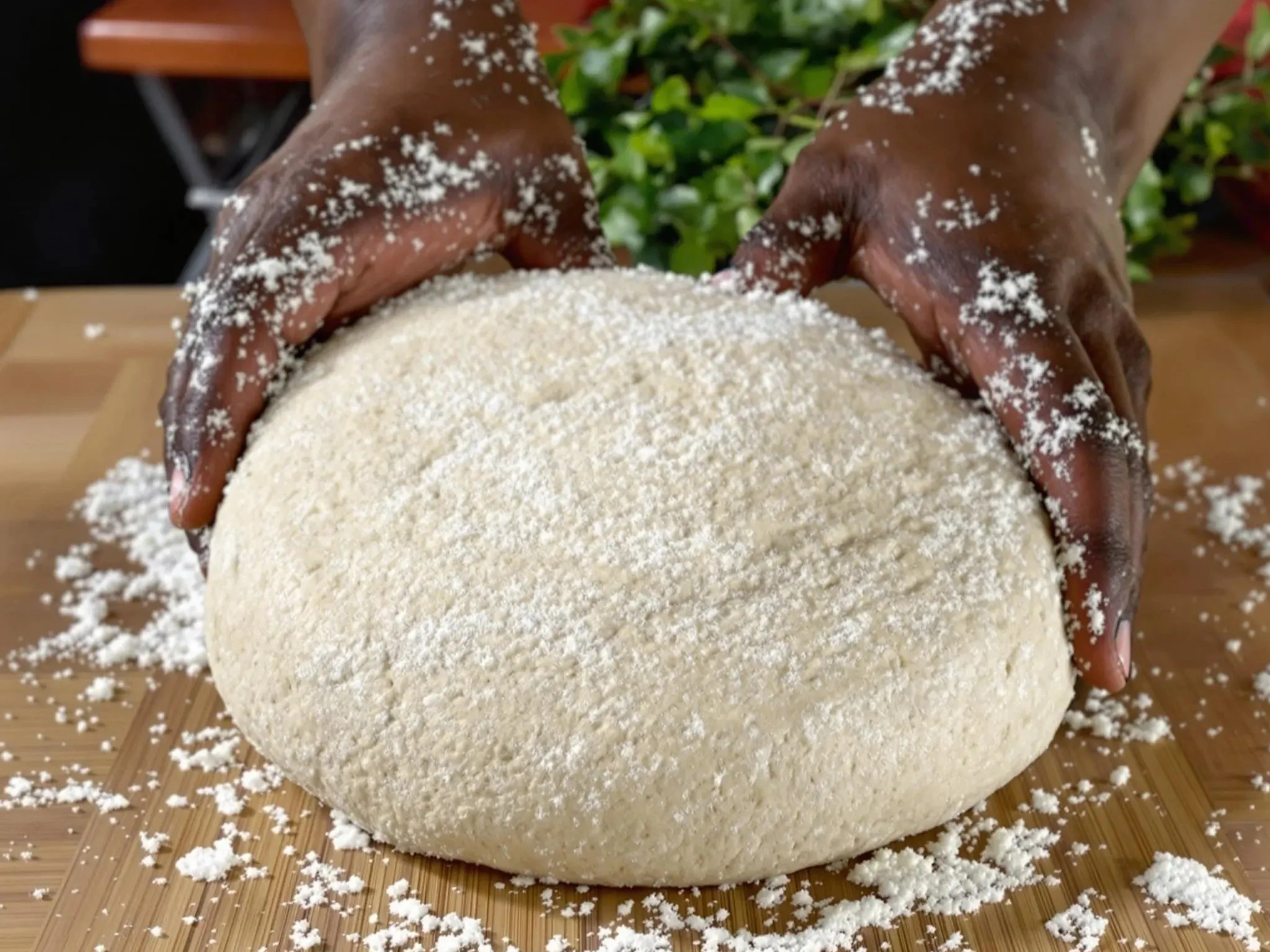
Credit: Come Chop Africa
Made from millet, sorghum, or maize, tô has nourished communities across the Sahel for centuries and remains a staple of everyday life.
Across Burkina Faso, Mali, and parts of northern Ghana, one meal has quietly nourished generations.
Tô is made by slowly stirring millet, sorghum, or maize flour into boiling water until it forms a smooth, firm dough. It is then served with leafy vegetable sauces, okra, or peanut-based stews.
Its flavor is intentionally simple.
The richness comes from the sauce, while tô provides the nourishment that has sustained farming communities through changing seasons and challenging climates.
Although it may look modest, tô reflects centuries of agricultural knowledge and resilience across the Sahel.
Sometimes the simplest meals tell the oldest stories.
Kilishi: Northern Nigeria's Paper-Thin Beef Delicacy
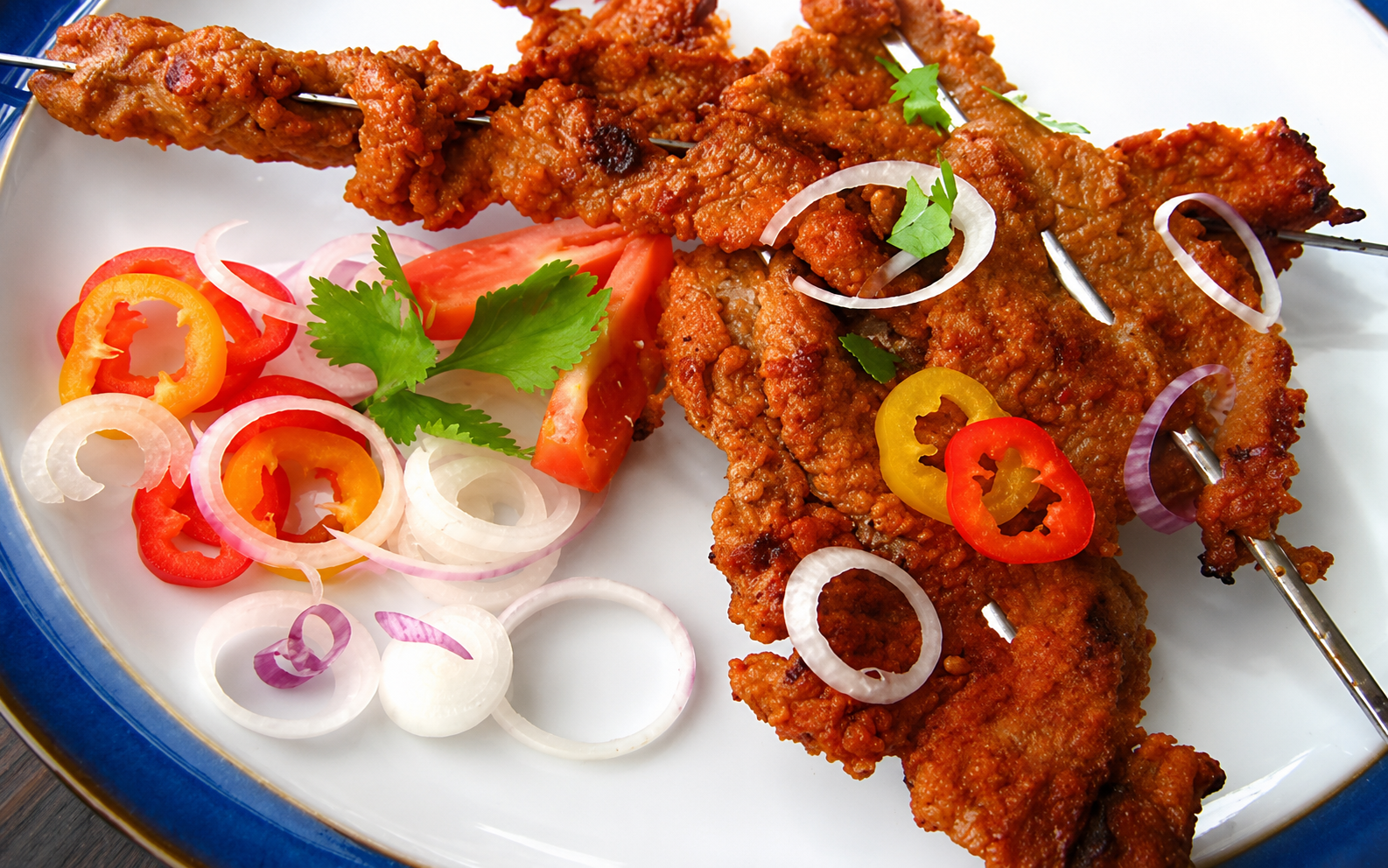
Credit: The Jossy Kitchen
Kilishi combines thin slices of beef with peanuts and spices, creating one of Northern Nigeria's most distinctive preserved foods.
At first glance, kilishi looks like beef jerky.
Its flavor tells a completely different story.
Originating in northern Nigeria and neighboring Niger, kilishi is made by slicing beef into thin sheets before coating it with a mixture of ground peanuts, ginger, garlic, chili, and spices. The meat is then dried and lightly grilled, creating a snack that is smoky, spicy, and intensely flavorful.
Long before refrigeration, drying meat was an essential way to preserve food.
Today, kilishi has become one of West Africa's most distinctive snacks, enjoyed everywhere from busy markets to long road trips.
It is proof that necessity often inspires culinary creativity.
Koki: The Celebration Dish Wrapped in Banana Leaves
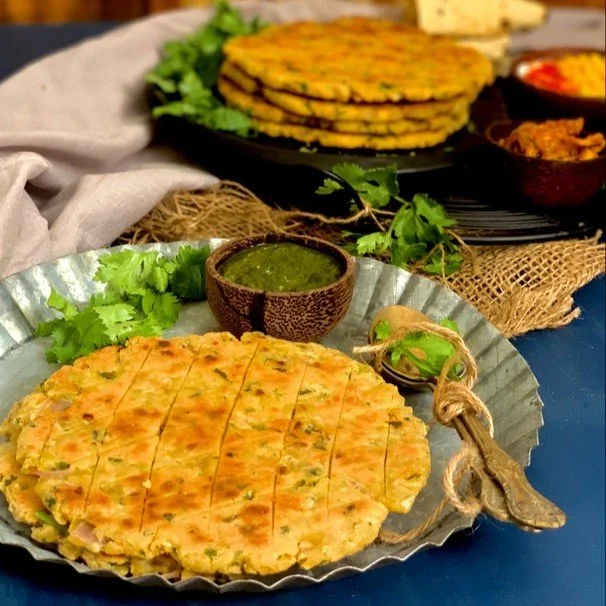
Credit: Ribbons to Pastas
Wrapped in banana leaves and steamed to perfection, koki is a cherished Cameroonian dish often prepared for special occasions.
Some foods are reserved for ordinary days.
Koki is not one of them.
This beloved Cameroonian dish is made from black-eyed peas that are soaked, peeled, blended, and mixed with palm oil before being wrapped in banana leaves and steamed.
Preparing koki takes time, patience, and care, which is why it often appears during weddings, holidays, and important family celebrations.
The banana leaves do more than hold the mixture together.
They add aroma, protect the food while it cooks, and preserve a cooking tradition that has lasted for generations.
Every bundle carries both flavor and history.
Language Connection
Across Cameroon, the name koki has remained closely tied to the dish itself, even as recipes vary between communities.
Nhopi: Zimbabwe's Pumpkin Dish That Celebrates the Harvest
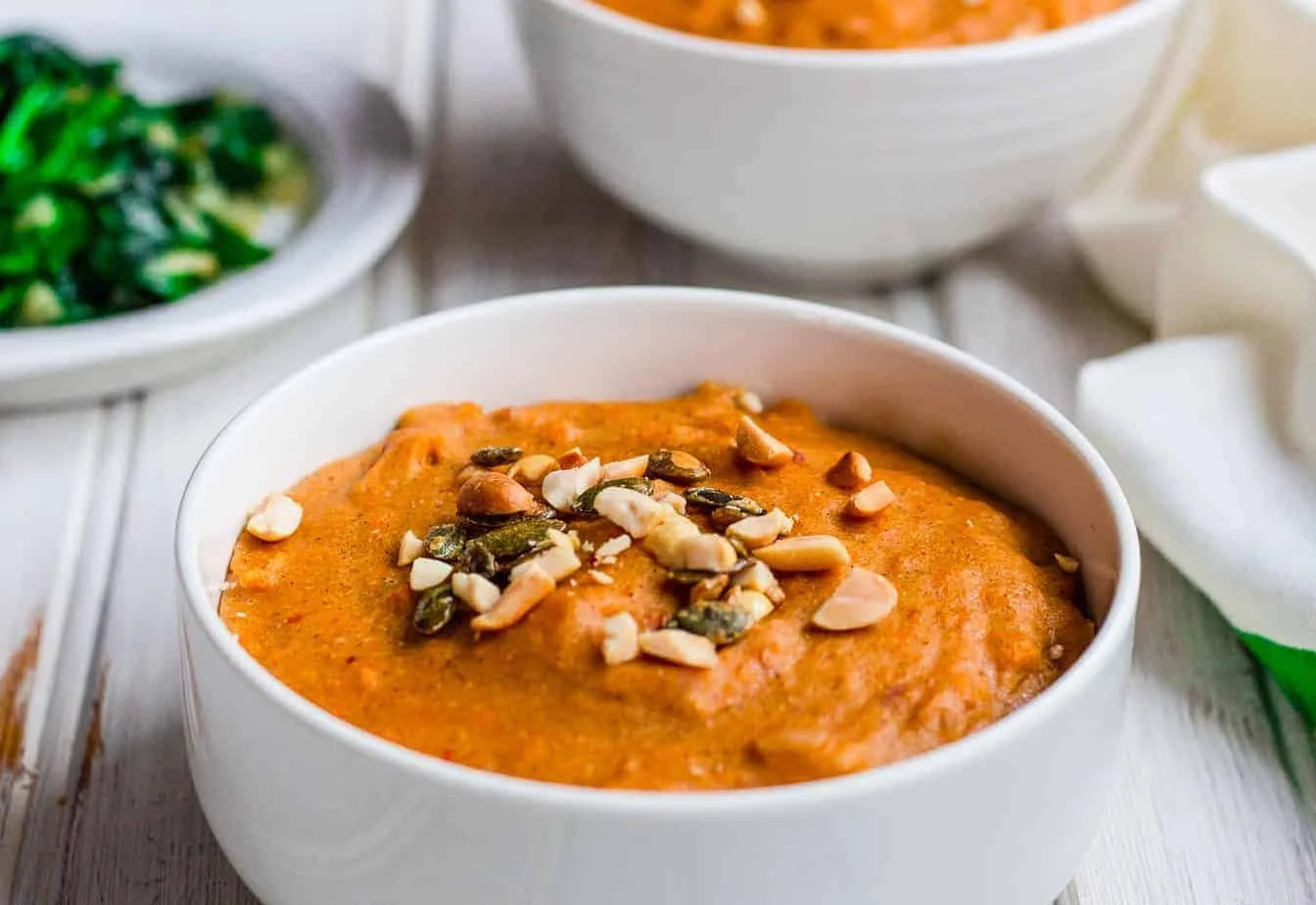
Credit: Eat Well Abi
Nhopi celebrates Zimbabwe's harvest season with a comforting blend of pumpkin and maize, turning simple ingredients into a cherished family meal.
Pumpkin appears in many cuisines.
Zimbabwe turned it into something uniquely its own.
Nhopi is made by slowly cooking pumpkin until tender before combining it with maize meal. Some families also add peanut butter, creating a richer, creamier texture.
Naturally sweet and nourishing, nhopi is especially popular during harvest season when pumpkins are plentiful.
For many Zimbabweans, it is a reminder that some of the best meals begin with ingredients grown close to home.
It is a dish that celebrates the changing seasons and the quiet joy of sharing food with family.
FAQs
What are traditional African foods?
Traditional African foods are dishes that have been prepared and shared within African communities for generations. They are often made with local ingredients such as cassava, millet, sorghum, maize, beans, fish, leafy vegetables, and plantains, reflecting the history and environment of each region.
Why are many African foods unfamiliar outside Africa?
Many traditional dishes have remained closely connected to local communities rather than international restaurant menus. While foods like jollof rice and injera have become globally recognized, thousands of regional recipes continue to be enjoyed mainly within the countries and cultures where they originated.
Which African country has the best traditional food?
There is no single answer.
Every region of Africa has developed its own culinary traditions shaped by local ingredients, climate, history, and culture. From Senegal's thieboudienne to Cameroon's achu and Côte d'Ivoire's attiéké, each dish offers a different story worth discovering.
Are traditional African foods healthy?
Many traditional African meals are naturally rich in whole grains, legumes, vegetables, fermented ingredients, and lean proteins. Like any cuisine, nutritional value depends on the ingredients and preparation, but many recipes emphasize fresh, minimally processed foods.
Why do so many African foods have names in local languages?
Food names often preserve the languages of the communities that created them. These names carry history and cultural meaning that cannot always be translated into English, making language an important part of Africa's culinary heritage.
Conclusion
The most memorable meals rarely become family traditions because they are complicated.
They become traditions because they bring people together.
Across Africa, every shared dish tells a story of resilience, celebration, migration, and belonging. A bowl of cassava leaves, a platter of rice and fish, or a steamed bundle wrapped in banana leaves can hold generations of memory.
That is why learning about African food is about more than discovering new flavors.
It is another way of understanding the people, languages, and traditions that have shaped the continent for centuries.
Continue Exploring with NKENNE
Every African dish begins with a story, and every story begins with a language.
With NKENNE, you can learn African languages while exploring the food, music, history, and cultural traditions that give every word and every meal its meaning.
Because reconnecting with culture doesn't always start in a classroom.
Sometimes, it starts around the table.
