
Gelede Masks: Celebrating (and Controlling) the Power of Women in Yoruba Society
By: Chimdindu Ken-Anaukwu
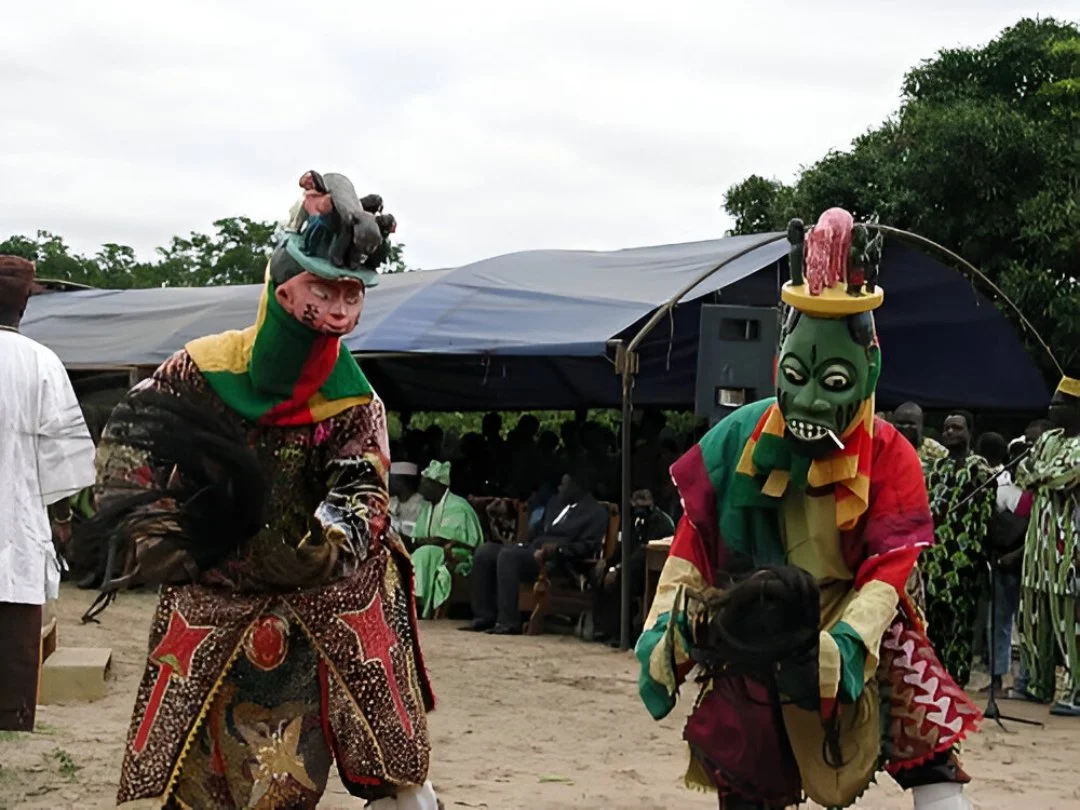
In certain Yoruba communities, night falls and the streets come alive with spectacular masked figures. These are Gelede performances. Men wear elaborate wooden headdresses and layered costumes while dancing to honor the spiritual power of women, especially elderly mothers. The tradition celebrates female authority and at the same time seeks to appease and balance that power so the community remains peaceful. In this guide, you will learn what Gelede really means, why men perform it, how the nighttime spectacles work, and what the practice reveals about gender dynamics in Yoruba society.
What Gelede Really Is
Gelede is a Yoruba masquerade tradition focused on women. It is performed mainly in southwestern Yoruba towns, especially among groups linked to the old Ketu and Egbado areas.
Unlike Egungun, which represents ancestors in general, Gelede specifically addresses the spiritual power of elderly women, mothers, and female forces. The performances praise, honor, and carefully manage that power.
The word Gelede is often linked to the idea of soft, careful handling of something powerful.

The Spiritual Power of “Our Mothers”
In Yoruba thought, elderly women and mothers hold special spiritual force. This power is sometimes called the power of “àwọn ìyá wa” (our mothers). It can bring fertility, protection, and prosperity. It can also bring disruption if not properly respected.
Gelede exists to acknowledge this force publicly. The community shows respect so that the power remains beneficial rather than harmful. The performances are both celebration and careful negotiation.
Why Men Wear the Masks
Only men perform as Gelede. They put on the full costume and headdress and dance in public.
This arrangement is intentional. By having men embody and honor female power, the tradition creates a public display of respect. It also places the performance under the control of male societies that organize the events.
The result is a complex balance. Female power is celebrated and elevated, yet the physical performance is carried out by men. This dynamic has long interested scholars studying gender in Yoruba culture.
How Gelede Performances Work
Gelede usually takes place at night. The darkness adds mystery and intensity.
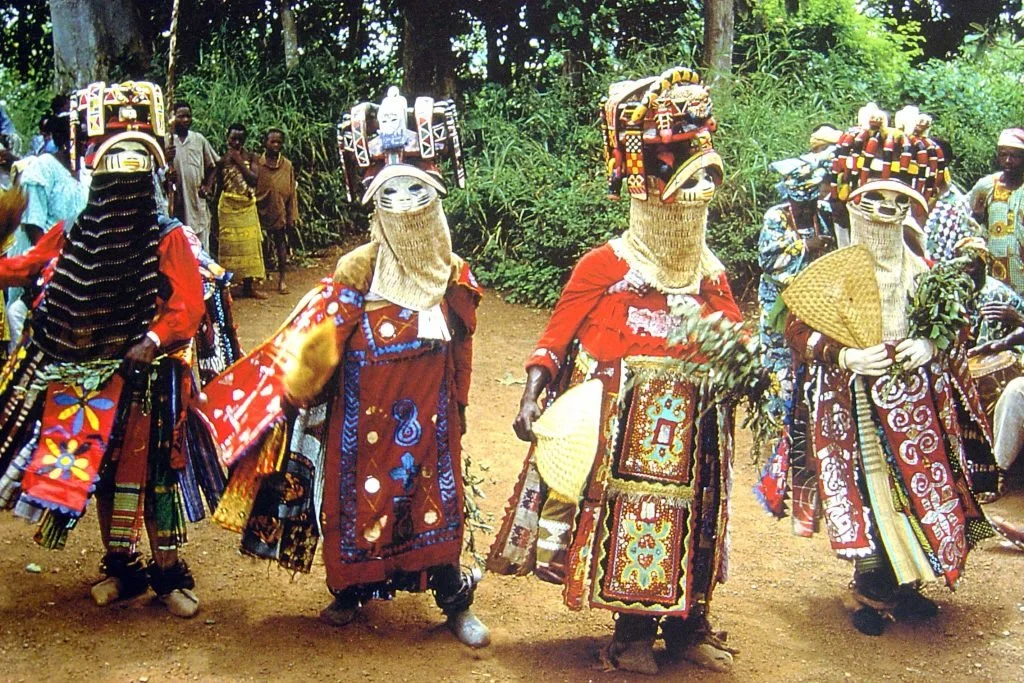
Drummers, singers, and dancers move through the community. The masked figures appear with elaborate headdresses that often depict animals, everyday scenes, or symbolic figures. The dances can be playful, satirical, or serious.
Some performances include songs that praise mothers or gently comment on social behavior. The atmosphere mixes entertainment with deep spiritual purpose.
The Spectacular Costumes and Headdresses
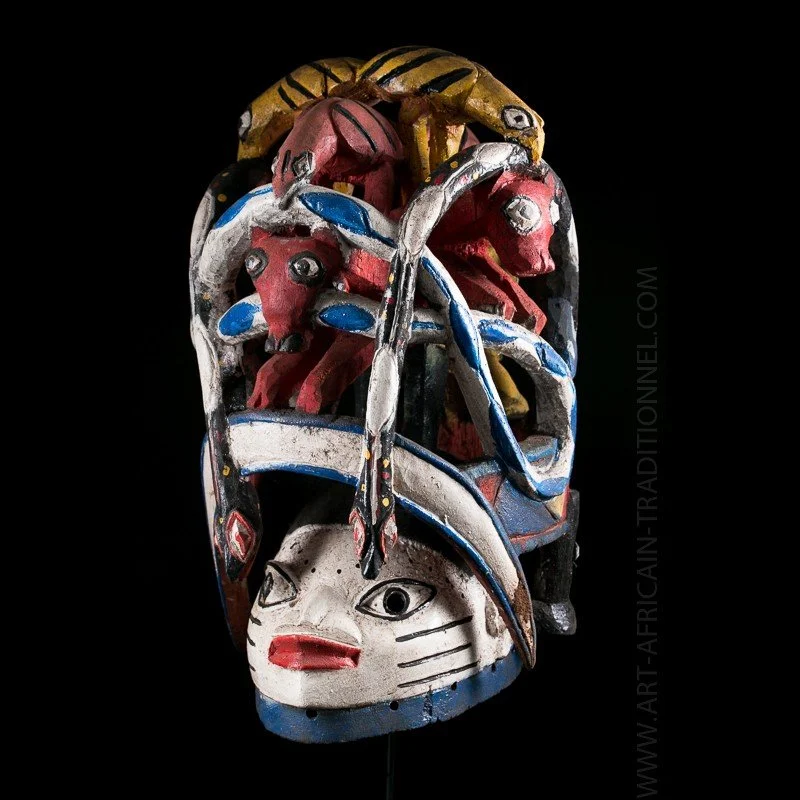
Gelede headdresses are among the most creative in Yoruba art. Carvers create detailed wooden structures that sit on the performer’s head. These can show animals, human figures, market scenes, or abstract designs.
The body is covered with layers of cloth, netting, and sometimes mirrors or beads. The full costume completely hides the man underneath so the focus stays on the visual message and the spirit being honored.
The beauty and inventiveness of the masks are part of the offering to “our mothers.”
What Gelede Reveals About Gender Dynamics
Gelede shows a sophisticated view of gender in traditional Yoruba society. Female spiritual power is openly recognized as real and important. It is not denied or minimized.
At the same time, the community creates structured ways to engage with that power. Men take on the public performance role while women remain central as the ones being honored.
The tradition suggests that social harmony depends on acknowledging female authority and treating it with care rather than trying to suppress it.
Gelede in Modern Times
Gelede continues in some Yoruba communities today, though it is less widespread than in the past. Cultural festivals, museums, and art exhibitions keep the tradition visible.
Artists still carve new headdresses, and some towns maintain annual performances. Younger people encounter Gelede through cultural education, tourism, and online videos.
The core idea remains relevant: respect for the power of mothers and elderly women continues to matter in family and community life.

Common Questions Answered
What does Gelede mean?
Gelede refers to a Yoruba masquerade tradition that honors and carefully manages the spiritual power of women and mothers.
Why do men perform Gelede if it is about women?
Men wear the masks as a public act of respect and appeasement. The performance is organized so that female power is celebrated while the physical display is carried out by initiated men.
Is Gelede the same as Egungun?
No. Egungun mainly represents ancestors in general. Gelede specifically focuses on the power of elderly women and mothers.
Are Gelede performances only at night?
Most traditional Gelede displays happen at night. The darkness increases the sense of mystery and spiritual presence.
Do women participate in Gelede?
Women are central as the ones being honored. They may sing, organize, or support the events, but the masked dancing is traditionally done by men.
Is Gelede still practiced today?
Yes, though less widely than before. Some communities continue the tradition, and it remains important in cultural and artistic circles.
Final Thoughts: Respect, Power, and Balance
Gelede offers a striking example of how Yoruba society has long recognized the power of women. The nighttime spectacles, elaborate masks, and male performers create a public conversation about respect, authority, and social balance. By celebrating “our mothers” while carefully managing their spiritual force, the tradition reveals a complex and thoughtful approach to gender. Understanding Gelede deepens appreciation for the sophistication of Yoruba cultural life.

Ready to Explore More Yoruba Traditions?
NKENNE brings you clear, respectful guides to Yoruba culture, history, and living traditions. Explore more on Egungun, ibeji, Oduduwa, or everyday language and food. Join our community for deeper insights that connect past and present. Your next step into Yoruba knowledge starts here.