
Urojo Soup: Zanzibar's Legendary Street Bowl of Crunch and Comfort
By: Chimdindu Ken-Anaukwu
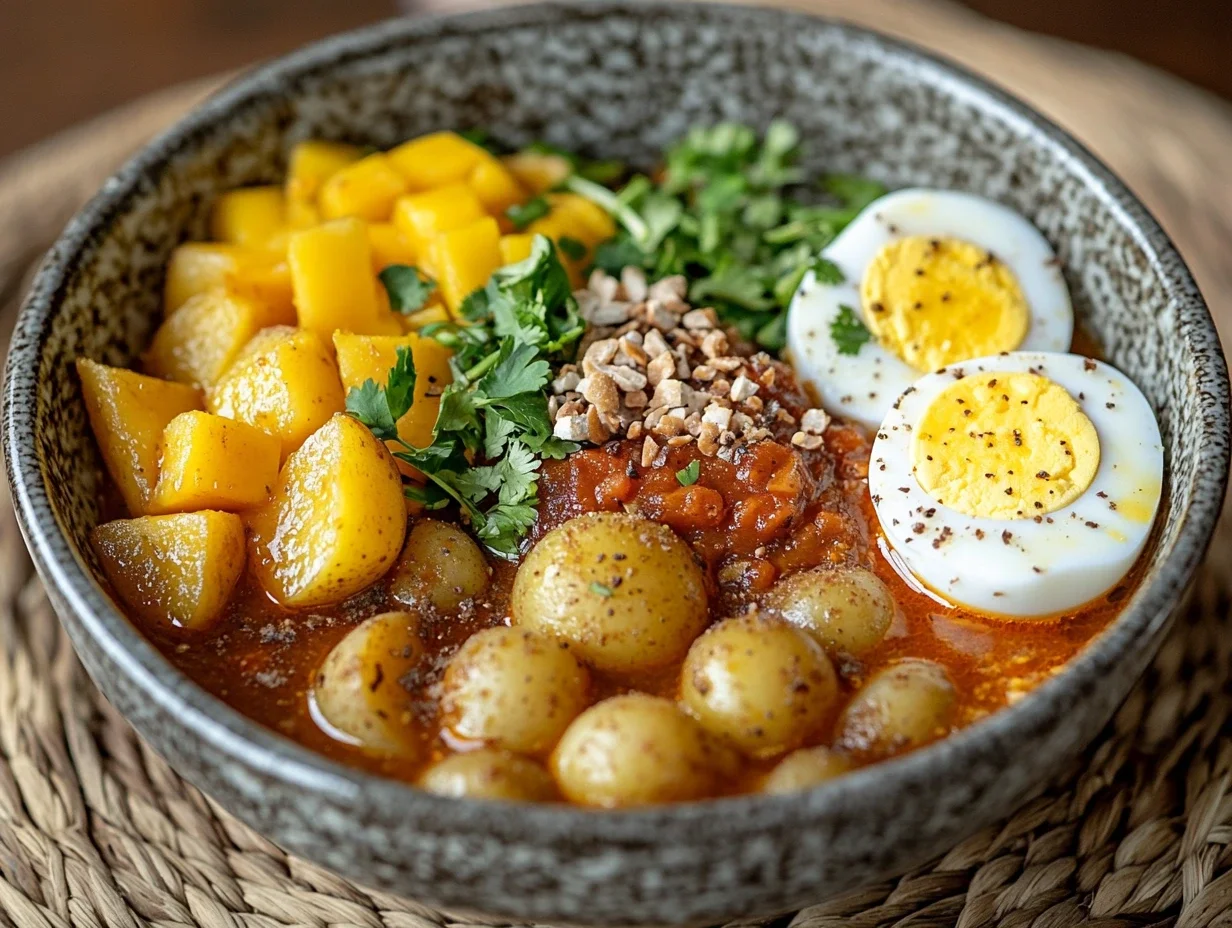
Walk through the evening food stalls of Stone Town and you will smell it before you see it. A bright yellow, turmeric-scented broth sits ready in big pots. Vendors ladle it into bowls and then start building. Kachori potato balls go in first. Then come cassava crisps, a boiled egg, maybe a couple of beef skewers, and a spoonful of tangy chutney. The result is pure contrast: soft, crunchy, spicy, and comforting all at once.
This is Urojo, also known as Zanzibar Mix. It is one of the island’s most loved street foods. In this post, I will show you how to recreate this legendary bowl at home with a practical version that still delivers the famous mix of textures and flavours.

What Makes Urojo Special
Urojo is not a single dish. It is a customisable bowl. The base is a thick, tangy turmeric broth, often made with flour, lemon or green mango for sourness, and sometimes coconut. Into that base go a variety of toppings that create layers of crunch, softness, and heat.
Classic additions include:
Kachori (spiced mashed potato balls that are battered and fried)
Bhajias or other fritters
Crispy cassava chips
Boiled eggs
Mishkaki-style beef or chicken skewers
Coconut or tamarind chutney
Fresh chilli sauce
Every bite is different. That is the joy of Urojo.
The Street Food Culture Behind the Bowl
Urojo grew on the streets of Zanzibar, especially in Stone Town. It reflects the island’s mixed heritage. African staples meet Indian-influenced fritters and spices. Vendors prepare the broth in large pots and assemble each bowl to order. Customers choose their toppings, making every serving personal.
It is popular in the evening at places like Forodhani Gardens. Locals and visitors gather around the stalls, eating from plastic bowls while the ocean breeze cools the night. The dish has also spread to Dar es Salaam and other Tanzanian cities, but its heart remains in Zanzibar.
Ingredients for a Home Version
Serves 4–6
For the turmeric broth
2–3 tbsp cooking oil
1 medium onion, finely chopped
2–3 garlic cloves, minced
1-inch piece ginger, grated
1–2 tsp ground turmeric
2–3 tbsp plain flour (or chickpea flour)
4–5 cups water or light stock
Juice of 1–2 lemons (or grated green mango)
Salt to taste
Optional: a little tamarind paste or chilli
For the kachori (potato balls)
3–4 boiled potatoes, mashed
1 tsp turmeric, chilli powder, and salt
Chopped coriander, garlic, and ginger
Gram flour or plain flour batter for coating
Oil for frying
Other toppings
Boiled eggs, halved
Crispy cassava chips or plantain chips
Grilled beef or chicken skewers (mishkaki style)
Coconut or tamarind chutney
Fresh chilli sauce
Chopped tomatoes and coriander
Step-by-Step: Building Your Urojo Bowl
1. Make the broth
Heat oil in a pot. Sauté onion until soft, then add garlic and ginger. Stir in turmeric. Mix flour with a little water to make a smooth paste and add it to the pot. Gradually pour in the remaining water while stirring. Simmer until slightly thickened. Add lemon juice and salt. Keep the broth warm.
2. Prepare the kachori
Mix the mashed potatoes with spices, coriander, garlic, and ginger. Shape into small balls. Dip in a simple flour batter and deep-fry until golden and crisp. Drain on paper towels.
3. Prepare the other toppings
Boil the eggs and peel them. Fry or bake cassava chips until crisp. Grill simple spiced beef or chicken skewers if using.
4. Assemble the bowls
Place a few kachori and pieces of boiled potato in each bowl. Add egg halves, a skewer or two, and a handful of cassava crisps. Ladle the hot turmeric broth over everything. Finish with chutney, chilli sauce, and fresh coriander.
5. Serve immediately
Urojo is best eaten right away while the crisps are still crunchy and the broth is hot.
Tips for the Best Texture and Flavour
Balance the sourness. Lemon or green mango gives Urojo its signature tang.
Fry the kachori just before serving so they stay crisp.
Keep the broth medium-thick, not watery.
Let each person customise their own bowl. That is the traditional way.
Make the toppings ahead if you want an easier process.
Serving Ideas
Serve Urojo as a full meal in deep bowls. It works well as evening street-style food at home. Pair it with cold drinks or fresh coconut water. For a bigger spread, offer extra chutneys and chilli on the side so everyone can adjust the heat.
FAQs About Urojo Soup
What does Urojo mean?
Urojo (or mbatata za urojo) refers to the potato-based turmeric soup. Visitors often call it Zanzibar Mix.
Is Urojo very spicy?
The broth itself is mild to medium. The heat comes from the chilli sauce and chutneys that you add yourself.
Can I make it vegetarian?
Yes. Simply skip the meat skewers. The kachori, eggs (or more potatoes), and crisps already make a satisfying bowl.
What can I use instead of cassava crisps?
Plantain chips, sev, or any sturdy crispy snack work well as a substitute.
How long does the broth keep?
The turmeric broth can be stored in the fridge for 2–3 days. Reheat gently and assemble fresh toppings when serving.
Is this dish only from Zanzibar?
It is most famous in Zanzibar but is also popular in Dar es Salaam and other Tanzanian cities.

Urojo is more than soup. It is a celebration of texture and flavour that captures the lively spirit of Zanzibar street food. Once you taste the combination of soft kachori, crunchy crisps, and tangy turmeric broth, you will understand why this bowl has become legendary.
Ready to explore more coastal Swahili recipes and the language that goes with them? NKENNE offers practical lessons on food, culture, and everyday conversation. Start today and bring the taste of Zanzibar into your kitchen. Karibu!