
Women in Lingala Culture: Voices in Music, Dance, and Daily Hustle
By: Chimdindu Ken-Anaukwu
In Kinshasa’s bustling markets and on packed dance floors, Congolese women shape the rhythm of daily life. Their voices ring out in sharp Lingala banter, their bodies drive the energy of ndombolo, and their songs carry stories of strength, love, and resilience. From legendary performers to everyday market queens, women have long been central to Lingala culture even when the spotlight often fell elsewhere.
This guide highlights the powerful roles women play in music, dance, and the everyday hustle. It celebrates icons like M’bilia Bel, explores women’s place in ndombolo choreography, and looks at how gender dynamics continue to evolve in songs and society.
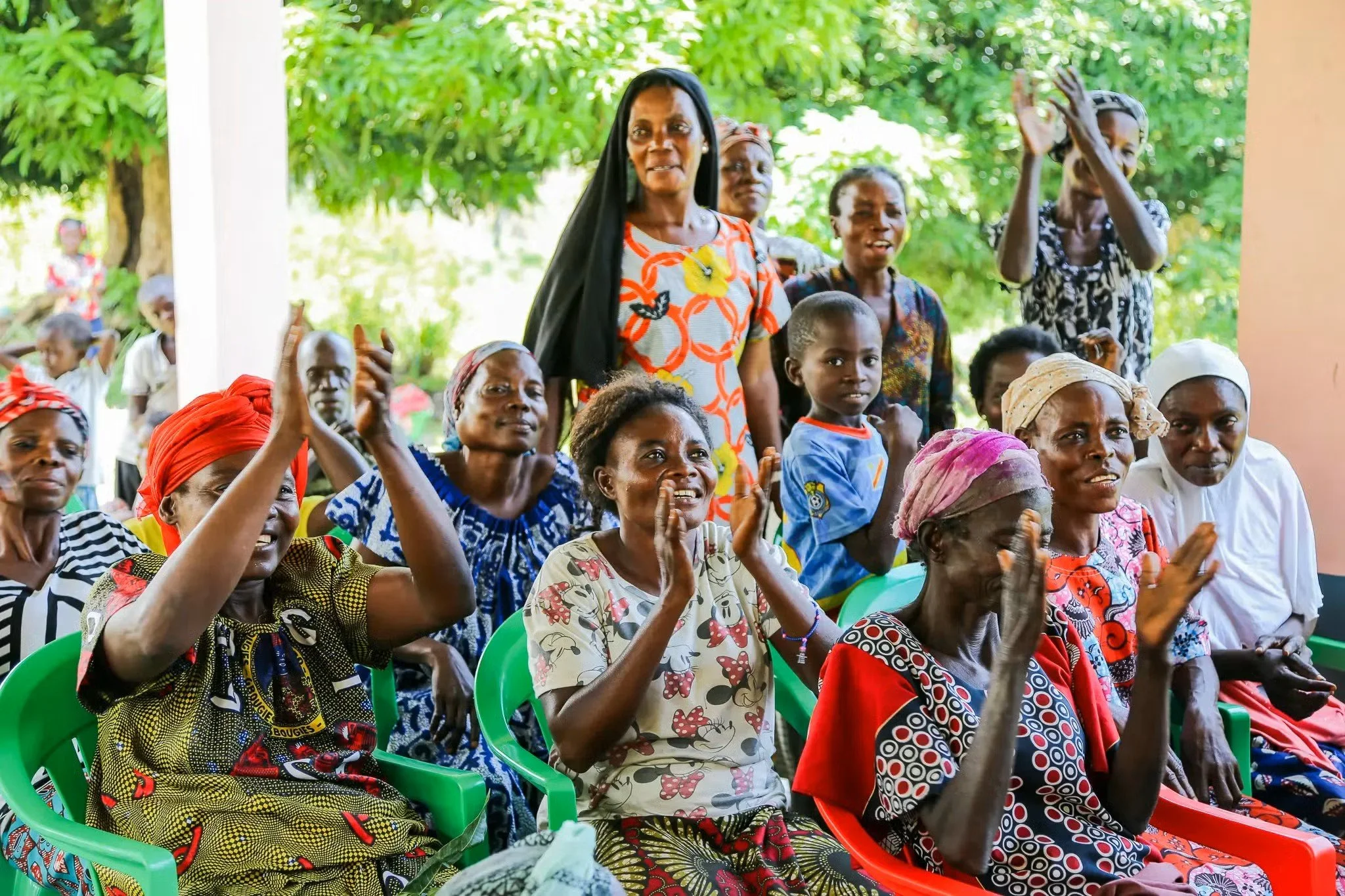
Trailblazing Female Voices in Congolese Music
Congolese music has produced unforgettable female stars who commanded stages and airwaves.
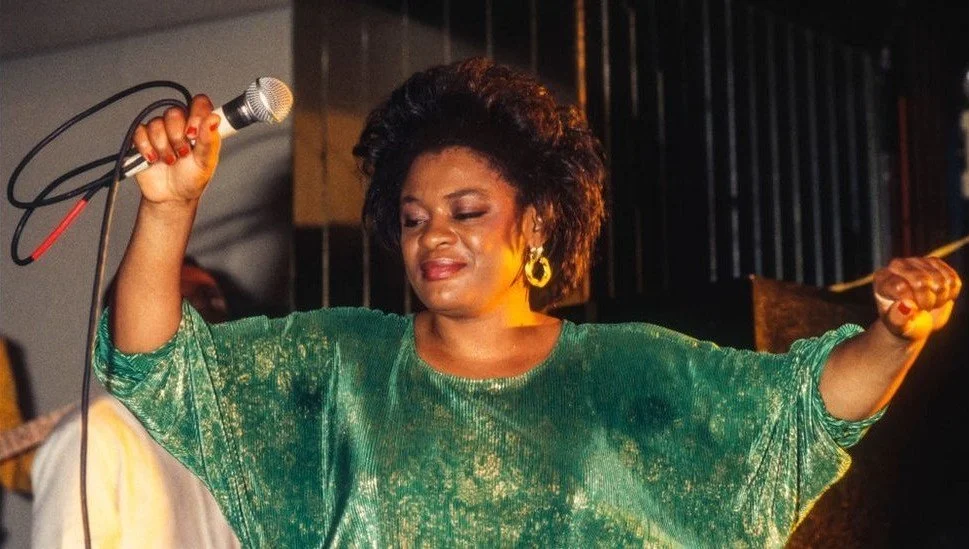
M’bilia Bel rose in the 1980s as the Queen of Congolese rumba. She began as a dancer and backup singer before joining Tabu Ley Rochereau’s Afrisa International. Her powerful voice and hits like “Nakei Nairobi” and “Mobali Na Ngai Wana” made her a continental force. She became one of the first female Congolese artists to fill stadiums on her own.
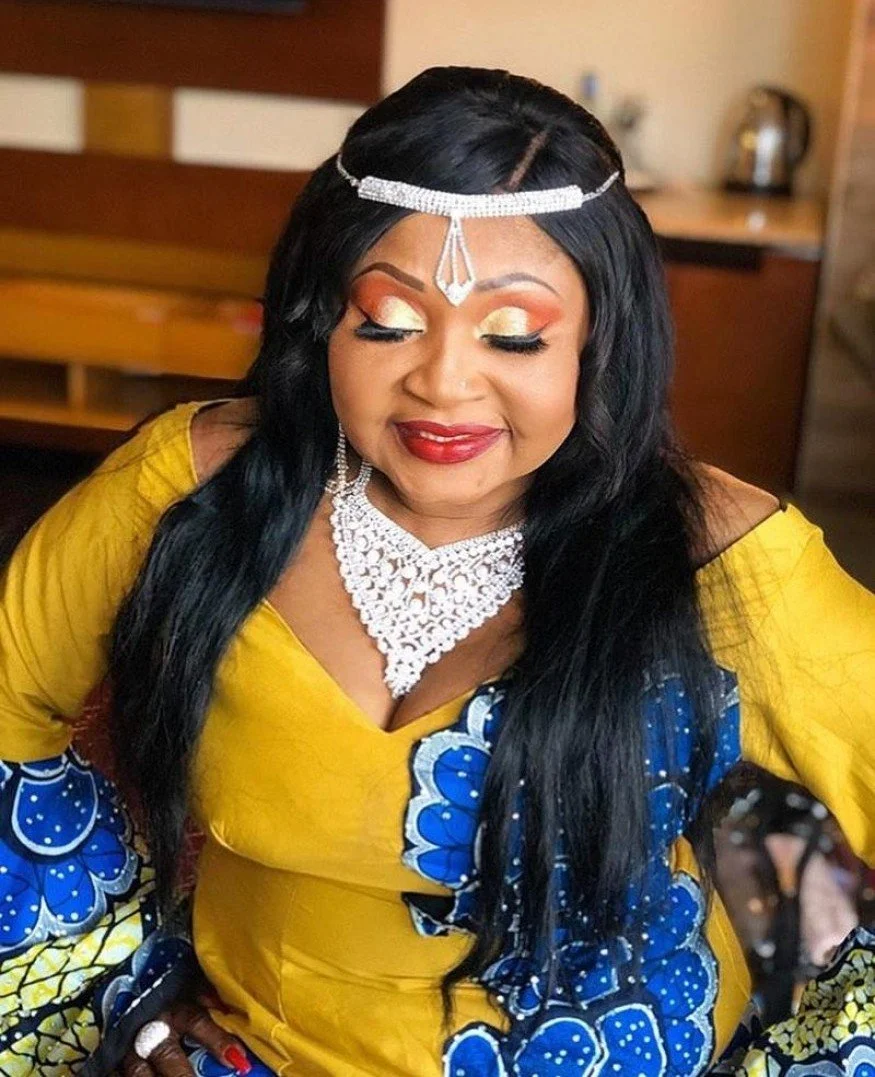
M’bilia Bel
Tshala Muana, known as Mamu Nationale and the Queen of Mutuashi, brought Kasai rhythms and bold, sensual dancing to national and international audiences. She sang about women’s dignity, marriage, and social issues, often blending Tshiluba with Lingala. Her performances sparked both admiration and controversy, proving that female artists could lead with both talent and presence.
Other pioneers include Abeti Masikini and M’Pongo Love, who opened doors in earlier decades. These women showed that Lingala and Congolese music stages could belong to powerful female voices.
Women at the Heart of Ndombolo Choreography
Ndombolo’s signature energy relies heavily on female dancers. The fast hip circles, waist isolations, and sharp movements that define the style are often performed by professional danseuses.
In live shows and music videos, women occupy the visual center of the dance. Their choreography drives audience excitement and gives the genre its sensual, high-energy appeal. While most bandleaders, instrumentalists, and atalaku (animators) have historically been men, the danseuses create the spectacle that audiences remember.
This visibility brings both opportunity and scrutiny. Many dancers use the work for economic independence and social networks, yet public performance can attract moral judgment. Still, their skill and stage presence remain essential to ndombolo’s identity.
Market Queens and the Power of Lingala Banter
Beyond stages, women dominate many Kinshasa markets. These “market queens” run stalls, negotiate prices, and keep family economies moving. Their sharp Lingala banter is legendary: quick, witty, and often laced with humor or firm persuasion.
Phrases fly fast as they haggle, call out customers, or share news. This linguistic skill reflects deep cultural fluency and social power. Market women balance huge responsibilities while navigating city life with resilience and authority. Their everyday language keeps Lingala alive, practical, and vibrant.
Evolving Gender Dynamics in Songs and Society
Lingala songs have long explored relationships, jealousy, marriage, and respect. Female artists often use lyrics to claim dignity and challenge unfair treatment. Tshala Muana’s work, for example, addressed women’s strength and social pressures.
Society continues to shift. More women appear as singers, entrepreneurs, and public figures. Yet traditional expectations around virtue, visibility, and family roles remain strong. Dance and music careers create new paths while also inviting debate about femininity and public space.
Younger generations mix classic Lingala styles with modern influences, creating space for more diverse female expression. The conversation is ongoing and dynamic.
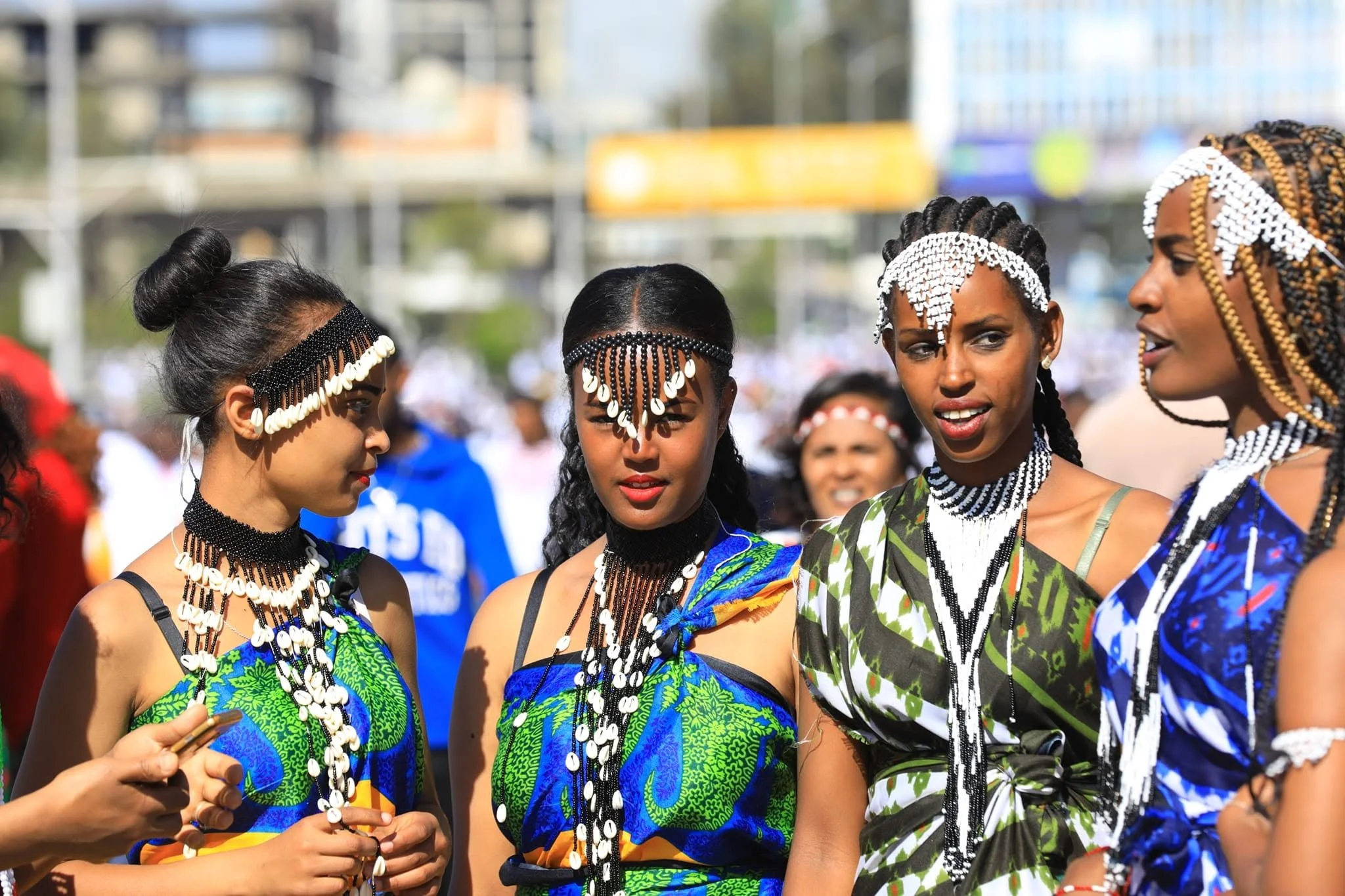
Everyday Strength Beyond the Stage
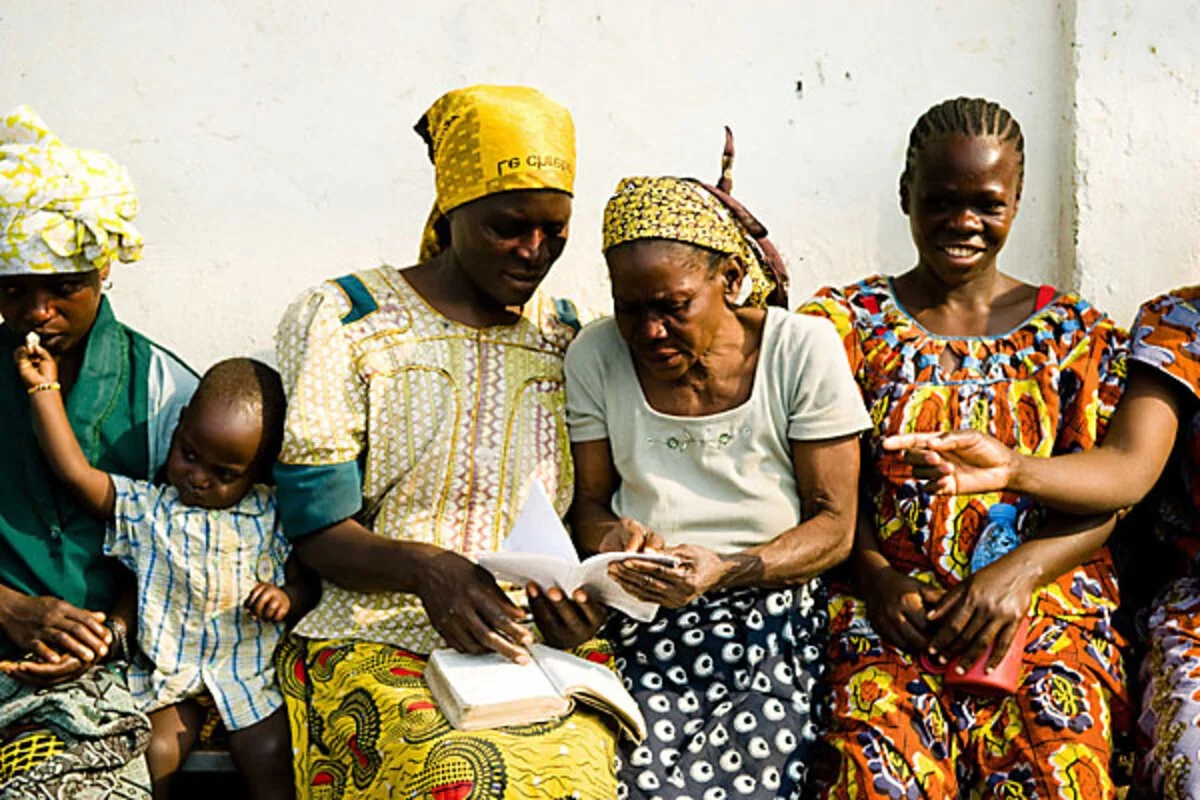
Women’s influence extends far beyond entertainment. They raise families, run businesses, support communities, and preserve cultural knowledge through language, cooking, and storytelling. In both rural and urban settings, their labor and leadership form the backbone of daily Congolese life.
Whether through a powerful song, a precise dance move, or a clever market negotiation, women keep Lingala culture living and evolving.
FAQs
Who are some of the most famous female Lingala or Congolese singers?
M’bilia Bel is widely regarded as the Queen of Congolese rumba. Tshala Muana was celebrated as the Queen of Mutuashi. Earlier pioneers include Abeti Masikini and M’Pongo Love.
What role do women play in ndombolo?
Women are central as professional dancers (danseuses). Their hip-focused choreography defines much of the visual energy of live performances and videos.
Why is market banter important in Lingala culture?
Market women use sharp, quick Lingala to negotiate, build relationships, and assert authority. It demonstrates linguistic skill and everyday social power.
How have gender dynamics changed in Congolese music?
Female artists have gained greater visibility and independent careers. Songs increasingly address women’s experiences, though structural roles in bands still often favor men in leadership positions.
Is Awilo Longomba a female artist?
No. Awilo Longomba is a male Congolese singer and drummer known for techno-soukous and ndombolo-influenced hits.
How do women balance traditional expectations with public careers?
Many navigate visibility carefully. Performance and business offer economic opportunities while social norms around virtue and femininity continue to shape public perception.
Wrapping Up: Honoring Women’s Enduring Influence
Women in Lingala culture have always been vital: as singers who fill stadiums, dancers who drive the beat, market traders who keep commerce alive, and family anchors who pass on language and values. Their contributions are powerful, complex, and essential.
Recognizing their voices and labor deepens our understanding of Congolese identity and the living force of Lingala itself.
Ready to explore more stories of Congolese culture, music, and language? Visit NKENNE for authentic insights, practical lessons, and deeper connections to these traditions. Which female artist or aspect of women’s culture inspires you most?