
The Mali Empire: How a West African Superpower Shaped Trade, Learning, and Identity
By: Chimdindu Ken-Anaukwu
Most people hear “Mali” and think of a modern country. Few realize that centuries ago a vast West African empire controlled the gold trade, built great centers of learning, and left a mark still visible across Francophone West Africa today. The Mali Empire rose through smart leadership, trade networks, and cultural confidence. This post explains how it worked, why Mansa Musa’s journey still matters, and how its legacy lives on in places like modern Mali, Senegal, and Guinea.
How the Mali Empire Rose to Power
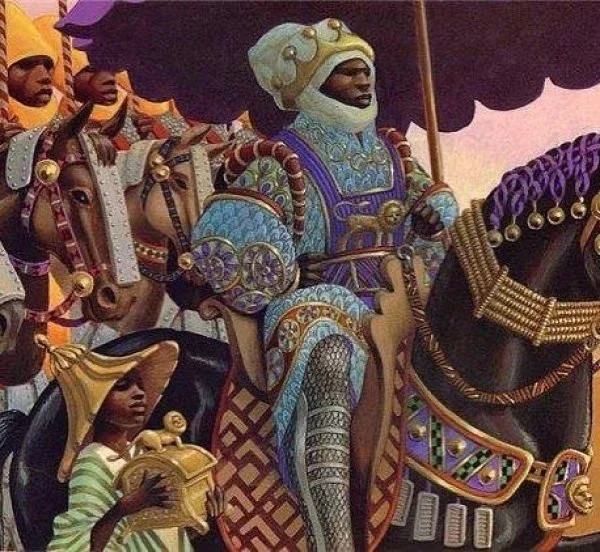
The Mali Empire grew from the earlier Ghana Empire’s decline in the 13th century. Sundiata Keita, known as the Lion King, united Mandinka people and defeated rival forces around 1235. His victory at the Battle of Kirina laid the foundation.
The empire expanded through strong leadership, control of trade routes, and a flexible system that allowed local rulers to keep some power. At its height it covered large parts of present-day Mali, Senegal, Guinea, and neighboring areas.
Gold: The Engine of Wealth and Influence
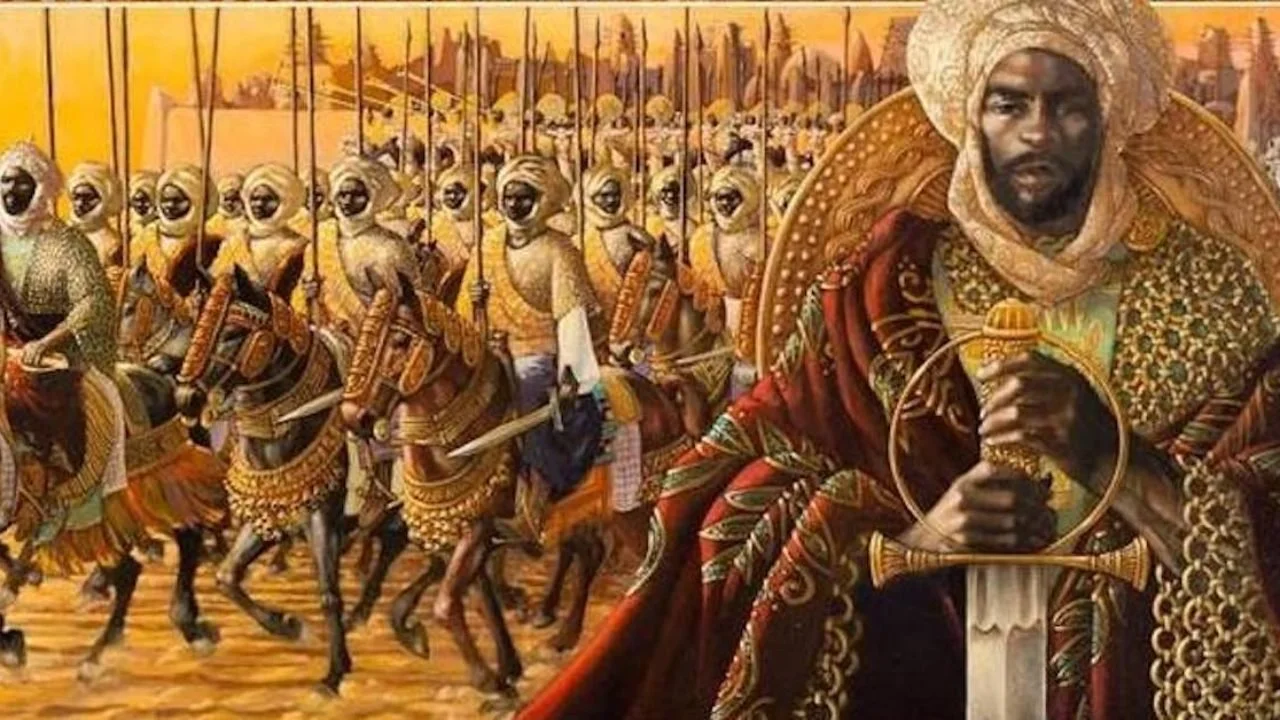
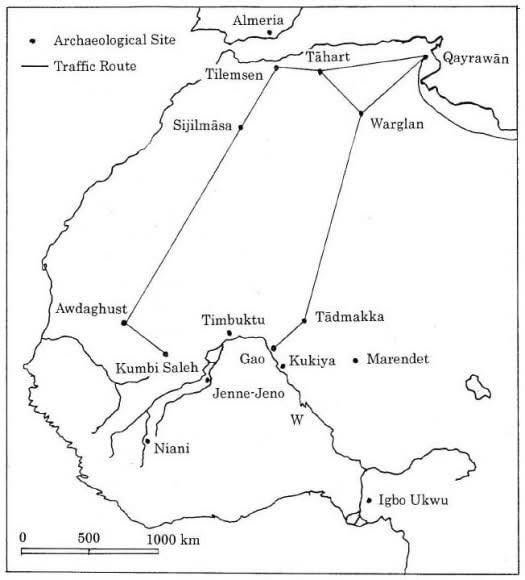
West Africa produced more gold than any other region in the world at the time. The Mali Empire controlled key mines and the trade routes that carried gold north across the Sahara.
Gold paid for armies, built cities, and bought goods from North Africa and beyond. Merchants exchanged it for salt, cloth, horses, and books. This wealth gave Mali real power in regional and international affairs.

Timbuktu: A Global Center of Learning
Timbuktu became famous as a city of scholars, libraries, and universities. Students and teachers came from across Africa and the wider Islamic world. The Sankore Mosque and other centers held thousands of manuscripts on law, science, medicine, and literature.
Learning was not limited to elites. The city’s reputation attracted talent and made knowledge a form of prestige. Many of those manuscripts still exist today and show the depth of intellectual life in medieval West Africa.
Mansa Musa and the Famous Pilgrimage
Mansa Musa ruled in the early 14th century and remains one of the most famous African rulers in history. In 1324 he made the pilgrimage to Mecca with a huge caravan of people, gold, and gifts.
His generosity along the way was so great that it temporarily affected gold prices in Egypt. The journey put Mali on the world map. European mapmakers later placed Musa on maps of Africa, showing how far his reputation traveled.
Daily Life and Cultural Strength
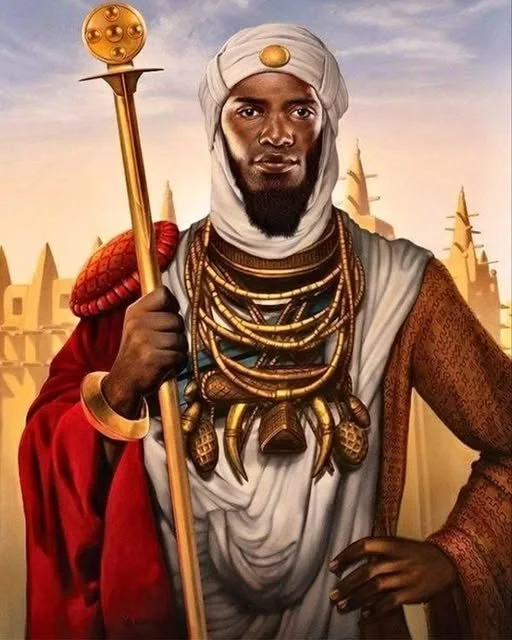
The empire mixed Islamic and local traditions. Rulers supported Islam while respecting older customs. Oral historians known as griots kept family and national histories alive through storytelling and music.
Farming, herding, and craft work formed the base of daily life. Strong social structures and shared values helped the empire hold together across long distances.
Lasting Impact on Modern Francophone West Africa
The Mali Empire’s influence did not disappear with its decline. Mandinka and related languages, cultural practices, and historical memory still shape identity in Mali, Senegal, Guinea, and beyond.
Modern discussions about African achievement often return to this period. Timbuktu’s manuscripts continue to be studied and preserved. The story of gold, learning, and powerful leadership remains a source of pride and a reminder of what West African societies built long before European colonization.
FAQs
When did the Mali Empire exist?
It rose in the 13th century under Sundiata Keita and reached its peak in the 14th century under Mansa Musa. It gradually declined in later centuries.
Why was gold so important?
West African gold supplied much of the medieval world’s demand. Control of the mines and trade routes gave Mali economic and political strength.
Was Timbuktu really a center of learning?
Yes. It hosted major schools and libraries. Scholars produced and collected works that covered many fields of knowledge.
How did Mansa Musa’s pilgrimage affect history?
It spread knowledge of Mali’s wealth across the Islamic world and into Europe. It also strengthened diplomatic and cultural ties.
What is the connection to modern Francophone countries?
The empire covered territories that later became part of several French-speaking West African nations. Its cultural and historical legacy remains strong in those places.
Conclusion
The Mali Empire shows what West African societies achieved through trade, learning, and strong leadership. Gold funded power. Timbuktu advanced knowledge. Mansa Musa carried the empire’s reputation across continents. That history still shapes identity and pride across Francophone West Africa.
Understanding this past helps us see the depth of African achievement. NKENNE is here to help you explore more of that history, language, and culture with clear lessons and real context. Start learning the stories that still matter today.