
Who Are the Somali People? Ancient Origins, Nomadic Roots, and a Shared Identity
By: Chimdindu Ken-Anaukwu
Many outsiders see Somalis only through the lens of recent history or conflict. But the Somali people have one of the oldest, most resilient identities in the Horn of Africa.
They are a Cushitic ethnic group with deep roots in the region, a rich nomadic heritage, and a powerful sense of shared identity that crosses national borders.
In this NKENNE guide, you will discover the ancient origins of the Somali people, their nomadic traditions, and what truly unites them today.
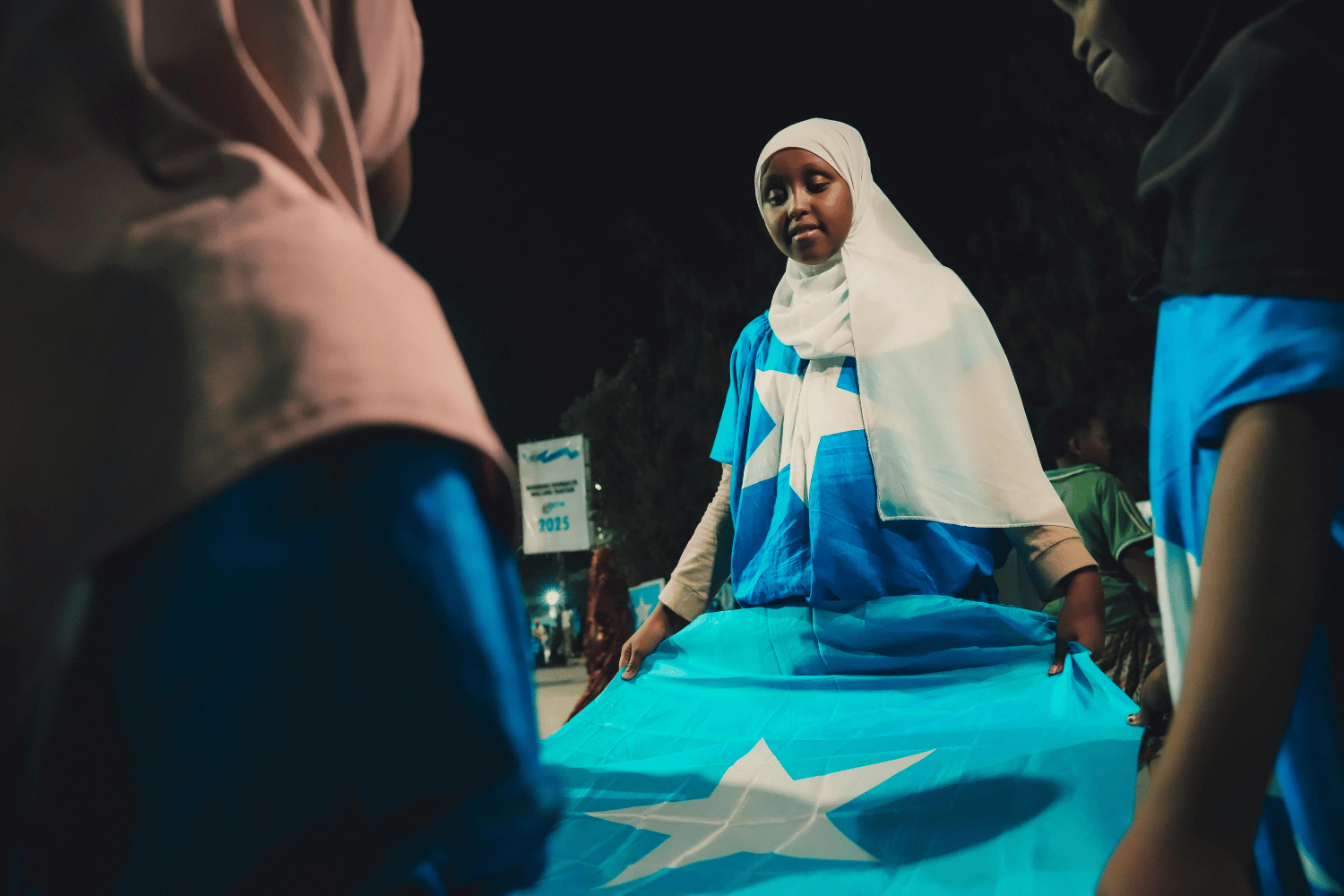
Ancient Origins and Cushitic Heritage
The Somali people belong to the Cushitic branch of the Afro-Asiatic language family. They are indigenous to the Horn of Africa and have inhabited the region for thousands of years.
Archaeological and linguistic evidence links them to ancient pastoral communities in the area. Some scholars connect their ancestors to the Land of Punt, a trading partner of ancient Egypt known for frankincense and myrrh.
The Somali language itself is one of the clearest living examples of Cushitic languages. This linguistic continuity shows remarkable cultural resilience over millennia.
Nomadic Roots and Traditional Way of Life
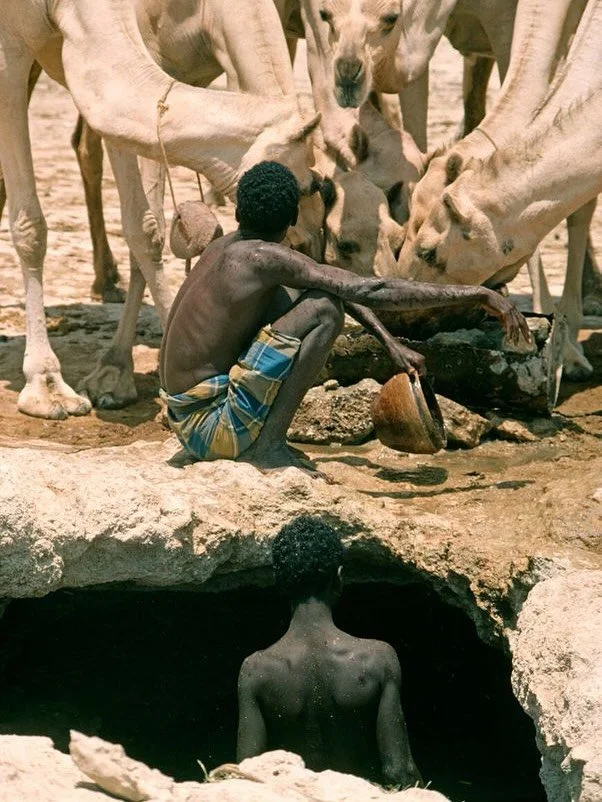
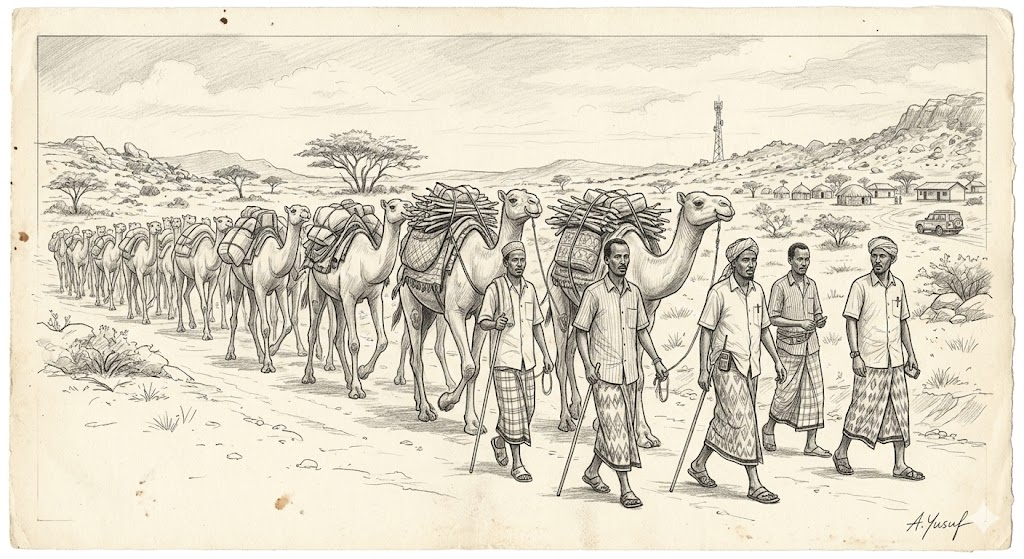
For centuries, the Somali people lived as semi-nomadic pastoralists. They herded camels, cattle, sheep, and goats across the vast plains and plateaus of the Horn of Africa.
This mobile lifestyle shaped their values: adaptability, hospitality, self-reliance, and deep knowledge of the environment. Traditional homes (aqal) were designed to be quickly assembled and moved.
Even today, many Somali families maintain strong connections to this nomadic heritage, whether they live in cities or abroad.
The Clan System and Social Structure
Somali society is organized around a patrilineal clan system. Major clan families include Darod, Hawiye, Isaaq, Dir, and Rahanweyn (Digil and Mirifle).
Clans provide social support, identity, and conflict resolution through customary law known as Xeer. While clans can sometimes create divisions, they also form the backbone of mutual aid and resilience.
What Unites Somalis Across Borders
Despite clan differences, Somalis share powerful unifying elements:
One common language: Af Soomaali
Predominantly Sunni Islam
Shared cultural practices, poetry, and oral traditions
A strong sense of Somali identity (Soomaalinimo)
This unity becomes especially visible when facing external challenges. Somalis across Somalia, Somaliland, Djibouti, Ethiopia, Kenya, and the diaspora often come together through language, music, food, and collective memory.
Shared Identity in the Modern World
Today, millions of Somali people live in the homeland and in a vibrant global diaspora. From Minneapolis to London and Dubai, they maintain strong cultural ties while contributing to their new societies.
Modern Somalis blend ancient values with new realities — entrepreneurs, poets, professionals, and activists who carry forward the same spirit of resilience that defined their ancestors.
The shared identity remains a source of pride and strength, helping communities navigate challenges and celebrate achievements.
FAQ
Are all Somali people nomadic?
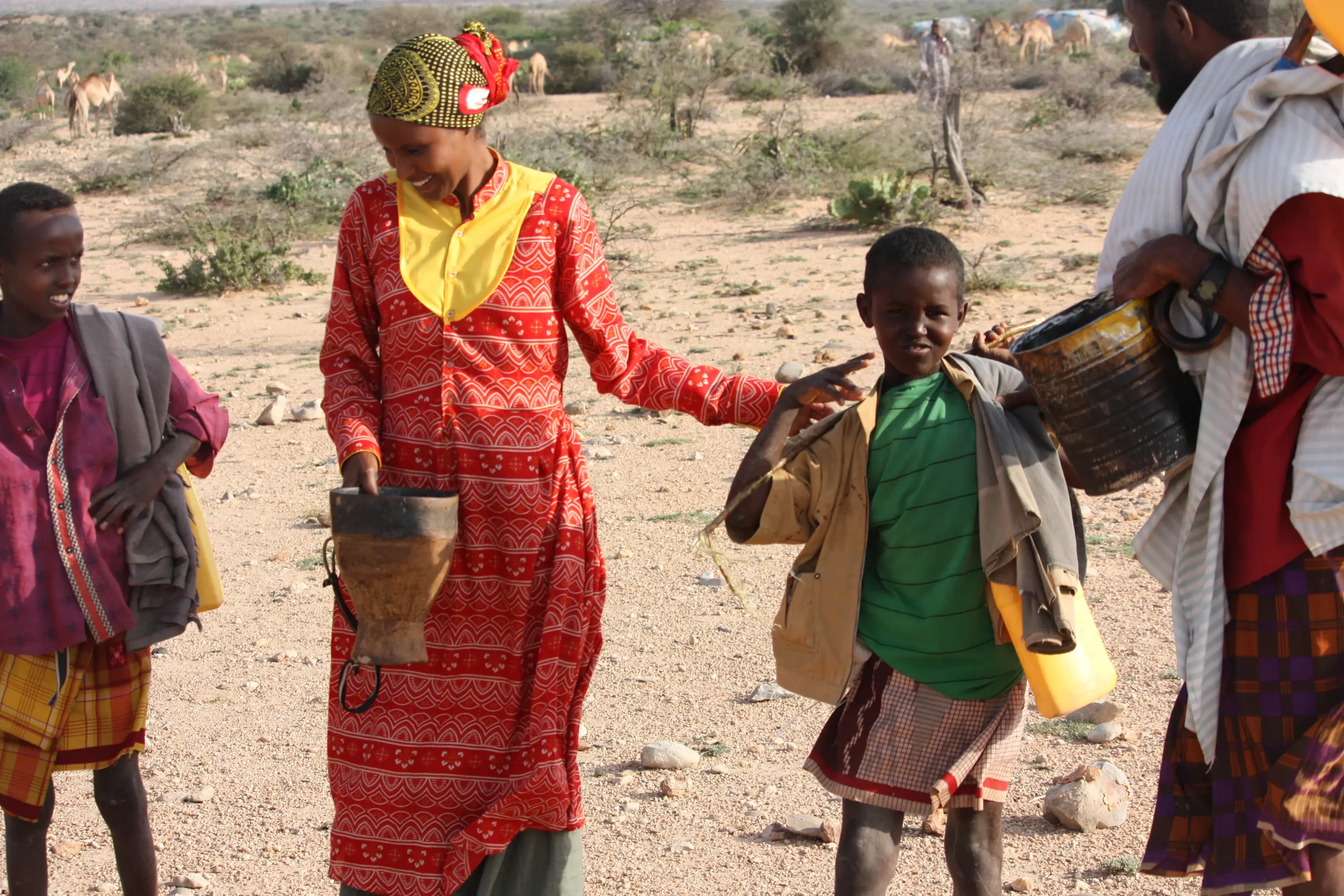
Not anymore. While nomadic pastoralism remains important culturally, many Somalis today live in cities as traders, professionals, or farmers.
What does Cushitic mean?
Cushitic refers to a group of related languages and peoples in the Horn of Africa and parts of East Africa who share ancient linguistic and cultural roots.
How many Somali people are there worldwide?
Estimates suggest around 25–30 million Somalis live across the Horn of Africa and the global diaspora.
Do clans divide or unite Somalis?
Clans provide important social structure and support, but the shared language, faith, and culture create a stronger overarching Somali identity.
What is Soomaalinimo?
Soomaalinimo refers to Somali-ness — the cultural and emotional sense of belonging that unites Somalis beyond clan or national lines.
The Somali people are much more than their recent history. They are an ancient, proud, and adaptable nation with deep roots in the Horn of Africa and a living culture that continues to inspire.
Understanding who the Somali people are helps us appreciate their resilience, creativity, and strong sense of identity.
Continue your journey into Somali culture and language on the NKENNE app. Explore more history, language lessons, recipes, and stories that bring this rich heritage to life.