
Senegalese Wrestling (Laamb): Strength, Rituals, and Cultural Pride
By: Chimdindu Ken-Anaukwu
Laamb is far more than a sport in Senegal. It is a powerful expression of strength, tradition, and national identity. Known locally as Laamb in Wolof, this traditional wrestling draws massive crowds, turns athletes into celebrities, and blends physical power with deep spiritual and cultural rituals. From griot announcers hyping the crowd to elaborate pre-fight ceremonies, Laamb embodies Senegalese values of courage, honor, and communal celebration while offering young men a path to fame and fortune.

What Is Laamb and Why It Matters
Laamb, also called Lutte Sénégalaise, is Senegal’s national sport and one of the most popular forms of traditional wrestling in West Africa. Matches fill stadiums, dominate television, and create national heroes. It combines raw athleticism with music, dance, and spiritual elements that make every event a full cultural spectacle.
For many Senegalese, especially in Wolof communities, Laamb represents resilience, community pride, and the ideal of a strong man who protects and uplifts his people.
Origins and Historical Roots
Laamb traces its roots to the Serer people of Senegal, where it originally served as training for warriors and a way to celebrate harvests and strength. Over time it spread among the Wolof and other groups, evolving into a structured sport while keeping its ritual essence.
Historically, wrestling prepared young men for battle and demonstrated bravery. Today it continues to teach discipline, respect, and perseverance.
Rules and Styles of Senegalese Wrestling
There are two main styles:
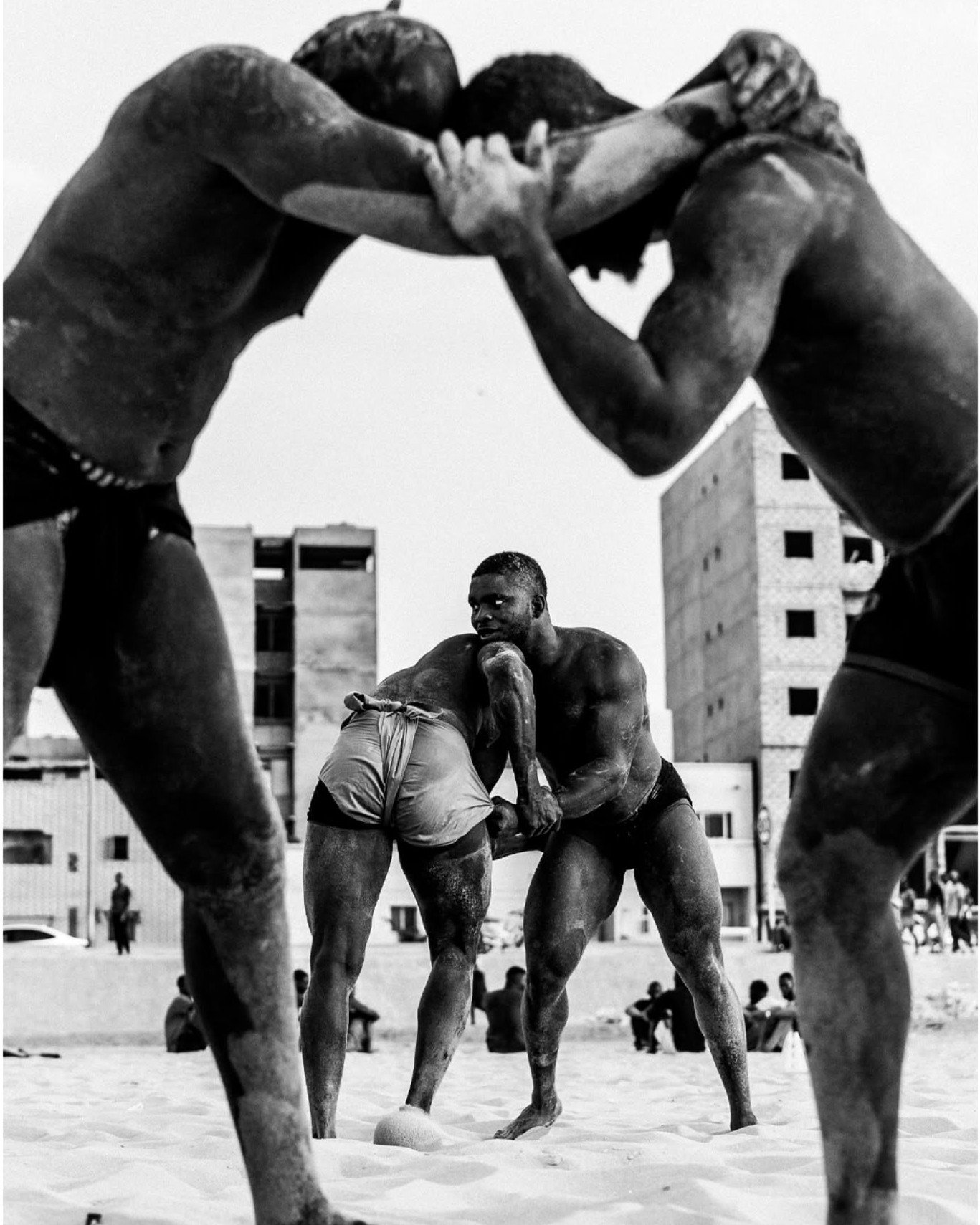
Traditional Laamb without strikes focuses on grappling and throwing the opponent to the ground.
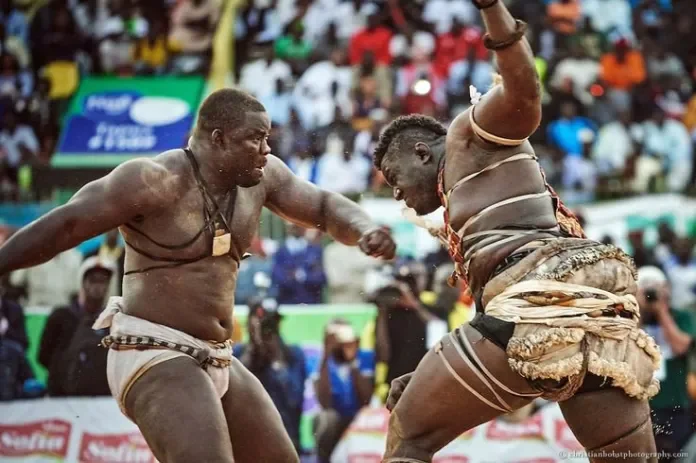
Laamb avec frappe (with punches) allows controlled strikes, making it more dynamic and intense.
Fighters wear loincloths and sometimes protective items. The goal is to force the opponent’s back or shoulders to touch the ground. Matches happen in sandy arenas, often outdoors or in large stadiums.
Pre-Fight Ceremonies and Spiritual Rituals
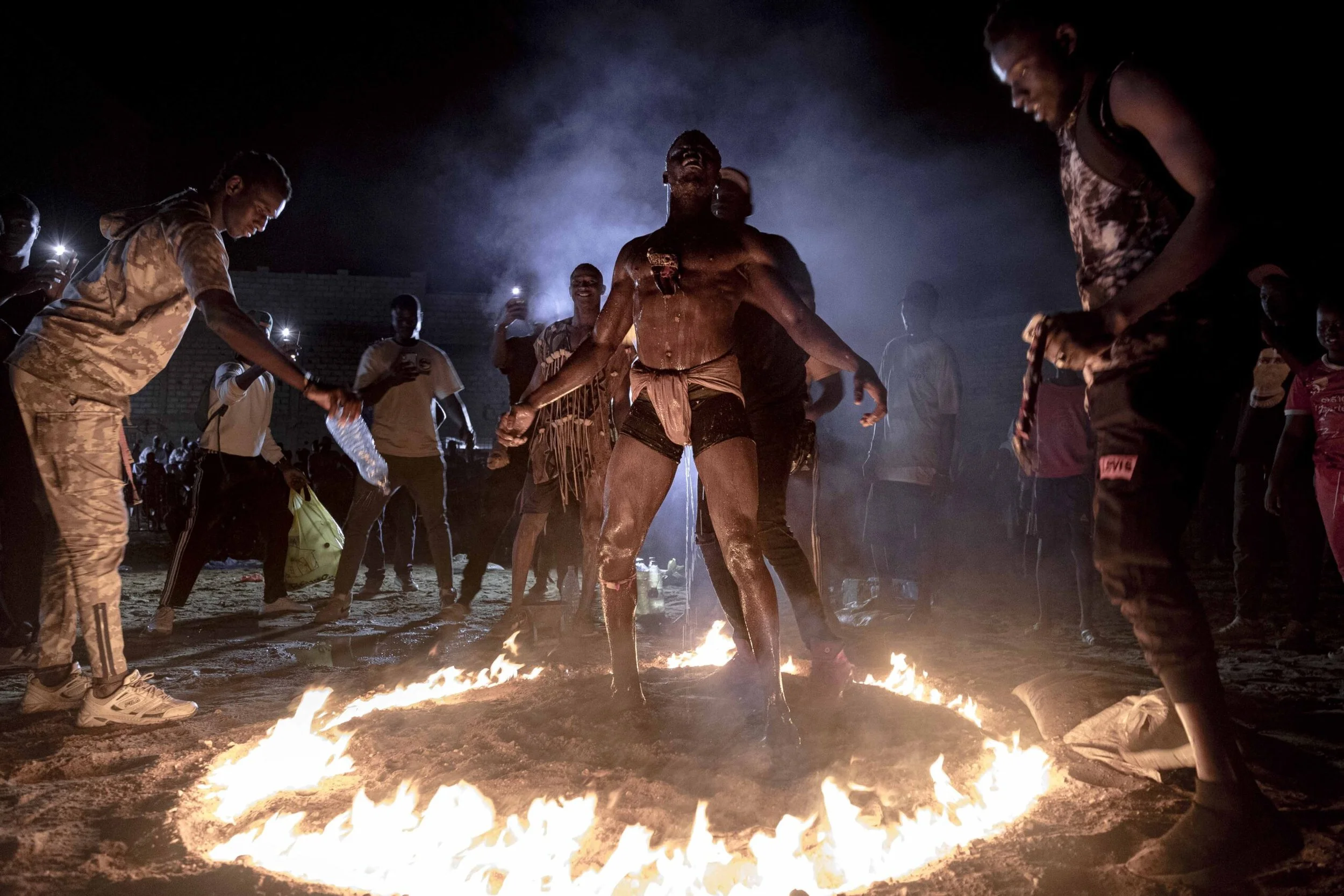
No Laamb fight is complete without elaborate rituals. Wrestlers consult marabouts for blessings and protective amulets (gris-gris). They perform ritual baths, apply special potions, and carry charms believed to grant strength and ward off evil.
Before entering the arena, wrestlers dance, chant, and show off their power. These ceremonies blend Islamic elements with traditional African spirituality, highlighting the syncretic nature of Wolof culture.
The Role of Griots and Traditional Music
Griots play a starring role as announcers and hype men. They beat sabar drums, recite praises (bàkk), and sing the wrestler’s lineage, achievements, and boasts. The bàkk performances energize the crowd and intimidate opponents.
Drumming, singing, and dancing create an electric atmosphere that turns each match into a festival of culture and entertainment.
Vibrant images of Laamb wrestlers performing pre-fight dances with griots and drummers capture the energy perfectly.
Laamb, Masculinity, and Cultural Pride
Laamb is deeply tied to ideals of masculinity. Wrestlers represent strength, courage, and honor. Success in the arena brings respect for the fighter and his entire family.
It also serves as entertainment that unites communities. Entire neighborhoods celebrate victories, and top wrestlers become role models for young boys.
Modern Entertainment and Economic Impact
Today Laamb is a professional industry. Top wrestlers like Balla Gaye 2, Yékini, and Bombardier earn significant money through sponsorships and big fights. The sport offers economic opportunities in a country where many young men face limited options.
Television broadcasts and large arenas have turned Laamb into a multimillion-dollar spectacle while preserving its traditional soul.
FAQ: Common Questions About Laamb
What does Laamb mean?
Laamb is the Wolof word for traditional Senegalese wrestling, rooted in Serer language and culture.
What are the pre-fight rituals in Laamb?
Wrestlers perform dances, chants (bàkk), wear protective amulets, and receive blessings from marabouts for spiritual power and protection.
What is the role of griots in Laamb?
Griots announce fighters, beat drums, sing praises, and energize the crowd with traditional music and storytelling.
Is Laamb only about physical strength?
No. It combines athletic skill with spiritual rituals, music, dance, and cultural display.
How popular is Laamb compared to football in Senegal?
In many parts of Senegal, Laamb rivals or even surpasses football in popularity and cultural importance.
Can women participate in Laamb?
Traditionally it is a male sport focused on masculinity, though women play important roles as supporters, singers, and spectators.
Wrapping Up: The Heart of Senegalese Strength
Senegalese wrestling (Laamb) stands as a living symbol of cultural pride. Through powerful rituals, griot performances, and displays of strength, it connects past warrior traditions with modern entertainment and opportunity. It celebrates what it means to be strong, resilient, and rooted in community.
Laamb shows the world how Senegal honors its heritage while creating new paths for its people. NKENNE’s Wolof resources help you understand not just the language but the vibrant cultural practices like Laamb that make Senegal special. Start learning today and connect with this dynamic tradition.