
How Are You Really Doing? Beyond "Nzuri" – Deeper Daily Check-Ins
By: Chimdindu Ken-Anaukwu
You greet someone with “Habari?” and they reply “Nzuri.” End of story. But in real Swahili conversations, people often go deeper. They want to know how you are truly doing. Learning better ways to ask and answer opens the door to genuine connections.
In this post, you will learn natural variations like Habari gani?, Unaendeleaje?, and U hali gani?. You will also discover real responses beyond the basic “Nzuri” and useful follow-up questions like “Leo umefanya nini?”. These phrases will help your everyday Swahili conversations feel warmer and more meaningful.
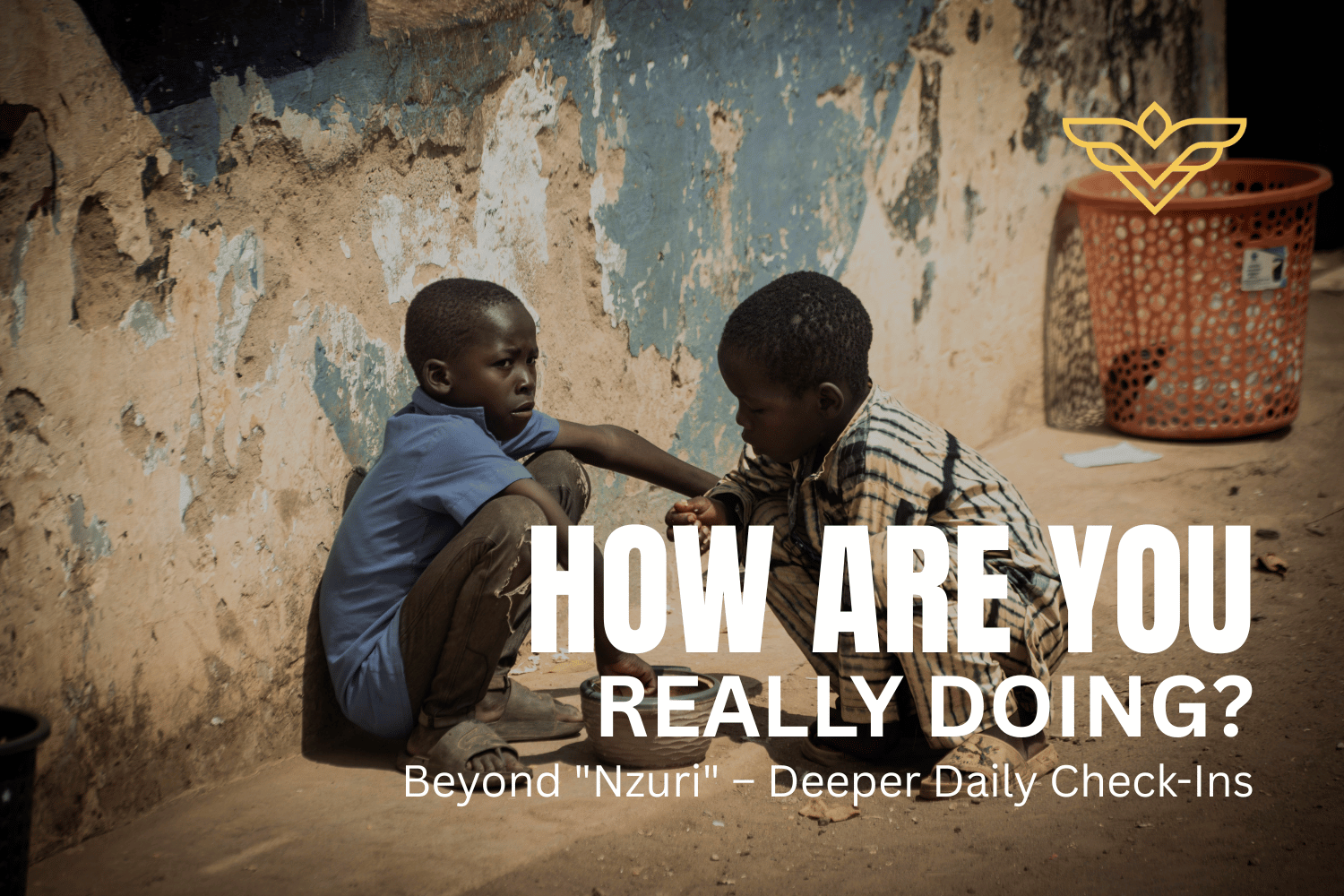
Why Swahili Check-Ins Go Deeper Than "Nzuri"
Swahili culture values relationships. A quick “Nzuri” is polite, but showing real interest builds stronger bonds. Whether you are catching up with a friend, colleague, or neighbor, these deeper questions show you care about the person, not just the routine answer. They are used every day across Kenya, Tanzania, and Uganda.
The Classic Question: Habari Gani?
Habari gani? Pronunciation: hah-BAH-ree GAH-nee? Meaning: What is the news? / How are things?
This is more open than plain “Habari?”. It invites the other person to share a bit more.
Natural replies:
Habari nzuri. (Good news.)
Habari ya kawaida tu. (Just normal news.)
Habari si mbaya. (Not bad.)
Asking How Life Is Going: Unaendeleaje?
Unaendeleaje? Pronunciation: oo-nah-en-deh-leh-AH-jeh? Meaning: How are you progressing? / How are things going?
This question shows interest in their daily life or projects. It is warm and commonly used between friends and colleagues.
Good responses:
Naendelea vizuri. (I am progressing well.)
Naendelea pole pole. (I am taking it slowly.)
Naendelea tu. (Just managing.)
Checking Overall Well-Being: U Hali Gani?
U hali gani? Pronunciation: oo hah-lee GAH-nee? Meaning: How is your condition? / How are you doing?
This is a caring way to ask about someone’s general state, especially if you have not seen them for a while.
Common answers:
Hali yangu ni nzuri. (My condition is good.)
Hali ni sawa. (Things are okay.)
Hali ni shwari. (All is calm / fine.)
Natural Responses That Show You Care
Move beyond short answers. Try these to keep the conversation flowing:
Nzuri sana, asante. Na wewe? (Very good, thank you. And you?)
Si mbaya, lakini nimechoka kidogo. (Not bad, but I am a bit tired.)
Vizuri tu, Mungu anibariki. (Just fine, God is blessing me.)
Always try to ask back. Swahili conversations are two-way.
Great Follow-Up Questions
After the first answer, dig a little deeper with these:
Leo umefanya nini? (What have you done today?)
Unaenda wapi sasa? (Where are you going now?)
Habari za kazi? (How is work?)
Familia iko aje? (How is the family?)
These questions show genuine interest and often lead to longer, friendlier chats.
Full Example Conversations
Casual version:
You: Habari gani, rafiki?
Friend: Nzuri tu. Na wewe?
You: Naendelea vizuri. Leo umefanya nini?
Warmer, deeper version:
You: Shikamoo. U hali gani leo?
Elder: Hali nzuri, asante.
You: Unaendeleaje na biashara?
Elder: Inakwenda pole pole.
Quick Tips for Natural Daily Check-Ins
Match the person’s energy. Use more formal questions with elders.
Smile and make eye contact. It makes your words feel sincere.
Listen actively and respond to what they actually say.
Practice these out loud so they come naturally in real situations.
Do not worry about perfect grammar. Effort and warmth matter most.
FAQs About Deeper Swahili Greetings
What is the difference between Habari and Habari gani?
Habari is general. Habari gani? invites more detailed news or feelings.
Is it okay to say more than "Nzuri"?
Yes. People appreciate honest and slightly longer answers. It makes conversations feel real.
When should I use Unaendeleaje?
Use it with friends, colleagues, or people you know moderately well. It shows ongoing interest in their life.
How do I reply if I am not doing well?
Be honest but gentle. For example: “Si mbaya sana, lakini nina shida kidogo kazini.”
Are these phrases used the same in Kenya and Tanzania?
Yes. They work across East Africa with only minor regional flavor differences.
Can I use these in texting or WhatsApp?
Absolutely. They work great in messages: “Habari gani bro? Unaendeleaje?”
Mastering these deeper check-ins will make your Swahili feel more natural and caring. You will build better relationships faster because people notice when you truly want to know how they are doing.
Ready to improve your everyday Swahili conversations? NKENNE has practical lessons on greetings, small talk, and real-life phrases. Start with our beginner conversation module today and connect more deeply with Swahili speakers. Karibu!