
The Kingdom of Nri: Africa’s Ancient Peaceful Empire That Ruled Without an Army
By: Chimdindu Ken-Anaukwu
Most empires expanded through war and conquest. The Kingdom of Nri did the opposite. It grew through moral authority, spiritual influence, and ritual power.
Located in what is now Anambra State in southeastern Nigeria, Nri stands as one of the most remarkable political and religious systems in West African history. For centuries, the Eze Nri (priest-king) held sway over large parts of Igboland without maintaining a standing army.
In this article, you will discover how the Igbo built this unique system of leadership, why it mattered, and how its influence still shapes Igbo culture today.
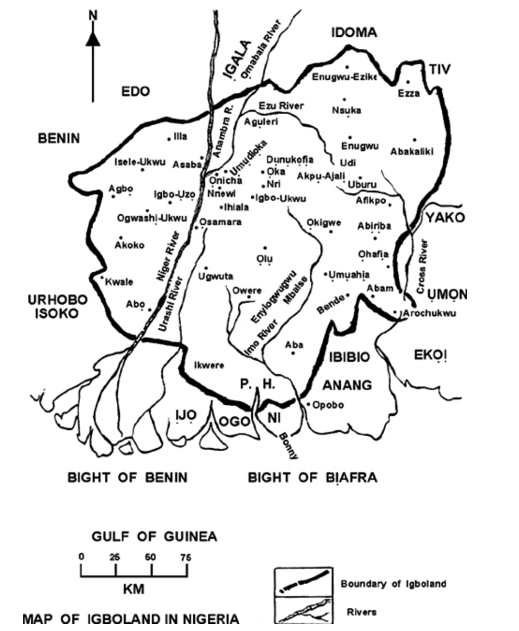
What Was the Kingdom of Nri?
The Kingdom of Nri (Ọ̀ràézè Ǹrì) was a theocratic polity in the heart of Igboland. It functioned more as a sphere of religious and moral influence than a conventional kingdom with borders and soldiers.
Its peak influence stretched across much of northern and western Igboland between roughly the 10th and 16th centuries. Communities accepted Nri authority because of its spiritual prestige, not because they were conquered.
The Legendary Founder Eri
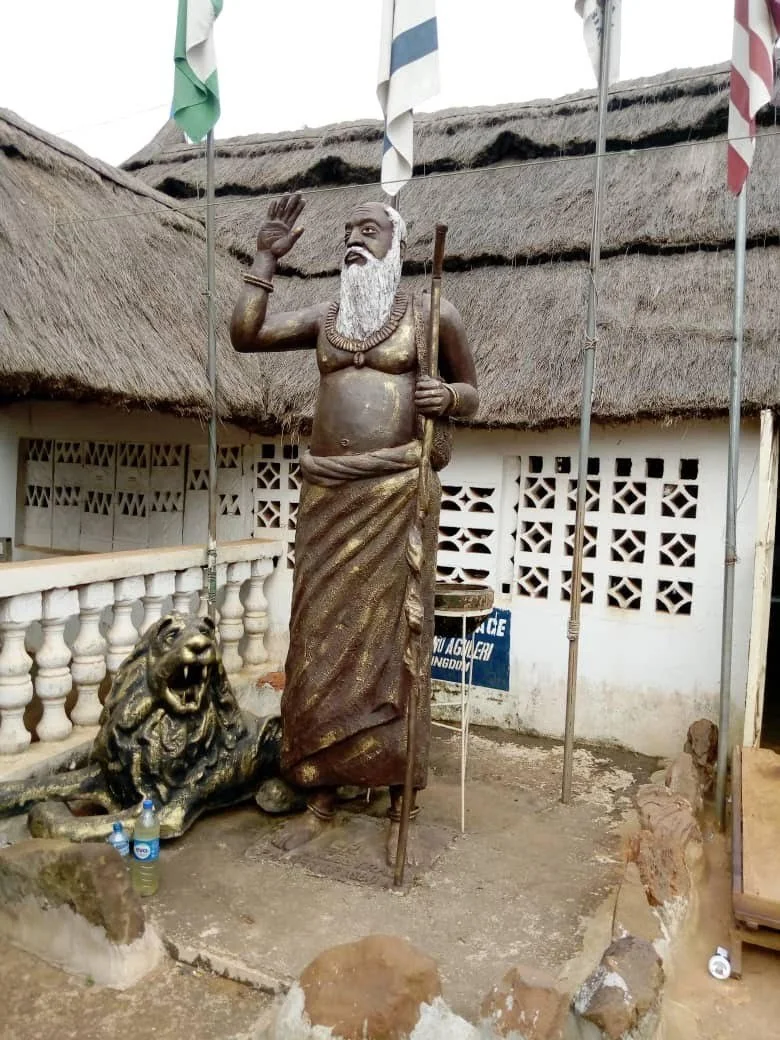
According to oral tradition, Nri began with Eri, a figure often described as a sky being sent by Chukwu (the Supreme God). Eri is credited with bringing order, introducing farming, and establishing social structure in the Anambra River valley.
His descendants founded key communities, including the town of Nri itself. The first formal Eze Nri, Ìfikuánim, is traditionally dated to the mid-11th century. Archaeological finds at nearby Igbo-Ukwu (9th century bronzes and ritual objects) support the existence of a sophisticated culture in the region around the same period.
How Power Worked Without an Army
Nri expanded through conversion and alliance rather than force. Emissaries and ritual specialists traveled to neighboring communities. They performed purification rites, settled disputes, and introduced Nri customs.
Violence, especially the spilling of human blood, was considered a major abomination that polluted the earth. The Eze Nri and his specialists had the authority to cleanse such pollution through rituals.
Instead of armies, Nri used social and spiritual tools. Communities that violated major taboos could face ritual isolation. This system maintained order without bloodshed.
The Role of the Eze Nri
The Eze Nri was a priest-king, not a military ruler. His authority came from divine connection and ritual knowledge.
Key responsibilities included:
Overseeing major purification ceremonies
Regulating certain agricultural and market practices
Settling serious moral and land disputes
Maintaining the sacred calendar and taboos
He lived under strict ritual restrictions and was seen as a mediator between the people, the ancestors, and the divine.
Influence Across Igboland
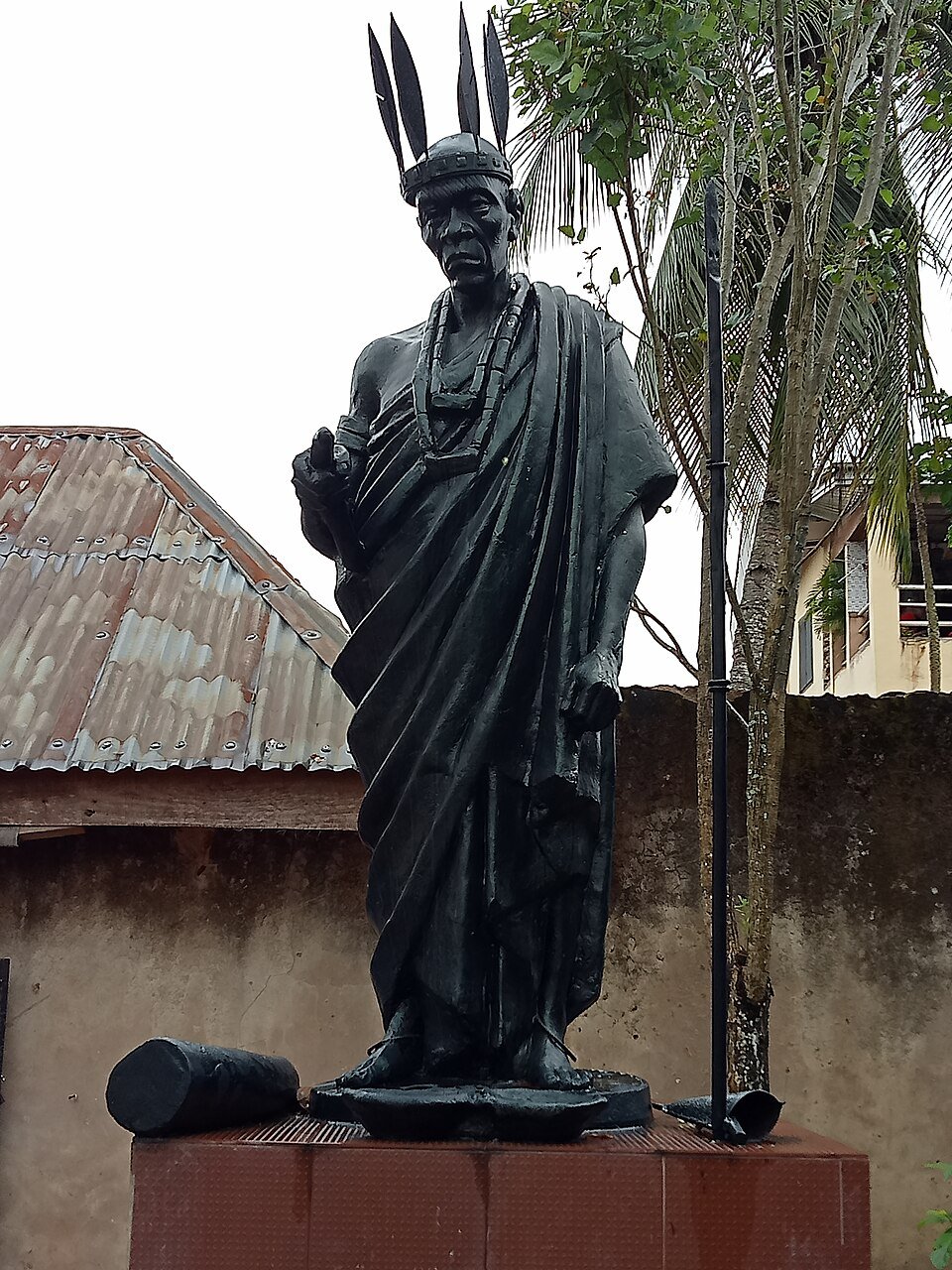
Nri’s impact went far beyond its immediate territory. Many communities adopted its market days (Eke, Orie, Afor, Nkwo), title systems, and ideas about purity and abomination.
Nri priests helped spread the cult of Ikenga and other spiritual practices. The kingdom’s emphasis on moral order and peaceful resolution left a deep mark on Igbo political culture, which generally preferred decentralized, consensus-based systems over centralized military kingdoms.
A Sanctuary for the Rejected
One of Nri’s most progressive features was its openness. The kingdom welcomed outcasts and runaway slaves. It offered a place of refuge and the possibility of reintegration through ritual cleansing.
This stance stood in contrast to many surrounding societies and reinforced Nri’s reputation as a center of moral authority.
Decline and Lasting Legacy
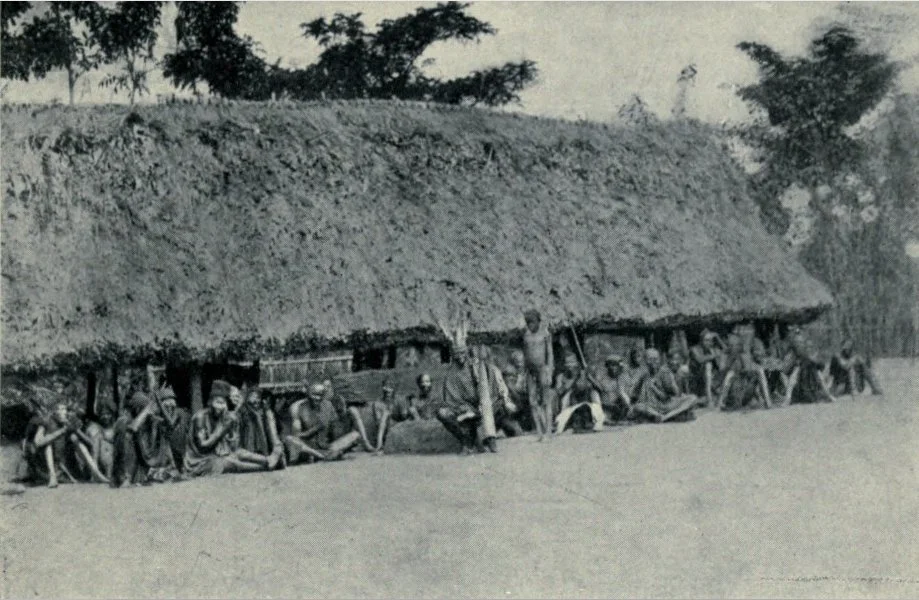
Nri’s influence gradually weakened from the 17th and 18th centuries due to the rise of other regional powers, the Atlantic slave trade, and later British colonial rule. In 1911, colonial authorities forced the reigning Eze Nri to publicly renounce certain traditional powers.
Despite this, the title of Eze Nri continues today as a traditional institution. The ideas of moral leadership, ritual purity, and peaceful influence remain part of Igbo cultural memory.
Frequently Asked Questions
Did the Kingdom of Nri really have no army?
Yes. It maintained authority through spiritual prestige, ritual specialists, and moral influence rather than military force.
When did the Kingdom of Nri exist?
Traditional accounts place its foundation around the 10th century. Its strongest influence lasted until roughly the 16th–18th centuries, with the title continuing into modern times.
Who was Eri?
Eri is the legendary founder figure associated with bringing order and civilization to the Anambra area. Oral tradition describes him as a divine or sky-sent being.
How did Nri expand its influence?
Through diplomacy, ritual conversion, and the spread of cultural and religious practices rather than conquest.
Is the Eze Nri title still active today?
Yes. The traditional title continues, and Nri remains an important cultural and historical center in Anambra State.
What is the connection to Igbo-Ukwu?
The famous 9th-century archaeological finds at Igbo-Ukwu (bronze, copper, and glass objects) show a highly advanced culture in the same region during the early period associated with Nri.
Conclusion
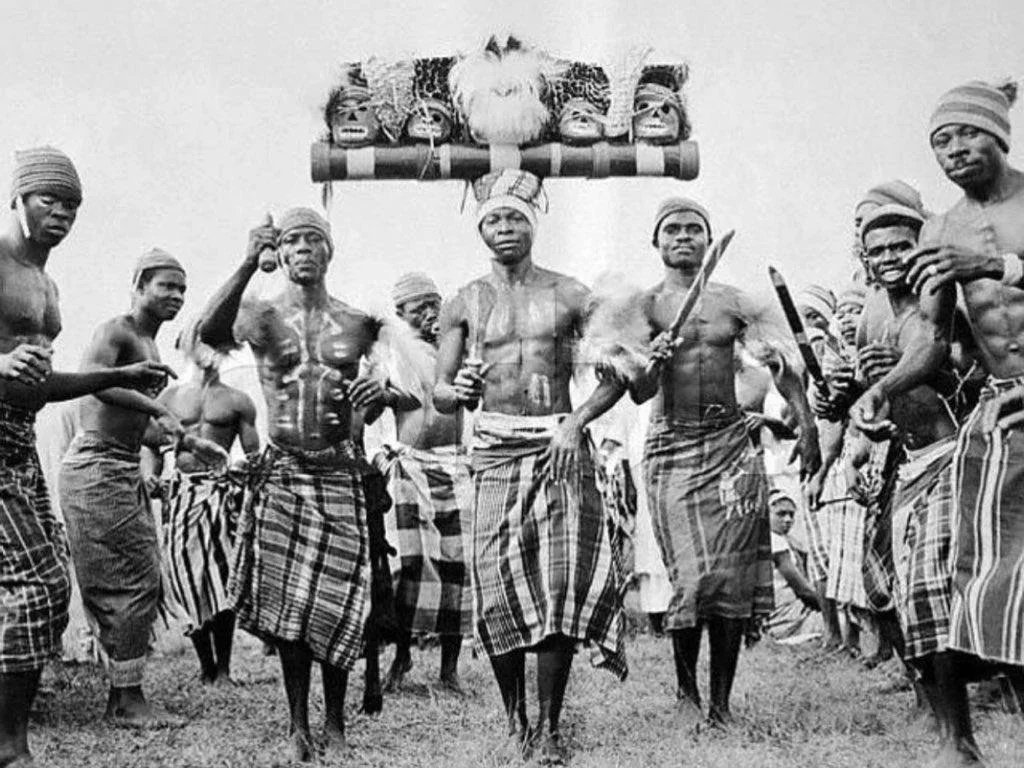
The Kingdom of Nri offers a powerful alternative vision of leadership. It proves that influence does not always require armies or coercion. Through moral authority, spiritual insight, and peaceful expansion, the Igbo built one of the most distinctive political systems in African history.
Understanding Nri deepens appreciation for the sophistication of pre-colonial Igbo society and the values of justice, purity, and harmony that still resonate today.
Ready to explore more of Igbo history, language, and culture? With NKENNE, the first African language learning app, you can learn practical Igbo while connecting with the rich heritage of Ndigbo. Download today and begin your journey.