
Authentic Hausa Masa Recipe: Fluffy Rice Cakes That Melt in Your Mouth
By: Chimdindu Ken-Anaukwu
Ever wondered why Hausa street vendors draw crowds with just a simple rice batter? It's the magic of masa: those golden, spongy bites that blend sweet and tangy in one go. In this guide, you'll master an authentic Hausa masa recipe, from soaking rice to flipping for that perfect honeycomb texture. Get ready to recreate Nigeria's beloved gluten-free snack right in your kitchen.
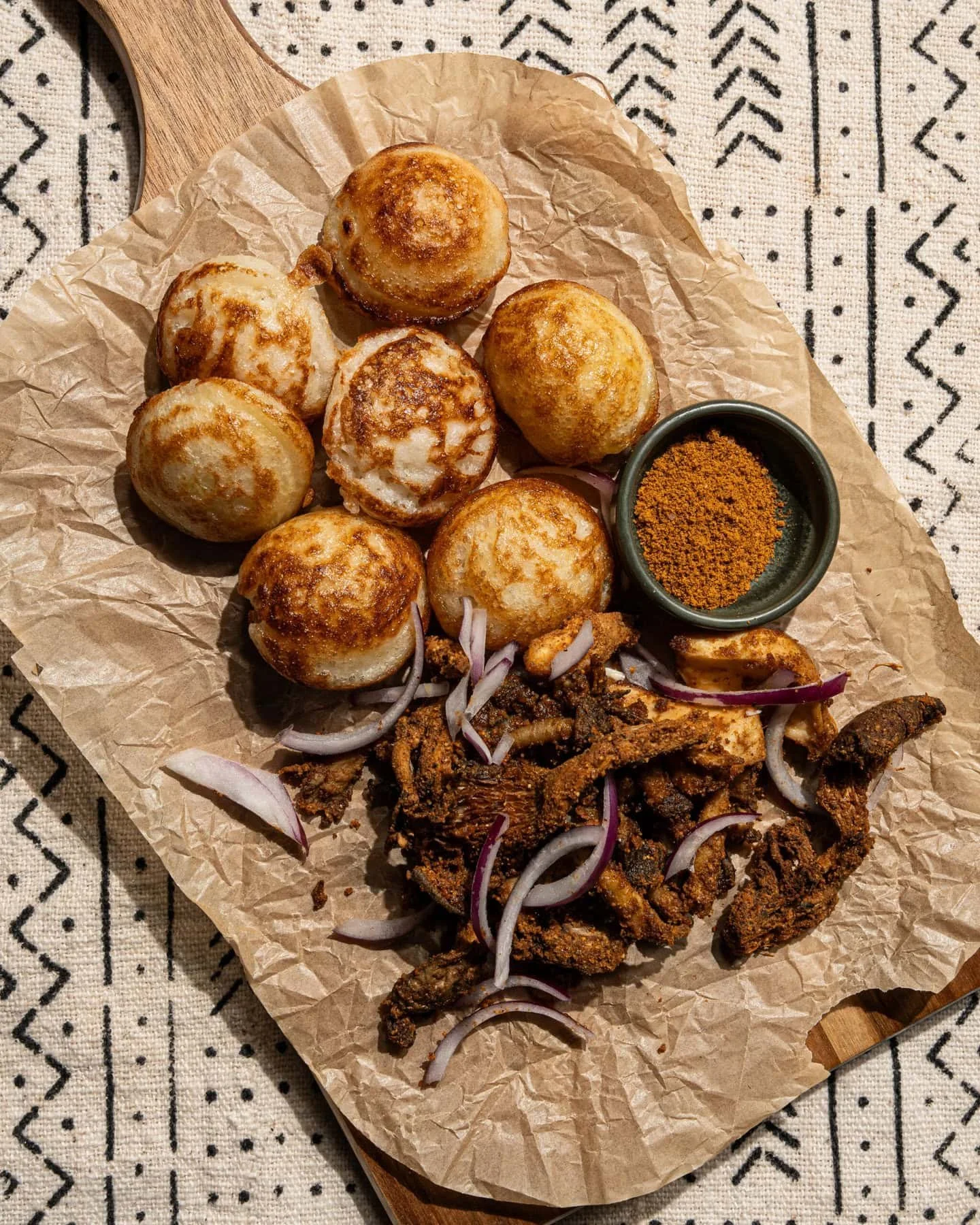
What Is Hausa Masa? A Quick Overview
Hausa masa, or waina, hails from Northern Nigeria's bustling markets.
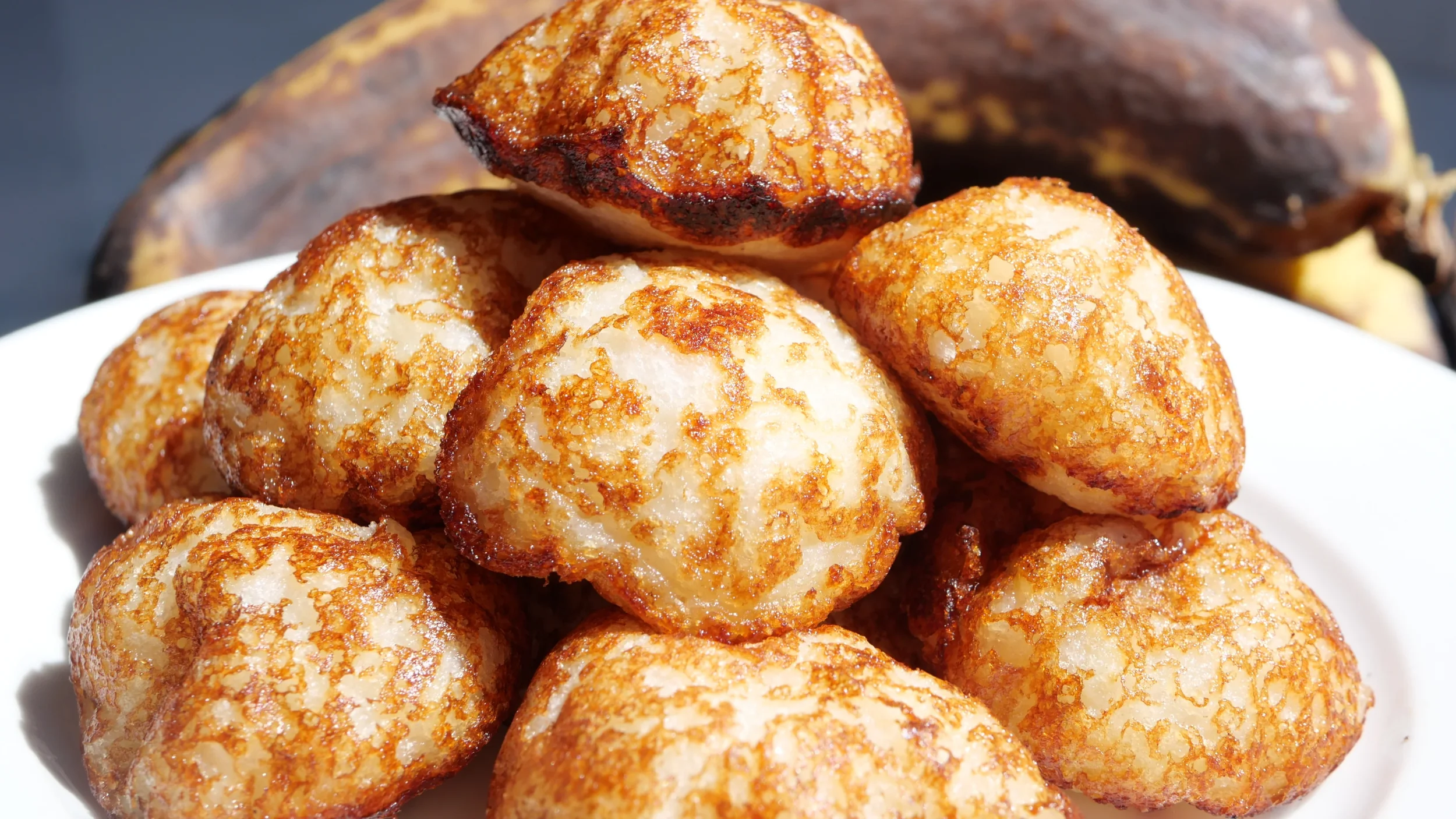
These fermented rice cakes are light, airy, and naturally gluten-free.
Think of them as Nigeria's answer to crumpets, but with a tangy edge from fermentation.
Historically, masa ties to Hausa farming communities, using local rice for quick, nourishing snacks.
Today, it's street food gold; sold hot off the pan in Kano or Zaria.
Learning this builds your connection to Hausa heritage, one fluffy bite at a time.
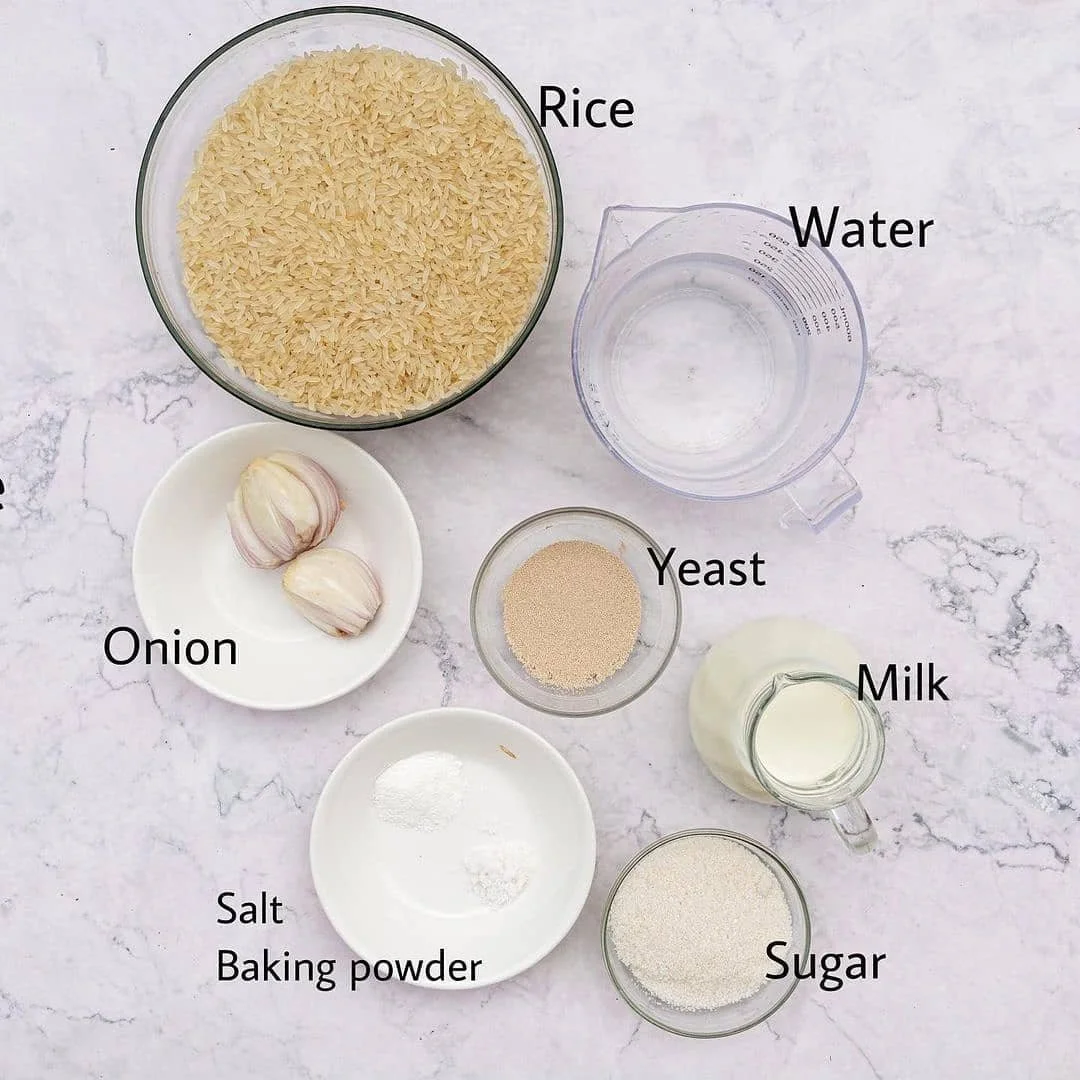
Ingredients for Authentic Hausa Masa
Gather these for about 20-25 cakes. Stick to tuwo rice for best results.
You'll need:
2 cups tuwo rice (or jasmine rice)
1/4 cup cooked white rice
2 teaspoons active dry yeast
2-4 tablespoons sugar
1/2 teaspoon salt
1 small onion, chopped (optional for flavor)
2 tablespoons plain yogurt (optional for tang)
1/2 inch ginger (optional)
1/2 teaspoon baking powder
Vegetable oil for frying
Warm water as needed
These basics keep it simple, like how Hausa cooks have done for generations.
Step-by-Step Instructions to Make Masa
Start early: fermentation takes time, but it's mostly hands-off.
First, wash and soak the rice in water for 6-12 hours until soft.
Drain, then blend with cooked rice, onion, ginger, yogurt, and 1/2 cup water until smooth.
Proof yeast with 1/4 cup warm water and a teaspoon sugar for 10 minutes.
Mix yeast into batter, add sugar and salt, then cover and ferment 2-8 hours.
Stir in baking powder and a bit more water for heavy cream consistency.
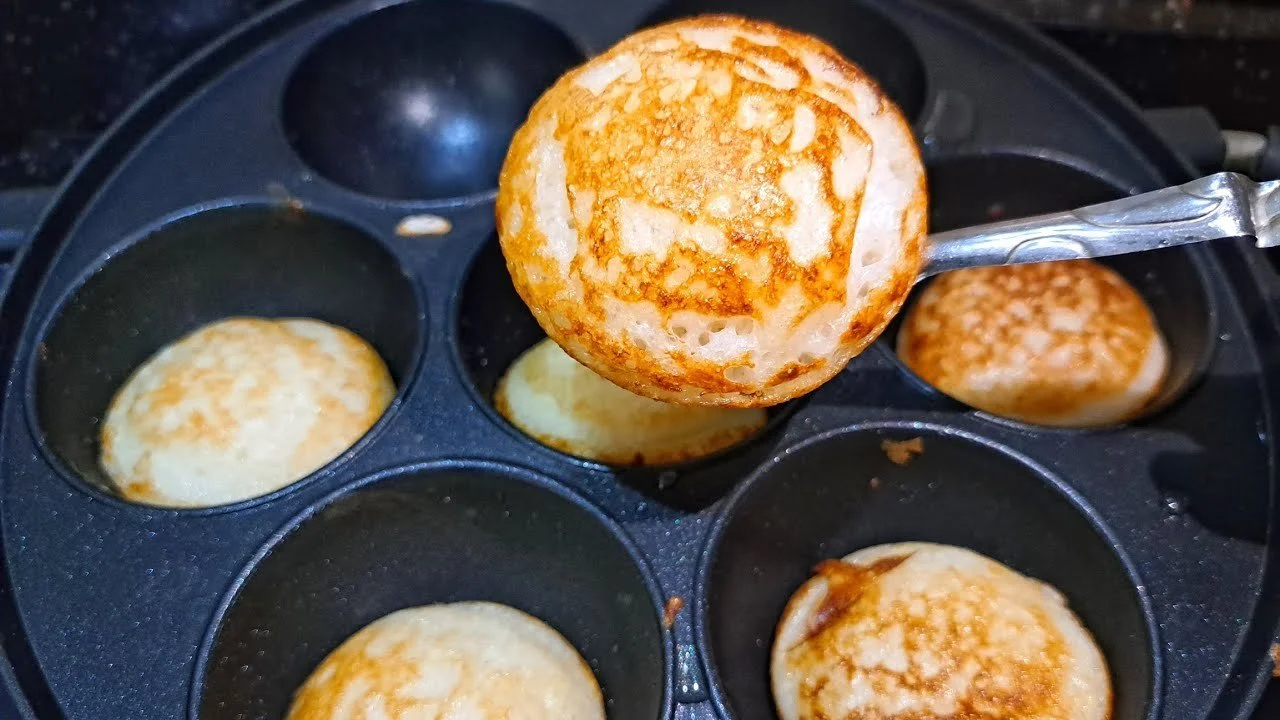
Heat a masa pan (or non-stick skillet) with oil in each well over medium heat.
Scoop batter in, cook 2-4 minutes per side until golden and crisp.
Flip carefully for even browning. Serve warm.
Tips for That Signature Honeycomb Texture
The honeycomb comes from bubbles in fermented batter; don't skip the wait.
Ferment longer (6-8 hours) for tangier, spongier results.
Blend super smooth; lumps mean dense cakes.
Whisk batter well before frying to aerate.
Use medium heat; too hot burns the outside before the inside sets.
If batter thins, add a tablespoon of rice flour.
These tricks ensure that melt-in-your-mouth feel every time.
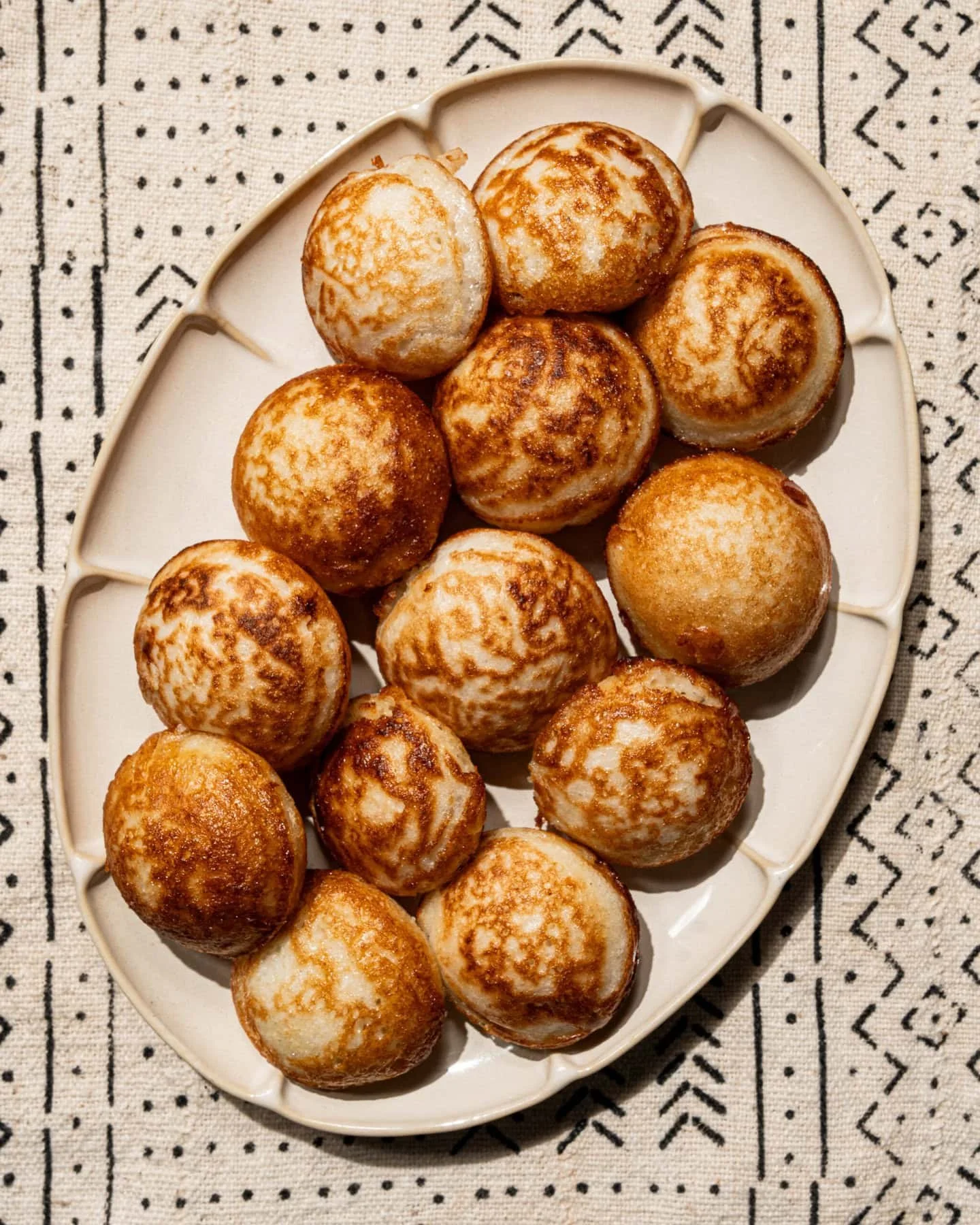
Cultural Significance and Modern Twists
Masa isn't just food; it's a Hausa staple at gatherings and in daily life.
Rooted in pre-colonial trade, it uses fermented rice for easy digestion and flavor.
In modern Nigeria, it's evolved into festival fare or quick bites in urban spots.
Globally, diaspora cooks adapt it for gluten-free diets.
This recipe keeps traditions alive while fitting today's kitchens.
Share it at your next family meal for that authentic touch.
Variations and Serving Ideas
Keep it classic or mix it up.
Add turmeric for color or cinnamon for spice.
Use millet instead of rice for a nuttier twist.
Serve savory with yaji spice and suya or sweet with honey and fruit.
Leftover masa? Stir-fry into a hash with veggies.
Store cooked ones airtight for a week; reheat in the microwave.
These options make masa versatile for any mood.
Frequently Asked Questions
What rice is best for Hausa masa recipe?
Tuwo or jasmine rice works best for the sticky, fluffy texture in authentic Hausa masa.
How long should I ferment the batter for fermented rice cakes?
Ferment 2 hours for sweet masa or 6-8 hours for tangy, sour flavors and better honeycomb.
Is Hausa masa gluten-free?
Yes, this gluten-free Hausa snack uses only rice, making it ideal for dietary needs.
What's the secret to fluffy rice cakes in waina recipe?
Smooth blending, proper fermentation, and medium heat ensure the airy interior.
Can I make Nigerian street food masa without a special pan?
Absolutely! Use a non-stick skillet and scoop small portions like pancakes.
Why add yoghurt in authentic Hausa masa?
Yoghurt boosts fermentation for tang and helps create that spongy texture.
Crafting masa connects you to Hausa roots, turning simple rice into something special. You've now got the skills to impress with flavors that echo Northern Nigeria's vibrant streets.
Hungry for more? Check NKENNE's Hausa cooking lessons and cultural dives. Let's explore African flavors together; your kitchen adventure starts here.