
Master Numbers in Mozambican Portuguese: Count 1-100 with Market Haggling Tips and Changana Twists
By: Chimdindu Ken-Anaukwu
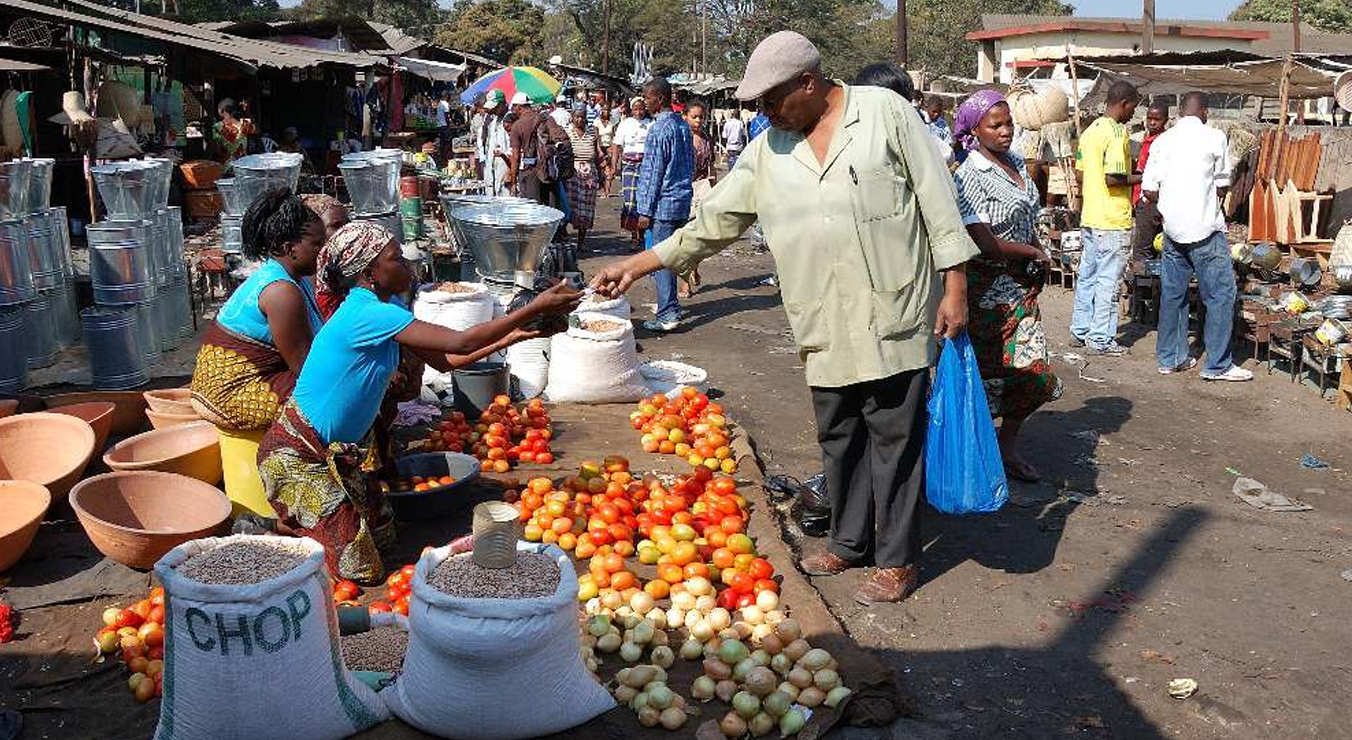
Picture this: You're in a crowded Maputo feira, the sun beating down, vendors calling out prices for mangoes, capulanas, and fresh fish. The seller says "cem meticais" for a bunch, but you know it's high. You counter with "cinquenta?" and watch the back-and-forth begin. Numbers aren't just math here; they're your ticket to fair deals and real connections. In this guide, you'll learn numbers 1-100 in Mozambican Portuguese, catch the local pronunciation style, pick up Changana loanword influences, and get practical haggling phrases to use in those bustling markets.
Why Numbers Matter in Mozambican Everyday Life
In Mozambique, Portuguese is the official language, but markets run on a mix of it and local tongues like Changana in the south.
Knowing numbers helps you buy groceries, catch chapas (minibuses), or split bills with friends.
In Maputo's feiras, prices start high, and haggling is expected. Numbers let you negotiate confidently without getting overcharged.
This skill opens doors to authentic conversations and shows respect for local ways.
Mozambican Portuguese Pronunciation Basics
Mozambican Portuguese follows European Portuguese closely, with a softer, more melodic flow than Brazilian.
The "r" is often a soft tap or uvular sound, and final "s" is sharp like "sh."
Examples:
Um (1) – [ũ]
Dois (2) – [dɔjʃ]
Três (3) – [tɾeʃ]
Dez (10) – [deʃ]
Listen for nasal vowels, like "cem" (100) sounding like [sẽĩ].
These tweaks make you sound more local.
Numbers 1-10: The Foundation
Start here; these show up everywhere.
1 – um / uma (masculine/feminine)
2 – dois / duas
3 – três
4 – quatro
5 – cinco
6 – seis
7 – sete
8 – oito
9 – nove
10 – dez
Practice saying them quickly: "Um quilo de tomate" (one kilo of tomatoes).
Numbers 11-20: Building Blocks
These follow a pattern: "dez" + "e" + unit.
11 – onze
12 – doze
13 – treze
14 – catorze
15 – quinze
16 – dezasseis
17 – dezassete
18 – dezoito
19 – dezanove
20 – vinte
Note the "ss" in 16-19; pronounce as "s" in Mozambican style.
Tens and Beyond: 20-100
Tens are straightforward:
20 – vinte
30 – trinta
40 – quarenta
50 – cinquenta
60 – sessenta
70 – setenta
80 – oitenta
90 – noventa
100 – cem
For compounds, use "e" (and): 21 – vinte e um, 35 – trinta e cinco.
100 is "cem" alone, but "cento" when followed by more (cento e um).
Use these for prices: "Cinquenta meticais" (50 meticais).
Changana Influences: Local Twists on Counting
In southern Mozambique, including Maputo, many speak Changana alongside Portuguese.
You might hear small numbers in Changana during informal counting or bargaining:
1 – n'we
2 – mbirhi
3 – nharhu
4 – mune
5 – ntlhanu
Vendors sometimes mix: "Dois mbirhi" for emphasis or fun.
These loanwords show Mozambique's multilingual reality. Knowing a few builds rapport.
Haggling Phrases in Maputo Feiras
Haggling is cultural; start low, be friendly.
Basic phrases with numbers:
Quanto custa? (How much is it?)
Está muito caro. (It's too expensive.)
Pode baixar? (Can you lower it?)
Dou cinquenta. (I'll give 50.)
Último preço? (Final price?)
Mais barato, por favor. (Cheaper, please.)
In a market: Seller: "Cem meticais." You: "Não, setenta está bom?" (No, 70 is good?)
Smile, use numbers, and walk away slowly if needed; they often call you back.
Practice Scenarios for Real Markets
Scenario 1: Buying fruit.
Vendor: "Três mangas por cinquenta."
You: "Quatro por quarenta?"
Scenario 2: Fabric stall.
"Duas capulanas por duzentos?"
You: "Cem e cinquenta, ok?"
Repeat these aloud to build confidence.
FAQs
Are numbers different in Mozambican Portuguese from European Portuguese?
Mostly the same, but pronunciation is closer to European with local accents and nasal tones.
Do people use Changana numbers in Maputo markets?
Yes, especially for small counts or casually; Portuguese dominates, but mixing is common.
What's the best way to practice haggling?
Start low (half the asking price), stay polite, and use numbers clearly.
How do I say 100 in Mozambican Portuguese?
"Cem" for exactly 100; "cento" when adding more, like "cento e vinte."
Why learn these numbers for Lusophone Africa?
They help in daily life, markets, and show cultural respect in Mozambique.
Can I use Brazilian Portuguese numbers here?
They work, but European-style pronunciation fits better in Mozambique.
Final Thoughts
Numbers in Mozambican Portuguese connects you directly to daily life in Maputo's feiras and beyond. You've got the tools: standard counting, local pronunciation, Changana touches, and haggling know-how. This knowledge isn't just useful; it's a step into real Mozambican culture.
Want to go further with Lusophone African languages and customs? Join NKENNE for guided lessons that bring these skills to life. Start your journey today.