
Xerém: Cape Verdean Cornmeal with Chicken
By: Chimdindu Ken-Anaukwu
On windy mornings in Cape Verde, many families start the day with a warm bowl of xerém. This simple cornmeal porridge cooked with chicken reflects the islands’ Creole soul. It is humble, nourishing, and deeply tied to both local traditions and the realities of diaspora life. In this guide, you will learn how to make xerém with chicken, understand its cultural roots, and discover easy adaptations for kitchens far from the Atlantic.

What Is Xerém and Why It Matters in Cape Verde
Xerém is a thick, porridge-like dish made from cornmeal cooked slowly until creamy. It often includes chicken along with onions, garlic, and sometimes tomatoes. The result is a comforting, filling meal that feels like home.
In Cape Verde, xerém appears at breakfast, lunch, or dinner. It uses affordable staples and whatever protein is available. For many families, it represents resourcefulness and the simple pleasures of island life.
Historical and Creole Roots
Corn came to Cape Verde through Portuguese trade routes from the Americas. Islanders combined it with African cooking techniques and local ingredients to create xerém. The dish shows the Creole fusion that defines Cape Verdean culture: Portuguese ingredients, African methods, and island ingenuity.
Over generations, xerém traveled with emigrants. Today it brings comfort to Cape Verdean communities in Portugal, the United States, and beyond.
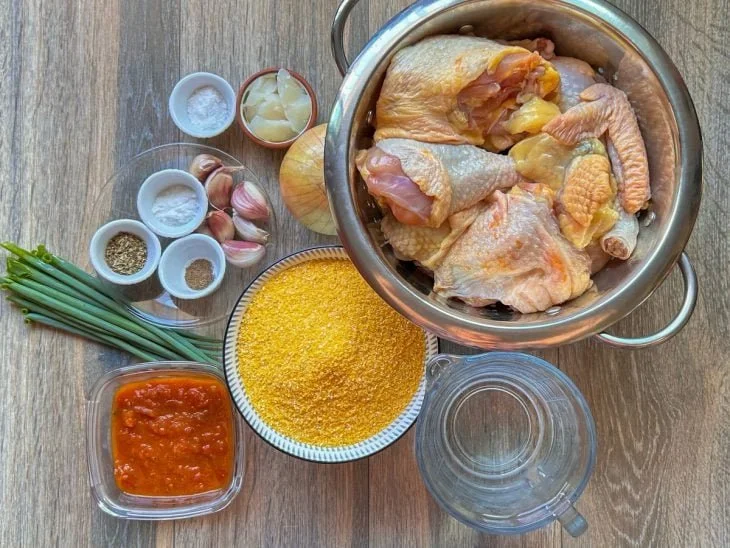
Key Ingredients and Their Names
Learn these terms to shop and cook authentically:
Farinha de milho (cornmeal): The base that gives xerém its texture.
Frango (chicken): Tender pieces for protein.
Cebola (onion) and alho (garlic): Build the savory base.
Leite de coco (coconut milk, optional): Adds richness in some versions.
Tomate (tomato) and pimenta (chili): For color and gentle heat.
Sal (salt) and azeite (oil): Basic seasoning.
These words connect you directly to Cape Verdean kitchens.
Step-by-Step Recipe
Prepare the chicken: Season and lightly brown chicken pieces in a pot with oil, onion, and garlic.
Add liquid: Pour in water or stock and bring to a gentle boil.
Stir in cornmeal: Gradually add cornmeal while stirring to avoid lumps. Cook on low heat, stirring often, until thick and creamy (about 20-30 minutes).
Simmer chicken: Ensure the chicken is fully cooked and tender in the porridge.
Season and rest: Adjust salt and spice. Let it sit briefly before serving.
The slow stirring develops a smooth, satisfying texture.
Diaspora Adaptations and Urban Twists
In diaspora kitchens, fresh chicken works well with thighs or breast for convenience. Some add coconut milk for extra creaminess or use vegetable stock for lighter versions. Quick-cooking cornmeal speeds up the process for busy weekdays.
These changes keep the spirit of xerém alive while fitting modern realities. The dish remains a taste of home no matter where you cook it.
Serving Suggestions and Variations
Serve xerém hot with a side of fresh bread or a simple salad. Some families top it with extra herbs or a squeeze of lime.
Variations include adding beans, vegetables, or different proteins depending on what is available. The flexibility is part of its charm.
FAQs
What does xerém mean?
It refers to a type of cornmeal porridge common in Cape Verde.
Is xerém always made with chicken?
No. Traditional versions use various proteins, but chicken is a popular and accessible choice.
Can I make xerém vegetarian?
Yes. Skip the chicken and add more vegetables or beans for a satisfying plant-based meal.
How long does it take to cook?
About 30 minutes total, with regular stirring for the best texture.
What is the difference between xerém and other corn dishes?
Xerém is softer and porridge-like, often flavored with aromatics and protein in Cape Verdean Creole style.
How does xerém connect to learning Portuguese?
It introduces practical food vocabulary and helps you understand everyday Cape Verdean life and culture.

Final Thoughts
Xerém captures the essence of Cape Verde: simple ingredients turned into something warm and nourishing through care and tradition. Whether made with chicken on the islands or adapted in a diaspora kitchen, it brings people together around shared flavors and memories.
You now have everything you need to make this comforting dish and appreciate its place in Creole culture.
Ready to explore more Cape Verdean recipes, language, and traditions? Join NKENNE for lessons that bring food, words, and stories to life. Let’s keep discovering together.