
The Yoruba Orisha Pantheon: Gods, Goddesses, and Their Influence Today
By: Chimdindu Ken-Anaukwu
The Yoruba people of West Africa have one of the most sophisticated spiritual traditions in the world. At the heart of this system is the Orisha pantheon, a collection of deities that govern various aspects of life, nature, and human destiny. This belief system, deeply rooted in Yoruba culture, has not only endured for centuries but has also spread across the globe, influencing religions and traditions in the Caribbean, the Americas, and beyond.
Who Are the Orisha?
In Yoruba spirituality, the Orisha are divine intermediaries between humanity and Olodumare, the Supreme Being. Each Orisha governs a specific force of nature and embodies certain virtues, strengths, and even human flaws. Worshippers communicate with them through prayers, sacrifices, and divination, seeking guidance, protection, and prosperity.
Today, the reverence for Orisha extends beyond Nigeria to Cuba, Brazil, Trinidad, Haiti, and other parts of the African diaspora through religions like Santería, Candomblé, and Vodou.
The Major Orisha and Their Domains
1. Olodumare – The Supreme Being
Though not an Orisha, Olodumare is the all-powerful creator of the universe. Unlike the other deities, Olodumare is distant and does not interact directly with humans. Instead, the Orisha serve as intermediaries.
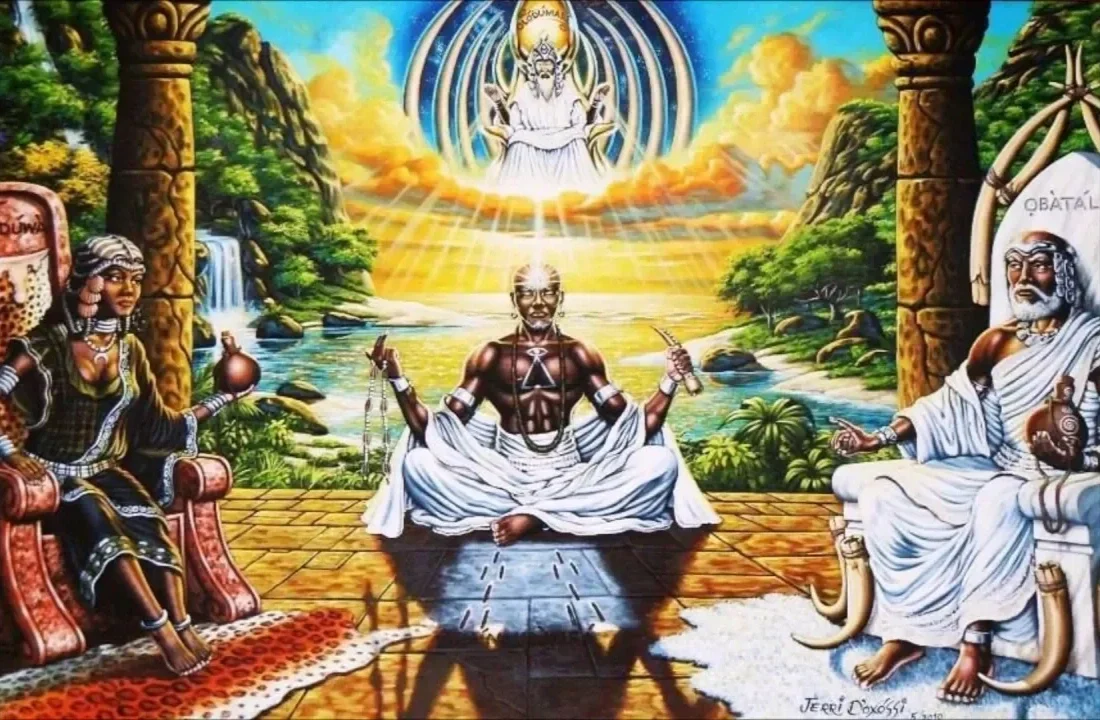
2. Orunmila – The Orisha of Wisdom and Divination
Guardian of Ifá, the Yoruba system of divination.
He reveals the past, present, and future through Babalawos (priests).
Worshippers seek his guidance before making major life decisions.
🔹 Modern Influence: Orunmila’s wisdom is still sought today in Ifá divination, widely practiced in Yoruba communities and the diaspora.
3. Esu – The Trickster and Messenger
The gatekeeper between the divine and human realms.
A master of duality: he can bring fortune or mischief.
He carries prayers to the Orisha and ensures balance in the universe.
🔹 Modern Influence: Often misunderstood as "evil" due to colonial narratives, Esu remains a powerful symbol of justice, change, and communication.
4. Ogun – The Warrior and God of Iron
Patron of blacksmiths, warriors, and technology.
Symbolizes raw power, transformation, and hard work.
He clears obstacles, both physical and spiritual.
🔹 Modern Influence: Ogun’s energy is invoked by soldiers, engineers, and those who work with metal or machinery.

5. Sango – The God of Thunder and Justice
A former warrior king of the Oyo Empire, later deified.
Governs thunder, lightning, and masculine energy.
Embodies charisma, leadership, and fierce justice.
🔹 Modern Influence: His legacy lives on in Afro-Caribbean religions and festivals like the Oṣun Festival in Osogbo, Nigeria.
6. Oṣun – The Goddess of Love and Rivers
Orisha of fertility, beauty, and fresh water.
She embodies sensuality, creativity, and healing.
Often associated with sweet waters (rivers) and wealth.
🔹 Modern Influence: Oṣun is widely venerated in both Nigeria and the diaspora, especially in Brazil’s Candomblé religion, where she is known as Oxum.
7. Yemoja – The Mother of All Waters
The divine mother of all Orisha.
Governs the ocean, motherhood, and feminine energy.
Protects women, especially during childbirth.
🔹 Modern Influence: In Afro-Caribbean and Brazilian traditions, she is often depicted as a mermaid and remains one of the most celebrated Orisha.
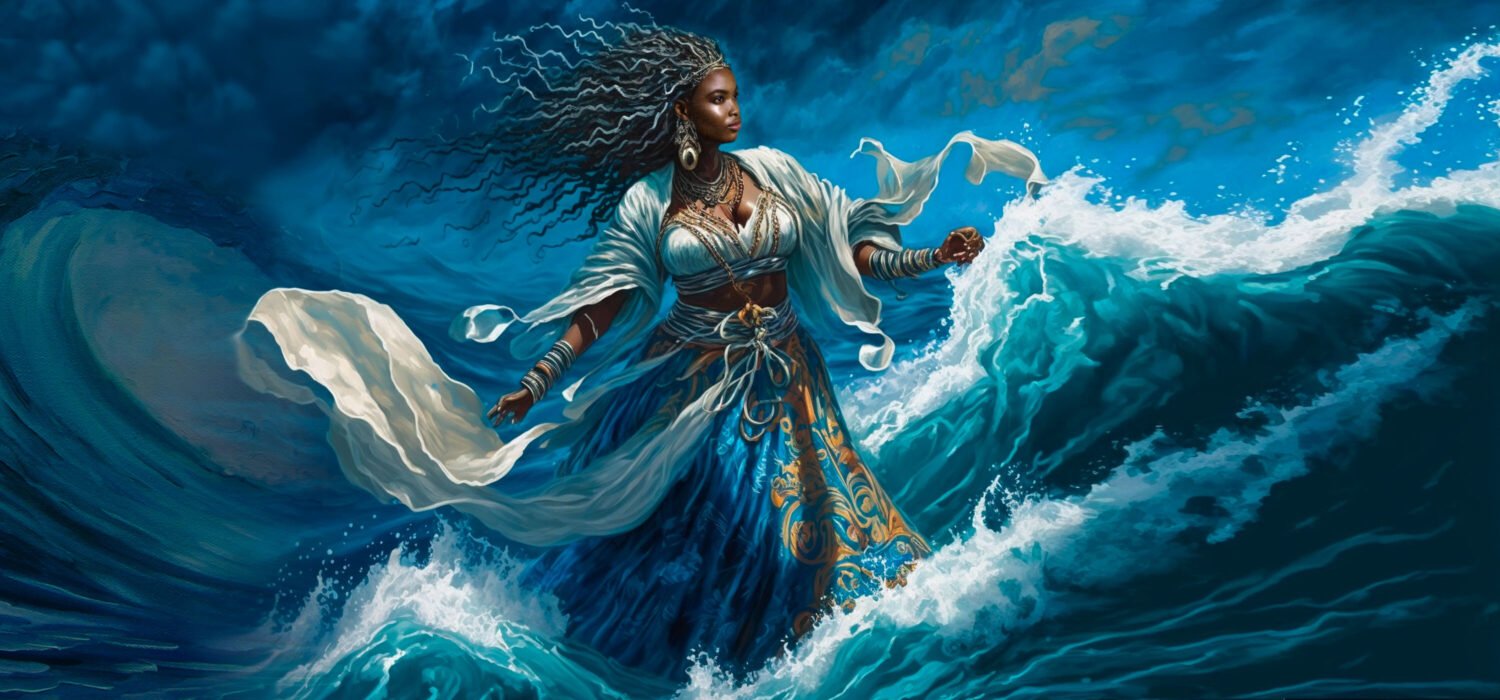
8. Ọya – The Goddess of Storms and Transformation
Governs the winds, storms, and change.
A fierce warrior, she fights alongside Sango.
Associated with death, rebirth, and transition.
🔹 Modern Influence: Ọya is revered in feminist and spiritual circles as a symbol of power and transformation.
How the Orisha Influence the Modern World
Despite centuries of colonization and religious suppression, the worship of Orisha has not only survived but thrived. Their influence can be seen in:
✅ Music & Dance – Yoruba drum rhythms have shaped Afrobeat, Cuban salsa, and Brazilian samba.
✅ Diasporic Religions – Santería in Cuba, Candomblé in Brazil, and Vodou in Haiti all stem from Yoruba traditions.
✅ Festivals & Rituals – The Oṣun-Osogbo Festival, celebrated in Nigeria, attracts thousands annually.
✅ African Spiritual Revival – Many Africans and Afro-descendants are reconnecting with Orisha worship, reclaiming their ancestral heritage.
Final Thoughts
The Yoruba Orisha pantheon remains one of the most dynamic spiritual systems in the world. These deities, once venerated in ancient kingdoms, now hold a global presence, guiding millions of people in their daily lives.
P.S. As the Yoruba say, "Bi a ba fi ọwọ́ wẹ ọwọ́, ọwọ́ á tún mọ́"—("When one hand washes the other, both become clean"). In other words, honoring our traditions ensures they will continue to guide us into the future.
🔥 Have you ever felt connected to an Orisha? Drop a comment and share your experience!