
Pondu (Saka-Saka): How Lingala Homes Turn Cassava Leaves Into Comfort Food
By: Chimdindu Ken-Anaukwu
In Lingala-speaking homes, Pondu is not just food; it is memory, identity, and quiet pride on a plate. The smell alone can transport you to a Kinshasa kitchen, a Brazzaville backyard, or a village where pots simmer slowly and arguments break out over who cooks it best. Everyone eats Pondu. Everyone loves Pondu. And every Lingala family will swear, with their whole chest, that their method is the only correct one.
What Is Pondu (Also Called Saka-Saka)?
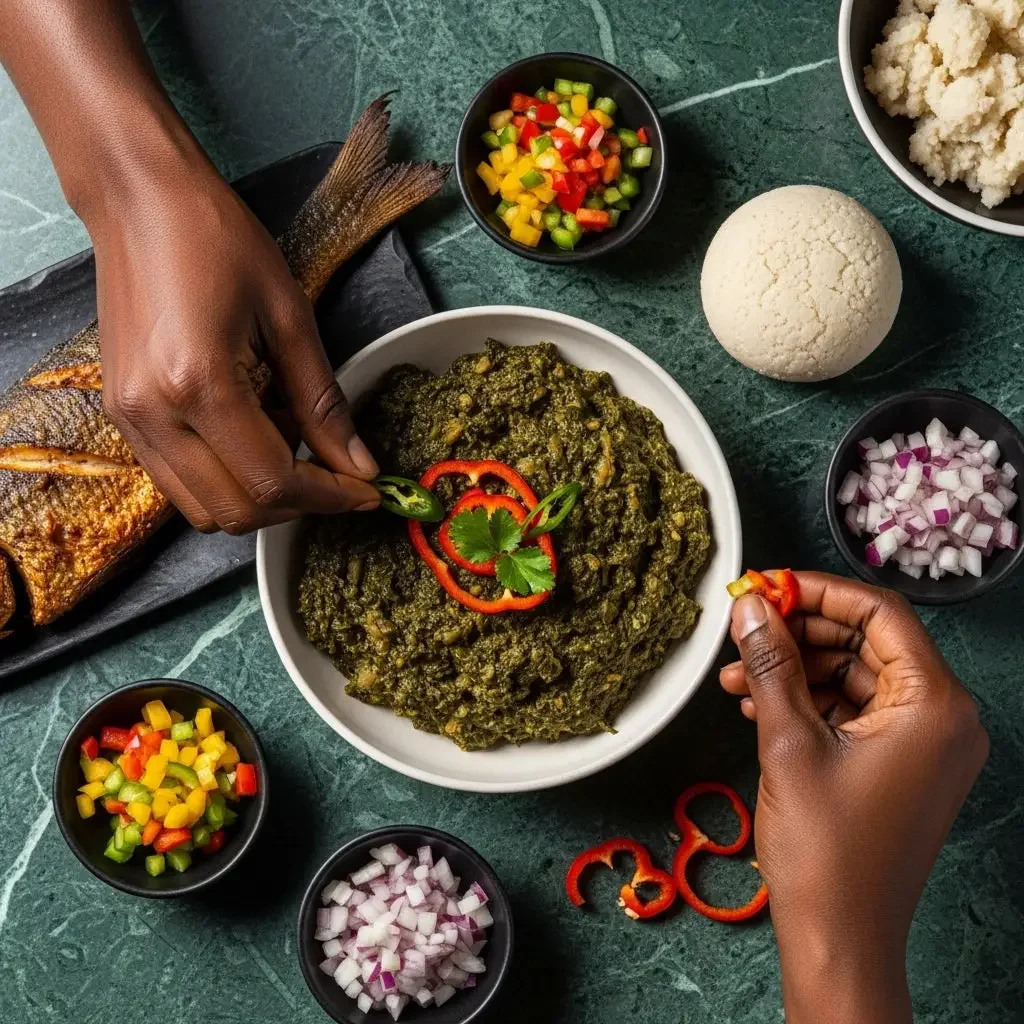
Pondu, known in some regions as Saka-Saka, is a rich dish made from finely pounded cassava leaves, cooked slowly with palm oil and layered flavors. Across the Democratic Republic of Congo and the Republic of Congo, it is a staple: humble, nourishing, and deeply respected.
But here’s the truth outsiders often miss: Pondu is simple in ingredients but unforgiving in technique. One wrong step, and the leaves turn bitter. One shortcut, and the flavor collapses.
Why Pondu Matters in Lingala Culture
Pondu is comfort food in the truest sense. It shows up:
At family lunches
At celebrations
When money is tight
When someone comes home after a long time away
In Lingala culture, Pondu represents care. It takes time. It requires patience. You don’t rush Pondu, and you don’t serve bad Pondu without hearing about it.
There’s even an unspoken rule: if someone cooks good Pondu, they are respected.
The Great Pondu Debate: Why Every Family Has “The Right Way”
Ask ten Lingala speakers how to cook Pondu and you’ll get ten passionate answers.
Some arguments that have ended friendships:
Should you add onions early or late?
Palm oil first or after boiling?
Fish or no fish?
Ground crayfish or leave it out?
These debates are not jokes, they are cultural battles. Because Pondu is personal.
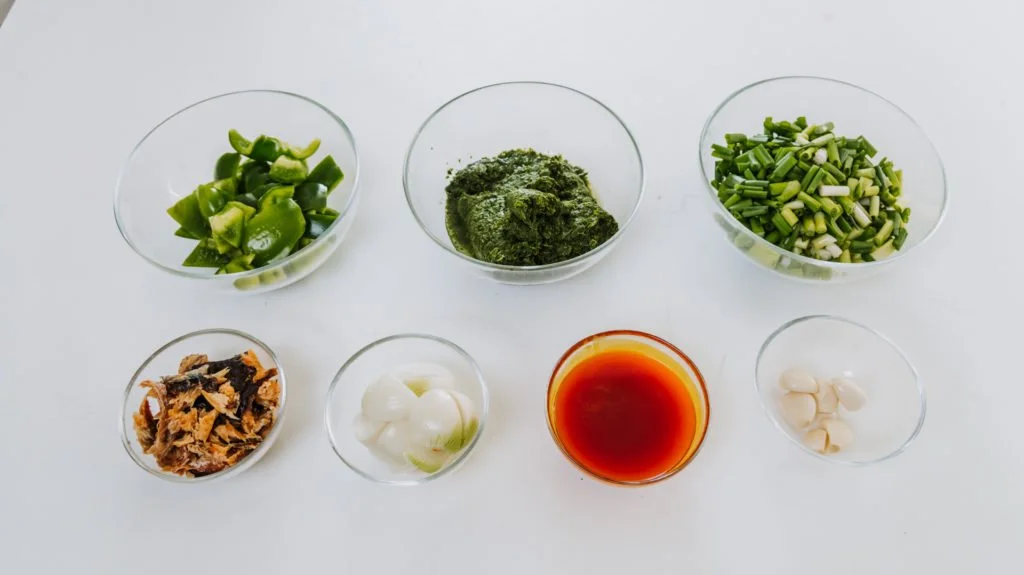
Ingredients for Authentic Lingala-Style Pondu
Fresh cassava leaves (pounded very smooth)
Palm oil
Onions (finely chopped)
Garlic (optional but controversial)
Smoked fish or dried fish (optional)
Ground crayfish (optional)
Salt to taste
Water
No tomatoes. No curry powder. If you see that, walk away.
How Lingala Homes Cook Pondu (Step-by-Step)
1. Boil the Cassava Leaves
The pounded leaves are boiled thoroughly to remove bitterness. This step cannot be rushed.
2. Drain and Simmer Again
After boiling, the leaves are drained and returned to the pot with fresh water to simmer.
3. Add Palm Oil Slowly
Palm oil is added gradually, not dumped. This is where the flavor deepens.
4. Build the Flavor
Onions, fish, crayfish, and salt are added and allowed to melt into the leaves.
5. Low Heat, Long Patience
Pondu is cooked slowly until the oil rises slightly and the texture becomes smooth and rich.
If it tastes bitter, you didn’t cook it long enough.
How Pondu Is Eaten
Pondu is almost never eaten alone. It is paired with:
Kwanga (cassava bread)
Fufu
White rice
Boiled plantain

In Lingala households, people will argue about the best pairing with the same energy used to argue about football.
Lingala Kitchen Words You’ll Hear When Cooking Pondu
Kolamba – to cook
Kotumba – to heat or fry
Kosangisa – to mix
Tika esika – leave it to sit
Learning Lingala through food is natural because kitchens are where the language lives.
Why Pondu Tastes Better at Home
Pondu cooked at home carries something restaurants can’t reproduce: familiarity. The pot is watched. The cook tastes constantly. Corrections are made quietly.
That’s why Lingala people will always say:
Pondu ya ndako eleki nyonso.
(Home Pondu beats everything.)
Learn Lingala Through Culture on NKENNE
Pondu teaches patience. Lingala teaches connection.
On the NKENNE platform, Lingala is now available, so you can learn the language the way it’s truly spoken, understood, and lived.
If you want to understand Lingala culture, start with the food. If you want to understand the food, learn the language.

FAQs
Is Pondu the same as Saka-Saka?
Yes. The names vary by region, but the dish is the same cassava-leaf preparation.
Why must cassava leaves be cooked so long?
Proper cooking removes natural bitterness and makes the leaves safe and flavorful.
Can Pondu be cooked without palm oil?
Technically yes; culturally, no. Palm oil defines the dish.