
Ndizi za Nazi: Bananas in Coconut Milk the Swahili Way
By: Chimdindu Ken-Anaukwu
If Swahili cuisine had a hug, Ndizi za Nazi would be it.
This simple yet deeply satisfying dish, bananas cooked gently in coconut milk, is one of the most recognizable forms of Swahili comfort food across the East African coast. From Zanzibar to Mombasa, from Lamu to Dar es Salaam, Ndizi za Nazi shows up quietly, without ceremony, yet with serious emotional weight.
It’s served to children because it’s soft, nourishing, and naturally sweet. It’s served to guests because coconut milk (nazi) is a sign of care, generosity, and respect in Swahili culture. In short: if someone cooks Ndizi za Nazi for you, they like you.
What Is Ndizi za Nazi?
Ndizi za Nazi literally means bananas of coconut in Swahili.
Ndizi = bananas
Nazi = coconut (or coconut milk)
But this isn’t dessert-bananas. This dish traditionally uses green or semi-ripe cooking bananas, simmered slowly in fresh coconut milk until tender, fragrant, and slightly savory-sweet.
In many Swahili homes, Ndizi za Nazi is eaten as:
A light main meal
A comfort dish for children
A gentle guest meal served with warmth and humility
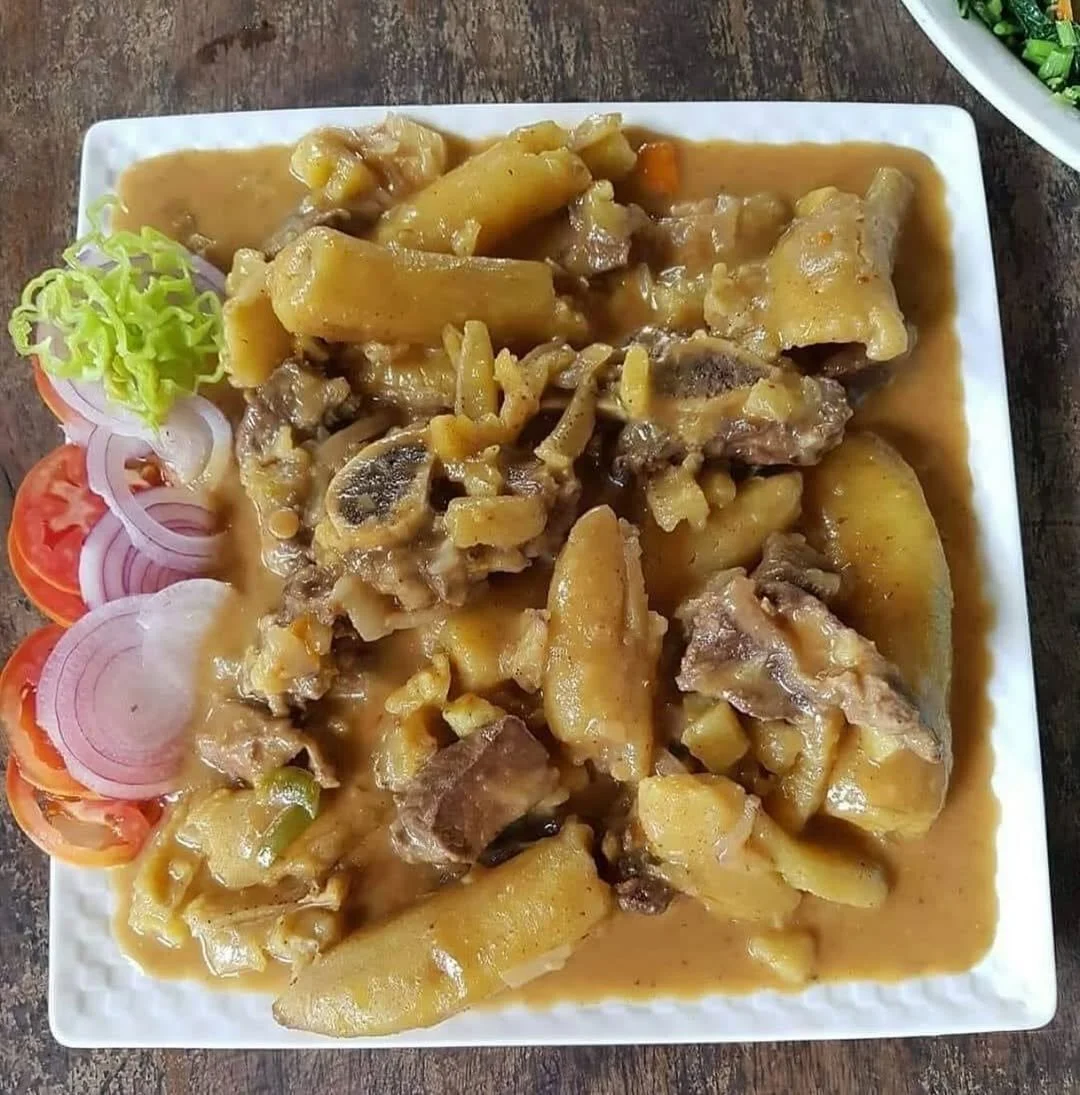
Why Ndizi za Nazi Is Served to Kids and Guests
In Swahili culture, food is language.
👶 For Children
Ndizi za Nazi is:
Easy to chew
Naturally sweet (no sugar needed)
Filling but gentle on the stomach
Parents often introduce it early because it feels like home in a bowl.
🧑🏽🤝🧑🏽 For Guests
Coconut milk is not casual food. Extracting it takes effort: grating coconuts, squeezing, straining. Serving bananas in coconut milk tells your guest:
“You matter. Karibu.”
This is why Ndizi za Nazi is a quiet symbol of Swahili hospitality.
Authentic Ndizi za Nazi Recipe (Step by Step)
🥥 Ingredients
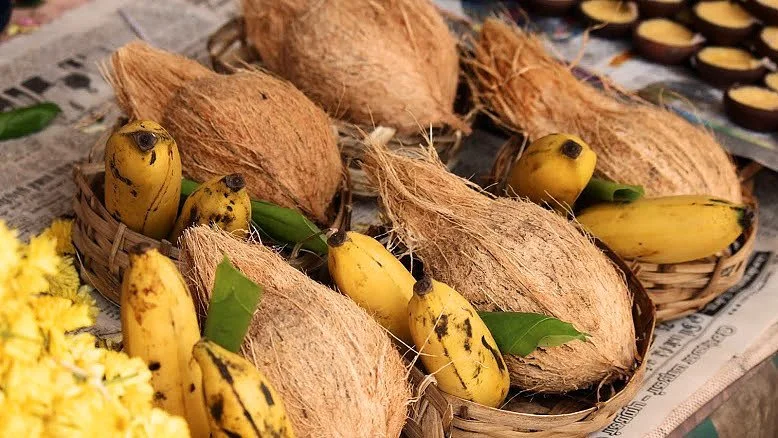
6–8 green or semi-ripe bananas (ndizi za kupika)
2 cups fresh coconut milk (maziwa ya nazi)
1 small onion, finely sliced
1 tablespoon coconut oil or vegetable oil
Salt to taste
Optional: a pinch of turmeric or cardamom (coastal homes argue about this 😄)
🍲 Method
Peel and cut the bananas into thick chunks. Set aside.
Heat oil in a pot and lightly sauté the onions until soft—not browned.
Add the bananas and gently stir for 1–2 minutes.
Pour in the coconut milk until the bananas are just covered.
Add salt (and spice if using).
Simmer on low heat for 20–25 minutes.
Do not rush. Ndizi za Nazi is not in a hurry.
The sauce should thicken slightly, coating the bananas without breaking them.

How Ndizi za Nazi Is Traditionally Served
Depending on the household, Ndizi za Nazi may be served:
On its own
With plain rice
Alongside fish or beans
But the classic Swahili way? A quiet bowl, a spoon, and no distractions.
Swahili Food Words You’ll Hear Around This Dish
Ndizi — Bananas
Nazi — Coconut
Maziwa ya nazi — Coconut milk
Chumvi — Salt
Pika polepole — Cook slowly
Karibu ule — You’re welcome to eat
If someone says “Kula kidogo tu”, don’t be fooled. Eat properly.
Cultural Note: Why Simple Dishes Matter in Swahili Cuisine
Swahili food is not about excess. It’s about balance.
Ndizi za Nazi reflects a broader Swahili philosophy:
Food should nourish
Food should calm
Food should bring people together
That’s why this Swahili coconut banana dish has survived generations without needing upgrades, trends, or hashtags.

FAQs About Ndizi za Nazi
Is Ndizi za Nazi sweet or savory?
It sits beautifully in between; naturally sweet from bananas, grounded by coconut milk and salt.
Can ripe bananas be used?
Traditionally no. Cooking bananas hold their shape better and give the right texture.
Is Ndizi za Nazi a dessert?
In Swahili culture, it’s a meal: soft, comforting, and filling.
Is this dish common across East Africa?
Yes, especially along the Swahili coast in Kenya and Tanzania.
Learn the Language That Lives Inside the Food
Swahili food carries Swahili language, rhythm, and values.
If you want to understand dishes like Ndizi za Nazi, Pilau ya Kiasi, and Samaki wa Kupaka, not just eat them, start learning Swahili the cultural way.

👉 Download NKENNE and learn Swahili through real food, real stories, and real life.
Karibu mezani. 🍌🥥