
By: Chimdindu Ken-Anaukwu
Around the year 1700, scattered Akan chiefdoms in what is now Ghana came together to form one of West Africa’s most formidable powers. This was the birth of the Asante Empire, led by the visionary Osei Tutu and his spiritual advisor Okomfo Anokye. Their partnership, sealed by the legendary Golden Stool, transformed a collection of states into a centralized, militarily strong kingdom that dominated trade and resisted external forces for centuries. In this post, you will discover how they did it, the significance of the Golden Stool, and why this story still inspires today.
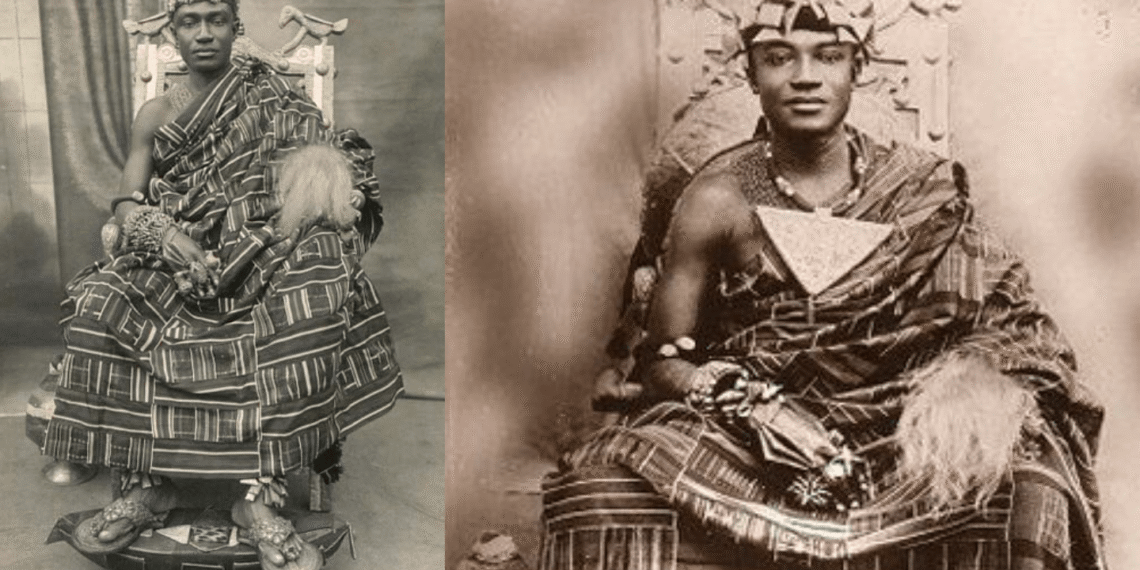
The State of the Akan People Before Unity
Before 1700, the Akan groups in the forest region lived in small chiefdoms. They faced constant threats from neighbors like the Denkyira, who demanded tribute and controlled gold trade routes.
Disunity made them vulnerable. Osei Tutu, from the Oyoko clan, saw the need for a strong alliance. With the help of the priest Okomfo Anokye, he began the work of unification.
Osei Tutu and Okomfo Anokye: The Perfect Partnership
Osei Tutu was a skilled warrior and leader. Okomfo Anokye was a powerful spiritual figure known for wisdom and rituals.
Together they combined political strategy with spiritual authority. Anokye provided the ideological foundation while Osei Tutu handled military and administrative matters. Their collaboration proved essential for success.
The Miracle of the Golden Stool
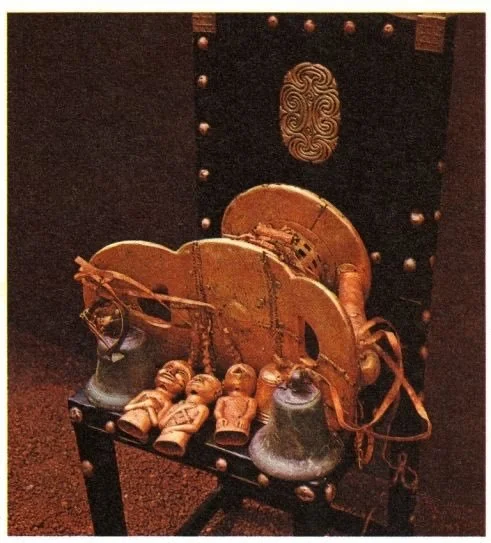
During a great assembly, Okomfo Anokye is said to have called down the Golden Stool (Sika Dwa Kofi) from the sky. It landed gently in Osei Tutu’s lap.
This sacred object became the soul of the new nation. It symbolized the collective spirit of the Asante people: living, dead, and unborn. Chiefs swore allegiance to it, creating unbreakable unity.
The stool never touches the ground, and no one ever sits on it. It remains the most sacred symbol in Asante culture.
Military Innovations That Built an Empire
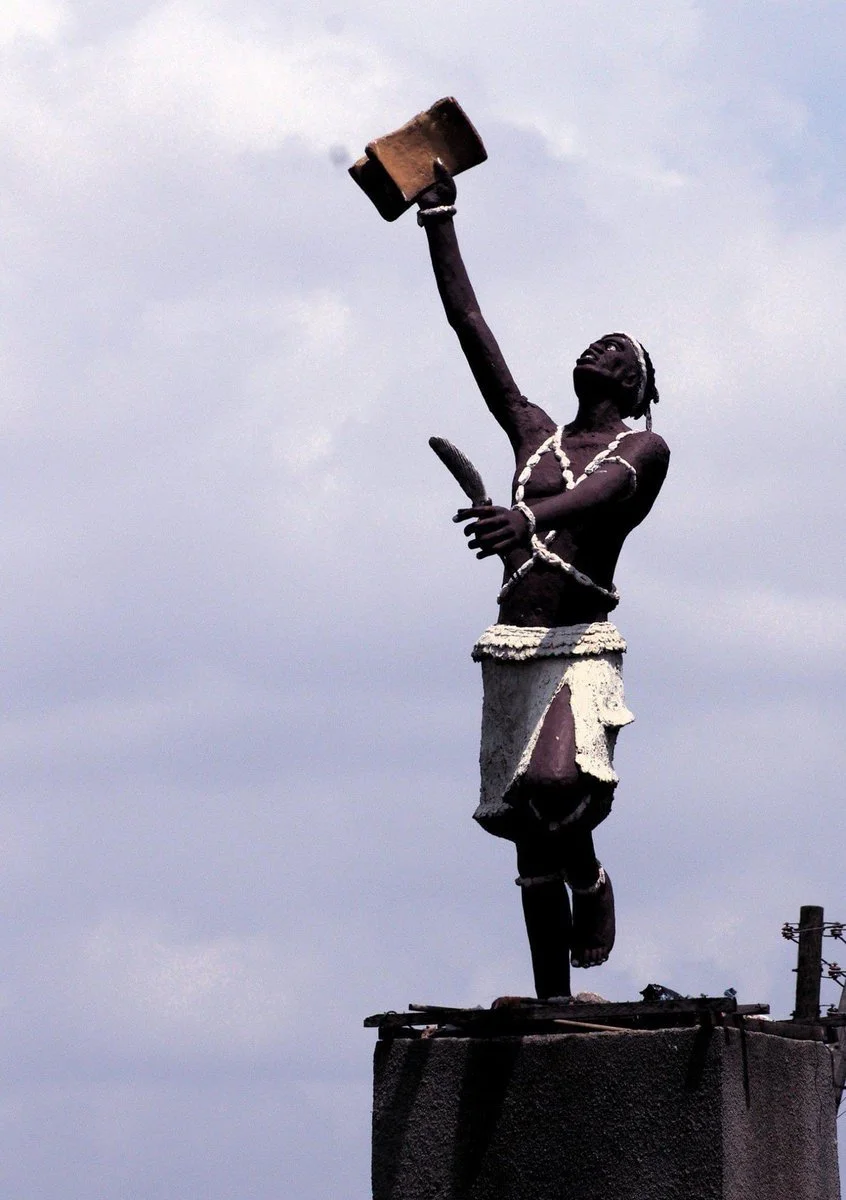
The Asante developed a highly organized army. They used the “Asante Kotoko” formation (porcupine style) with warriors advancing in coordinated groups.
They adopted flintlock guns obtained through trade and trained specialized units. Scouts, engineers, and supply lines gave them strategic advantages. This professional approach helped them defeat Denkyira and expand rapidly.
Expansion, Trade, and Power
With unity and military strength, the Asante controlled key gold and kola nut trade routes. Kumasi became a thriving capital.
The empire extended influence across much of present-day Ghana and parts of neighboring countries. They built roads, centralized administration, and a sophisticated legal system based on respect for the Golden Stool.
Legacy of the Asante Empire Today
The Asante Empire’s spirit lives on through the Asantehene, festivals like Akwasidae, and cultural pride. It proved African states could be powerful, organized, and resilient against outside pressures.
Modern Ghanaians draw inspiration from this history of unity and innovation.
FAQs About the Rise of the Asante Empire
Who was Osei Tutu?
Osei Tutu was the first Asantehene. He is credited with founding the Asante Confederacy and uniting the Akan states.
What is the Golden Stool?
It is the sacred throne that symbolizes the soul of the Asante nation. Legend says it descended from the sky during the founding.
How did Okomfo Anokye contribute?
As a high priest and advisor, he provided spiritual legitimacy, performed key rituals, and helped design the new government structure.
What made the Asante army strong?
Organized formations, firearms trade, specialized units, and strong leadership allowed them to defeat larger or better-equipped forces.
Does the Asante kingdom still exist?
The Asante Kingdom continues as a traditional authority within modern Ghana, with the Asantehene playing an important cultural and developmental role.
Why is this history important?
It shows African ingenuity, unity, and resistance. It remains a source of pride and lessons for leadership today.
Conclusion
Osei Tutu and Okomfo Anokye turned division into strength through vision, spirituality, and smart strategy. The Golden Stool they established still binds the Asante people together centuries later. Their story reminds us that great nations are built on unity and shared purpose.
If you want to explore more of this inspiring Twi and Asante heritage, including language lessons that bring the history alive, NKENNE offers authentic guides, audio resources, and a supportive community. Start learning today. Medaase for reading. The spirit of the Asante Empire continues.