
Igbo Origins: What Oral History and Archaeology Reveal About Where Ndigbo Came From
By: Chimdindu Ken-Anaukwu
Where did the Igbo people come from? This question has sparked countless conversations, debates, and theories. Some stories speak of distant lands. Others point to deep roots right here in southeastern Nigeria.
The truth is more layered. Oral history, archaeology, and modern scholarship together paint a picture of a people with ancient local foundations and rich cultural development over many centuries.
In this article, you will explore the main migration theories, the powerful influence of Nri, the groundbreaking finds at Igbo-Ukwu, and what the evidence currently shows about the deep roots of Igbo civilization.
Why Igbo Origins Matter
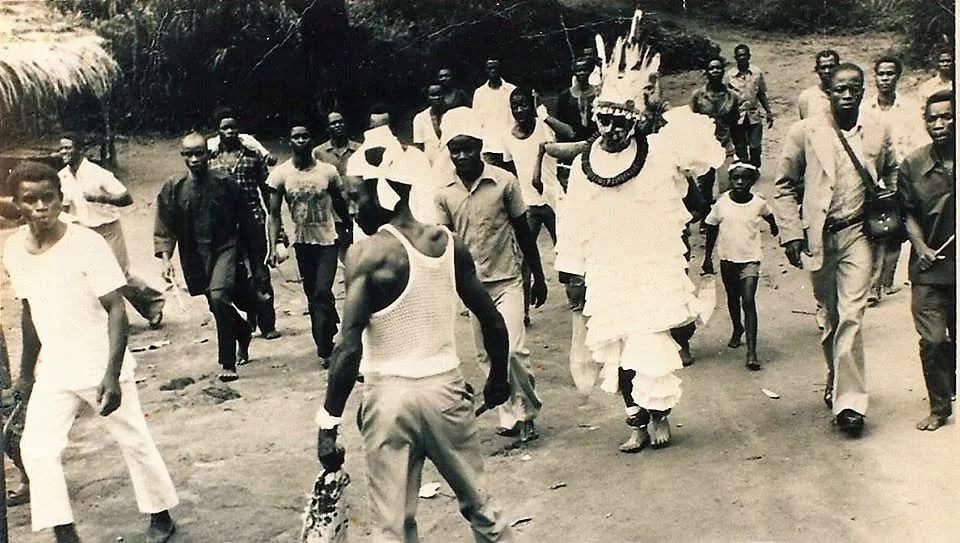
Questions of origin shape identity, pride, and how a people understand their place in history. For Ndigbo, these discussions connect the past to present cultural strength.
Igbo communities never shared one single origin story. Different towns and clans preserved their own traditions. Historians treat these accounts as valuable cultural records rather than one unified migration narrative.
Oral Traditions and the Story of Eri
Many communities in northern Igboland, especially around Aguleri and Nri, preserve oral traditions about a founding figure named Eri. In these accounts, Eri is described as a sky being sent by Chukwu (the Supreme God) to bring order and civilization. He is said to have settled near the confluence of the Omambala (Anambra) and Niger rivers. His descendants are linked to several important towns, including Aguleri, Nri, and others.
These stories emphasize spiritual leadership, moral order, and the beginnings of organized society. They remain central to how many Igbo people understand their ancestral foundations.
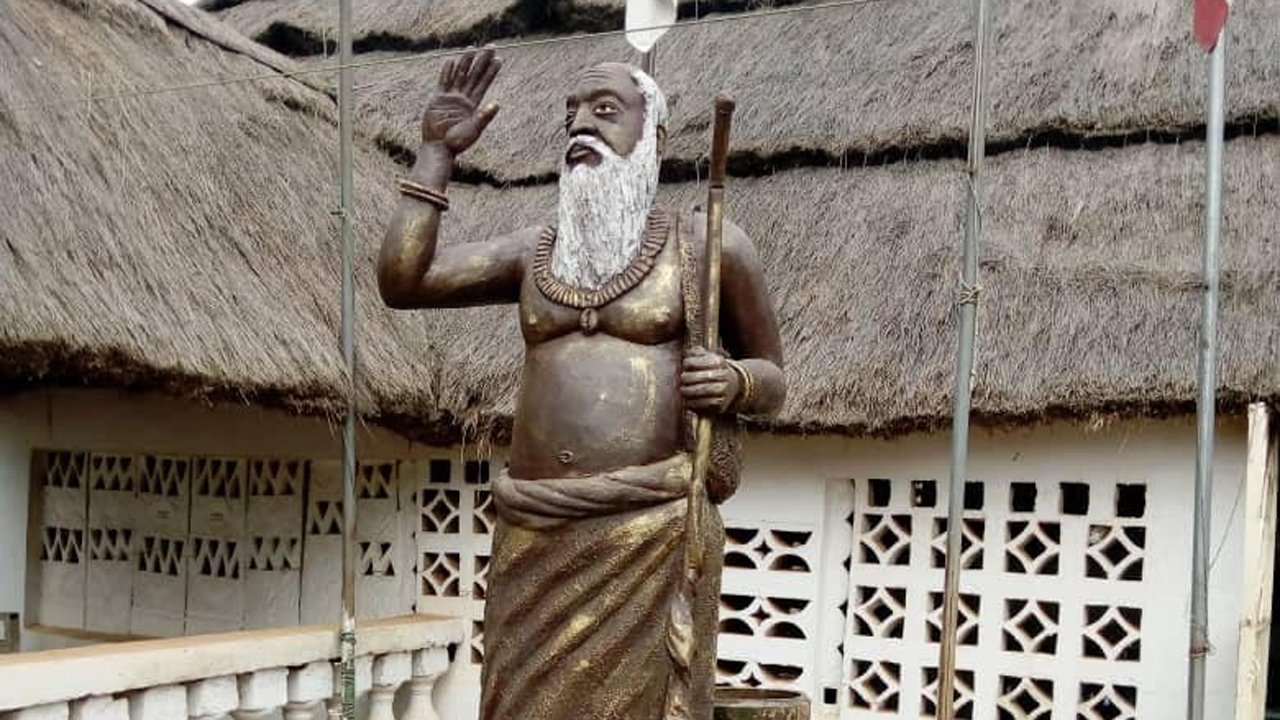
In Aguleri, a sacred site known as Obu Gad (also called Obu-Gad or Obuga) is closely associated with this tradition. Local history presents it as a place dedicated to Gad, the father of Eri, and it continues to play a role in certain traditional rites and kingship ceremonies.
Some modern interpretations identify Eri with the biblical Eri, son of Gad (Genesis 46:16), and view Obu Gad as supporting evidence of an Israelite origin. This view is popular in certain circles. At present, mainstream archaeological, linguistic, and genetic research does not support a Middle Eastern or Israelite origin, and claims of ancient Hebrew texts at the site lack independent scholarly confirmation. That said, the absence of verification today does not close the door. Future research and discoveries could yet provide new evidence that strengthens or reshapes what we currently know.
The Nri Influence
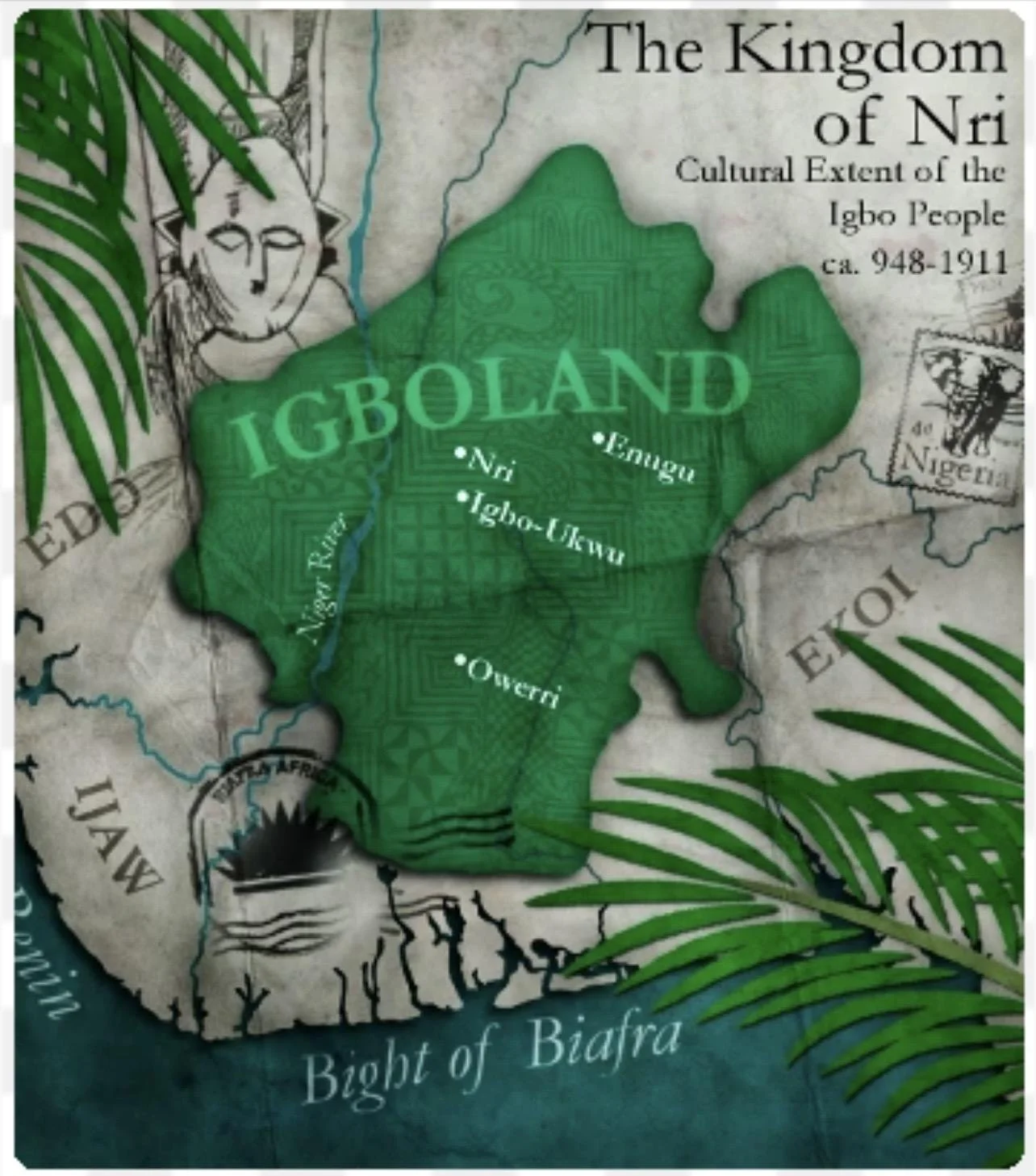
The Kingdom of Nri grew as a center of ritual and moral authority rather than military power. The Eze Nri held spiritual influence that spread across large parts of Igboland.
Nri traditions helped shape ideas about purity, taboos, title systems, and peaceful conflict resolution. Many communities looked to Nri for ritual guidance and cultural models.
Historians view Nri as a major force in the development of shared Igbo identity and institutions, even if not every Igbo community traces direct descent from it.
What Archaeology Reveals
Archaeology provides some of the strongest physical evidence of early Igbo civilization.
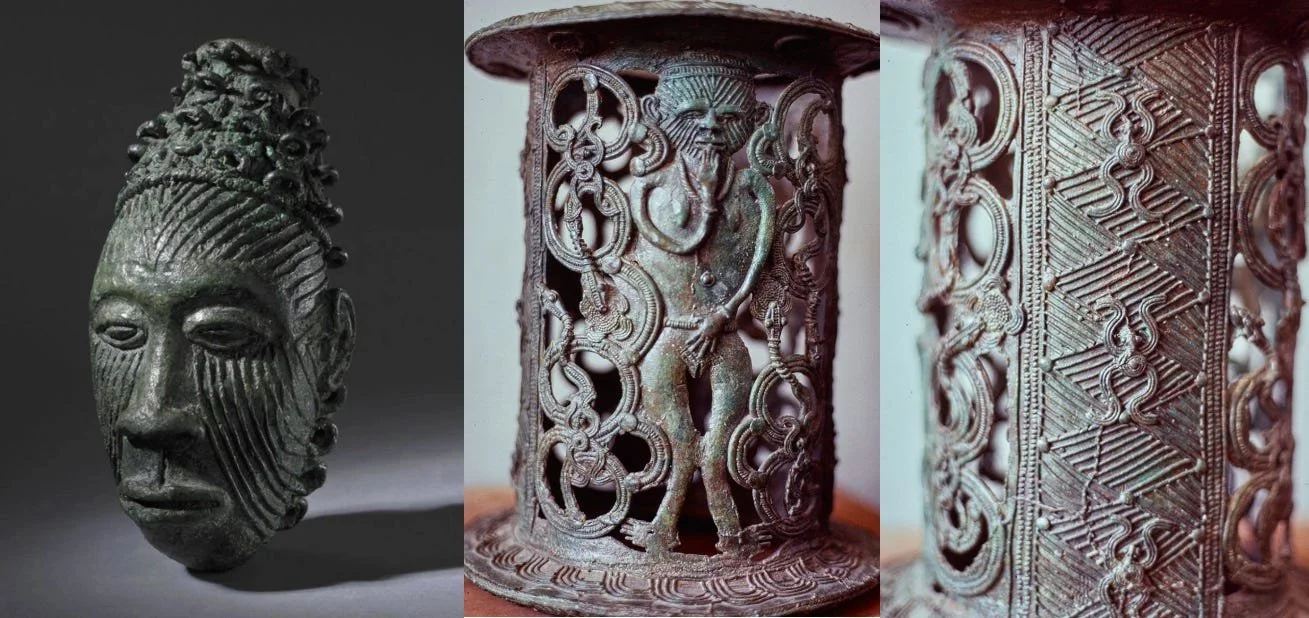
The most famous site is Igbo-Ukwu in present-day Anambra State. Excavations uncovered elaborate bronze and copper objects, thousands of glass and carnelian beads, ivory, and an elite burial dating roughly to the 9th–13th centuries.
These finds show advanced metalworking skill, social complexity, and long-distance trade connections centuries before European contact. The craftsmanship was highly sophisticated and developed locally.
Other sites in the Nsukka and Afikpo areas reveal early pottery, ironworking, and settled life going back much further. Evidence of farming and iron production appears well before the Common Era in parts of the region.
Major Theories of Igbo Origin
Several theories have been proposed over time:
Indigenous (Autochthonous) Theory: The ancestors of the Igbo developed within southeastern Nigeria over thousands of years. This view currently has the strongest support from archaeology, linguistics, and genetics.
Nri-Centered Theory: Emphasizes Nri and the Eri tradition as the cultural heart from which key Igbo institutions spread.
Migration Theories: Some traditions speak of movement from neighboring regions or gradual internal dispersal from core areas such as the northern Igbo plateau.
External Origin Theories: Older and still popular claims link the Igbo to Egypt, the Middle East, or the “lost tribes of Israel.” These remain subjects of ongoing discussion and belief, though they lack strong confirmation from current mainstream research.
The Indigenous View: Deep Local Roots
Most current scholars conclude that the Igbo people are indigenous to the lower Niger basin and surrounding forest zones of southeastern Nigeria.
Linguistic evidence places the Igbo language firmly within the Niger-Congo family of West Africa. Genetic studies also align the Igbo with broader West African populations.
Rather than a single dramatic migration from a distant land, the evidence points to long-term local development, internal movements, trade, and cultural exchange over many centuries.
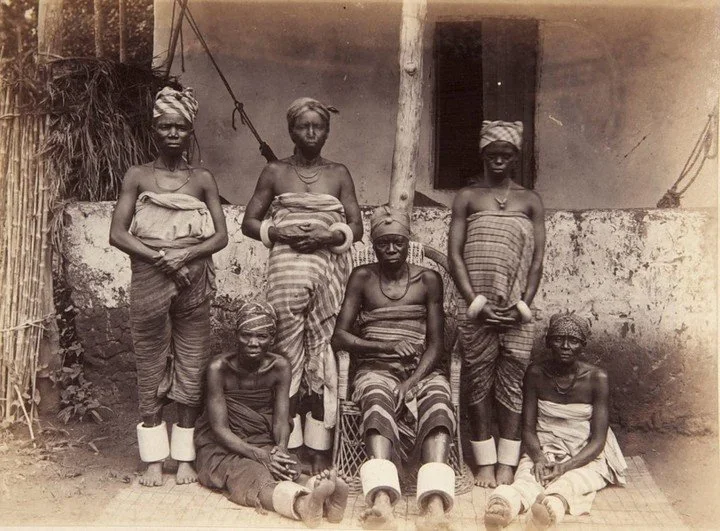
Pre-colonial Igbo women
What Modern Evidence Suggests
Putting the pieces together, a clear picture emerges from the available data:
The ancestors of today’s Igbo people lived in and around the southeastern Nigerian forest zone for a very long time. They developed farming, iron technology, complex social systems, and sophisticated art. Centers like Nri provided spiritual and cultural leadership. Sites like Igbo-Ukwu prove the existence of advanced, connected societies by the 9th century.
Igbo civilization did not arrive fully formed from elsewhere. It grew deep roots in the land that Ndigbo still call home. At the same time, oral traditions and sites such as Obu Gad keep alternative interpretations alive, and future discoveries may yet add new layers to the story.
Frequently Asked Questions
Did the Igbo come from Israel or Egypt?
Popular theories suggest this connection, especially through the figure of Eri and the site of Obu Gad in Aguleri. However, current mainstream archaeological, linguistic, and genetic evidence does not confirm a Middle Eastern or Egyptian origin. The possibility remains open for future research to provide stronger verification.
What is the significance of Igbo-Ukwu?
It is one of the most important archaeological sites in West Africa. The 9th–13th century bronzes and beads show advanced local technology and long-distance trade.
Was Nri the origin of all Igbo people?
Nri was highly influential culturally and spiritually, but it was not the single source of all Igbo communities. Many groups have their own local origin traditions.
How old is Igbo civilization?
Evidence of settled life, pottery, and ironworking in the region goes back thousands of years. The sophisticated culture seen at Igbo-Ukwu dates to at least the 9th century.
Why are there so many different origin stories?
Igbo society was decentralized. Different communities preserved their own histories. Historians value these traditions for what they reveal about identity and relationships rather than treating them as one single literal account.
What do genetics say about Igbo origins?
Genetic studies place the Igbo within the broader West African genetic landscape, consistent with long-term residence in the region.
Conclusion
The search for Igbo origins reveals a people with deep, local roots and a rich capacity for cultural development. Oral traditions keep the memory of figures like Eri and the influence of Nri alive. Archaeology confirms the existence of sophisticated societies centuries ago. Sacred sites such as Obu Gad continue to hold meaning for many.
Together, these sources show that Ndigbo built a lasting civilization in the land they still inhabit. While some questions remain open and future research may bring new insights, the available evidence already offers a powerful foundation for cultural pride and understanding.
Ready to explore more of Igbo history, language, and identity? With NKENNE, the first African language learning app, you can learn practical Igbo while discovering the stories that shaped Ndigbo. Download today and deepen your connection to this rich civilization.