
By: Chimdindu Ken-Anaukwu
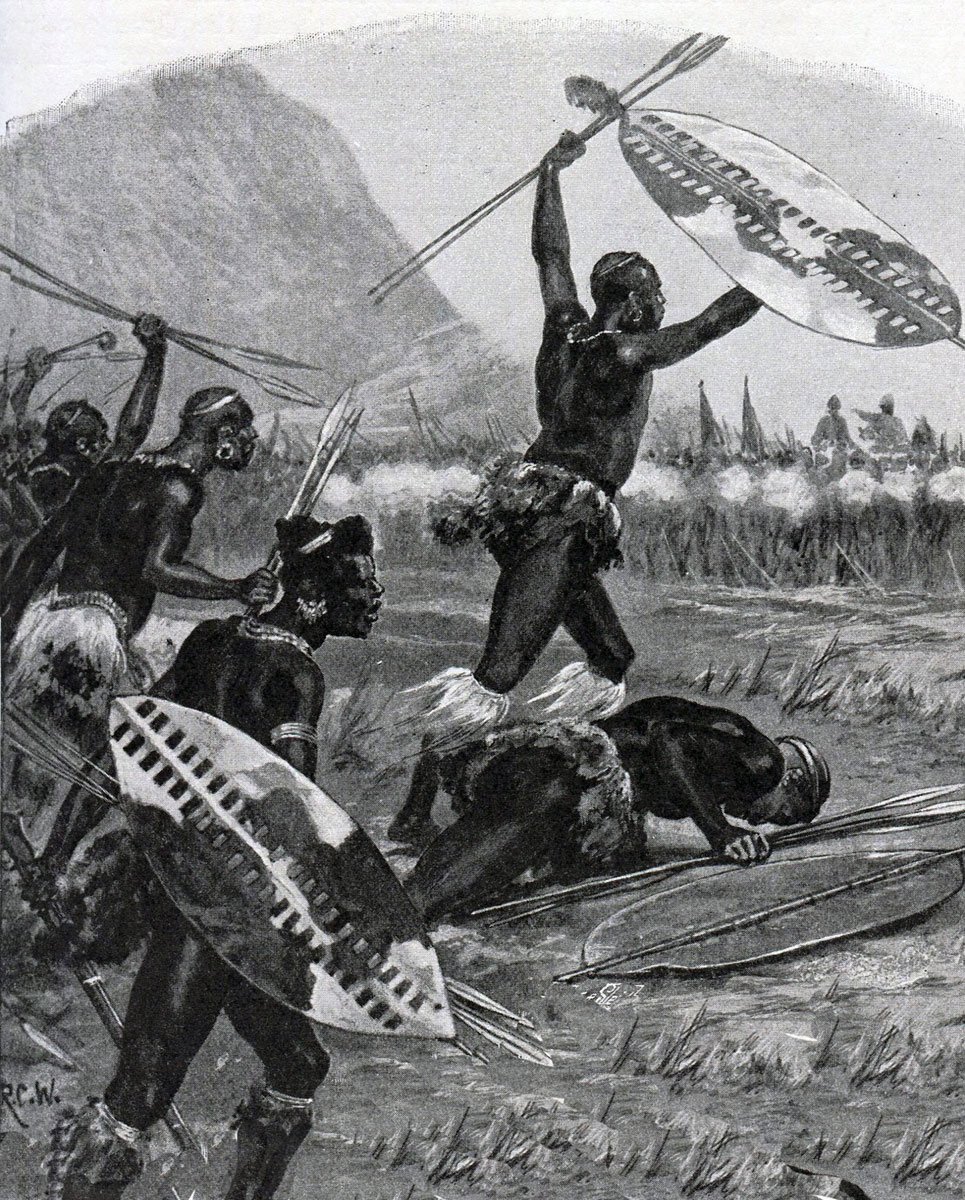
On 22 January 1879, a Zulu army achieved one of the most remarkable military victories in African history. At the foot of a distinctive rocky hill called Isandlwana, Zulu warriors overwhelmed a well-armed British force. The result shocked the British Empire and remains a powerful symbol of Zulu courage, strategy, and resistance. In this guide, you will learn what led to the battle, how it unfolded, why the Zulus succeeded, and why Isandlwana continues to inspire pride and reflection today.
Background: How the Anglo-Zulu War Began
In the late 1870s, British colonial authorities sought greater control over southern Africa.
They issued an ultimatum to King Cetshwayo that demanded the dismantling of the Zulu military system and other concessions.
When the Zulu kingdom refused, British forces invaded Zululand in January 1879.
Lord Chelmsford led the main column. His forces crossed the Buffalo River and set up a large camp at Isandlwana without properly fortifying it.
This decision would prove costly.
The Morning of 22 January 1879
Chelmsford left the camp with a large portion of his troops to search for the Zulu army.
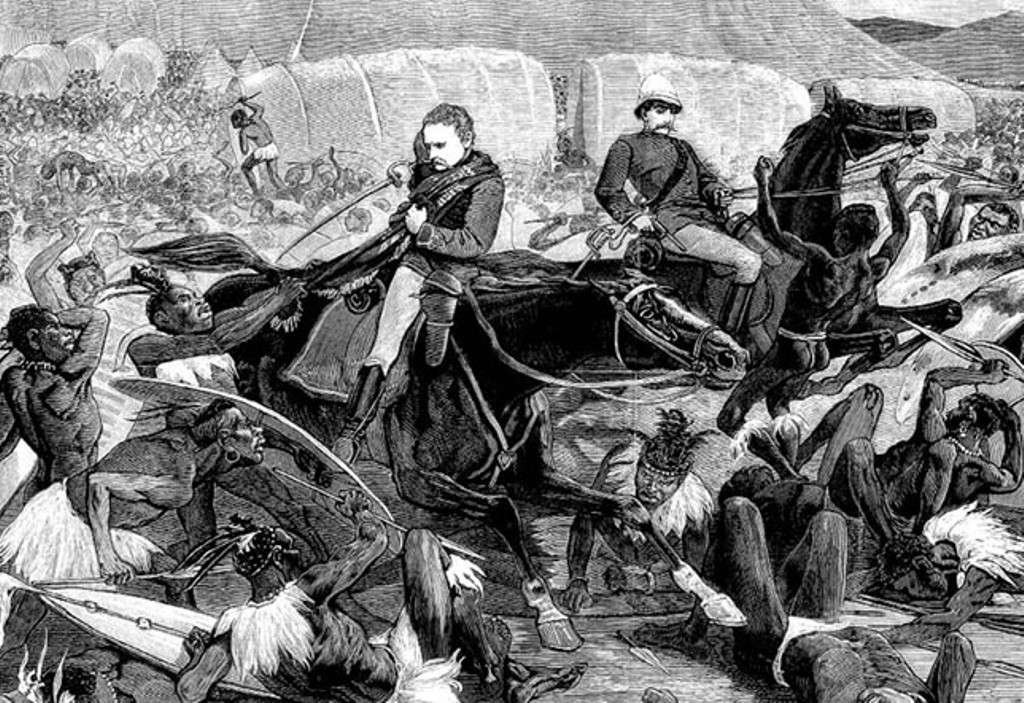
He left roughly 1,700 British and colonial soldiers, plus some African auxiliaries, under the command of officers including Lieutenant Colonel Anthony Durnford and Colonel Henry Pulleine.
Meanwhile, a Zulu force of around 20,000 warriors, led by experienced commanders such as Ntshingwayo kaMahole, had positioned itself nearby.
The Zulus launched a coordinated attack in the late morning.
What followed was a fierce and rapid engagement that lasted only a few hours.

Zulu Tactics That Turned the Tide
The Zulus used the classic “horns of the buffalo” formation.
The main body (the chest) advanced directly while the two horns swept around the flanks to encircle the British position.
Zulu warriors moved with speed and discipline. They used the terrain effectively and closed the distance quickly despite facing modern rifles and artillery.
British ammunition supply problems and the lack of a defensive perimeter made the situation worse.
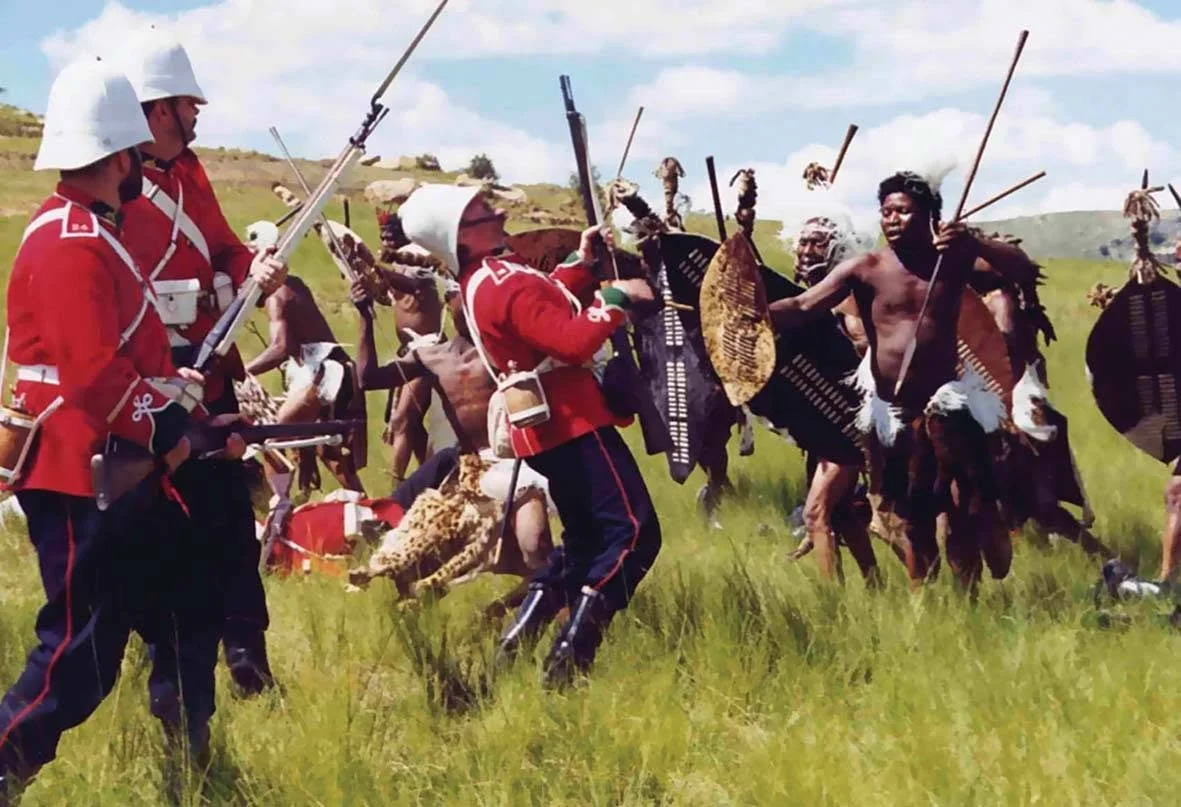
Many soldiers found themselves overwhelmed in close combat by Zulu warriors armed with spears (iklwa) and shields.
The Outcome and Immediate Aftermath
The British force at Isandlwana was almost completely destroyed.
More than 1,300 British and colonial troops were killed, along with hundreds of African auxiliaries.
Zulu losses were also significant, estimated in the hundreds to over a thousand, but the victory was clear.
News of the defeat stunned Britain. It forced a major shift in strategy and brought reinforcements to the region.
Later the same day, a much smaller British garrison successfully defended Rorke’s Drift. The war continued until the British eventually defeated the Zulu army at Ulundi in July 1879.
Why Isandlwana Still Resonates Today
Isandlwana remains a powerful symbol of African military achievement and resistance to colonial invasion.
It shows that disciplined indigenous forces using traditional tactics could defeat a technologically superior army.
For Zulu people, the battle represents courage, unity, and strategic brilliance under King Cetshwayo’s leadership.
The site itself is now a place of remembrance. Annual commemorations and visits keep the memory alive.
In broader South African and African history, Isandlwana stands as proof that colonial power was never absolute. It continues to inspire discussions about leadership, resilience, and the cost of freedom.
FAQs
Who led the Zulu forces at Isandlwana?
Experienced commanders under King Cetshwayo, most notably Ntshingwayo kaMahole, directed the attack.
How many soldiers fought on each side?
Approximately 20,000 Zulu warriors faced about 1,700 British and colonial troops left at the camp.
Why did the British lose despite better weapons?
Poor camp defenses, divided forces, ammunition issues, and the effective Zulu encirclement tactics all contributed to the defeat.
What happened after the battle?
The British reinforced their army and later defeated the Zulu forces at the Battle of Ulundi, ending the independent Zulu kingdom’s military power.
Is the battlefield open to visitors today?
Yes. The Isandlwana battlefield is a protected historic site with memorials and guided tours available.
Why do people still talk about Isandlwana?
It remains one of the most significant African victories against colonial forces and a source of cultural pride.
Final Thoughts on This Historic Victory
The Battle of Isandlwana was more than a military engagement. It was a moment when Zulu warriors demonstrated exceptional courage, organization, and tactical skill against a formidable empire. The victory came at a high cost and did not prevent the eventual British conquest, yet its meaning endures. For many, Isandlwana continues to represent the strength of a people determined to defend their land and way of life. Understanding this history deepens appreciation for Zulu resilience and the complex story of southern Africa.
Ready to Explore More Zulu History?
At NKENNE, we bring African histories and cultures to life through clear, engaging guides. Discover more about King Cetshwayo, Zulu military traditions, or other defining moments in our collection. Keep learning and connecting with this powerful heritage. Your journey into Zulu history continues with us.