
Funaná: Cape Verde's Rebel Rhythm That Defied Colonial Bans
By: Chimdindu Ken-Anaukwu
Imagine an accordion pumping out a wild, driving beat while a metal bar scrapes out sharp rhythms and dancers move with fierce energy. That is funaná, Cape Verde’s explosive accordion-driven dance music. Once banned by Portuguese colonial authorities as dangerous and “uncivilized,” it survived in secret gatherings and later became a powerful symbol of resistance and pride. In this guide, you will uncover funaná’s rural roots on Santiago island, the colonial repression it faced, its post-independence rebirth, and how it thrives today as a living force in Creole culture.
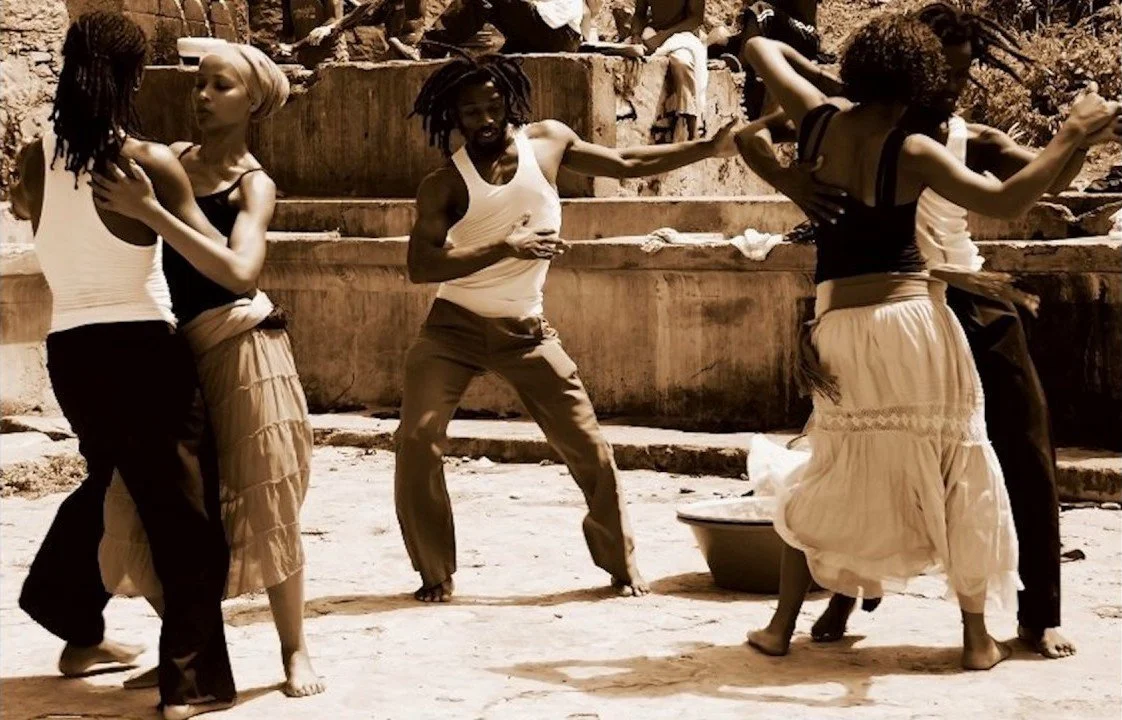
What Is Funaná?
Funaná is a fast, energetic dance music style born in the rural interior of Santiago island. It centers on the diatonic accordion (called gaita) and the ferrinho, a metal bar scraped with a knife or another piece of metal. The rhythm is driving and infectious, designed for dancing in large groups.
Unlike the melancholic morna, funaná is bold, physical, and full of life. Its lyrics often speak of everyday struggles, rural life, love, and quiet defiance. It remains one of the most African-rooted musical expressions in Cape Verde.
Origins on Santiago Island
Funaná developed among the Badiu communities in the mountainous interior of Santiago, descendants of people who resisted colonial control. The accordion arrived in the late 19th or early 20th century, possibly brought for church use or by returning workers. Cape Verdean musicians adapted it to local tastes, changing the tuning and pairing it with the ferrinho.
Before independence, the style was largely confined to rural areas and looked down upon by urban elites. It was known for its intense dancing and the energy of gatherings that often lasted late into the night.
Colonial Bans and Repression
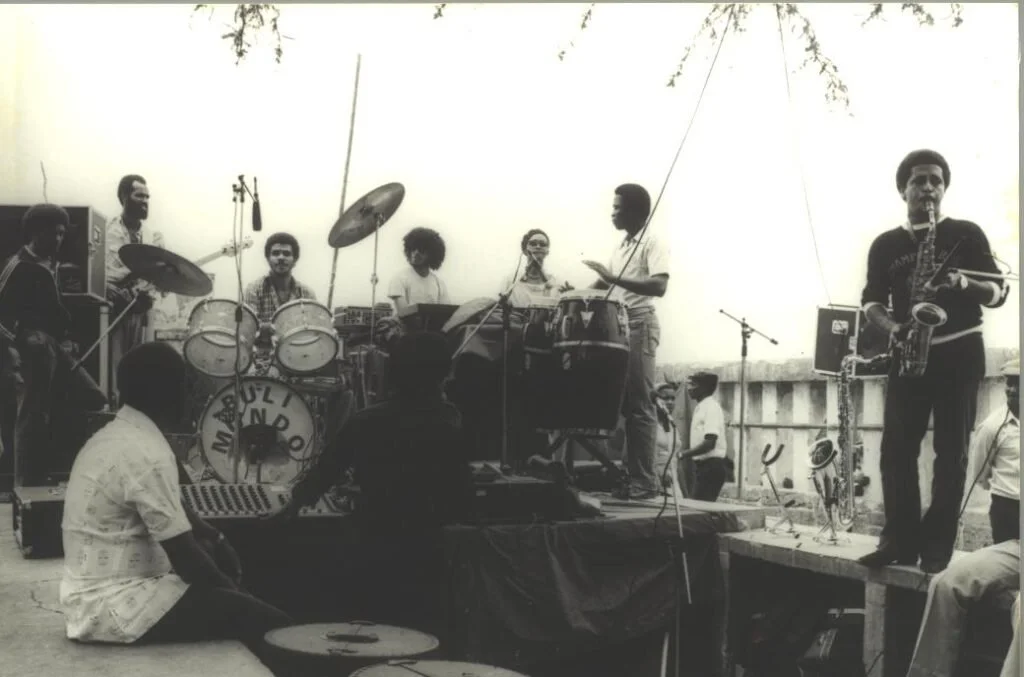
Portuguese colonial authorities viewed funaná with suspicion. Large gatherings of rural people dancing to loud accordion music raised fears of disorder and resistance. The Catholic Church and colonial administration discouraged or actively repressed it, especially from the mid-20th century onward.
Musicians risked fines, arrest, or interrogation. Parties faced curfews and surveillance by the secret police. Despite this pressure, people continued to play and dance in secret. The music became a quiet act of cultural defiance, a way to keep African and Creole identity alive under colonial rule.
Independence and the First Revival
Cape Verde gained independence in 1975. The new nation began reclaiming suppressed cultural forms. Funaná moved from the margins into national consciousness as part of a broader “re-Africanization” of Cape Verdean identity.
Urban musicians started recording and performing the style with electric instruments and modern arrangements. Groups in the late 1970s and 1980s helped bring funaná to a wider audience while keeping its rebellious spirit.
The 1990s Explosion and Ferro Gaita
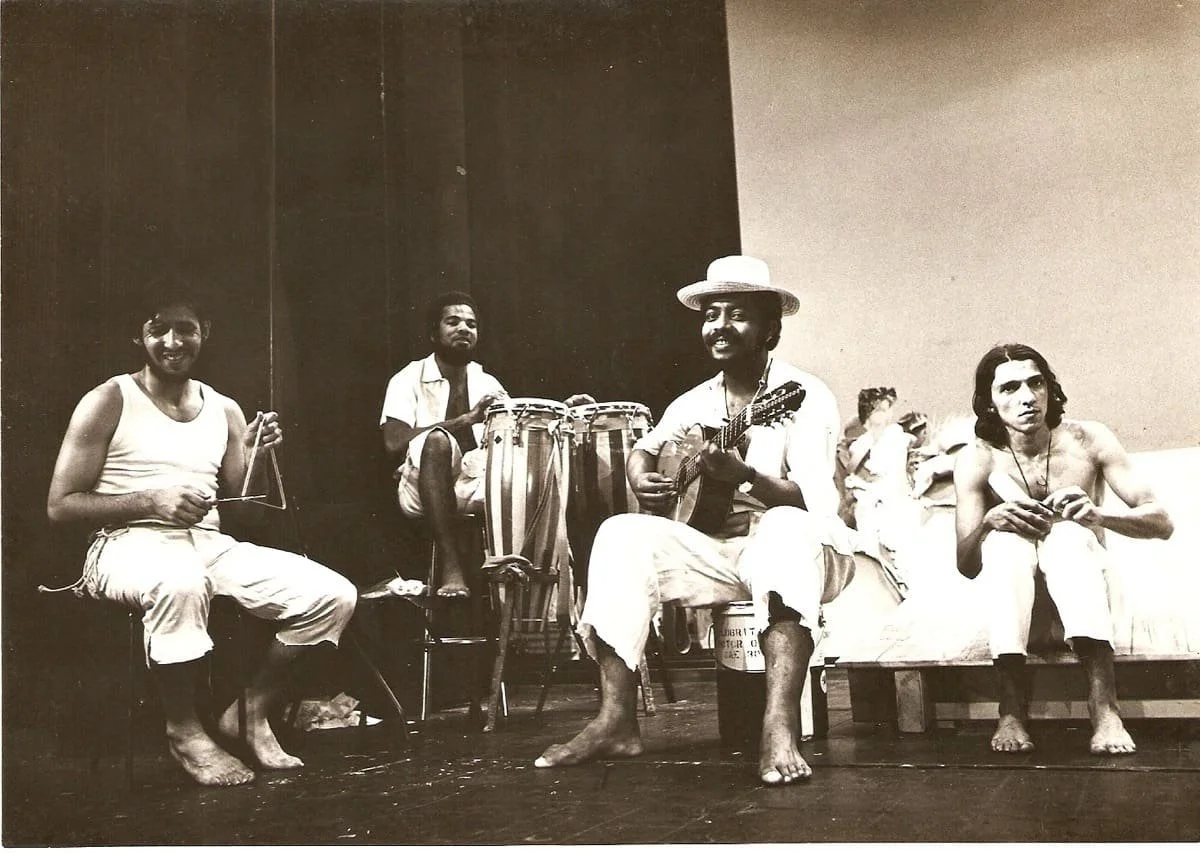
In the 1990s, funaná experienced a major revival. The group Ferro Gaita returned to the traditional gaita and ferrinho while adding bass and drums. Their 1997 album Fundu Baxu became a massive success and reignited interest in the acoustic roots of the genre.
This period is often called a second revolution for funaná. Traditional masters gained new recognition, younger musicians embraced the style, and the music spread further across the islands and into the diaspora.
Modern Funaná and Creole Identity
Today funaná is celebrated as a national cultural treasure. In 2024 it was recognized as Intangible Cultural Heritage of Cape Verde. It appears at festivals, in popular music, and in new hybrid forms that mix traditional elements with electronic sounds and other genres.
Artists continue to draw on its energy and history of resistance. For many Cape Verdeans, funaná represents pride in rural roots, Creole resilience, and the freedom to dance and express oneself without fear.
Key Instruments and Sound
The core sound comes from two instruments:
Gaita (diatonic accordion): The melodic and harmonic driver.
Ferrinho: A metal bar scraped to create sharp, rhythmic patterns.
Bass, drums, and other instruments often join in modern versions. The result is a raw, driving groove that invites movement and celebration.
FAQs
Why was funaná banned under colonial rule?
Colonial authorities and the Church saw large, energetic rural gatherings as a threat to order and morality. The music’s African roots and social energy made it suspect.
Where did funaná originate?
It developed in the rural interior of Santiago island among Badiu communities.
What instruments define traditional funaná?
The diatonic accordion (gaita) and the ferrinho (scraped metal bar).
How did independence change funaná’s status?
After 1975 it moved from repression to celebration and became a symbol of national and African identity.
Is funaná still popular today?
Yes. It remains vibrant in traditional and modern forms and is recognized as national intangible cultural heritage.
How does funaná connect to learning Cape Verdean culture?
It offers a direct window into resistance, Creole identity, and the power of music to preserve community spirit.
Final Thoughts
Funaná began as the music of rural resistance and survived colonial bans through quiet determination. After independence it rose to become a proud emblem of Cape Verdean Creole culture. Its driving accordion and sharp rhythms still carry the energy of those who refused to be silenced.
Understanding funaná helps you feel the deeper pulse of Cape Verde’s history and identity. It is more than dance music. It is a story of resilience told in sound and movement.
Ready to explore more Cape Verdean music, language, and cultural stories? Join NKENNE for immersive lessons that bring these living traditions to life. Let’s keep listening and learning together.