
The Bangala People: Warriors, Traders, and the True Founders of Lingala
By: Chimdindu Ken-Anaukwu
Along the great bend of the Congo River, where trade routes once pulsed with canoes and markets, a group of riverine communities helped shape one of Central Africa’s most powerful languages. Known historically as the Bangala or Ngala, these peoples were traders, fighters, and cultural bridges. Their world of water, exchange, and decentralized leadership laid the foundation for what became Lingala.
This deep dive explores their ethnic origins, traditional social structure, symbols of power, and the decisive role they played in the early development of Lingala.
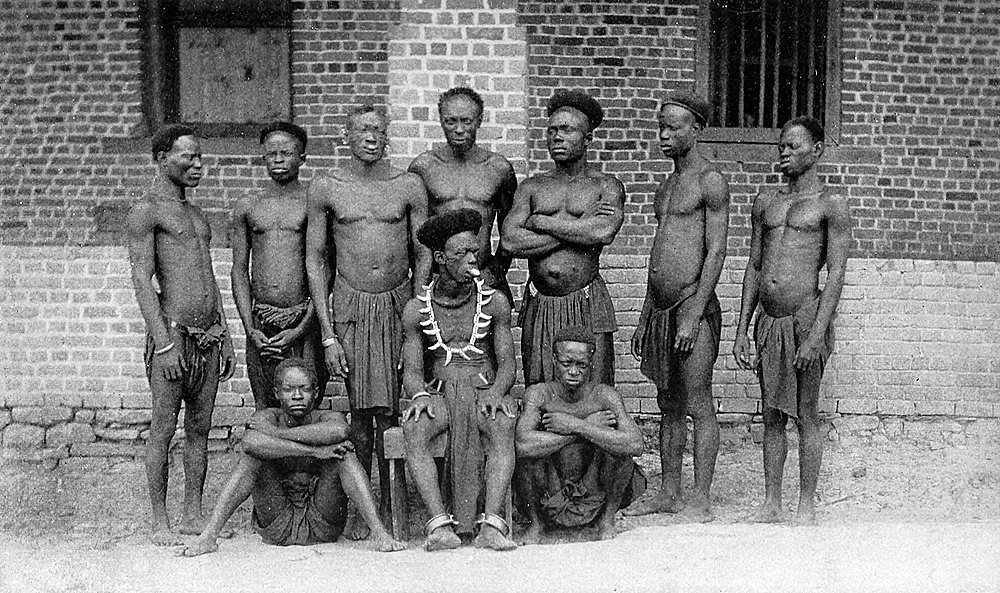
Who Were the Bangala?
The name “Bangala” (or Ngala, Mangala) has a complex history. In the late 19th century, European explorers and colonial officials used it broadly for various Bantu-speaking communities living along the northwestern bend of the Congo River and nearby waterways.
Many modern scholars note that there was never a single, unified pre-colonial “Bangala nation.” Instead, the term covered related riverine groups such as the Bobangi, Boloki, Libinza, and others who shared cultural and linguistic ties. These communities were often called “water people” because of their deep connection to the river.
Despite the colonial label, the peoples of this region created the social and linguistic conditions that allowed Lingala to emerge.
River Origins and Ethnic Landscape
The Bangala heartland lay near the confluence zones of the Congo, Ubangi, and related rivers in what is now northwestern Democratic Republic of Congo and parts of the Republic of Congo. These were strategic locations for fishing, canoe travel, and long-distance trade.
Oral traditions and historical accounts describe migrations of river peoples over centuries. Groups moved along waterways, establishing settlements, forming alliances, and controlling key market points. Agriculture (especially manioc and bananas), fishing, and trade formed the economic base.
Their identity was shaped less by fixed territorial kingdoms and more by mobility, kinship networks, and control of river commerce.
Chiefdom Structure and Social Organization
Unlike centralized kingdoms found elsewhere in Central Africa, Bangala-related communities were largely organized around independent villages and local chiefs. Leadership was often based on personal authority, wealth from trade, and the ability to mediate disputes or organize defense.
Chiefs (sometimes called by titles linked to local traditions) held influence over their settlements but rarely ruled vast territories. Alliances between villages provided security. This flexible structure suited a riverine lifestyle where people moved with seasons, markets, and opportunities.
Decision-making frequently involved elders and community consensus, reflecting a pragmatic approach to power.
Traders and Warriors of the Congo Bend
The Bangala and related groups earned reputations as skilled traders and formidable fighters. Controlling stretches of the Congo River gave them economic power. They exchanged fish, agricultural goods, ivory, and other products with neighboring peoples.
Their warrior image came from the need to protect trade routes and settlements. Colonial accounts often described them as fierce and independent. This combination of commercial savvy and readiness to defend interests made them influential players in the pre-colonial economy of the region.
The Leopard and Symbols of Power
Across much of Central Africa, including riverine communities, the leopard has long symbolized strength, intelligence, stealth, and leadership. While not exclusively a Bangala totem, leopard imagery appears in broader Congolese traditions of authority and prestige.
Leaders associated with power and protection sometimes drew on animal symbols, including the leopard, to express status. In later periods, such symbols were amplified in national and political imagery. For river peoples, the leopard’s combination of grace and force mirrored the qualities valued in successful traders and protectors of community.
From Bobangi Trade Language to Bangala Pidgin
Before colonial arrival, Bobangi served as a major trade language along the western Congo River. When Europeans and their diverse African troops established posts in the early 1880s, they encountered and adapted this language.
A simplified, restructured form of Bobangi emerged as a contact language. Because one of the key colonial stations was named Bangala-Station (later Nouvelle-Anvers, now Mankanza), the pidgin itself became widely known as Bangala. This early Bangala was the direct linguistic ancestor of modern Lingala.
How the Bangala Became Central to Lingala’s Birth
The peoples of the Bangala region provided both the social setting and much of the linguistic raw material. Local languages around the station influenced the expanding pidgin. Missionaries later standardized and expanded the grammar and vocabulary, renaming the western variety “Lingala” (often interpreted as “language of the Bangala” or linked to market speech).
Thus the river communities(through their trade networks, their languages, and the colonial station that bore their name) became foundational to Lingala’s development. Without the Bobangi base and the Bangala-region contact zone, the language that now unites millions would not exist in its present form.
Legacy in Modern Lingala Identity
Today Lingala speakers across Kinshasa, Brazzaville, and the diaspora carry forward a heritage rooted in these river origins. The language’s practicality, its role as a bridge between groups, and its association with urban energy and music all echo the adaptive, connective spirit of the original river traders.
Understanding the Bangala contribution restores historical depth to Lingala identity and honors the communities that made the language possible.
FAQs
Were the Bangala a single ethnic group?
Historical research shows the name was applied broadly by Europeans to various related riverine peoples. There was no single pre-colonial Bangala kingdom or unified ethnicity, but the communities of the region shared important cultural and linguistic connections.
What language did the Bangala originally speak?
The key trade language of the area was Bobangi. Local groups spoke related Bantu languages. The colonial-era contact language that developed became known as Bangala and later evolved into Lingala.
How did Bangala become Lingala?
Around 1900–1903, Catholic missionaries standardized the expanding pidgin and adopted the name Lingala for the western variety. The northeastern variety continued under the name Bangala.
What was the traditional political structure?
Mostly decentralized. Independent villages and local chiefs held authority, with alliances providing broader security. Large centralized kingdoms were less common in this riverine zone.
Is the leopard a traditional Bangala symbol?
The leopard is a widespread Central African symbol of power, intelligence, and leadership. It appears in broader Congolese traditions and was later amplified in national imagery.
Why does this history matter today?
It shows that Lingala grew from real African trade networks and river communities, not solely from colonial invention. Recognizing the Bangala contribution strengthens cultural pride and historical accuracy.
Wrapping Up: Honoring the River Founders
The Bangala story is one of adaptation, commerce, and cultural influence. Whether viewed as a colonial label or as a recognition of the river peoples’ central role, their world of canoes, markets, and local leadership helped birth a language that now belongs to tens of millions.
By remembering the traders and communities of the Congo bend, we honor the true foundations of Lingala.
Ready to explore more of this living history and the language it created? Visit NKENNE for deeper cultural stories, practical Lingala lessons, and authentic Congolese perspectives. What part of the Bangala legacy resonates most with you?