
Haitian Hospitality: Why Welcoming Strangers Is a Cultural Superpower
By: Chimdindu Ken-Anaukwu
Step into a Haitian home and the first thing you notice is the welcome. Someone offers a seat. Food appears even if the household has little. The conversation turns warm and personal.
In Haitian culture, hospitality is not a performance. It is a core value that turns strangers into temporary family. This article explores the traditions of generosity, shared meals, and open doors that define Haitian social life. You will see how these practices work in daily life and why they remain powerful even under pressure.
Hospitality as Everyday Practice
Haitians treat hospitality as a basic responsibility. Greeting people properly matters. When entering a yard, people often call out “onè” (honor). The response is “respè” (respect). These words set the tone for every interaction.
Hosts take pride in offering something to visitors. Coffee, water, or a full meal appears quickly. Refusing without a clear reason can feel like rejection of the relationship itself. The goal is simple: make the guest comfortable and included.
This approach extends beyond the home. Neighbors share food across yards. People help with small tasks and expect the same in return. Hospitality builds the social fabric that holds communities together.
The Power of Shared Meals
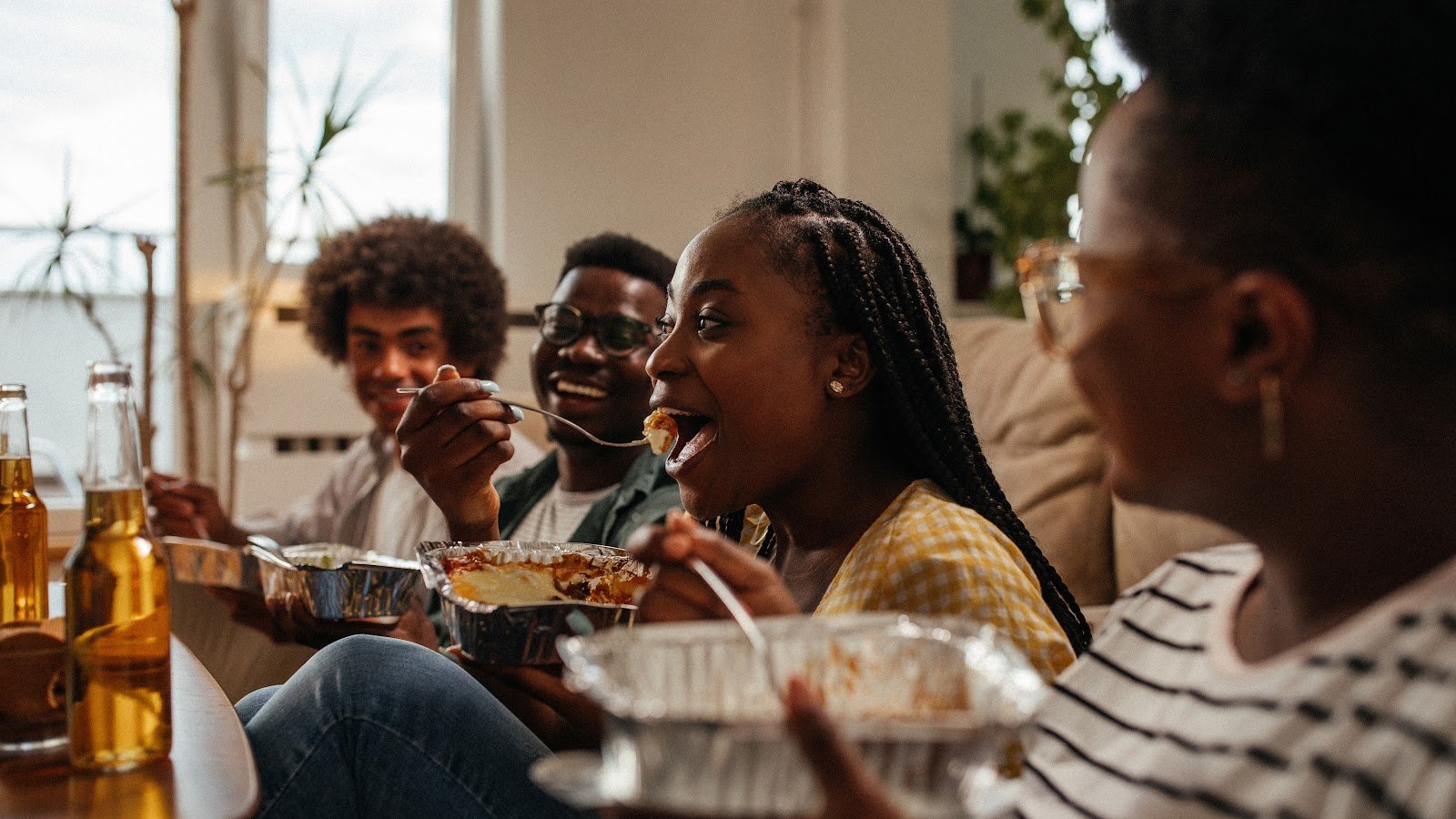
Meals sit at the center of Haitian hospitality. An invitation to eat is significant. It signals trust and care.
Hosts often prepare more than the immediate family needs so that visitors can join. Elders usually receive food first as a mark of respect. Guests are encouraged to accept what is offered and to comment specifically on the taste. A simple phrase like “Manje a bon anpil” (the food is very good) carries real weight.
Meals last longer than in many other cultures. Conversation continues after the food is finished. Leaving quickly can feel abrupt. Sharing from the same plates or sending food to nearby households is common and expected.
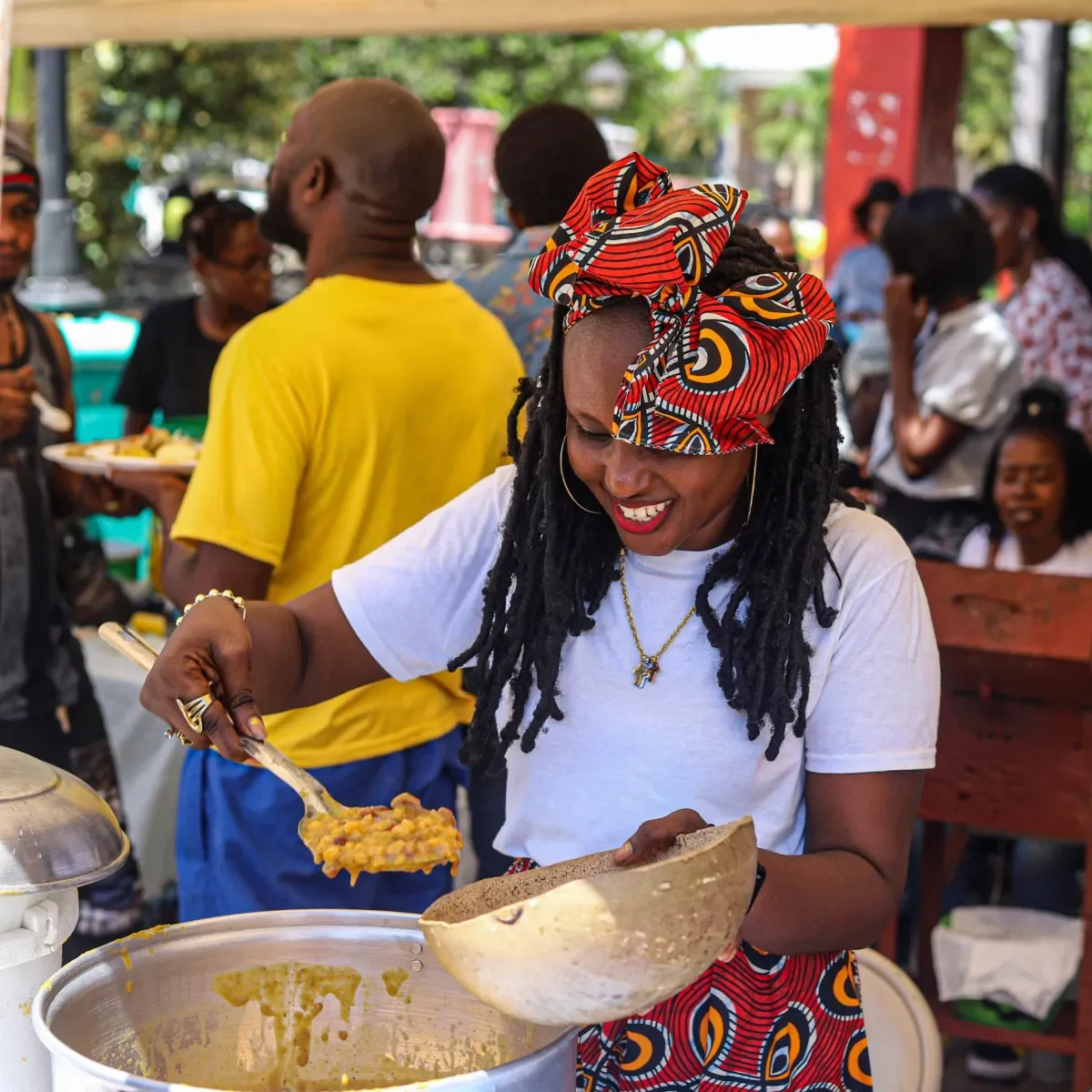
In rural areas especially, sending a plate to another home functions as both kindness and practical support. It creates a network of mutual aid that helps families manage limited resources.
Making Guests Feel Like Family
Haitian hosts work to erase the distance between host and visitor. Guests are drawn into the flow of the household. Children may be called over. Stories are told. Plans for the day or the week get discussed openly.
This treatment reflects a broader view of family. Kinship often extends beyond blood relatives to include neighbors, godparents, and people who regularly help one another. A guest who returns often can become part of that wider circle.
The effect is powerful. Visitors leave feeling seen and valued rather than merely entertained. That emotional experience is one reason Haitian hospitality stands out.
Generosity in Times of Scarcity
Haitian hospitality remains strong even when resources are limited. Families share what they have. Children learn early to divide snacks and avoid appearing greedy. Adults send food to other households knowing that reciprocity will come later.
This practice is not reckless. It is strategic and cultural. Sharing builds relationships that provide support during harder times. Generosity becomes a form of social insurance.
Outsiders sometimes struggle to understand why people with little still offer so much. For Haitians, the alternative of isolating resources feels riskier than the temporary loss of food or goods.
Key Customs Visitors Should Know
Accept food or drink when offered. A polite refusal needs a clear reason.
Compliment the cook with specific comments about the meal.
Greet people properly and respond to greetings.
Stay long enough to show the visit matters.
Bring a small gift if invited to a formal gathering, but never arrive empty-handed if possible.
Respect elders by allowing them to be served first and by listening when they speak.
These small actions signal that the visitor understands and values the host’s effort.
How Hospitality Strengthens Community
Hospitality does more than make individuals feel welcome. It reinforces collective strength. Shared meals create regular points of contact. Mutual aid through food and favors builds trust. Treating outsiders with care expands the circle of people who can be counted on.
In both Haiti and the diaspora, these habits help communities stay connected across distance and difficulty. Hospitality turns private households into nodes of a larger support system.
Common Questions About Haitian Hospitality
Is it rude to refuse food?
Yes, in most cases. Accepting at least a small amount shows respect for the host’s generosity.
Do Haitians expect gifts from guests?
A small token is appreciated, especially at formal events. The real expectation is participation and gratitude.
How long should a guest stay for a meal?
Plan for at least two hours. Meals are social occasions, not quick transactions.
Does hospitality change in the diaspora?
Core values remain. Families continue to open their homes and share meals, adapting the practice to new settings.
Why is hospitality so strong in Haitian culture?
It grows from African-influenced community values, the need for mutual support under hard conditions, and a cultural preference for connection over isolation.
A Living Strength
Haitian hospitality turns generosity into daily practice. Shared meals and open doors make strangers feel like family. This approach builds resilience and deep human connection at the same time.
Understanding these traditions helps anyone engage more respectfully with Haitian communities. It also offers a clear example of how culture can turn limited resources into lasting strength.
At NKENNE we share these cultural insights so the knowledge stays accessible and useful. Explore more on Haitian family life, food traditions, and community values.
Have you experienced Haitian hospitality? What stood out to you? Share your thoughts in the comments.