
Shiro: The Humble Stew at the Heart of Ethiopian Homes
By: Yvonne Mag-usara
Some Ethiopian dishes are prepared for holidays and large celebrations. Shiro is the meal that often carries an ordinary day.
Smooth, warmly spiced, and deeply satisfying, this legume stew can be prepared from ingredients kept in the cupboard. It appears at family tables, during religious fasting periods, and whenever a simple meal needs to feed several people.
In this guide, you will learn what shiro is, why it matters in Ethiopian homes, and how to make an easy Ethiopian shiro recipe with traditional shiro powder or a practical substitute.
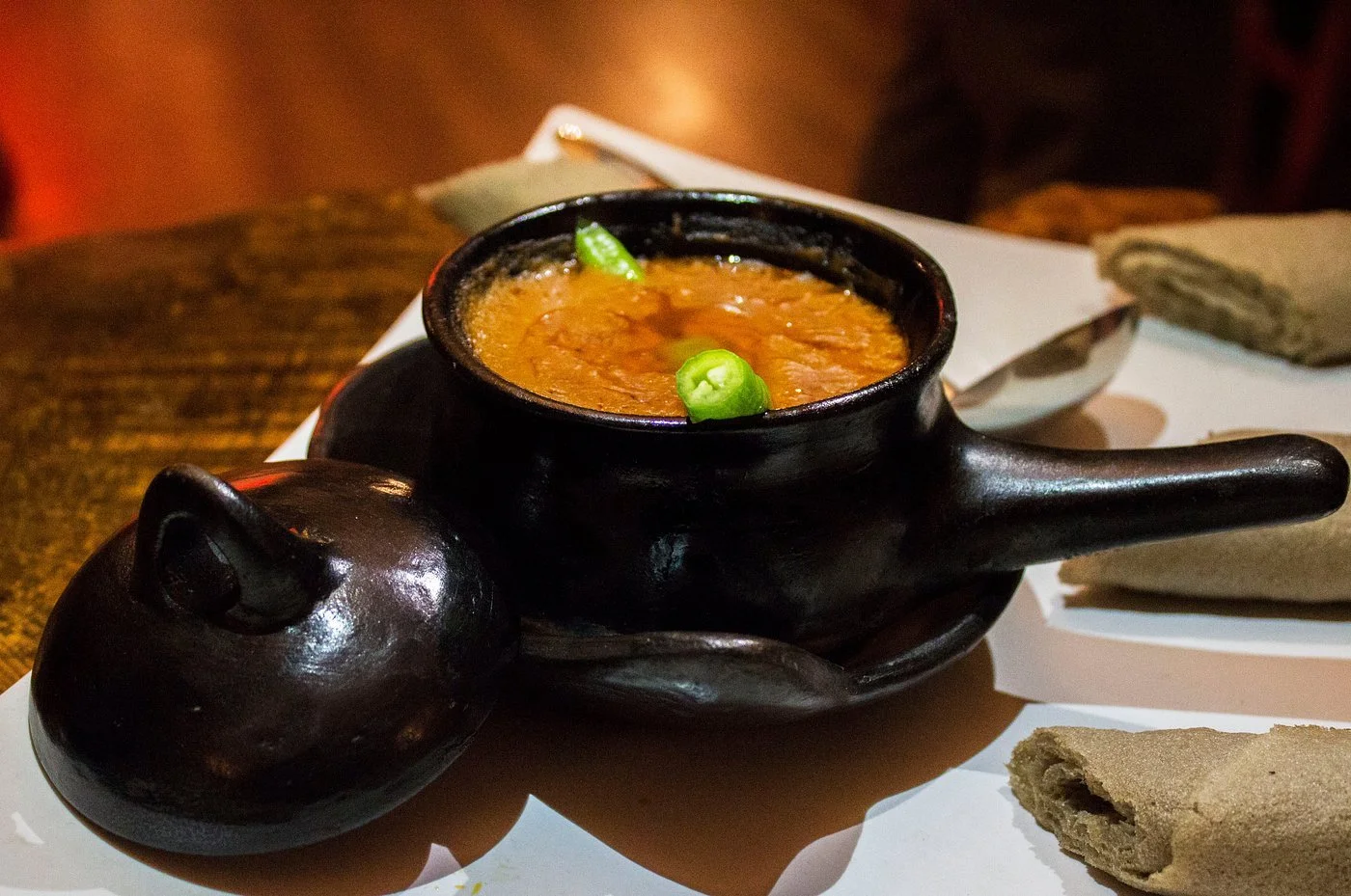
Credit: Traveller photo of shiro at Habesha, Istanbul, via Tripadvisor
Shiro with injera, a deeply comforting Ethiopian meal shaped by everyday cooking, shared tables, and generations of home tradition.
What Is Shiro?
Shiro, written ሽሮ in Amharic, refers to both a ground legume flour and the stew prepared from it.
The finished stew is often called shiro wot, or ሽሮ ወጥ. It is made by cooking shiro flour with water, onion, oil, garlic, and seasonings until it becomes smooth and creamy.
Despite being widely described as a chickpea stew, shiro is not always made from chickpeas alone. Traditional blends may contain roasted peas, fava beans, chickpeas, grass peas, or a combination of legumes.
The flour may also be mixed with garlic, ginger, berbere, Ethiopian cardamom, basil, koseret, thyme, and other spices. Recipes differ between regions and households, which is why one family’s shiro can taste noticeably different from another’s.
Why Shiro Feels Like Home
Shiro is sometimes called a humble dish because its ingredients are affordable, easy to store, and capable of feeding a family.
That simplicity is part of its strength. Once the legumes have been roasted, seasoned, and ground into flour, they can be turned into a warm meal without lengthy preparation.
Shiro also has an important place in Ethiopian Orthodox fasting traditions. During fasting periods, observant Christians avoid meat, eggs, and dairy products. A shiro prepared with vegetable oil fits naturally into these meals and is commonly eaten as a plant-based source of nourishment.
For Ethiopians living abroad, shiro can also carry the memory of weekday lunches, fasting seasons, and meals prepared by parents or grandparents. It is not only special because of when it is served. It is special because it returns so often.
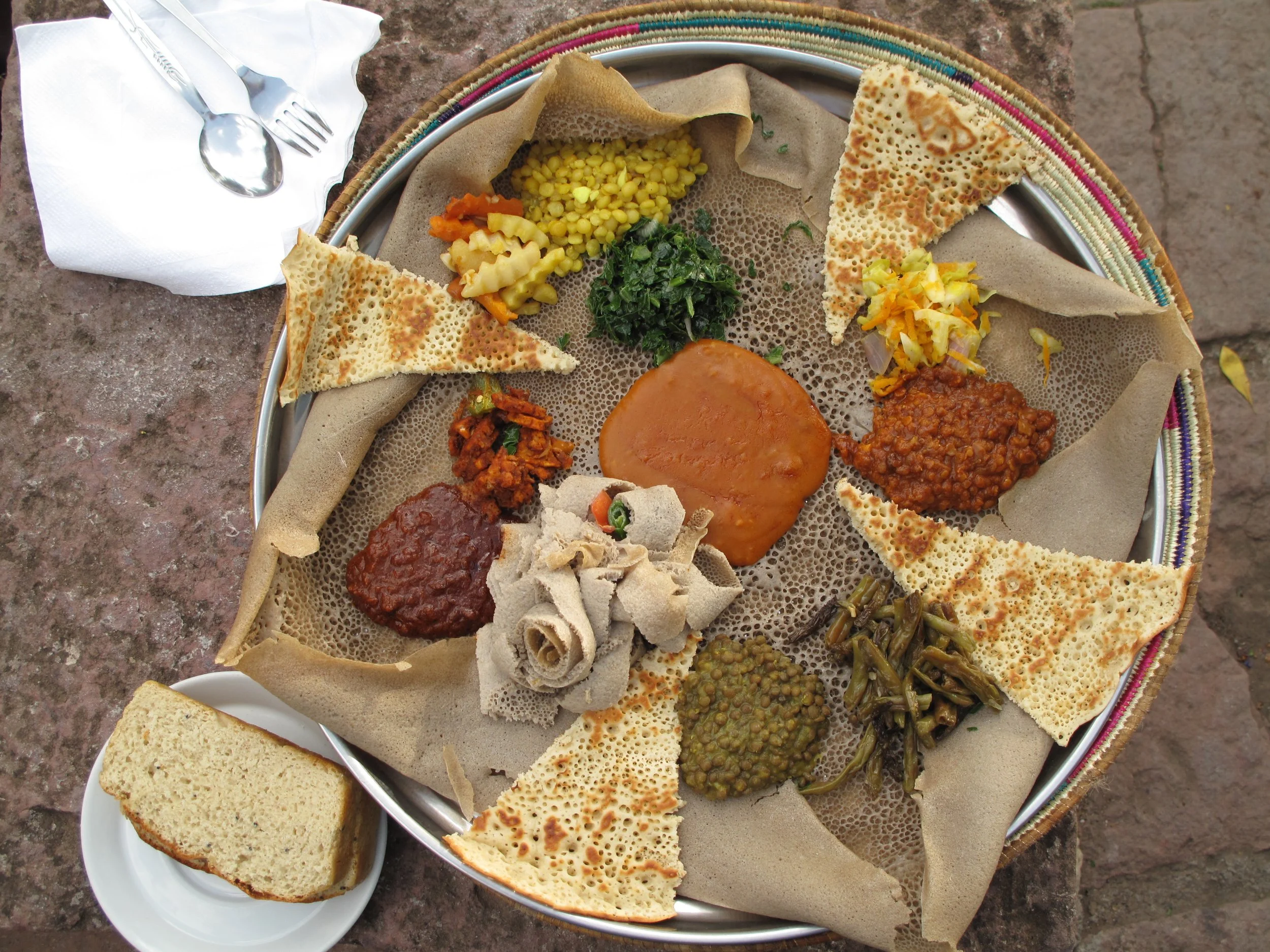
Credit: Wikimedia Commons / Maurice Chédel, CC BY-SA 3.0.
A meat-free injera platter served during the Easter fasting season in Lalibela, showing how Ethiopia’s fasting traditions turn legumes and vegetables into a generous shared meal.
Key Ingredients and Practical Substitutions
Traditional shiro relies on a small number of ingredients. The exact flavour will depend largely on the shiro powder you use.
Core Ingredients
Prepared shiro powder
Onion
Garlic
Vegetable oil
Water
Salt
Berbere, if needed
Tomato or green chilli, optional
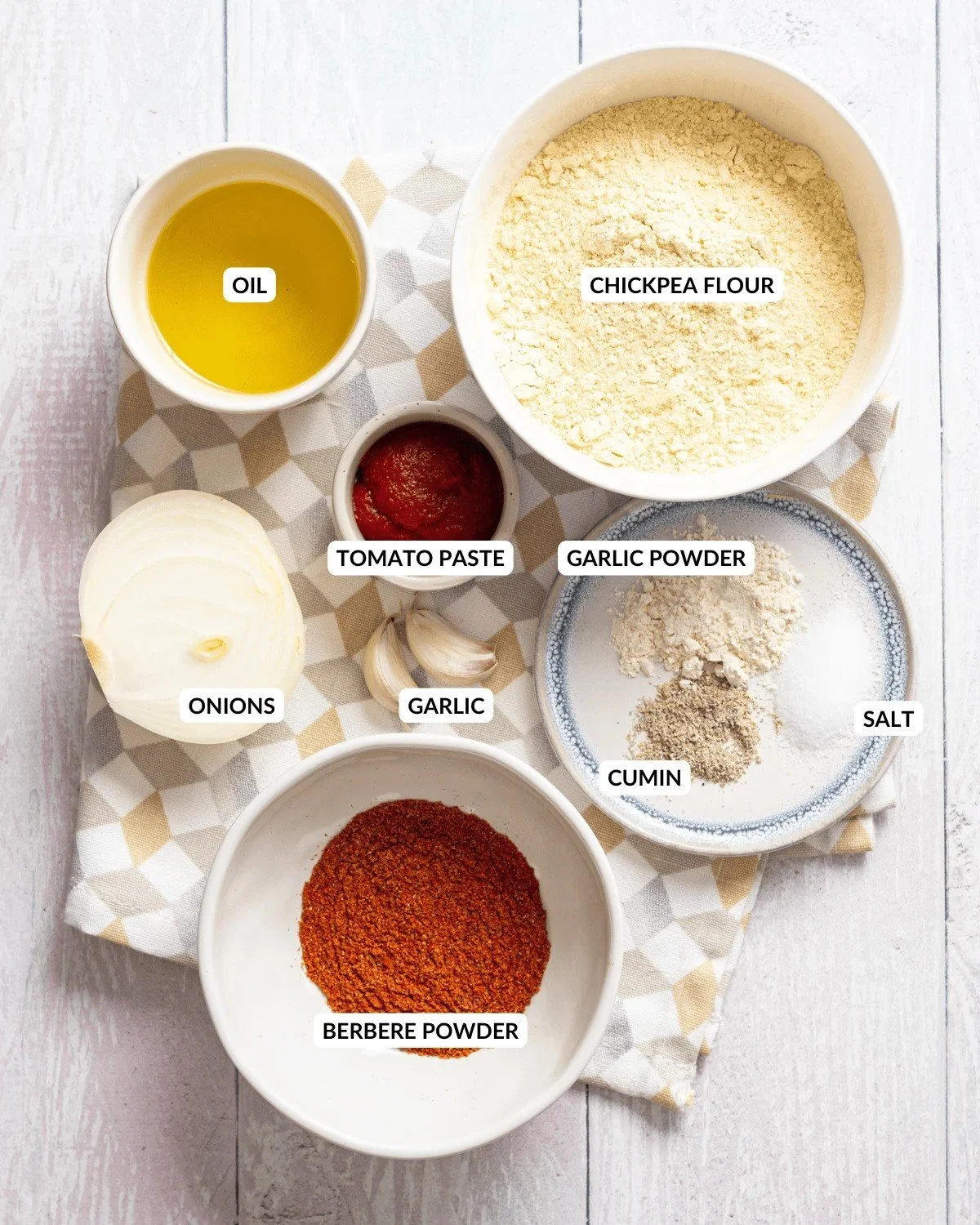
Credit: Urban Farmie
Shiro Powder
Prepared shiro powder is the best choice for an authentic flavour. Look for it in Ethiopian, Eritrean, or African grocery stores.
Some blends are red and already contain berbere. Lighter or white shiro powders are usually milder. Check the aroma and ingredient list before adding more seasoning.
Chickpea Flour Substitute
Plain chickpea flour can be used when shiro powder is unavailable, but it will not have the same roasted flavour or complex seasoning.
For a simple substitute, combine:
1 cup chickpea flour
2 teaspoons berbere
1 teaspoon garlic powder
½ teaspoon ground ginger
½ teaspoon salt
Toast the chickpea flour in a dry pan over low heat for three to four minutes. Stir constantly and remove it before it browns, then mix in the spices.
This will create a useful home version, although it will not fully replace a traditional shiro blend.
Oil or Niter Kibbeh
Use a neutral vegetable oil for a vegan or fasting shiro.
Outside fasting periods, some cooks use niter kibbeh, Ethiopia’s spiced clarified butter, for a richer flavour.
Berbere
Berbere gives red shiro its colour and chilli warmth.
Prepared shiro powder may already contain enough berbere, so add it gradually. It is easier to increase the heat than to correct an overly spicy pot.
How to Make Shiro at Home
This home recipe uses prepared shiro powder and a simple mixing technique that helps prevent lumps.
Serves: 4 to 6
Prep time: 10 minutes
Cook time: 25 to 30 minutes
Total time: About 40 minutes
Ingredients
1 medium onion, finely chopped or blended
2 tablespoons neutral vegetable oil
2 garlic cloves, minced
1 small tomato, finely chopped or blended, optional
1 cup prepared shiro powder
4 cups water, divided
1 teaspoon berbere, optional
½ teaspoon salt, plus more to taste
1 green chilli, sliced, optional
Injera, for serving
A commonly used home ratio combines approximately one cup of shiro flour with four cups of water, onion, garlic, oil, and optional berbere.
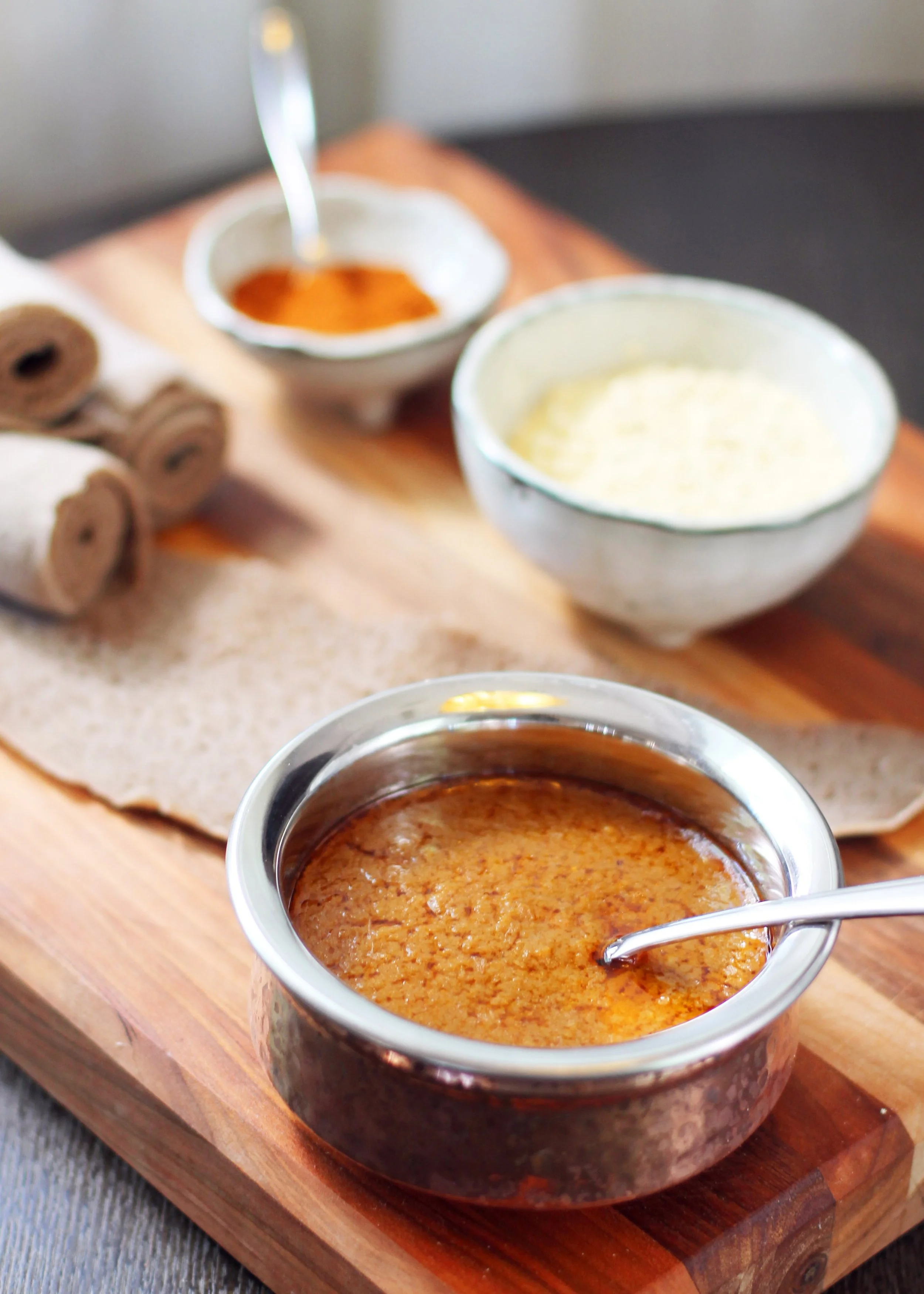
Credit: The Gourmet Gourmand
Shiro develops its smooth, velvety texture as chickpea flour, berbere, aromatics, and water are slowly whisked and simmered together.
Method
Cook the onion.
Heat the oil in a medium saucepan over medium-low heat. Add the onion and cook for 7 to 8 minutes, stirring frequently, until soft.Build the flavour base.
Add the garlic and tomato, if using. Cook for another 3 to 5 minutes. Add berbere only if your shiro powder needs more colour or heat.Mix the shiro.
Place the shiro powder in a bowl. Gradually whisk in 1½ cups of room-temperature water until smooth.Combine the mixtures.
Pour the remaining water into the saucepan and bring it to a gentle simmer. Slowly add the shiro mixture while stirring continuously.Simmer.
Reduce the heat to low and cook for 15 to 20 minutes. Stir often, especially along the bottom of the pot.Adjust and serve.
Add salt and more water if needed. Stir in the green chilli during the final few minutes, then serve hot with injera.
The finished shiro should be smooth and thick enough to coat a piece of injera without becoming stiff.
Tips for the Right Texture and Flavour
Shiro uses simple ingredients, but the cooking method makes a noticeable difference.
Prevent Lumps
Mix the shiro powder with room-temperature water before adding it to the pot. Pour it in slowly while stirring.
Keep the Heat Low
Shiro thickens quickly and can settle at the bottom. Once the flour has been added, reduce the heat and stir frequently.
Adjust the Water Gradually
Different shiro powders absorb water differently. Add more water a little at a time until the stew reaches your preferred consistency.
Cook Away the Raw Flavour
Shiro needs time to simmer. If it tastes dusty or bitter, continue cooking over low heat and add a little water if necessary.
Check the Seasoning First
Prepared shiro flour may already contain salt, garlic, ginger, berbere, and other spices. Allow the stew to cook for several minutes before adding more.
Choose Your Preferred Thickness
A thinner shiro spreads easily across injera. A thicker version has a stronger flavour and may be served bubbling in a small clay bowl.
There is no single correct texture. The goal is a smooth stew that suits the way you plan to serve it.
How Shiro Is Traditionally Served
Shiro is most commonly served hot with injera, Ethiopia’s soft, sour flatbread.
Diners tear off a piece of injera and use it to gather the stew. The bread’s porous surface absorbs the shiro, while its light sourness balances the earthy legumes and spices.
Shiro may be served:
As a simple main dish
With lentils, greens, cabbage, potatoes, or salad
As part of an Ethiopian fasting platter
Beside meat dishes outside fasting periods
Mixed with torn injera as shiro fit-fit
You can learn more about the bread in NKENNE’s guide to Ethiopian injera and Amharic food culture.
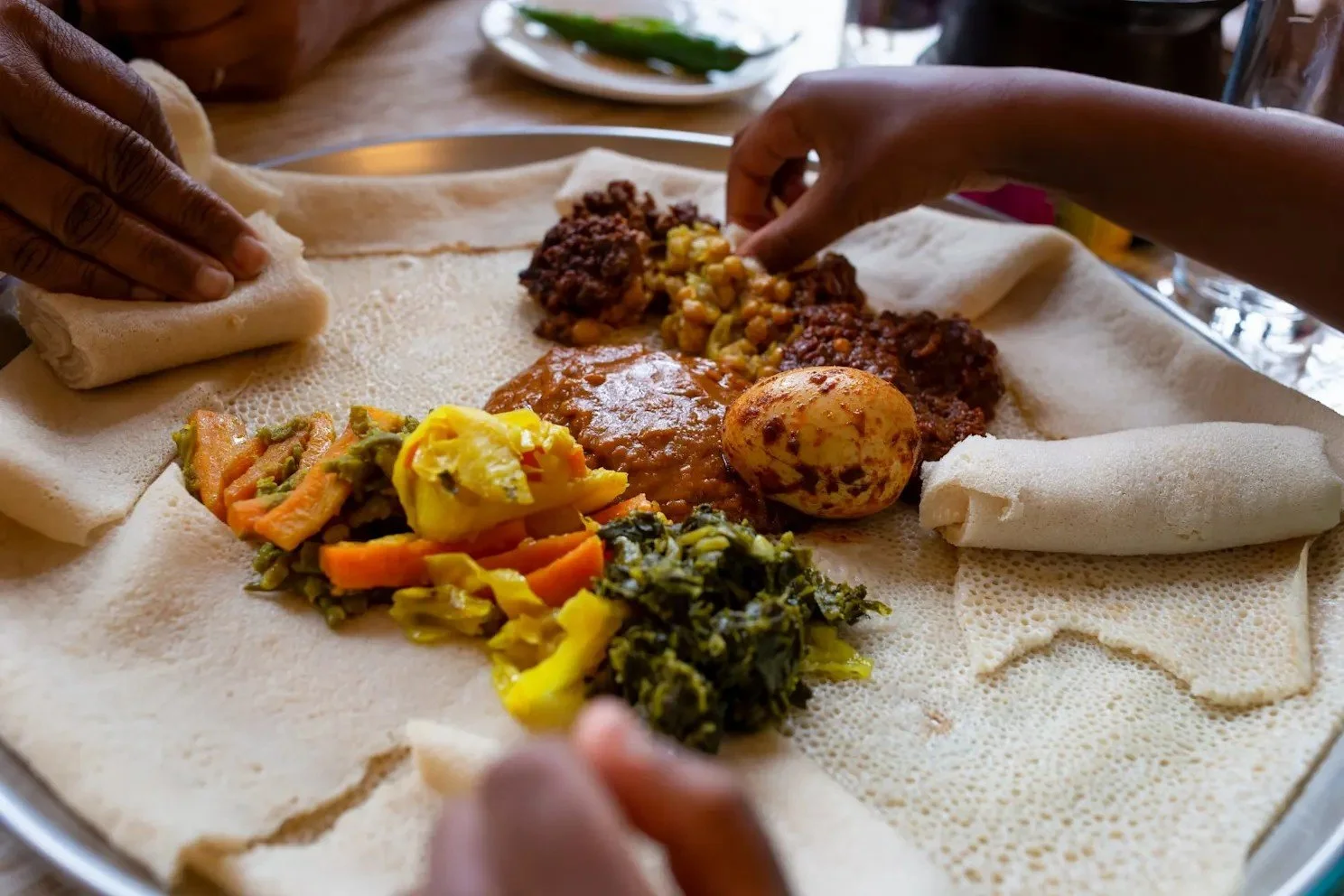
Credit: Traveller, The Sydney Morning Herald
A shared Ethiopian platter brings richly seasoned stews, vegetables, and injera together in a meal designed to be enjoyed from the centre of the table.
FAQs
What is Ethiopian shiro made from?
Shiro is made from finely ground roasted legumes. The flour may contain peas, chickpeas, fava beans, grass peas, or a mixture, along with herbs and spices.
Can I make shiro without shiro powder?
Yes. You can use lightly toasted chickpea flour seasoned with berbere, garlic, ginger, and salt. The flavour will be simpler than traditional shiro powder.
Is Ethiopian shiro vegan?
Shiro made with vegetable oil and without meat or dairy is vegan. Versions prepared with niter kibbeh contain dairy.
Why is my shiro lumpy?
Lumps usually form when the powder is added too quickly. Mix it with cool or room-temperature water first, then pour it slowly into the pot while stirring.
Is shiro supposed to be spicy?
Not always. Red shiro usually contains berbere and has more heat, while white or mild shiro blends allow the flavour of the legumes and aromatics to stand out.
What does shiro taste like?
Shiro tastes earthy, savoury, and gently nutty. Depending on the blend, it may also taste garlicky, peppery, or warmly spiced.
Conclusion
Shiro shows how a few stored ingredients can become something deeply familiar.
Its place in Ethiopian homes comes not only from flavour, but from usefulness. It feeds families, supports fasting traditions, and carries household knowledge from one generation to the next.
Whether you prepare it with an Ethiopian shiro blend or begin with chickpea flour, take your time with the onions, stir the pot carefully, and serve it with injera when you can.
The recipe may be simple, but the meaning around it is not.
Learn Amharic and Ethiopian Culture With NKENNE
Food can introduce you to a culture. Language helps you understand the people, memories, and everyday expressions that keep it alive.
With NKENNE, you can learn Amharic while exploring the foods and traditions that give the language its meaning.
