
By: Chimdindu Ken-Anaukwu
In Senegal, two major Muslim festivals shape the year for Wolof communities and the wider nation: Korité (Eid al-Fitr) and Tabaski (Eid al-Adha). These celebrations blend Islamic tradition with local values of family, generosity, and teranga. They feature special prayers, the sacrifice of a sheep on Tabaski, the joy of ending the Ramadan fast on Korité, new clothes, large family gatherings, and widespread sharing. This guide explains how Wolof people mark these important days and why they matter.
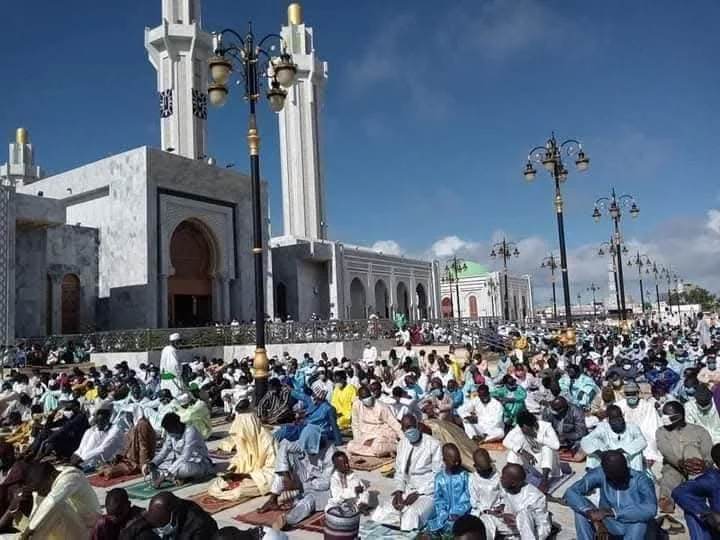
Korité: Celebrating the End of Ramadan
Korité marks the end of the holy month of Ramadan, when Muslims fast from dawn to sunset. The day begins with a special morning prayer, often held in open spaces or large mosques. Families gather afterward for a festive breakfast that commonly includes laax or ngalakh, a sweet millet porridge mixed with milk, sugar, and sometimes baobab juice or other flavors.
The atmosphere is joyful and relieved after a month of discipline. Meals throughout the day feature meat, rice, and other special dishes. People visit relatives and neighbors to exchange greetings and ask for forgiveness. Children often go door to door receiving small gifts of money known as ndewenal.
Tabaski: The Festival of Sacrifice
Tabaski commemorates the story of Prophet Ibrahim (Abraham) and his willingness to sacrifice his son in obedience to God. The central ritual is the sacrifice of a sheep (or, depending on means, a goat or cow). After the morning prayer, the head of the household or a designated person performs the sacrifice according to Islamic guidelines. The meat is traditionally divided: one portion for the family, one shared with neighbors or those in need, and one kept for later.
In the days leading up to Tabaski, markets fill with sheep. Families carefully choose animals, and the purchase itself is a significant expense that many plan for months in advance. The day includes cooking large meals, often with the fresh meat prepared in various ways, and extensive visiting.
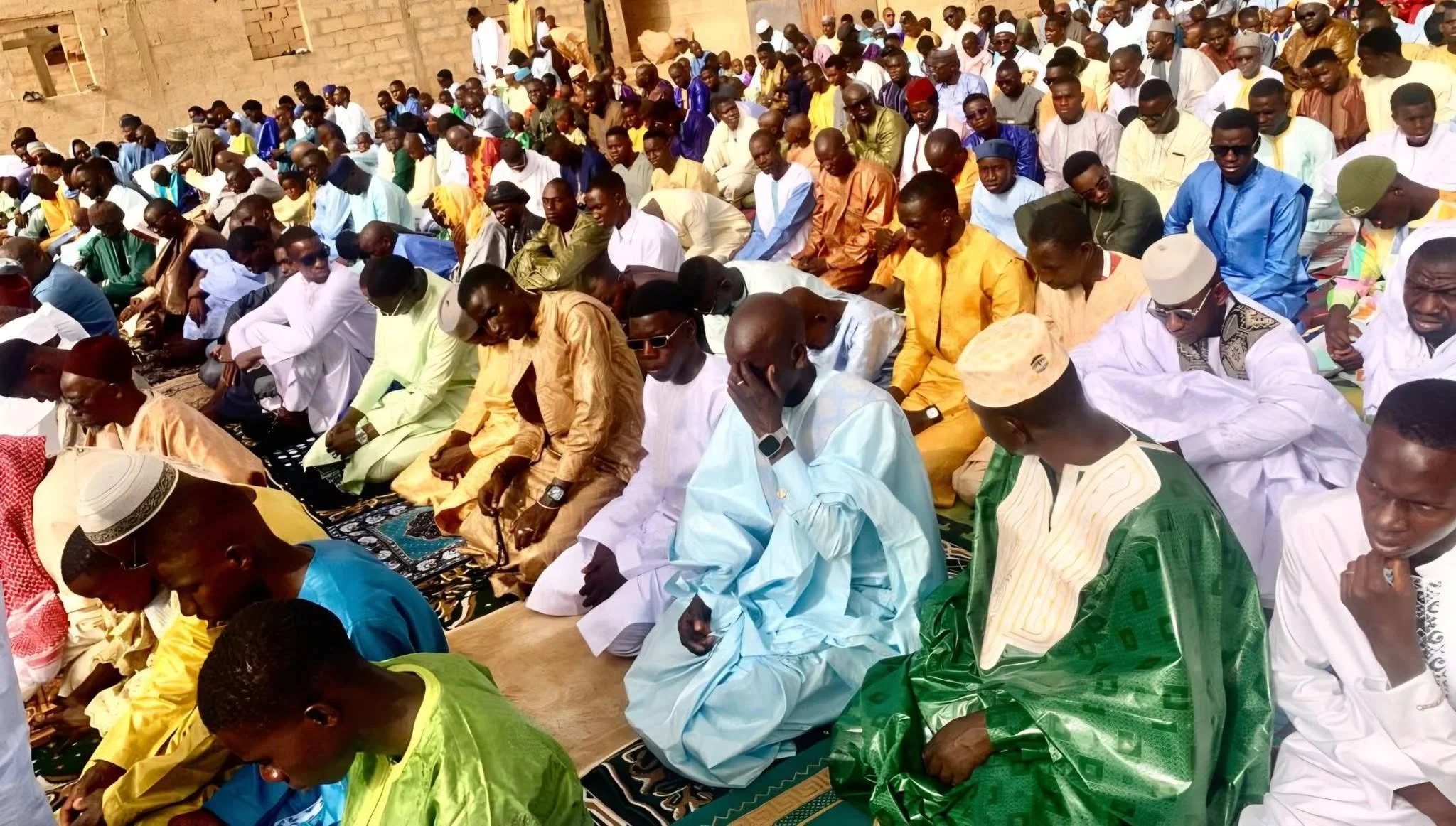
Shared Traditions: New Clothes, Visits, and Family
Both festivals emphasize appearance and social connection. People wear new or carefully prepared clothes, often traditional boubous made from bazin or other fine fabrics. Tailors stay busy in the weeks before, and looking well-dressed is seen as a way to honor the occasion and show respect for family and community.
Family gatherings form the heart of both days. Extended relatives come together, and the compound fills with conversation, food, and children playing. Adults move from house to house exchanging greetings such as “Bal ma” (forgive me) and “Dewenati” (until next year). These visits strengthen bonds and allow people to reconcile any past tensions.
How These Festivals Reflect Generosity and Teranga
Generosity sits at the center of both celebrations. On Tabaski, sharing the sacrificial meat with neighbors and those who cannot afford an animal embodies the Islamic principle of charity and the Wolof value of teranga. On Korité, inviting others to the table after the long fast and giving children gifts continues the same spirit.
Even families of modest means stretch their resources so that no one nearby is left out. New clothes, shared meals, and open doors turn the festivals into public expressions of solidarity. In this way, religious duty and cultural hospitality reinforce each other.
FAQ: Common Questions About Tabaski and Korité
What is the difference between Tabaski and Korité?
Korité marks the end of Ramadan (Eid al-Fitr). Tabaski is the Festival of Sacrifice (Eid al-Adha) that commemorates Ibrahim’s willingness to sacrifice his son.
Why is a sheep sacrificed on Tabaski?
The sacrifice recalls the Quranic story of Ibrahim and demonstrates obedience and willingness to give. The meat is shared with family, neighbors, and those in need.
Do people always buy new clothes for these festivals?
Many families make a special effort to wear new or carefully prepared outfits. It is an important part of the celebration, especially for children.
What is ndewenal?
Ndewenal refers to the small gifts of money that children traditionally receive when they visit relatives and neighbors during the festivals.
How do these festivals express teranga?
Through shared meals, visits, forgiveness, and giving to others, both holidays put hospitality and generosity into practice.
Are the celebrations the same in rural and urban areas?
The core elements (prayer, sacrifice or breaking the fast, family meals, visits, and new clothes) remain consistent, though scale and specific dishes can vary.

Wrapping Up: Faith, Family, and Sharing
Tabaski and Korité bring Wolof communities together around faith, family, and generosity. The end of the fast, the ritual sacrifice, the new clothes, and the constant movement of people from house to house all express a culture that values connection and care for others.
These festivals offer a vivid window into how Islam and Wolof social values meet in everyday life. NKENNE’s Wolof resources help you understand both the language and the cultural moments that give the language its full meaning. Explore further and connect more deeply with Senegal’s living traditions.