
By: Chimdindu Ken-Anaukwu
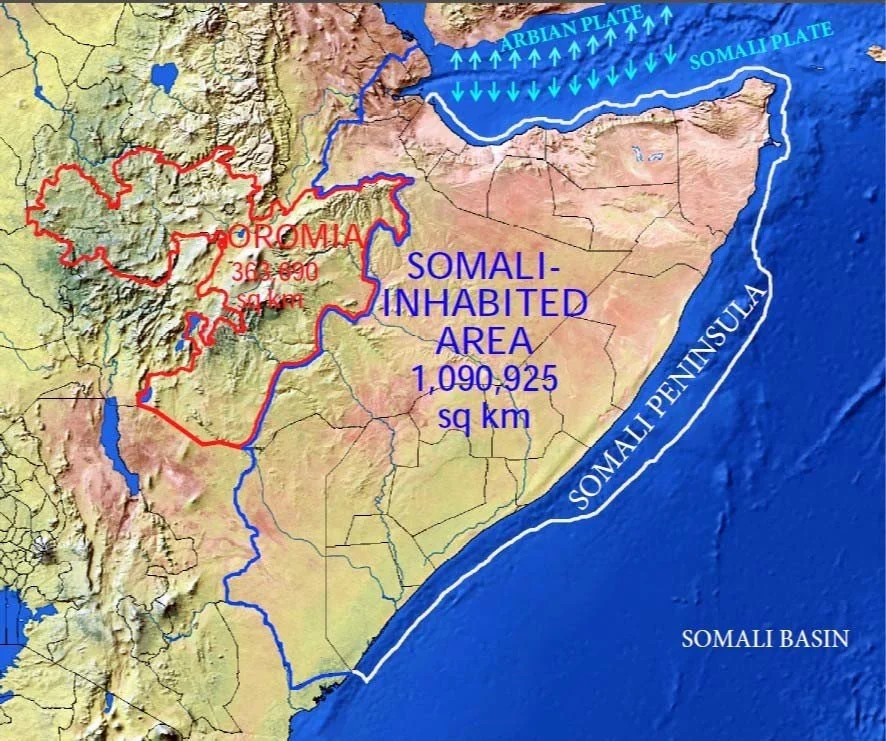
The Somali Peninsula sits at one of the most strategic corners of the African continent. Bordered by the Red Sea, the Gulf of Aden, and the Indian Ocean, this region has long been a meeting place of peoples, ideas, and goods.
Geography did more than shape the landscape. It forged a people known for independence, adaptability, and resilience.
In this NKENNE guide, explore how the unique position of the Somali Peninsula created a distinctive Somali character that continues to this day.
A Strategic Location
The Somali Peninsula forms the easternmost part of the Horn of Africa. Its long coastline stretches along major sea routes connecting Africa, the Middle East, and Asia.
This position made the region a natural bridge. Ships traveling between the Red Sea and the Indian Ocean regularly stopped along its shores. Over centuries, this constant movement of people and goods left a deep mark on the local population.
Ancient Connections and Trade
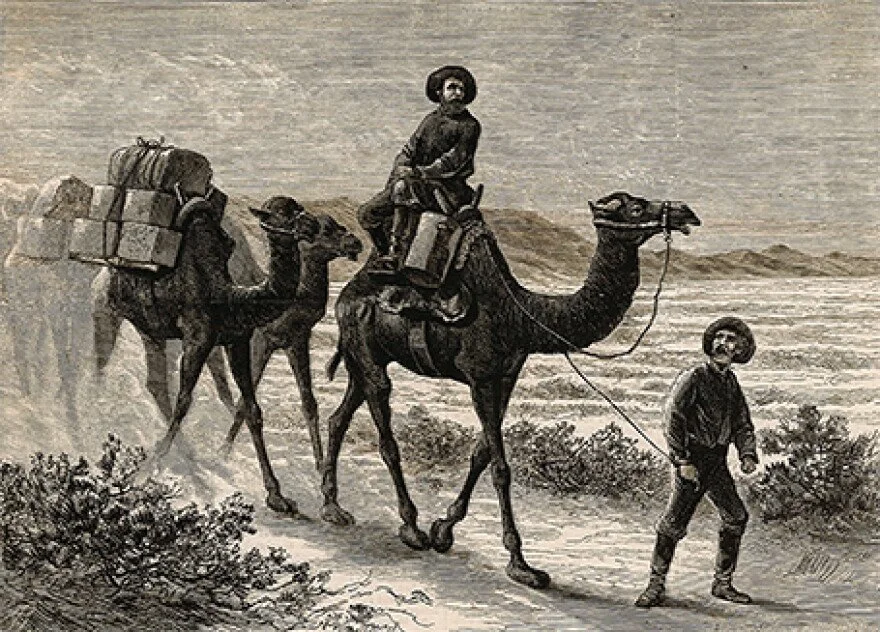
Long before modern borders existed, the people of the Somali Peninsula engaged in active trade. Ancient Egyptian records mention the Land of Punt, a region many scholars connect to the Horn of Africa. It was known for valuable goods such as frankincense, myrrh, and aromatic resins.
Coastal towns later grew into important trading centers. Somali merchants exchanged livestock, hides, and incense for cloth, metals, and other goods from Arabia, India, and beyond. This early commercial spirit remains visible in Somali culture today.
The Arrival and Spread of Islam
Islam reached the Somali coast relatively early through trade and migration from the Arabian Peninsula. Coastal communities were among the first in the region to adopt the new faith.
Over time, Islam spread inland and became a core part of Somali identity. It blended with existing Cushitic traditions, creating a unique expression of faith that emphasizes both spiritual life and practical community values.
The religion also strengthened ties across the Red Sea and connected Somalis to a wider Islamic world while preserving a distinct local character.
How Geography Built Resilience
The Somali Peninsula is largely arid and semi-arid. Water and pasture are limited and often seasonal. This environment demanded constant movement and careful management of resources.
Nomadic pastoralism became the dominant way of life for many communities. People learned to adapt quickly, travel long distances, and rely on strong social networks. These conditions rewarded independence, endurance, and the ability to thrive with limited resources.
The same harsh landscape that made survival challenging also produced a people skilled at navigating difficulty.
A Culture Shaped by Movement and Exchange
Because of its location, Somali culture developed a strong orientation toward mobility and exchange. Poetry, oral history, and trade networks allowed ideas and information to travel widely.
The combination of Cushitic roots, Islamic influence, and continuous contact with outside worlds created a culture that is both deeply local and open to wider horizons. This balance of rootedness and adaptability remains a defining feature of the Somali people.
FAQ
Why is the Somali Peninsula called a crossroads of civilizations?
Its position between the Red Sea and the Indian Ocean made it a natural meeting point for African, Arab, and Asian traders and cultures for thousands of years.
How did geography influence Somali social structure?
Limited water and pasture encouraged nomadic pastoralism and strong clan-based support systems that helped communities survive in a demanding environment.
When did Islam arrive in the Somali Peninsula?
Islam reached the coastal areas relatively early through trade with the Arabian Peninsula and gradually spread throughout the region.
What goods were historically traded from the Somali Peninsula?
Frankincense, myrrh, livestock, hides, and aromatic resins were among the most important exports.
Does this history still matter today?
Yes. The values of resilience, independence, trade, and strong community ties continue to shape Somali identity both in the homeland and in the diaspora.
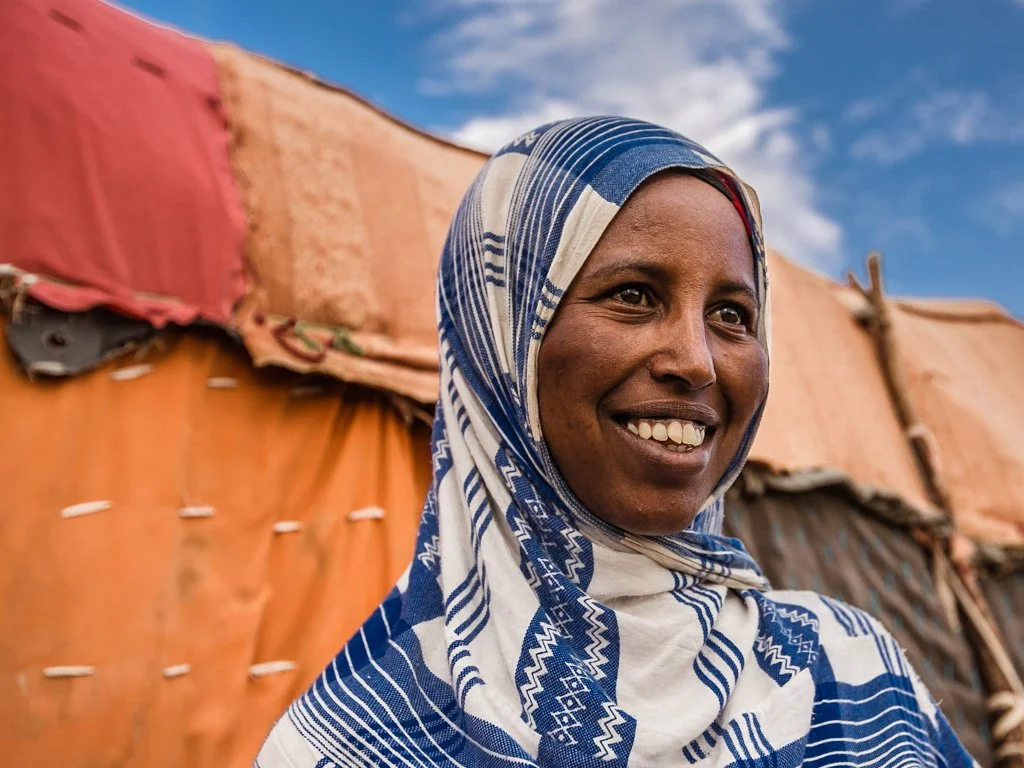
The geography of the Somali Peninsula did more than determine where people lived. It helped form a character defined by endurance, mobility, and the ability to turn challenges into strengths.
Understanding this history gives deeper insight into why Somalis value independence, hospitality, and adaptability so highly.
Continue exploring Somali history, culture, and language on the NKENNE app. Each lesson brings you closer to the living heritage of this remarkable people.