
Swahili Chicken Biryani: Layered, Fragrant, and Worth the Celebration
By: Chimdindu Ken-Anaukwu
There is a moment at every big Swahili wedding when the room falls quiet. Someone carries in a large tray of chicken biryani. The scent of cardamom, fried onions, and spiced rice fills the air. Guests lean in. This is not everyday food. This is the dish that says celebration has officially begun.
Swahili chicken biryani is a festive showpiece. Marinated chicken sits in a rich, saucy gravy. Fragrant basmati rice is layered on top. Soft potatoes and boiled eggs often join the party. On the Swahili coast, from Mombasa to Zanzibar to Lamu, this dish is a wedding must-have. In this post, I will show you an easier home version that still delivers that layered, fragrant magic.
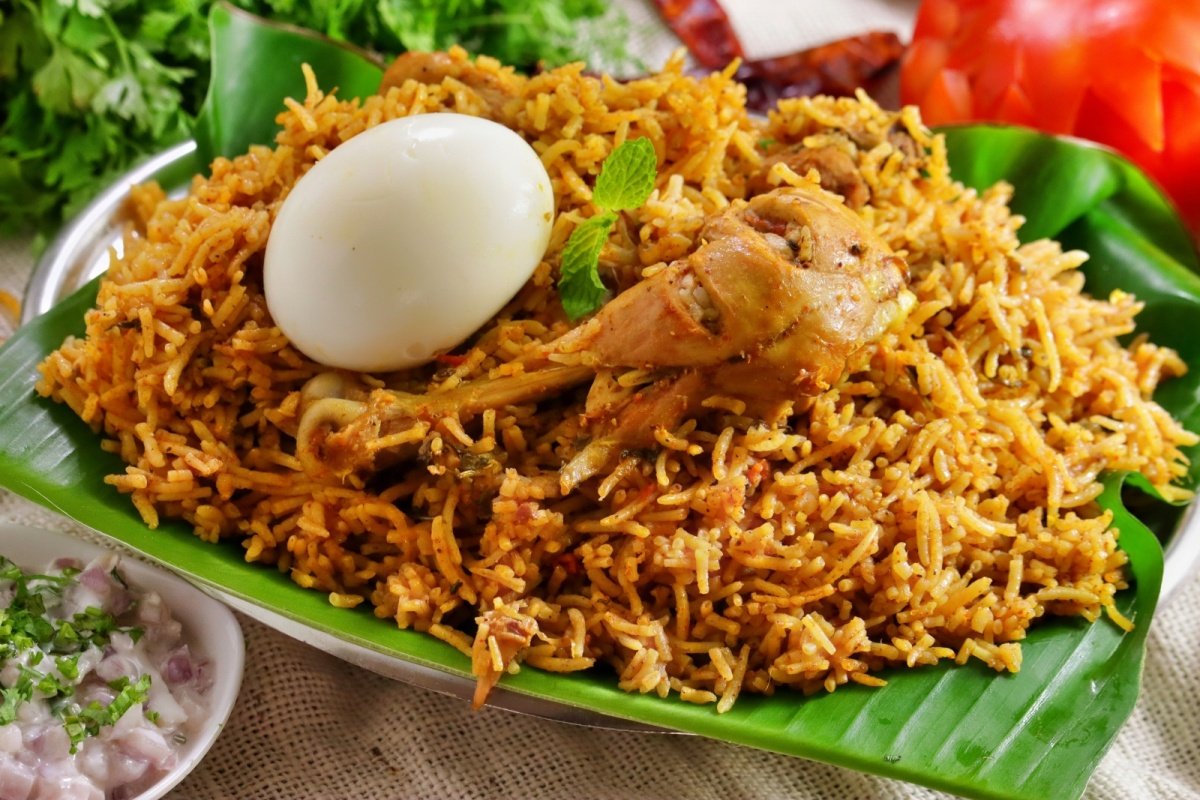
Why Biryani Rules Swahili Celebrations
On the Swahili coast, food is part of the ceremony. Pilau is common at many gatherings. Biryani is reserved for the big moments. Weddings, Eid, and major family events call for it.
The dish reflects centuries of Indian Ocean trade. Spices, rice techniques, and layering methods arrived through traders. Coastal cooks made them their own. The result is richer and often saucier than many Indian versions. Serving biryani at a wedding shows generosity and care. Guests remember the meal long after the music stops.
What Makes Swahili Biryani Special
Swahili biryani usually features:
Chicken marinated in yogurt and spices
A thick, flavourful gravy
Long-grain basmati rice cooked with whole spices
Golden fried onions
Soft potatoes
Sometimes boiled eggs
The rice and chicken are often prepared separately then layered. This creates contrast in texture and flavour. The dish feels special because it takes time and attention.
Ingredients for an Easier Home Version
Serves 6–8
For the chicken marinade and gravy
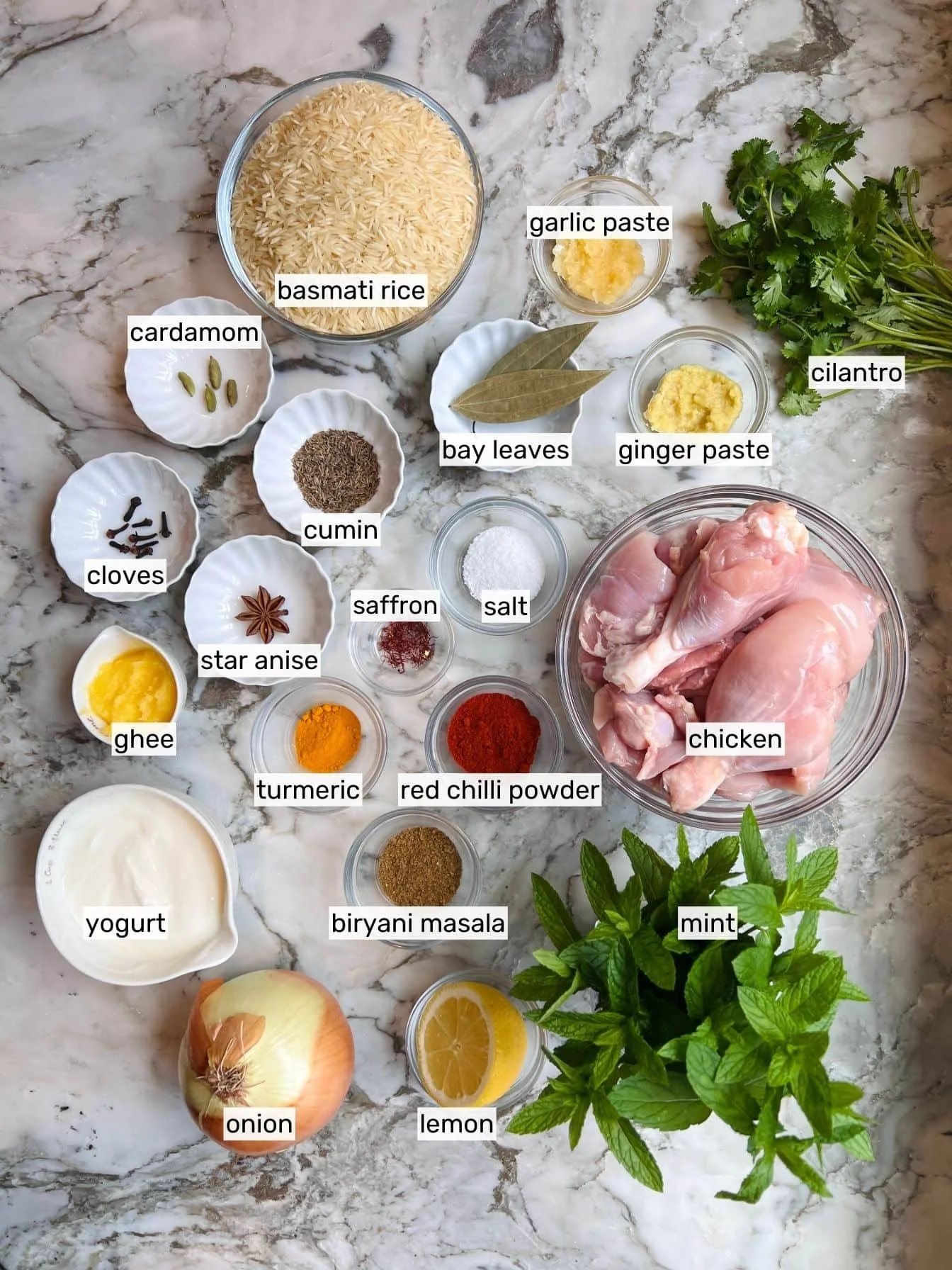
1.5–2 kg chicken pieces (thighs and legs work best)
1 cup plain yogurt
3 tbsp ginger-garlic paste
2–3 tbsp biryani masala or garam masala
Juice of 1 lemon
Salt to taste
4–5 large onions, thinly sliced (for frying)
3–4 tomatoes, chopped or pureed
2–3 tbsp tomato paste
2–3 green chilies (optional)
Handful of fresh coriander and mint
1 cup cooking oil (for frying onions and cooking)
For the rice
3 cups basmati rice
Whole spices: 4–5 cardamom pods, 3–4 cloves, 2 cinnamon sticks, 2 bay leaves
Pinch of saffron or ½ tsp turmeric (for colour)
Salt to taste
Optional: a little rose water or milk for saffron
Extras
3–4 medium potatoes, peeled and halved
4–6 hard-boiled eggs (optional but traditional)
Step-by-Step: How to Make It
Marinate the chicken
Mix yogurt, ginger-garlic paste, biryani masala, lemon juice, and salt. Coat the chicken well. Leave for at least 1 hour, or overnight for best flavour.Fry the onions
Heat oil in a large pot. Fry the sliced onions until deep golden and crisp. Remove most of them and set aside. Leave a little oil and some onions in the pot.Cook the gravy
Add the marinated chicken to the pot. Cook until it changes colour. Add tomato paste, chopped tomatoes, and a little water if needed. Simmer until the chicken is tender and the sauce thickens. Stir in most of the fried onions, coriander, and mint. Taste and adjust salt and spice.Prepare the potatoes and eggs
Fry the potato halves until golden and soft. Boil the eggs and peel them. You can add them to the gravy near the end or layer them later.Cook the rice
Wash and soak the basmati rice for 20–30 minutes. Boil water with the whole spices and salt. Cook the rice until it is about 70–80% done (still firm). Drain well.Layer and finish
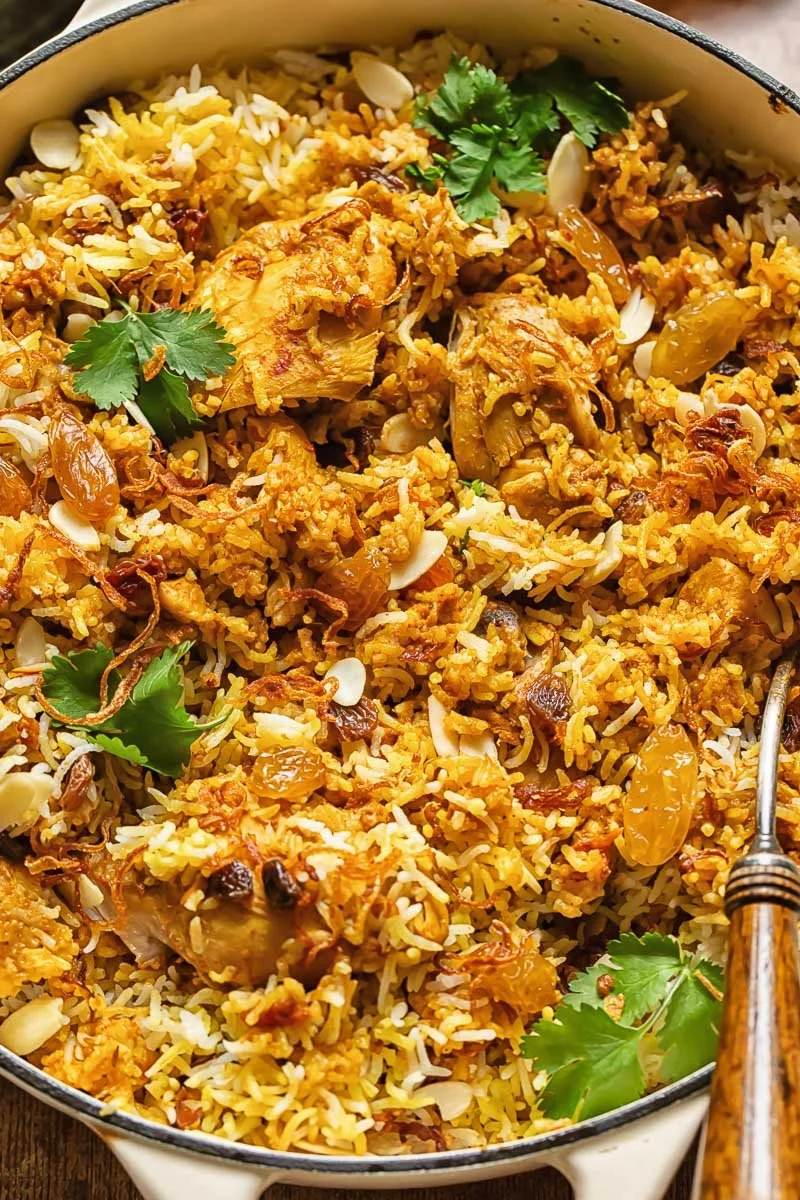
In a large heavy pot, place a layer of chicken gravy. Add a layer of rice. Scatter some fried onions, potatoes, and eggs. Repeat if needed. Finish with rice and more fried onions on top. Sprinkle saffron water or turmeric water for colour. Cover tightly and steam on very low heat for 15–20 minutes (dum method).Rest and serve
Turn off the heat and let it rest for 10 minutes before opening. Gently mix or serve in layers so guests see the beauty.
Tips for Restaurant-Level Results
Use full-fat yogurt for a richer marinade.
Fry the onions slowly. They are the flavour backbone.
Do not overcook the rice before layering. It will finish steaming.
A wide, heavy-bottomed pot helps even cooking.
Taste the gravy before layering. It should be bold because the rice will absorb some flavour.
Serving Suggestions
Serve hot with:
Fresh kachumbari (tomato-onion salad)
Cooling yogurt or raita
Extra fried onions on the side
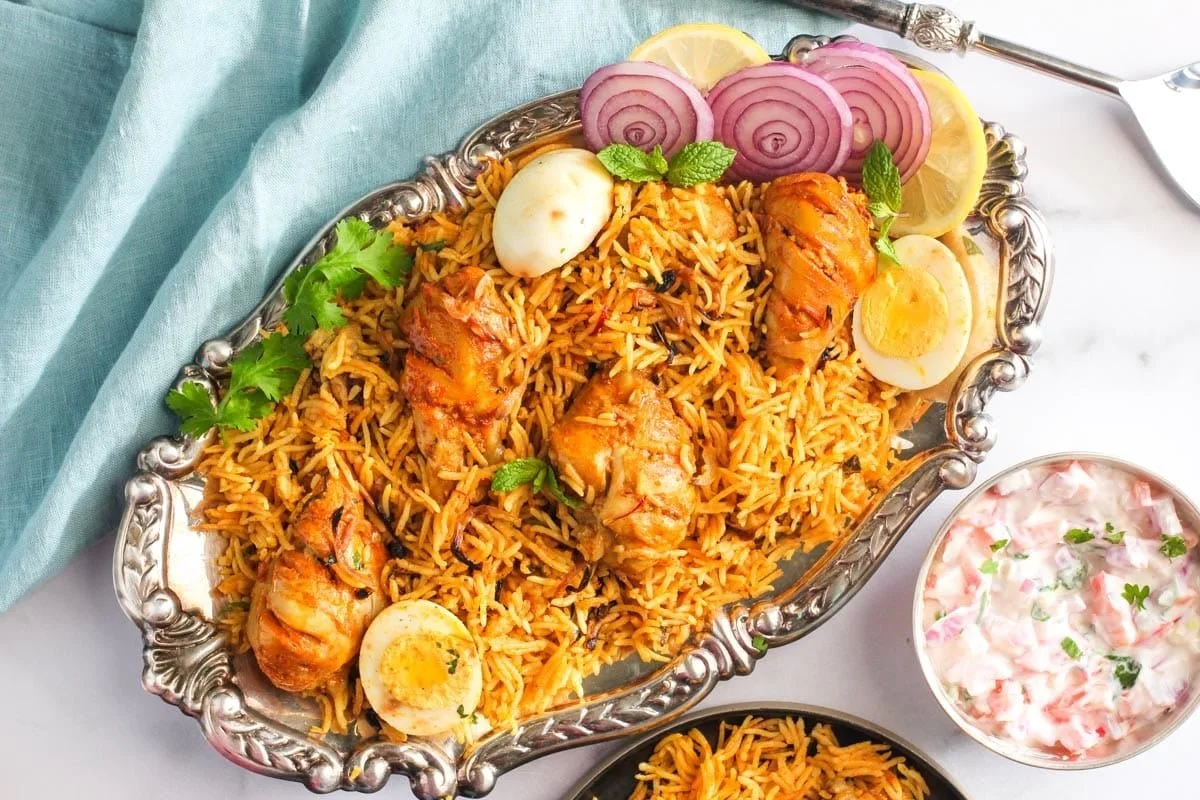
At coastal weddings, it often arrives on large trays for sharing. At home, a big pot in the middle of the table creates the same feeling.
FAQs About Swahili Chicken Biryani
Why is biryani a wedding dish on the Swahili coast?
It is labour-intensive and impressive. Serving it shows hospitality and marks the occasion as special.
Can I make it without eggs and potatoes?
Yes. They are traditional but optional. The chicken and rice remain the stars.
How is Swahili biryani different from Indian biryani?
Swahili versions are often saucier. The gravy is richer and the rice is layered more loosely in many home styles.
Can I prepare parts ahead of time?
Yes. Marinate the chicken and fry the onions a day before. Cook the rice and assemble on the day.
What rice works best?
Long-grain basmati is ideal. It stays fluffy and absorbs the spices well.
Is this dish very spicy?
You control the heat. Traditional versions have warmth from spices and chilies, but they are not overwhelmingly hot.
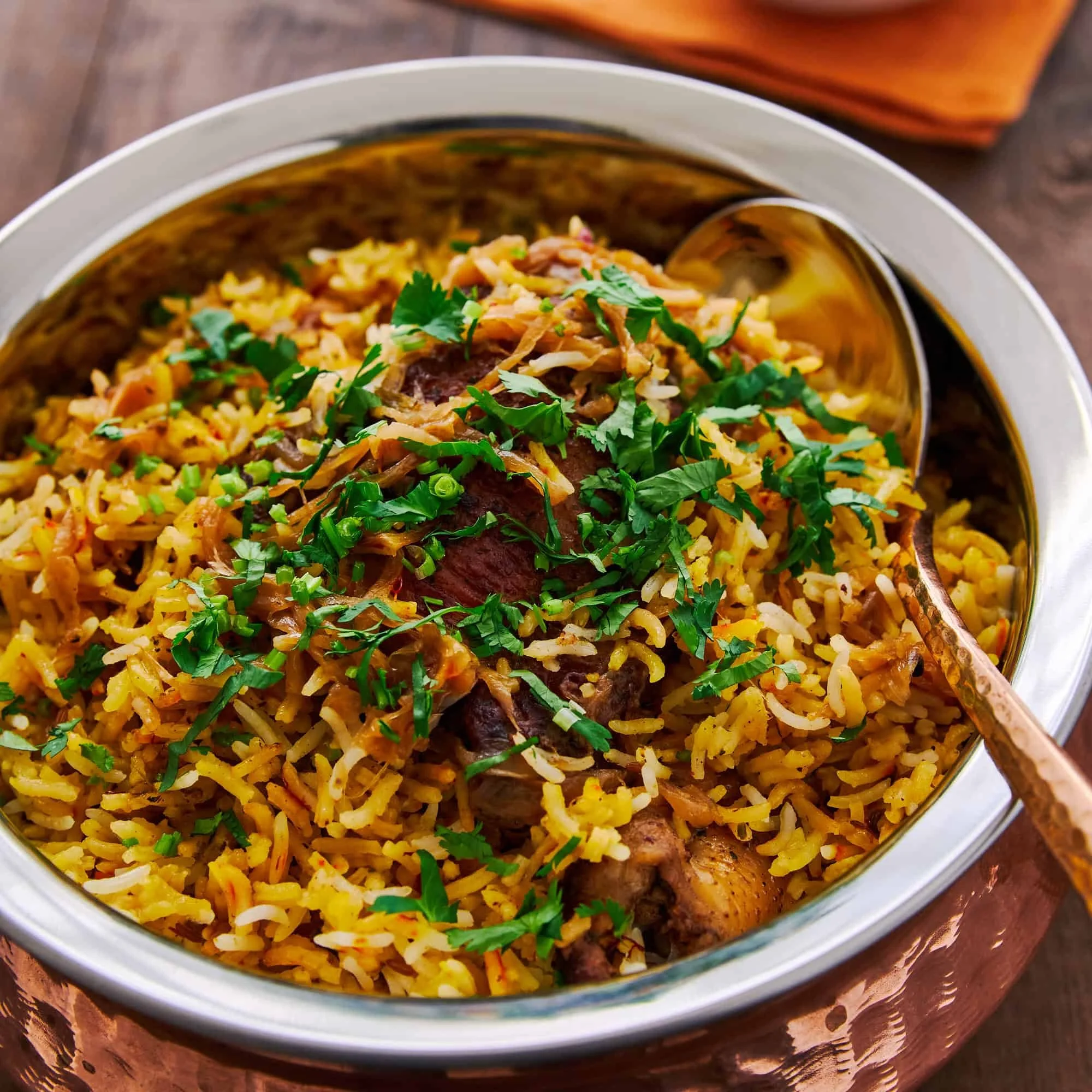
Swahili chicken biryani is more than a meal. It is a celebration on a plate. The layers of spice, the tender chicken, and the fragrant rice turn any gathering into something memorable. Once you master this home version, you will understand why coastal families save it for the moments that matter most.
Ready to bring more authentic Swahili flavours and language into your kitchen? NKENNE offers practical lessons on coastal recipes, food vocabulary, and real conversations. Start today and cook with confidence. Karibu!