
Maraq: A Somali Meat and Vegetable Stew With Xawaash
By: Yvonne Mag-usara
A good pot of maraq begins filling the room before anyone reaches the table.
Meat simmers with tomatoes, potatoes, carrots, garlic, and xawaash until the sauce becomes rich and the vegetables absorb its warmth. The ingredients may change from one home to another, but the purpose remains familiar: make one pot generous enough to feed everyone.
This guide explores what gives Somali maraq its character, how to prepare it at home, and the many forms the dish can take.
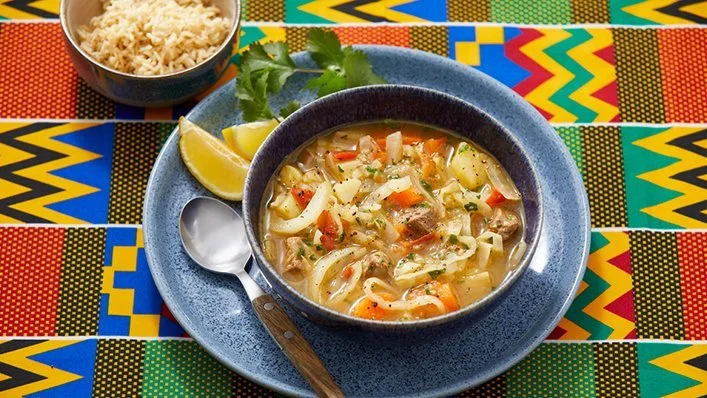
Credit: NHS Healthier Families
Maraq fahfah combines tender lamb, vegetables, fresh coriander, and warming spices in a light Somali broth made for sharing.
The Stew Behind the Name
In Somali cooking, maraq can describe a broth, soup, sauce, or stew. Its texture depends on what is being cooked and how it will be served.
Some versions are light enough to ladle into a bowl. Others cook down into a tomato-rich sauce that clings to meat and vegetables. Maraq may contain beef, lamb, goat, chicken, plantain, or vegetables alone.
There is no single maraq recipe that represents every Somali household. The name describes a broad style of cooking in which ingredients slowly release their flavour into one shared pot.
Why This Pot Feels Like Home
Maraq is practical food. Meat and vegetables cook together, the sauce can be adjusted for the number of people eating, and the finished dish pairs easily with bread, rice, pasta, or porridge.
For Somali chef and entrepreneur Hawa Hassan, the flavours of family cooking became a way to reconnect with relatives after years of separation. She describes the Somali beef stew she grew up with as an easy meal her mother could prepare for a large group.
That is where much of maraq’s comfort sits. It is not only in the softness of the potatoes or warmth of the spices. It is in the sight of one pot becoming enough.
Meat, Roots, and Xawaash: What Builds the Flavour
Meat
Beef, lamb, and goat all work well in maraq. Choose a stewing cut with enough connective tissue to soften during simmering.
Chicken creates a lighter and faster-cooking version. Xawaash’s Somali chicken stew uses the same familiar structure of meat, tomatoes, potatoes, carrots, aromatics, and spice.
Xawaash
Xawaash gives many Somali stews their warm, peppery centre.
The blend commonly combines cumin, coriander, black pepper, cardamom, cinnamon, cloves, and turmeric. Recipes differ between cooks, so one household’s blend may lean earthier while another tastes sweeter or more aromatic.
For a small homemade blend, combine:
1 teaspoon ground cumin
1 teaspoon ground coriander
¼ teaspoon black pepper
¼ teaspoon turmeric
⅛ teaspoon ground cardamom
A pinch each of cinnamon and cloves
Tomatoes and Aromatics
Fresh or canned tomatoes form the body of the sauce. Tomato paste deepens its colour and savoury flavour.
Onion, garlic, and ginger build the base. Ground fenugreek is optional but adds a lightly bitter, nutty depth.
Potatoes and Carrots
Potatoes make the stew substantial, while carrots bring gentle sweetness.
Use potatoes that hold their shape during simmering. Cut the vegetables into similar-sized pieces so they cook evenly without dissolving into the sauce.
A Few Somali Words From the Pot
Maraq: stew, broth, or sauce
Hilib: meat
Qudaar: vegetables
Digaag: chicken
Baradho: potato
Xawaash: spice or seasoning
Learning the words beside the ingredients gives each one something real to attach to.
How to Make Somali Maraq
This adaptable Somali maraq recipe can be prepared with beef, lamb, or goat. Chicken requires less cooking time and is covered in the variations below.
Serves: 4 to 6
Preparation time: 15 minutes
Cooking time: 60 to 75 minutes
Ingredients
⅓ cup neutral vegetable oil
1 large onion, sliced
3 garlic cloves, minced
1 teaspoon grated ginger
1 tablespoon xawaash
1 teaspoon turmeric
1 teaspoon ground fenugreek, optional
1½ pounds or 680 grams cubed beef, lamb, or goat
4 large tomatoes, blended, or one large can of crushed tomatoes
2 tablespoons tomato paste
1½ teaspoons salt, plus more to taste
2 medium potatoes, cubed
2 carrots, sliced
1 green bell pepper, chopped
½ cup chopped cilantro
½ teaspoon black pepper
Green chilli or chilli sauce, optional
Water, as needed
The ingredient order follows documented Somali stew preparations in which the meat simmers in a spiced tomato base before the vegetables are added.
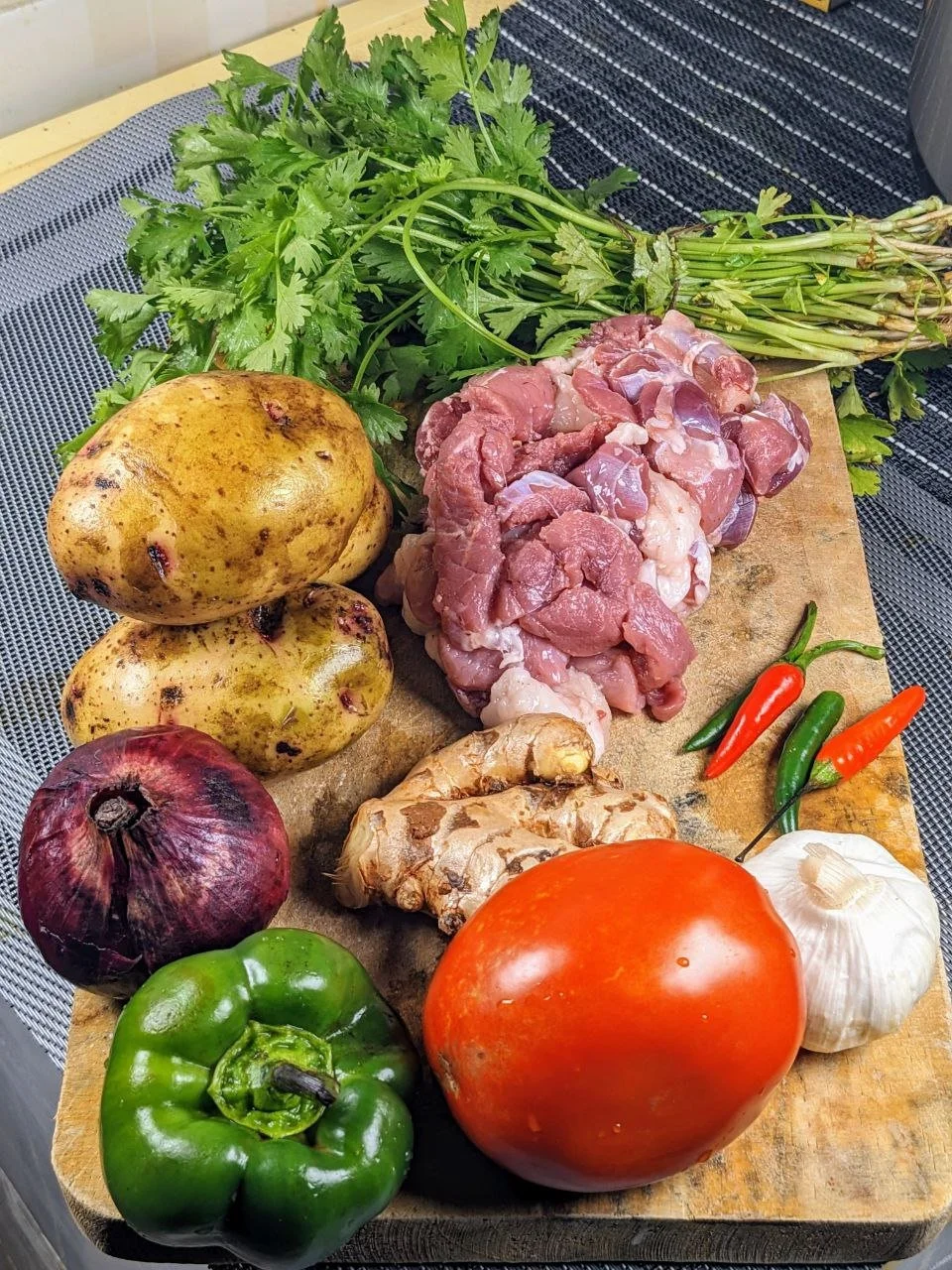
Credit: ToasterDing
Method
Build the base.
Heat the oil in a heavy pot. Cook the onion until soft, then add the garlic, ginger, xawaash, turmeric, and optional fenugreek.Brown the meat.
Add the meat and cook for three to five minutes, turning until evenly coated and lightly browned.Simmer the sauce.
Add the tomatoes, tomato paste, and salt. Cover and simmer until the meat is nearly tender, about 30 to 60 minutes depending on the cut. Add water gradually if the sauce becomes too thick.Add the roots.
Stir in the potatoes and carrots. Cover and cook for 15 to 20 minutes, or until tender but still intact.Finish the pot.
Add the green pepper, cilantro, black pepper, and optional chilli. Cook for another five minutes, adjust the seasoning, and let the stew rest briefly before serving.
Maraq can be eaten with canjeero, rice, soor, sabaayad, pasta, or crusty bread.
Tender Meat, Intact Roots: Getting the Texture Right
Give the Meat a Head Start
Do not add every ingredient at once. Beef, lamb, and goat need more time than potatoes and carrots.
Wait until the meat is almost tender before adding the roots.
Keep the Pieces Even
Similar-sized pieces cook at roughly the same rate.
Large meat cubes may stay firm while small ones dry out. Tiny potato pieces may disappear into the sauce before the meat is ready.
Add Water Slowly
Tomatoes release different amounts of liquid.
Add only enough water to prevent sticking and support the simmer. Maraq may be brothy, but a stew-style version should not become thin without intention.
Stir Gently
Once the vegetables are tender, stir carefully so they keep their shape.
A short rest away from the heat helps the sauce settle around the meat and roots.
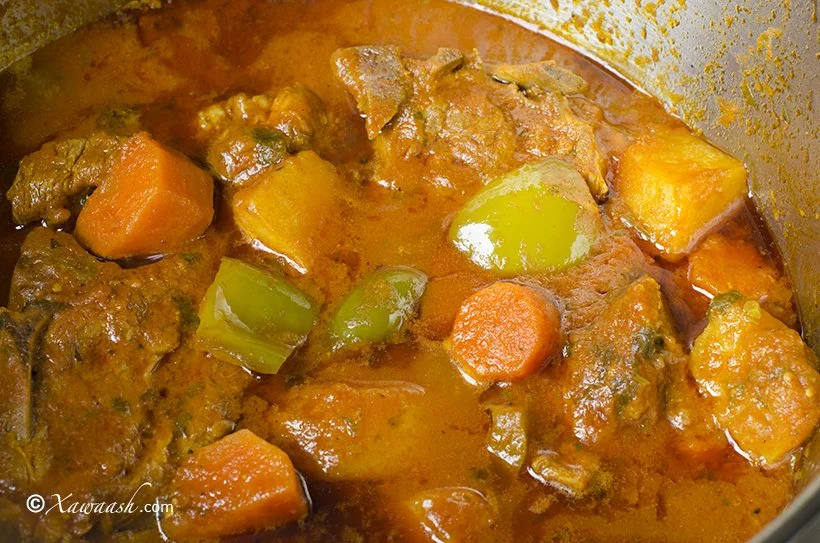
Credit: Xawaash.com
Adding the meat and vegetables in stages helps the meat become tender while the potatoes and carrots keep their shape.
Varieties of Somali Maraq
Maraq changes according to the meat, vegetables, region, and needs of the household.
Maraq Ari
This version uses lamb or goat with tomatoes, potatoes, carrots, green pepper, and xawaash. It is often served over anjero or canjeero, but also works with rice, soor, sabaayad, bread, or pasta.
Maraq Digaag
Maraq digaag replaces red meat with chicken.
Because chicken cooks faster, the potatoes and carrots can be added earlier. The dish remains tomato-based and is commonly flavoured with xawaash.
Maraq Qudaar
Maraq qudaar is a vegetable stew that may include potatoes, carrots, tomatoes, cabbage or Brussels sprouts, spinach, onion, and garlic.
It shows that the structure of maraq does not depend entirely on meat. Vegetables and seasoning can carry the pot on their own.
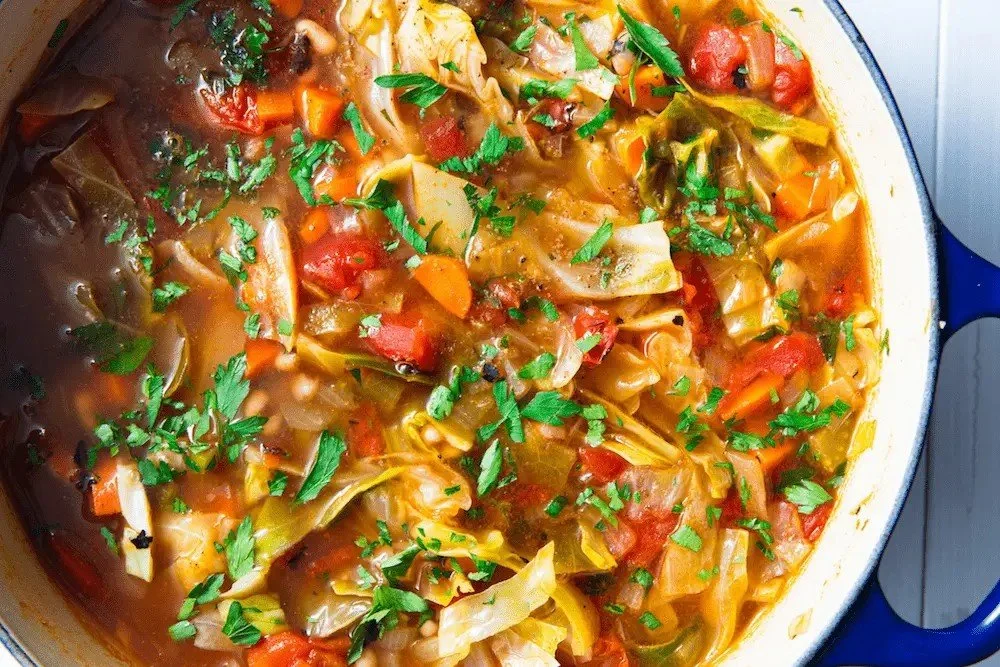
Credit: Healthy Food Near Me
Maraq qudaar turns cabbage, potatoes, carrots, and onion into a simple vegetable soup that shows how flexible the maraq tradition can be.
Maraq Moos Bukiini
This southern Somali variation uses green or semi-ripe plantains, whose firm texture behaves much like potato when cooked.
The plantain absorbs the stew’s spices while remaining substantial enough to take the place of other root vegetables.
Maraq Fahfah
Maraq fahfah is a more broth-forward version made with meat, potatoes, vegetables, chilli, coriander, and lemon.
Some preparations include cabbage, carrots, and parsnip, producing a lighter dish that can be served alone or with rice.
These are not the only forms. Maraq is flexible by nature, shaped as much by what is available as by written recipes.
FAQs
Is Somali maraq always made with meat?
No. Maraq qudaar is prepared with vegetables, while plantain-based versions also exist.
What does maraq taste like?
A tomato-based maraq usually tastes savoury, warm, and aromatic. Xawaash contributes earthiness and gentle sweetness rather than intense chilli heat.
Can I make maraq without xawaash?
Yes, but the flavour will be less recognizably Somali.
Use cumin, coriander, pepper, turmeric, cardamom, cinnamon, and cloves when prepared xawaash is unavailable.
Can I use chicken instead of beef or lamb?
Yes. Chicken cooks more quickly, so reduce the simmering time and add the vegetables sooner. Maraq digaag is an established Somali chicken-stew variation.
What should I serve with Somali maraq?
Serve it with canjeero, rice, soor, sabaayad, pasta, or bread. A broth-forward maraq may also be eaten directly from a bowl.
Can maraq be prepared ahead of time?
Yes. The flavours often become more integrated after resting.
Reheat it gently and add a small amount of water if the sauce has thickened in the refrigerator.
Conclusion
Maraq is not one fixed dish guarded by a single ingredient.
It is a way of building comfort from what a household has: meat when it is available, vegetables when they need using, xawaash for warmth, and enough sauce to carry everything across the plate.
That flexibility is not a weakness in the recipe. It is the reason the recipe lasts.
Learn the Somali names as you cook. Notice how each variation changes the pot without losing its character. Food becomes easier to carry forward when language, memory, and daily practice remain connected.
Learn Somali Through Food and Culture
With NKENNE, you can learn Somali while exploring the recipes, traditions, and everyday expressions that give the language its meaning.
Begin with the words around the table, then follow them deeper into the culture.
